Please read this. It's literally been 8 years in the writing.
The first wave of tech disruption of democracy 2016-2024 is over. What starts now is something much, much worse: the age of information chaos.
1/
https://t.co/bsnKnag51p
What do we know about the risks associated with advanced emerging technologies? How can we identify risk in far-future systems? See our latest open access article here: https://t.co/bnhbWJZvXT #risk#humanfactors#ergonomics#safety#technology#AI
This story is one of the most disturbing I've ever covered. It's about how the views of a deeply weird ideological sect affected science, medicine and the media, with devastating impacts on patients. Please read and pass on. This horror has to stop. https://t.co/qVjkbiGQY3
Pop star bringing £1bn to UK economy who received death threats gets police security in country where someone blew up the crowd at an Ariane Grande concert. In contrast Liz Truss spent £500,000 on a flight to Australia for 12 + £15,000 on food and alcohol.
Emotion Boosts Memory for Context
A new study reveals that emotion enhances memory for contextual details, contradicting the common belief that emotions impair the recollection of such information.
Researchers found that in emotionally charged situations, participants showed improved memory for peripheral details, aided by increased interaction between brain regions responsible for emotion and recollection.
Using eye-tracking and MRI imaging, the study demonstrated how emotional experiences can boost memory retention.
This insight could have implications for improving memory in aging populations and managing conditions like PTSD, where memories become disconnected from their context.
The findings suggest that actively focusing on contextual details during emotional events may help improve memory.
This research challenges existing assumptions and opens new avenues for therapeutic approaches in memory-related disorders.
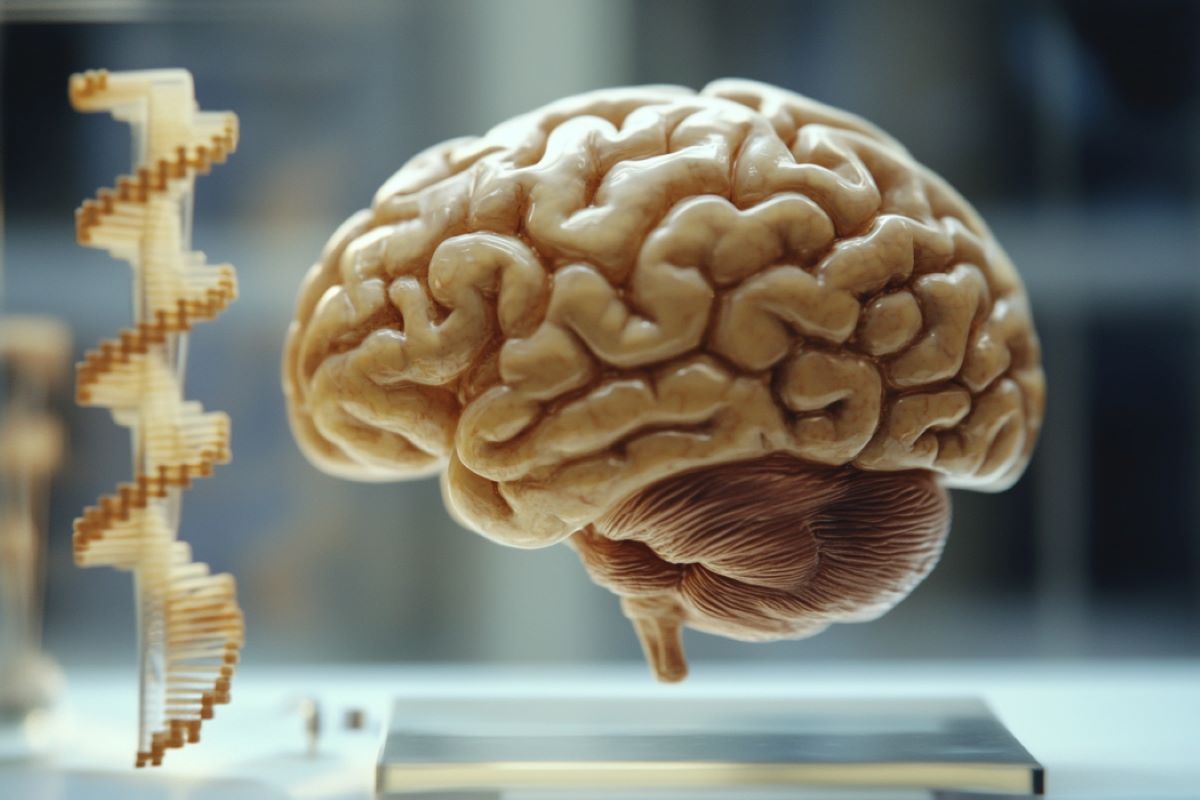
Genetically Engineered Parasite Delivers Drugs to the Brain
Scientists have engineered the parasite Toxoplasma gondii to deliver drugs across the blood-brain barrier, a major challenge in treating neurological diseases.
By harnessing the parasite's natural ability to penetrate the brain, researchers successfully delivered therapeutic proteins, potentially treating conditions like Rett syndrome.
This novel method could revolutionize treatments for brain disorders by allowing large molecules to reach target areas in the brain.
The research underscores the innovative use of biological systems to overcome medical challenges.
1/3
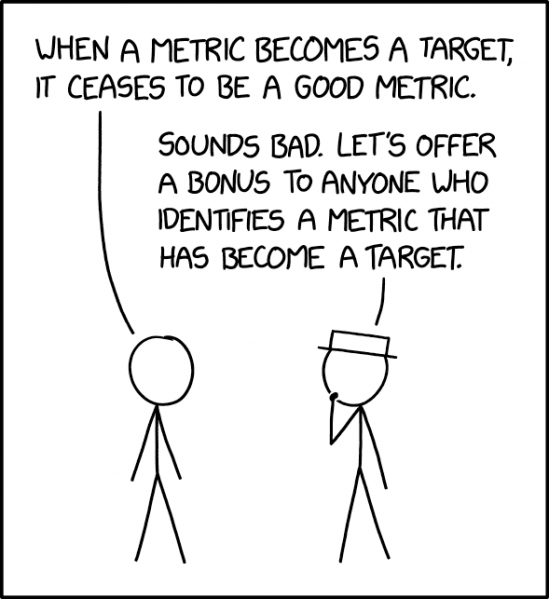
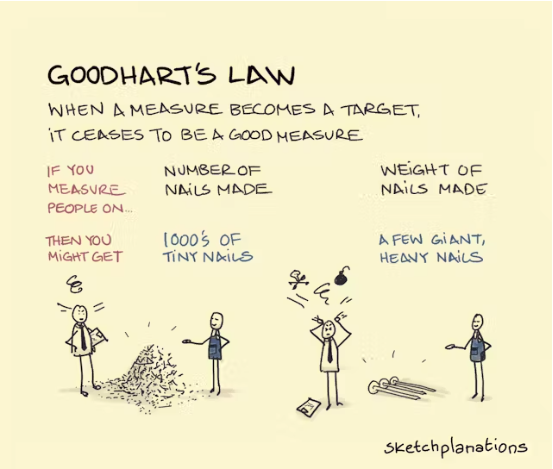
Why do quantified performance targets/quality standards frequently fail to deliver their goals? Three core contributing concepts:
1) Goodhart’s Law: “When a metric becomes a target, it ceases to be a good metric".
2) Campbell's Law: “The more any quantitative social indicator is used for social decision-making, the more subject it will be to corruption pressures & the more apt it will be to distort & corrupt the social processes it is intended to monitor".
3) The Cobra Effect: "Incentives can have undesired & unintended results, potentially harming the very thing that they were intending to improve".
In order to mitigate for these three, we need to:
- regularly revisit the aim
- diversify the metrics (& introduce balancing measures)
- choose metrics that are as close to the aim as possible
- use qualitative as well as quantitative indicators
- make it easier & more rewarding to improve the system rather than game it
https://t.co/IlXT2VIBWl. By @tom_geraghty (sign up for his weekly newsletter - it's a "must-read"). Graphics by @sketchplanator & @xkcd.
To celebrate the @CIEHF's 75th anniversary we asked 18 #humanfactors researchers and practitioners a series of questions on HFE's impact, contemporary challenges, and critical future directions. You can read the results here: https://t.co/dbWbCZgTey @ergonomics1957#ergonomics