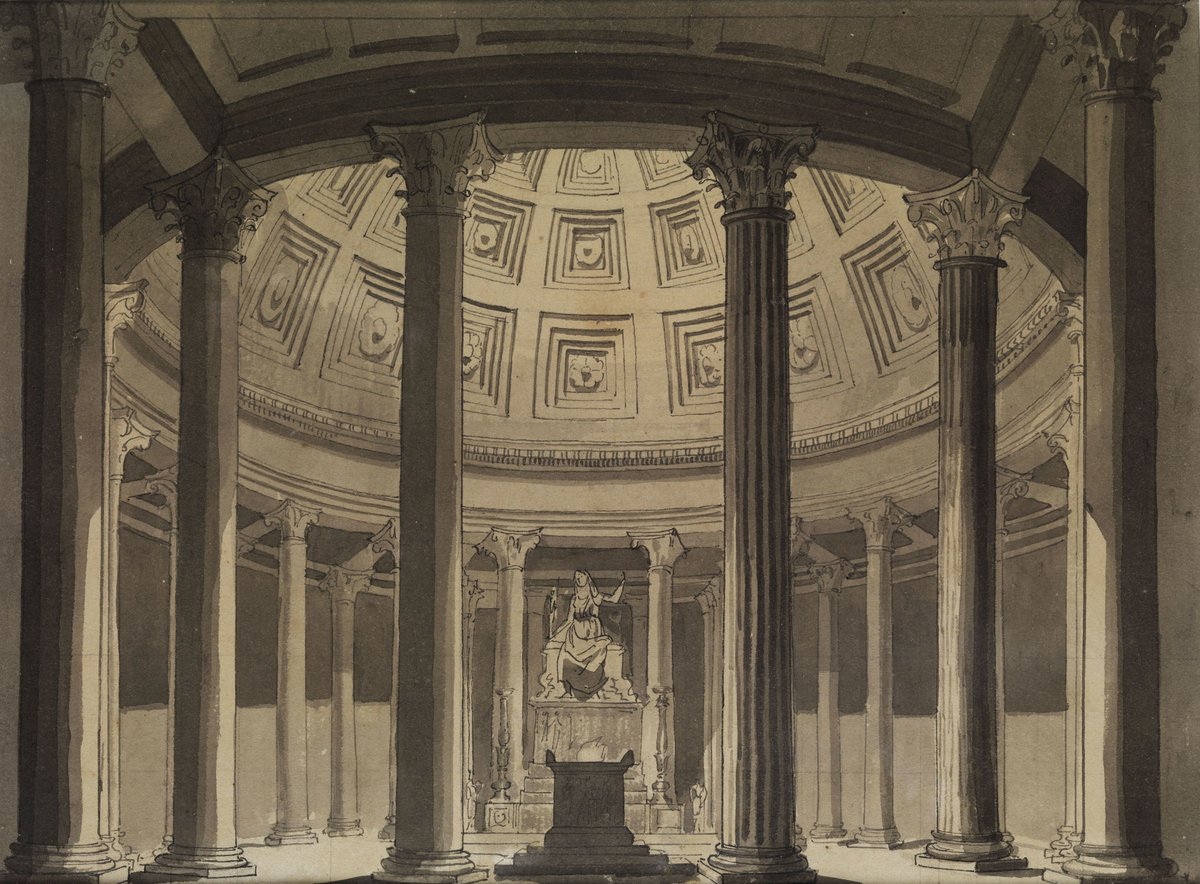
The number one reason not to watch The Odyssey is that the next time you pick up the books, you risk your subconscious conjuring up images from the film to associate them with the scenes and characters.
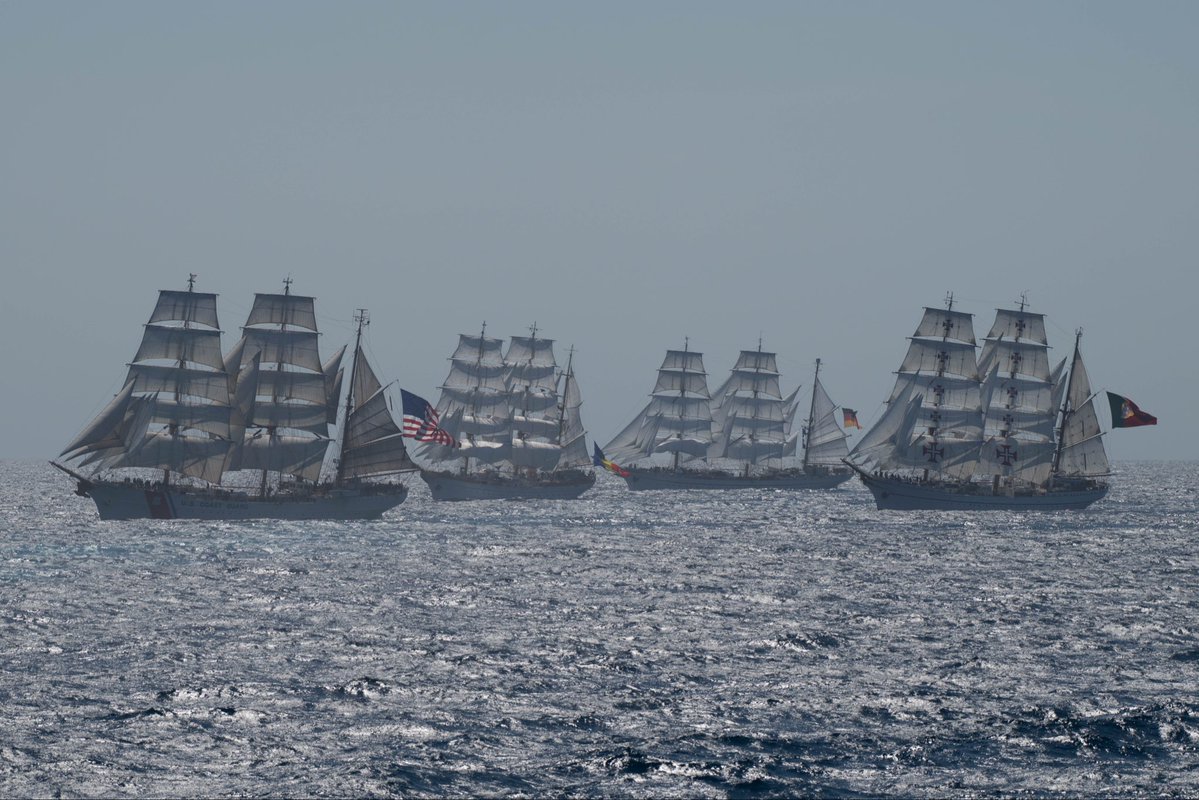
Yesterday, four of the world’s most iconic tall ships raced head-to-head offshore before making their way to Boston for #SAIL250.
This weekend, they’ll sail into Boston Harbor led by USCGC Eagle for the Parade of Sail. Don’t miss it! ⚓🇺🇸 #fivesisterstallships
My favorite Ferrari ever made is Gianni Agnelli's 1986 Testarossa Spider—the only Testarossa Spider officially commissioned and built in-house by Ferrari, requested by Agnelli himself to mark his 20th year in charge of Fiat. Silver, not red, referenced his initials "Ag", the periodic table's symbol for the metal.
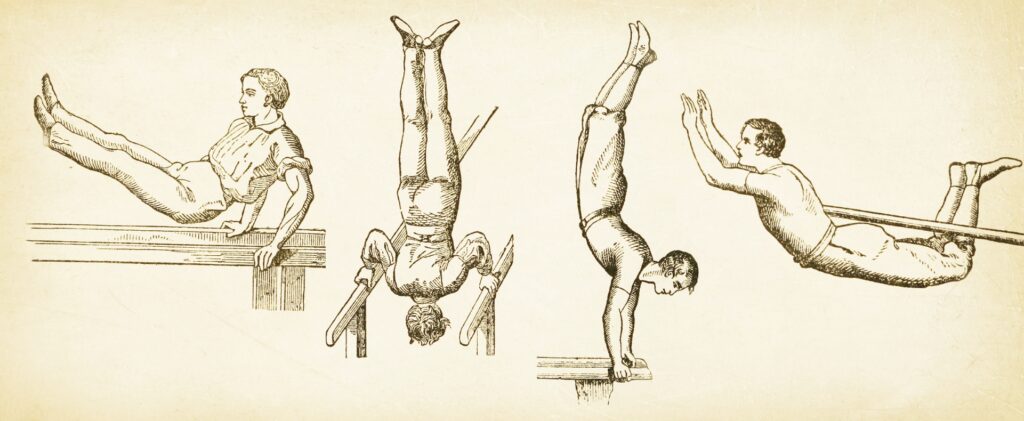
An ancient Greek aristocrat's daily health routine (long passage, but interesting)
"He begins his exposition of diet with the moment of waking up, which he places shortly before sunrise, for the whole life of the Greeks was fitted to the natural course of the day. The chief meal was taken in the evening, shortly before sunset in summer and naturally later in winter. After it, men with weak
constitutions are told by Diocles that they should go to bed at once, and stronger persons as soon as they have taken a short, leisurely walk. This being so, there is nothing strange about the early hour of rising, and indeed we know of it from other Greek evidence. Diocles says we should not rise immediately we wake,
but wait till the heaviness of sleep leaves our limbs, and then rub our neck and head at the places where they pressed on the pillow. Next (even before emptying the bowels) we should rub the whole body lightly and equally all over with a little oil, mixed with water in summer, and flex all our joints. He does not recommend a bath after this, only that the hands should be washed and the face and eyes bathed in pure cold water. Then he gives detailed directions for care of the teeth, nose, ears, hair, and scalp. (The scalp must, he says, be kept supple and clean so that it can perspire, but must also be hardened.) After
this anyone who has work to do should have something to eat, and then begin his duties. Those who have not, should take a walk before or after breakfast—long or short, according to their
constitution and state of health. The walk, if taken after breakfast, should not be long or quick. After it is over, they should sit down and attend to business at home, or occupy themselves in some other way till it is time for exercise. Then young men should go to the gymnasium, and old people and invalids to the
bath, or to some other sunny place, to be anointed with oil. The amount and difficulty of the exercises taken should be suitable to the age of the person taking it. For elderly men, it is enough to be gently massaged, to move about a little, and then to have
a bath. It is better to massage oneself than to be massaged by someone else, because one's own movements are a substitute for gymnastic exercise.
After the morning exercise comes luncheon, which should be light and not filling, so that it can be digested before the gymnastics of the afternoon. Directly after luncheon, there should be a short siesta in a dark and cool, but not draughty, place; and
then more business at home, a walk, and finally (after another short rest) the afternoon's exercise. The day ends with dinner. Diocles says nothing about the separate exercises, and all the literature about diet would tell us nothing about this important
branch of Greek physical culture if the author of the treatise On diet had not been so systematic—after his classification of all foods and drinks, he enumerates all possible kinds of psychical and physical exertions, among which are included gymnastic exercises. Diocles cuts them out of his regimen, so to speak, and
leaves them to the trainer to direct. But the whole scheme of his day is based on two fixed points: exercise in the morning and exercise in the afternoon. His vivid description makes us fully realize how the whole life of the Greeks (unlike that of any other people) revolved around their gymnastics. His dietetic
theory could well be described as a recommendation to regulate all that part of the day which is not spent on exercise by accurate medical prescription, and to bring it into complete harmony with one's gymnastic routine.
The aim of all this is to attain the best possible diathesis—the best possible permanent condition for general health and for every kind of physical exertion. Diocles says so several times. But of course he realizes that the world is not run to suit medical theory, and he does not talk as if men simply lived in order to look after their health. The writer of On diet also recognizes that a certain social difficulty exists—that some compromise must be found between the doctor's ideals and the actual conditions of the patient's life. He reaches the same conclusion as Diocles. He draws up an ideal regime for the man who has nothing to do but keep fit, and then makes allowances for those
who have to work and have little time left for the care of the body. We must not imagine that the Greek doctors wrote only for the rich. Contemporary philosophers did the same thing—they described a bios to be lived by the man who was entirely at leisure, and then left individuals to make their own deductions from this ideal."
— Werner Jaeger, Paideia
I understand Chinese and other cruelty to catt (love catt frends) and factory farming evil to animool...and I've long said this must be a central plank of new right, including natural conservation. But if you post videos or photos of animool suffering or catt scare etc I mute you
Germanic Tribes in the Second Century AD, as mentioned by Ancient Authors.
Compiled from various ancient authors, most notably Tacitus, Ptolemy, Pliny and Strabo.
The exact locations of the Germanic Tribes has been a vague and unclear question for almost two thousand years now, however with Archaeology and Cross-Referencing i believe it is possible to get somewhat close to the real picture.