#CoronaryPhysiology#EuroPCR2026
I just secured a couple more
🌟 FREE registrations 🙌:
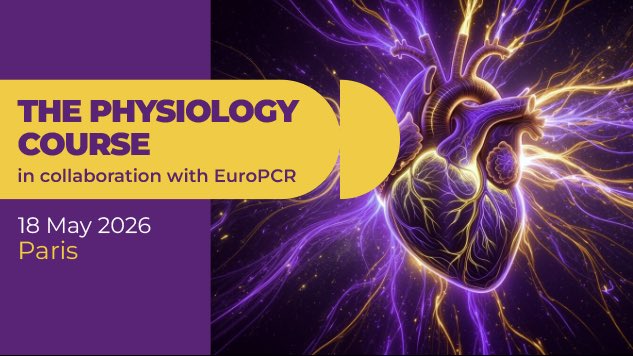
The Physiology Course
📍 Paris
🗓️ 18 May
🎓 ICs & Fellows
I’d love to help you get there
📩 DM me to claim one! 🇫🇷✨
(1st come, 1st served)
👇
https://t.co/5UbuK9HDDq…
One intensive day covering principles, interpretation, and practical use of physiology in the cath lab. Understanding concepts rather than being snowed under by data. New: hands-on wet-model workshops on epicardial and microcirculatory measurements
https://t.co/2QUZglRSjd
🔬 NEW this year: practical wet-lab workshops offer a truly hands-on experience to explore techniques for assessing epicardial and microcirculation—from established approaches to the latest innovations.
TPC (The Physiology Course) for the first time at EuroPCR
🫀 Following the renowned applied coronary physiology courses at the ESC Heart House in Sophia Antipolis, TPC has become the reference in applied coronary physiology
🚀 For the first time, TPC arrives at EuroPCR.
💡 This intensive one-day course covers the full spectrum of coronary physiology—from core principles to hands-on skills for the catheterisation laboratory. Designed by leading experts, TPC prioritises true understanding over data, with plenty of room for discussion.
🔥 Physiology has evolved.
From a diagnostic method to a prognostic tool.
💡 What if we could predict outcomes before we stent?
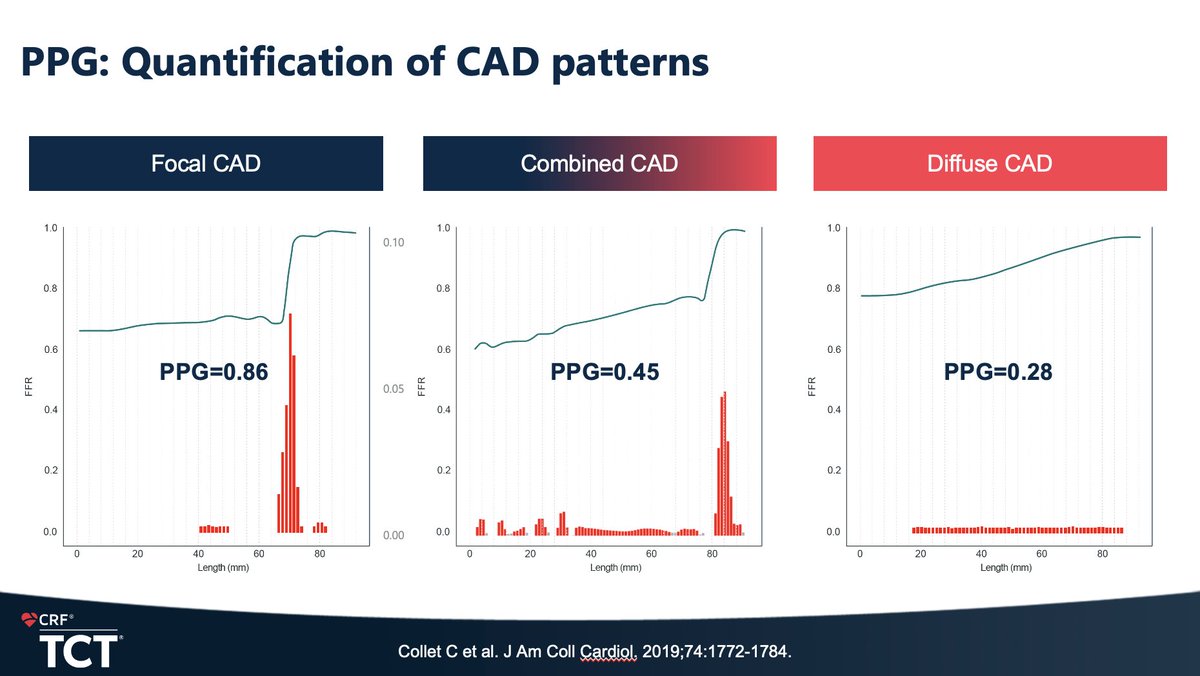
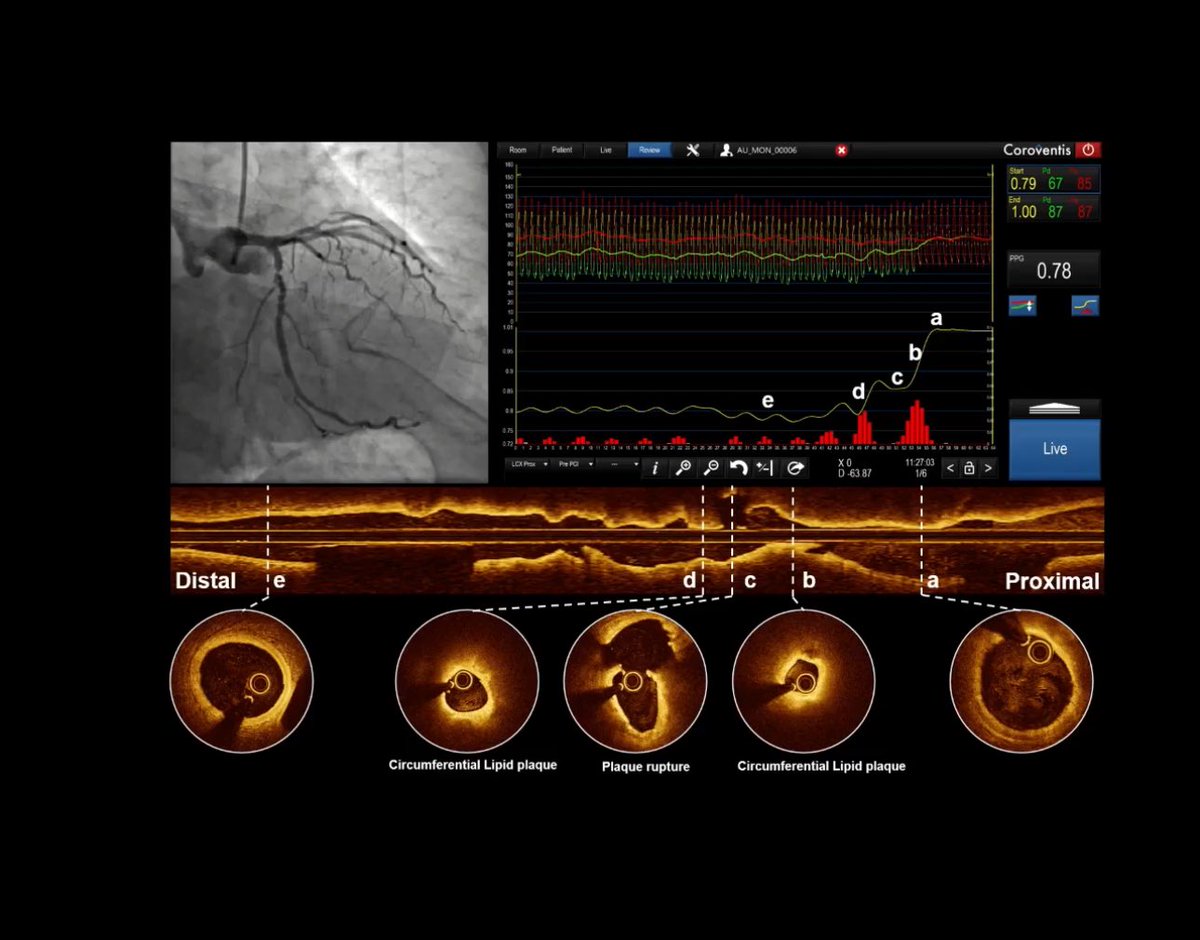
The Pullback Pressure Gradient (PPG)—a metric describing how disease is distributed along the coronary artery—may hold that key.
Our latest study, now published, explores this idea.👇
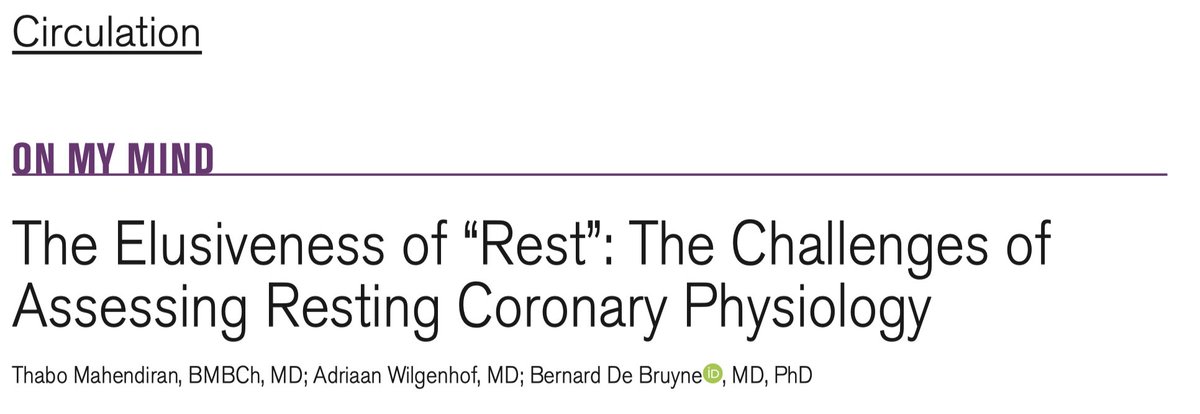
Just published in @CircAHA#OnMyMind
What is "rest"? Is a patient lying on a cathlab table truly “at rest”? Using continuous thermodilution, we show that resting coronary flow can vary significantly @BernardBruyne@awilgenh
https://t.co/4tre89ZX1h
@divaka_perera This is predominantly due to the difference in hydrostatic forces and secondarily due to the difference in volume/mass ratio between the LAD and non-LAD arteries. It is NOT due to a difference in intrinsic microvascular function.
Is PCI always the answer?
Dr Rasha Al-Lamee leads us through patient-focused insights on when physiology supports—and when it questions—revascularisation.
At the heart is understanding the impact on the patient and their wellbeing.
@CoreAalst
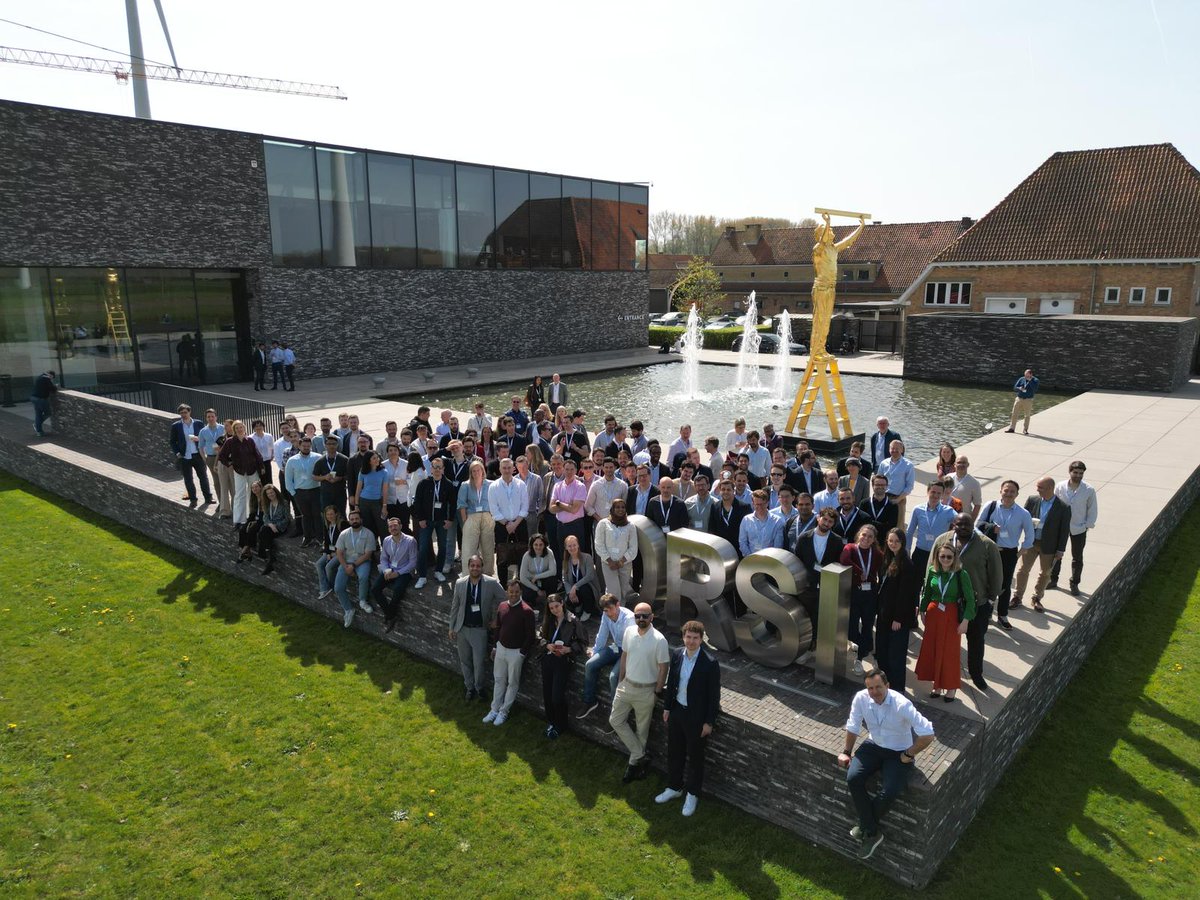
Welcome to #TPC2025 – live from ORSI Academy in Melle, Belgium! 🌍 Over the next two days, we're diving deep into coronary physiology with an all-star international faculty. Let’s get started with reflections on the core principle: treat the patient, not the indices.
@CoreAalst