I've created a blog!
The first entry is about my research regarding how Golang interacts with the Windows API and how I ended up creating the gftrace project to abuse the Go runtime.
Feedbacks are always welcome! =)
https://t.co/YqUvZuuT16
I found a vulnerability that allowed me to unlock any @Google Pixel phone without knowing the passcode. This may be my most impactful bug so far.
Google fixed the issue in the November 5, 2022 security patch. Update your devices!
https://t.co/LUwSvEMF3w
Today marks the official public release of "unblob", a firmware extraction tool we've developed internally and used in production for a while now. Let's explore what it is in this 🧵(1/12)
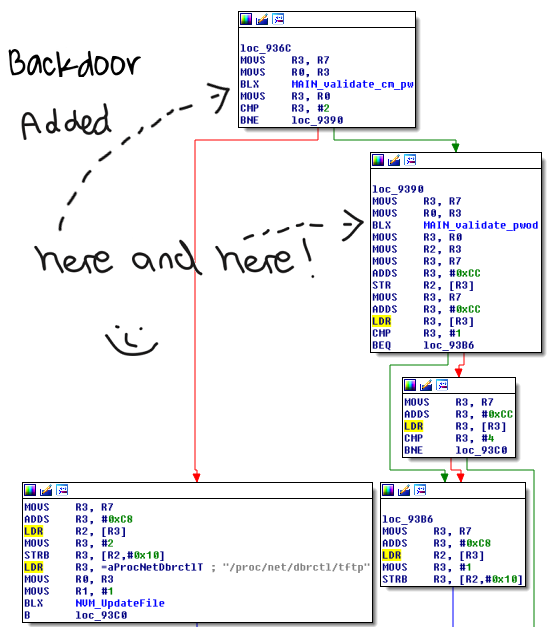
I did release a very small blogpost/exploit I wrote for a vulnerability found by @joaomatosf some years ago. Vulnerability details are on the slides (link on the post). https://t.co/JPACXTK04f
Remember those Russian SFP's that ran Linux?
I bought some, and wrote up a somewhat review, somewhat playing around post on them.
---
Ghost in the ethernet optic
https://t.co/X24XbqkBdj
@angealbertini I was playing International Superstar Soccer (SNES) co-op with a friend. I passed the ball back to the goalkeeper and we both tried to control him at the same time. Then this happened:
https://t.co/inUlo3rR0X
There is evidence that Konami reverse engineered Super Mario Bros. 3 in order to create Tiny Toon Adventures.
@upsilandre does an excellent job of presenting this in a blog post.
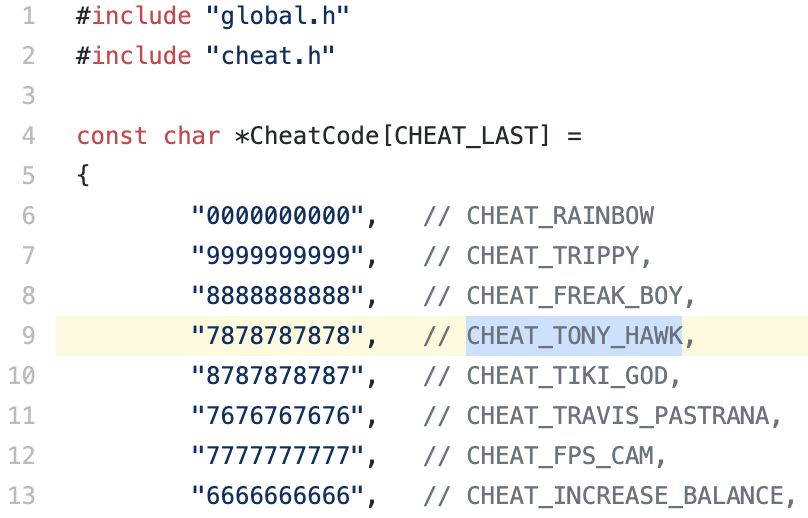
It's also interesting to see the Cheat code implementation (KS/SRC/ks/cheat.cpp).
The cheat codes for unlocking Tony Hawk had the fixed value 7878787878 while the final version used 3235559787. [3/3]
According to the release notes from ngl_version.h, the PS2 code is v1.7.6P (June 6, 2002).
@HiddenPalaceOrg released a prototype from July 30 - 2002, so the source code is likely an older version
https://t.co/xjOdV1Qebo [2/3]
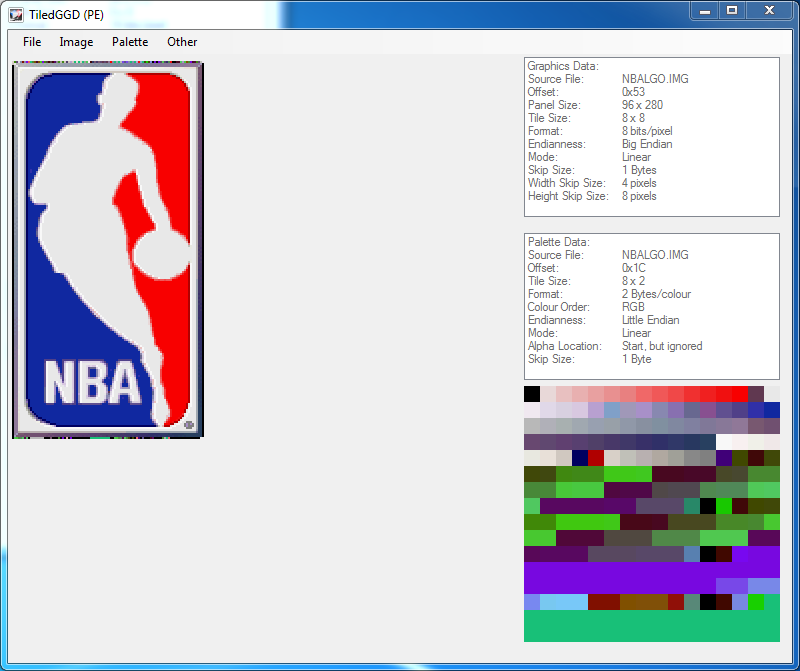
@aj_187 Palette format seems to be 2 bytes per color, Little Endian, and RGB (?). You can display the palettes on MAME using F4.
Notice that when the palettes get "blueish" (area where the image is being stored), the patterns looks more random, while the beginning is more linear.
@aj_187 I think I made some progress today. Most images have 8bits per pixel and I'm quite sure the Palette is stored in the beginning of the file (around 0x1B or 0x1C).