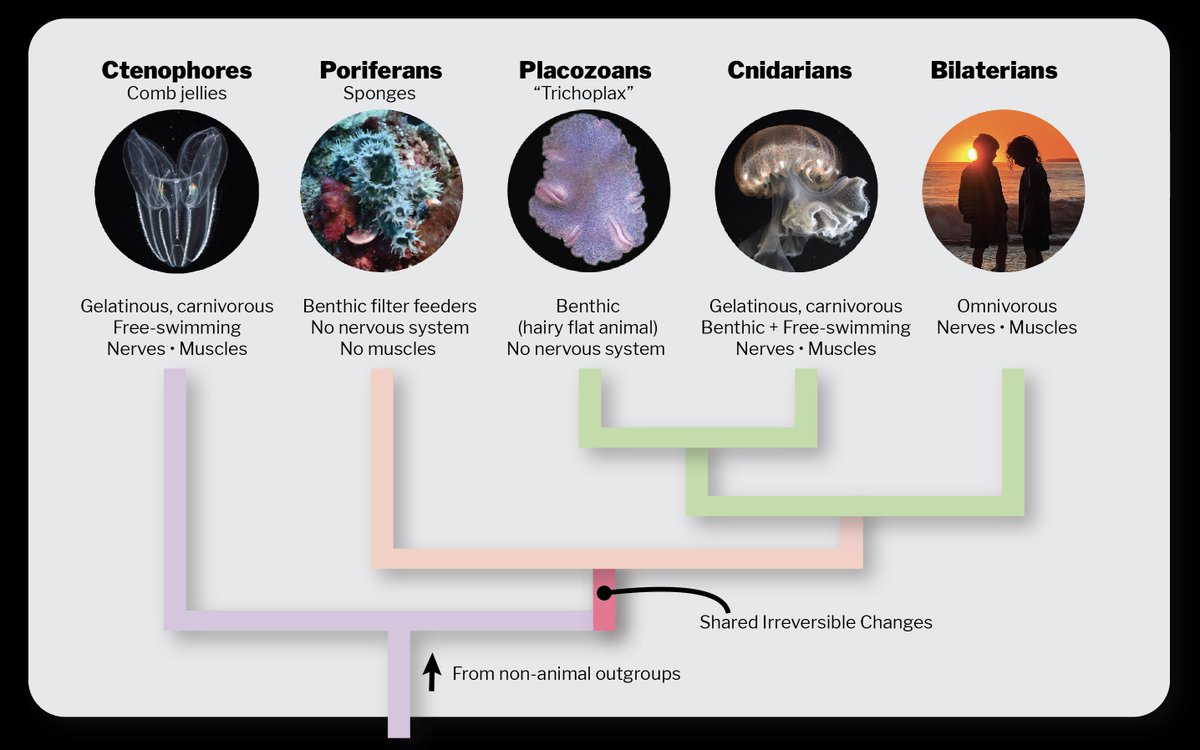
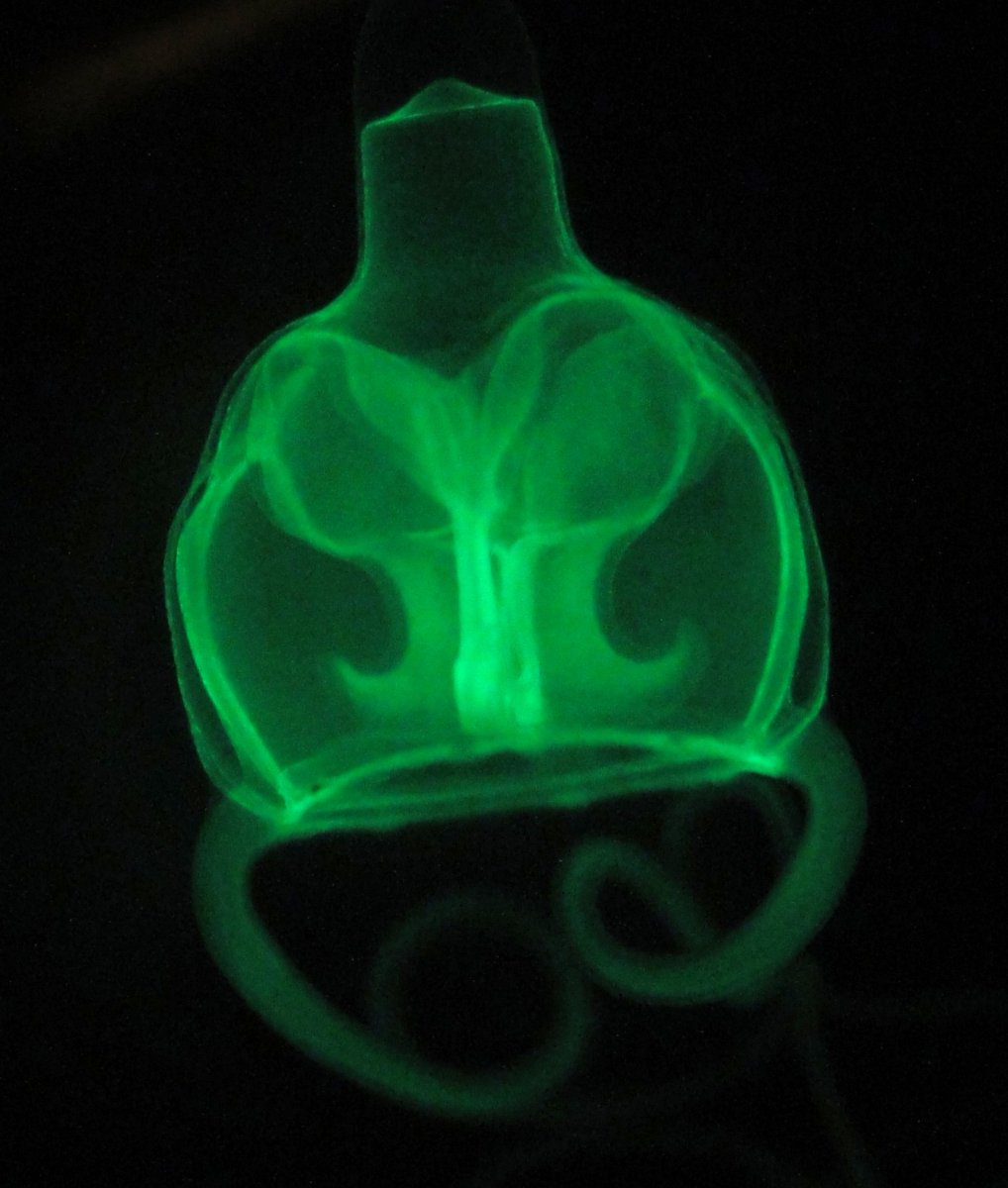
Extraordinary claims require extraordinary evidence. In our new @Nature paper, Darrin Schultz @conchoecia used the position of genes on chromosomes to show that ctenophores (comb jellies) not sponges are the sister-group to all other animals. https://t.co/LCSHC1AbRu
Our photo+science book The Radiant Sea comes out this week!
It is not quite like your typical coffee-table ocean book, and shows in the organisms in a different "light" #bioluminescent. 🌊🦑https://t.co/nkLMCRoUHU
@IgnatovPavlo There is one tiny bug in your nice twister spinner app. See below.
(https://t.co/TeMJ2TUTlg) Thanks for making it. We had several fun games using it.
Our short report on a remarkable feature of #ctenophores out now: Reverse development in the ctenophore Mnemiopsis. We show that Mnemiopsis is capable of reversal from mature lobate to early cydippid🤩. @MSarsCentre@UiB@biorxivpreprint#rejuvenation
https://t.co/EvCCYeqL20
@mikebok Not helpful! 😜 I was searching for the scientific term for the "pretty feathery water tasters", and this picture came up 8th in an google search for "mantis shrimp morphology"...
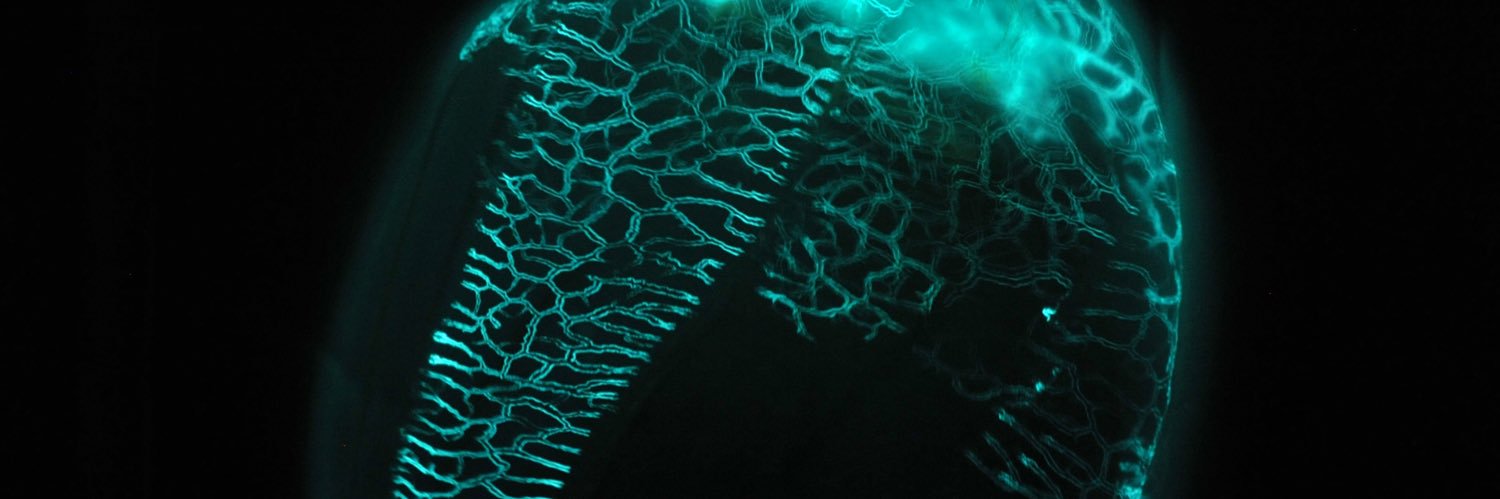
This #lipidtime story is the continuation of our collaboration with @beroe that uses #ctenophores as a powerful (and beautiful) comparative system for understanding the molecular basis for biological specialization
@me___maitree Thanks for the tag, but ... none of the BBC video shows bioluminescence. The comb plates of the ctenophores are splitting the white video light into a beautiful rainbow, but bioluminescence would be simply blue (or yellow for that Tomopteris at the end).
🐌 I guess National Snail Day is a good time to share the overwhelming diversity of pelagic gastropods we saw in the Gulf of California, Mexico, last month. We used scuba and trawls on the R/V Sally Ride, supported by NSF grants and expertise of Brad Seibel and Amy Maas.
First chapter of my PhD thesis is out in the Dunn lab @caseywdunn. Thank you to everyone who made this possible!! @conchoecia@npicciani@beroe and others!!
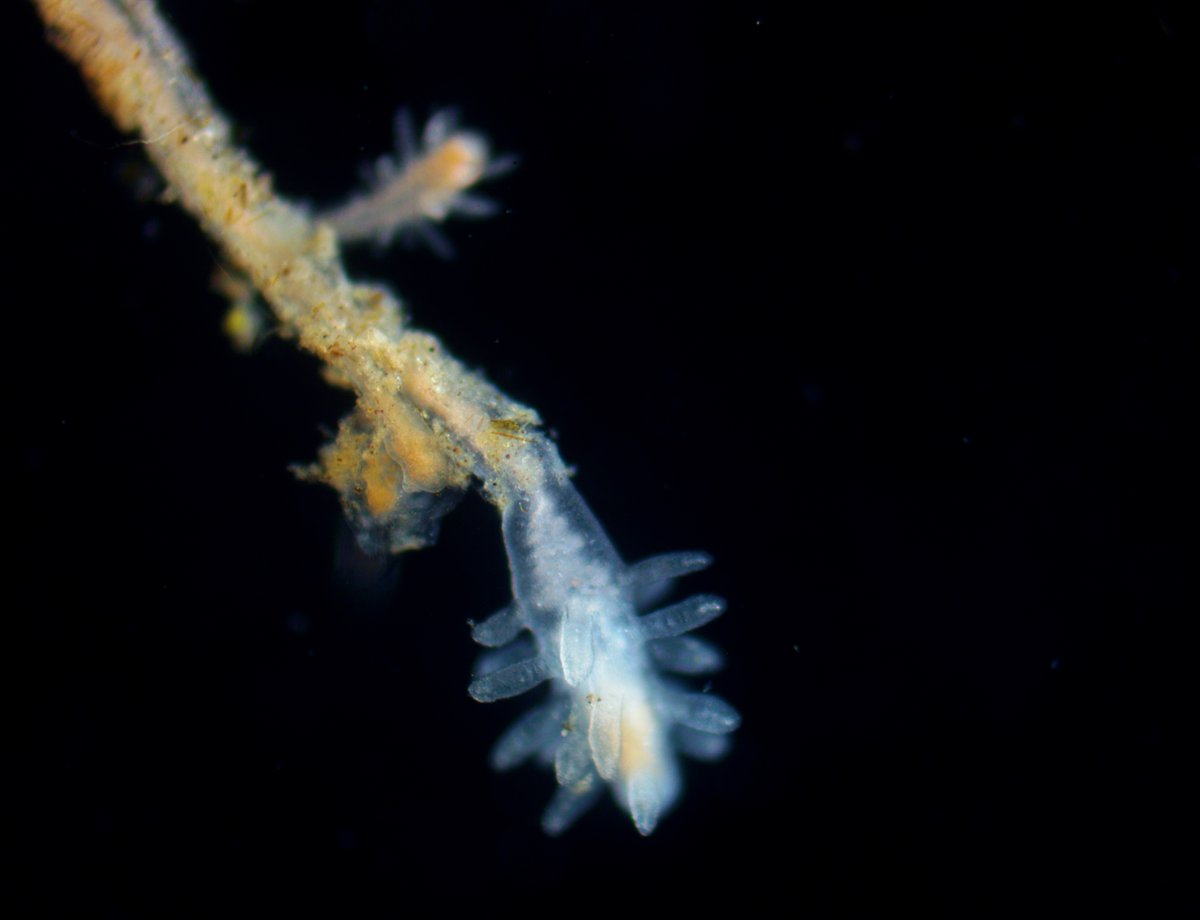
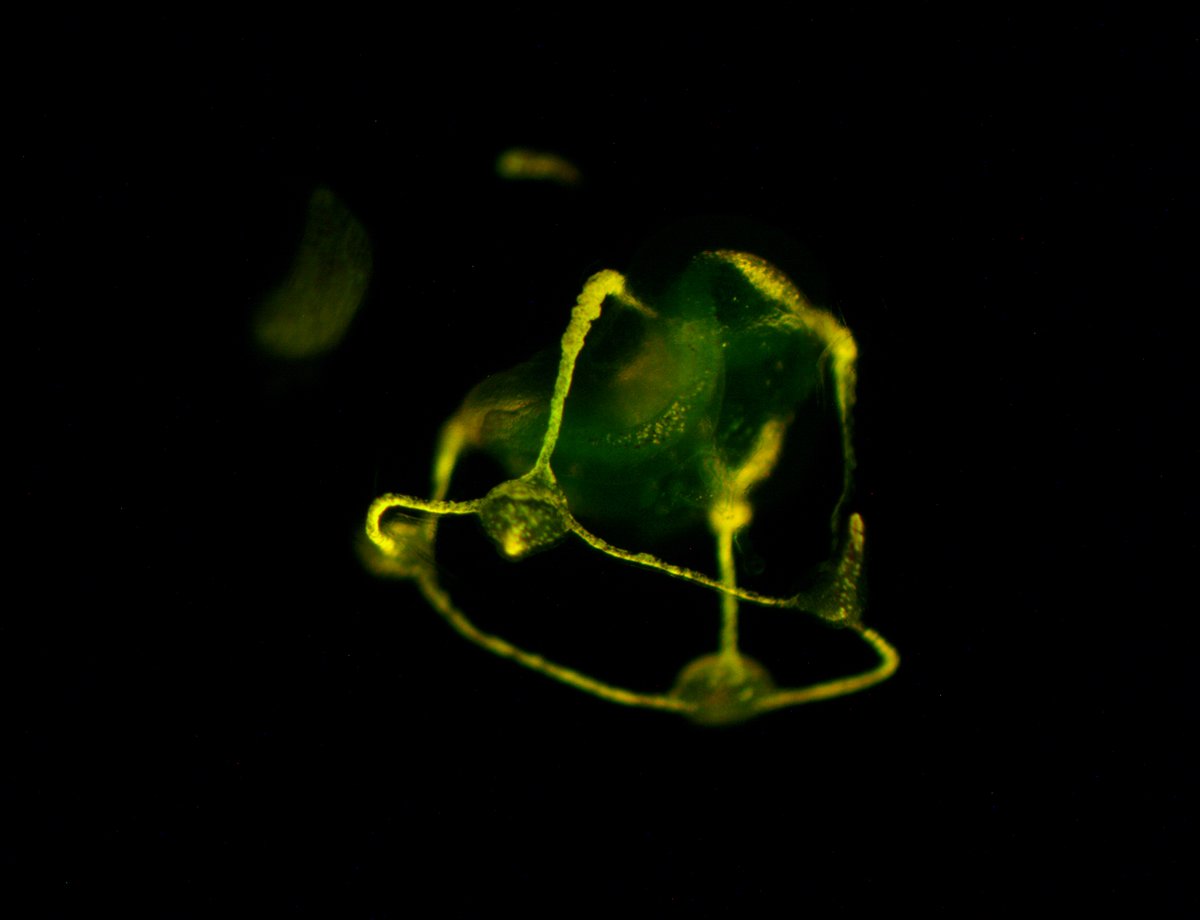
During our project work @stri_panama taxonomy course, we found that hydrozoans show diverse fluorescence patterns that can vary across life stage and species🪼Happy to see our little study out @BridgetSquidget@beroe@chipotlau@alexandeleon_
https://t.co/8cKRpN17c7
Returning to plug a new paper by me and @anelachoy in which we review life in the ocean's deep water-column. https://t.co/ZvSPgJfTnt
The editor kindly let us go over-length, but we still couldn't fit all the great research done by the deep-sea community.
@GonzalezIrusta Ok thanks! That’s helpful advice. In this particular case it is partly for the coding but mostly for the ideas about “proper” visualization strategies, like in here [1] or Tufte. https://t.co/jd5y6qER80