@rra@NASA Working on RS-25 test software at MSFC — legend status! To be honest, building a 5-year-old React project today is harder than compiling this 56-year-old FORTRAN IV 😄 My favorite find: when altitude goes negative, SSSP prints VEHICLE ATTEMPTED SUBTERRANEAN FLIGHT. Honored!
@planetdeimos That is incredibly cool. It’s a huge privilege to know that the engineers working on SLS might find this weekend project interesting. This code was decades ahead of its time, and I’m just glad to help keep that history alive. Thanks for sharing it, Sean!
@reach_espartan@NASA More detailed information and documentation can be found in the GitHub repository: https://t.co/hMZz4aE7zz. I also provided a general description of the math behind the simulator, based on my analysis of the code.
@MKortvely Wow, thanks for sharing this story! Running a simulation and knowing a shuttle is flying above you along that exact calculated trajectory is practically magic. Especially when you consider the era and the limitations engineers faced building this software.
@samuel_hayden_@macjshiggins To clarify: the "test data" is actual STS-1 telemetry from 1981 vs a theoretical 1970 model. Getting only a 5-15% delta between 1970 math and a physical flight 11 years later just proves the absolute brilliance of the engineers of that era given their limited resources.
@macjshiggins I've published all the necessary code, instructions, and experiment logs to reproduce this simulation in the public domain. If you encounter any issues reproducing it, please let me know.
https://t.co/hMZz4aE7zz
The RS-25 engines in this simulation are the same engines flying RIGHT NOW on SLS for Artemis. The code that evaluated whether the Shuttle concept would work - still gets the math right for hardware heading to the Moon.
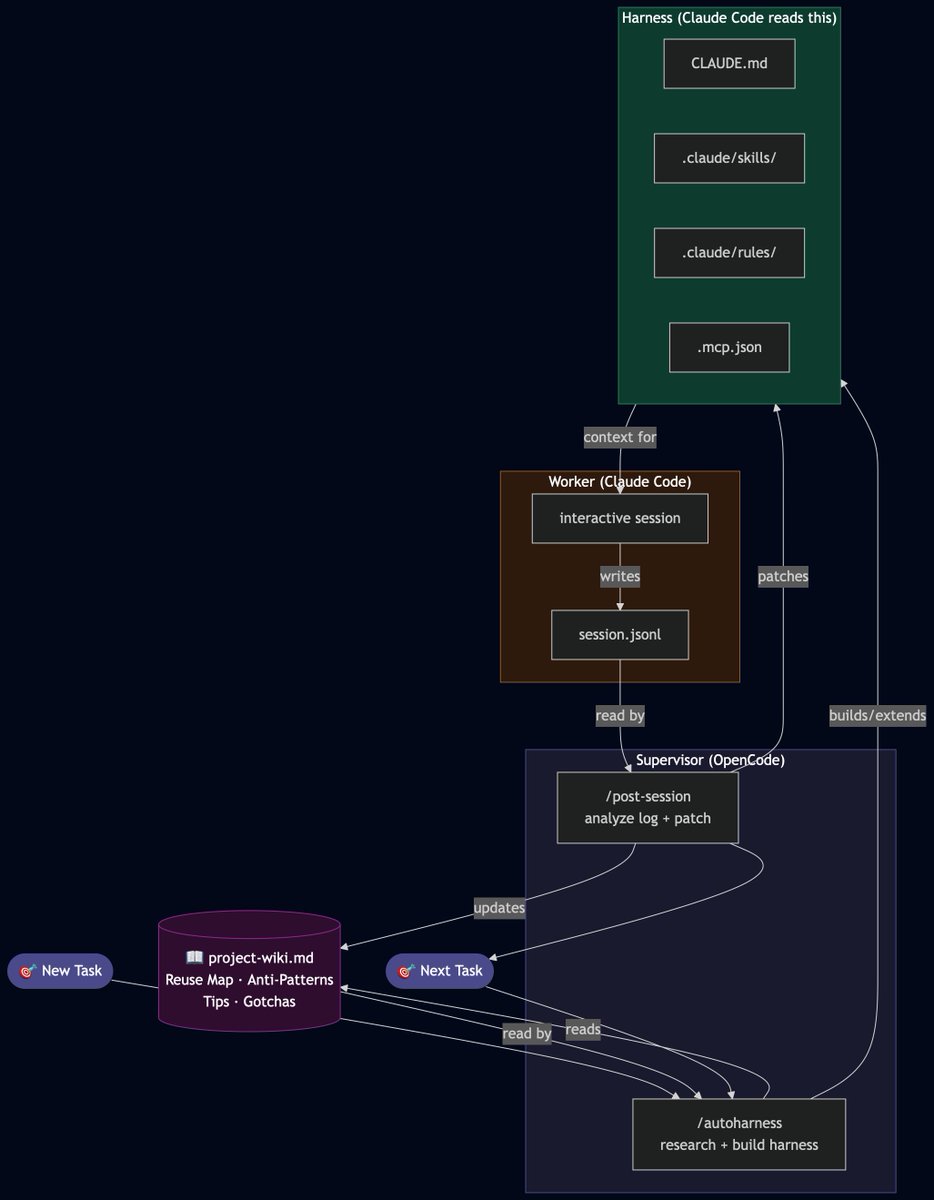
Spent a weekend vibe-coding a massive legacy codebase with Claude Code. The trick: a supervisor agent that builds a harness before each task and learns from session logs after. Blogpost: https://t.co/B4owUjsdRi
#ai#aiagents
@om_patel5 There is similar project (AI agent for full stack mobile app development, with extended QA capabilities including UI tests on emulator and real devices): https://t.co/I776xXPsyJ
I wrote blogpost about how my QA Engoneer works: https://t.co/P58RmZSj43
AI can write apps and tests. But who actually opens the app and taps the buttons?
I built a QA agent that tests UI promises, not code. It taps through the app on a simulator, reads screenshots, and catches bugs unit tests can't see.
Blogpost: https://t.co/P58RmZSQTB
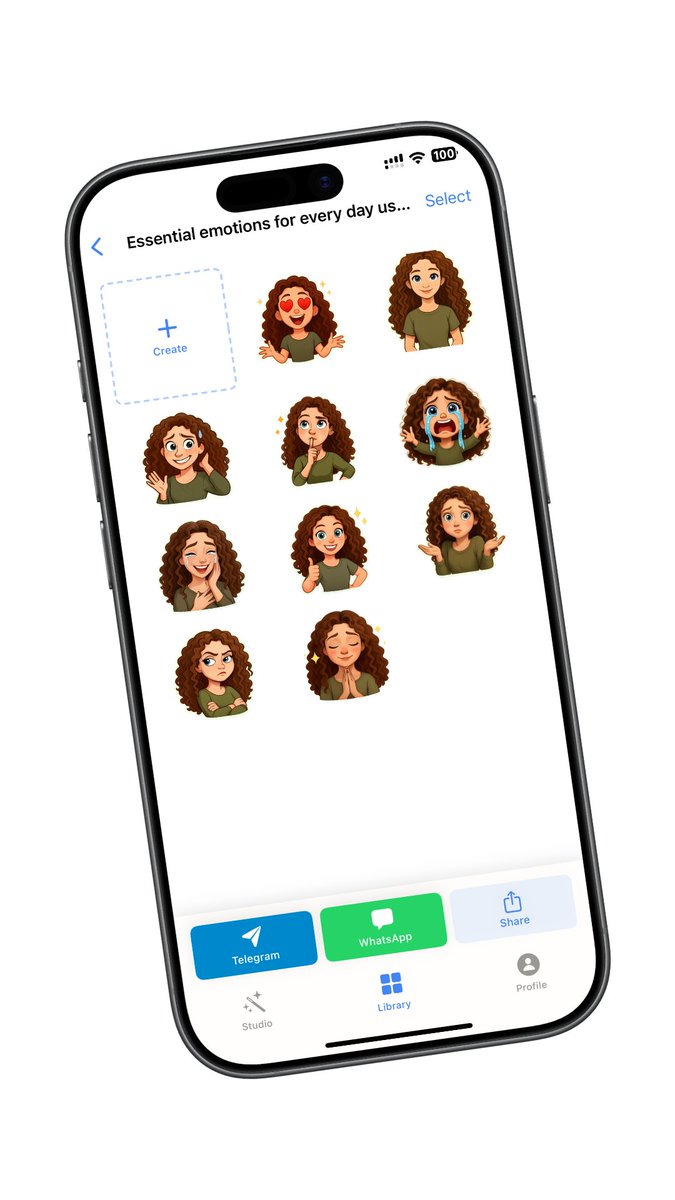
Open-sourcing my local alternative to @rork. Been using it to ship production apps.
Etnamute — AI mobile developer on top of @claude_code . Idea → interview → market research → build with QA → App Store deploy.
No framework, no extra subscription.
https://t.co/Qf8y2WO8oP