I am thrilled to announce another new publication for this year!
This qualitative thematic analysis provides recommendations for the use of conservation detection dog in seabird research.
https://t.co/JRZpnHYeRr…
The second paper from our lab group has just been published. If you are interested in using detection dogs for conservation, specifically for #seabird conservation then you definitely have to give this a read.
https://t.co/WtHgy4Ynvo
🌊 New in SEABIRD 36 (Early Release) 🌊
Beth McKeague, Caroline Finlay & colleagues:
'Recommendations for the use of conservation detection dogs in #seabird research: a thematic analysis'
#SeabirdJournal
https://t.co/aBa3ia00J6
📷: Jacob González-Solís
Check out the fantastic film created by @swimming_head and funded by the @MarineInst talking more about the paper on our website https://t.co/VZuKt4U4mu.
I really love conservation dogs. But there is a lot of variation in their performance. It's often unclear where that variation comes from - pubs don't include enough details. @CarMFin, Beth McKeague, and Nicola Rooney tackle this in a FABULOUS new pub.
https://t.co/mvKho9rTAM
I am thrilled to announce a new publication alongside Dr Caroline Finlay @CarMFin and Dr Nicola Rooney @BristolUni!
This literature review examines the efficacy rates and methodologies within conservation detection dog studies.
https://t.co/tgW2KwuLry
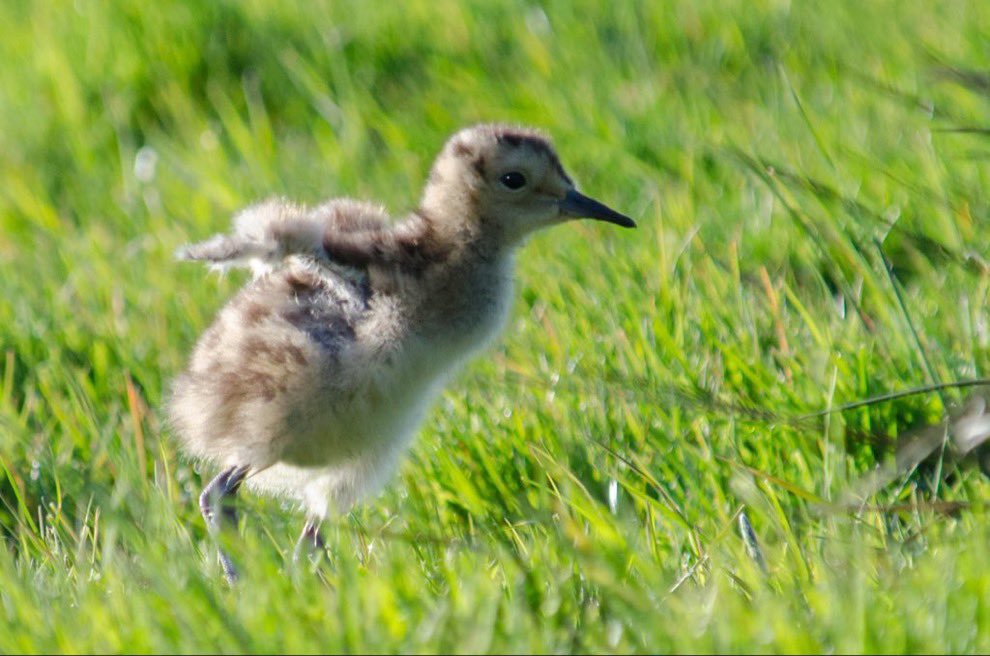
All three conservation detection dog posters are now sent to the printers! See you at the poster session on Thursday! #BES2023 I'll be representing everything #curlew detection, @KerriganPatrice will be available to talk #seabirds and @bethmckeague has a fantastic review paper!
@murray_aisling Hey! I'm an early career researcher and I'm always eager to learn and gain new experiences, so if you ever need a hand in an area I'm suitable for, please feel free to reach out 😊
Congratulations to the very soon-to-be Dr @EmmaDelemere on her latest publication which explores the needs and challenges of families impacted by paediatric cancer.
Thanks also to @IsaiahGitonga@AdvanceCrt@MUpsychdept
https://t.co/QtWHf34TBQ
*We completed our first set of curlew nest detection trials with some really interesting results. This was a brilliant collaboration between ourselves, @bethmckeague and @mstinson1871 at Erne Environmental. Big thank you to those who helped collect curlew odour as well!
*We spoke at two conferences (nearly 3 but COVID scuppered one of them). Thank you to @kryus & @BTO_NIreland for inviting us to talk about our work. Both @bethmckeague & @KerriganPatrice represented us with posters as well!
*We submitted two papers for publication (with another nearly ready for submission). Thank you to all the co-authors, especially @bethmckeague who was the first author on all the papers. I have been extremely lucky with my placement students and this year was no exception.
"results challenge historical accounts of autism by showing that the differences seen in autism can also have beneficial effects for social behaviour and prosociality"
https://t.co/aTmoFdPfnq
Results just published. Irish breeding curlews on the way out, now down to 105 pairs across whole country. In the 1980’s there were over 5000 pairs. They have just gone from County Cork. Heartbreaking regional extinction on our watch #cop15@BBCNews @npwsBioData @CurlewAction
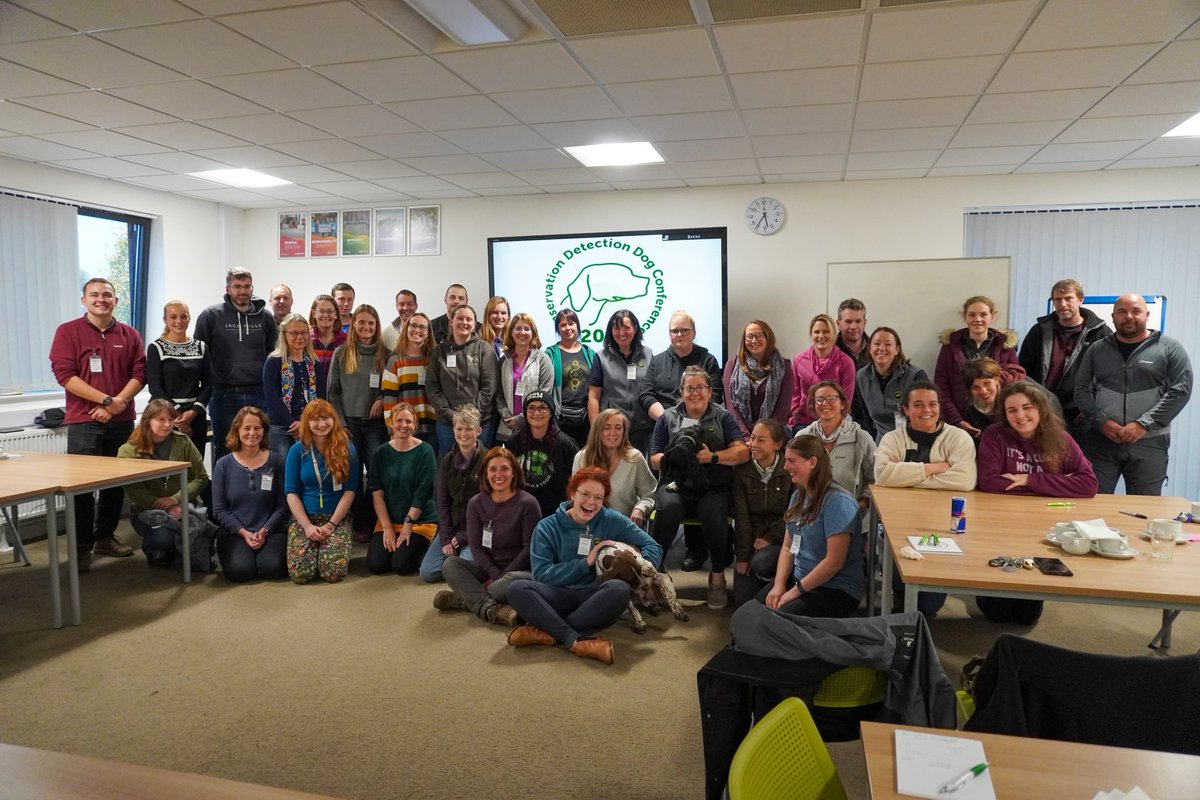
We have had an absolutely amazing weekend! 🎉
I was really chuffed to be asked to speak about our work at the Conservation Detection Dog Conference.
A recording of my talk will be available soon. Watch this space!
Co-authors of the seabird qualitative paper, please check your email spam folders! The final draft has been sent to you for approval before we send it in for review. Thanks!
One more week before our first paper this year is submitted 🤞
We will hopefully publish the full set of results, but we will definitely have a poster at the Conservation Detection Dog Conference in October so come along to ask us all your questions then!
Well done @bethmckeague on designing the trials!