So happy to see the final chapter from my PhD published in NAR! We used our yeast BIR system to investigate mutagenic ssDNA formed during BIR synthesis in the context of APOBEC-inflicted DNA damage and DNA hairpin-forming inverted repeat sequence. 1/4
https://t.co/JFUzP2Ini8
Check out our latest pre-print: we show that the LINE-1 retrotransposon is a potent source of chromosomal rearrangements and instability in addition to insertional mutagenesis using shotgun and long-read WGS.
@KathleenHBurns@JenniferAKarlow
https://t.co/Bu5cod9vbc
Grad students and postdocs!!
Please join us at the 2025 @GordonConf
GRS on Mammalian DNA Repair on Feb 1-2 with @LabLegube as our keynote speaker!
Talks selected from submitted abstracts
Register here: https://t.co/onutGLpBfA
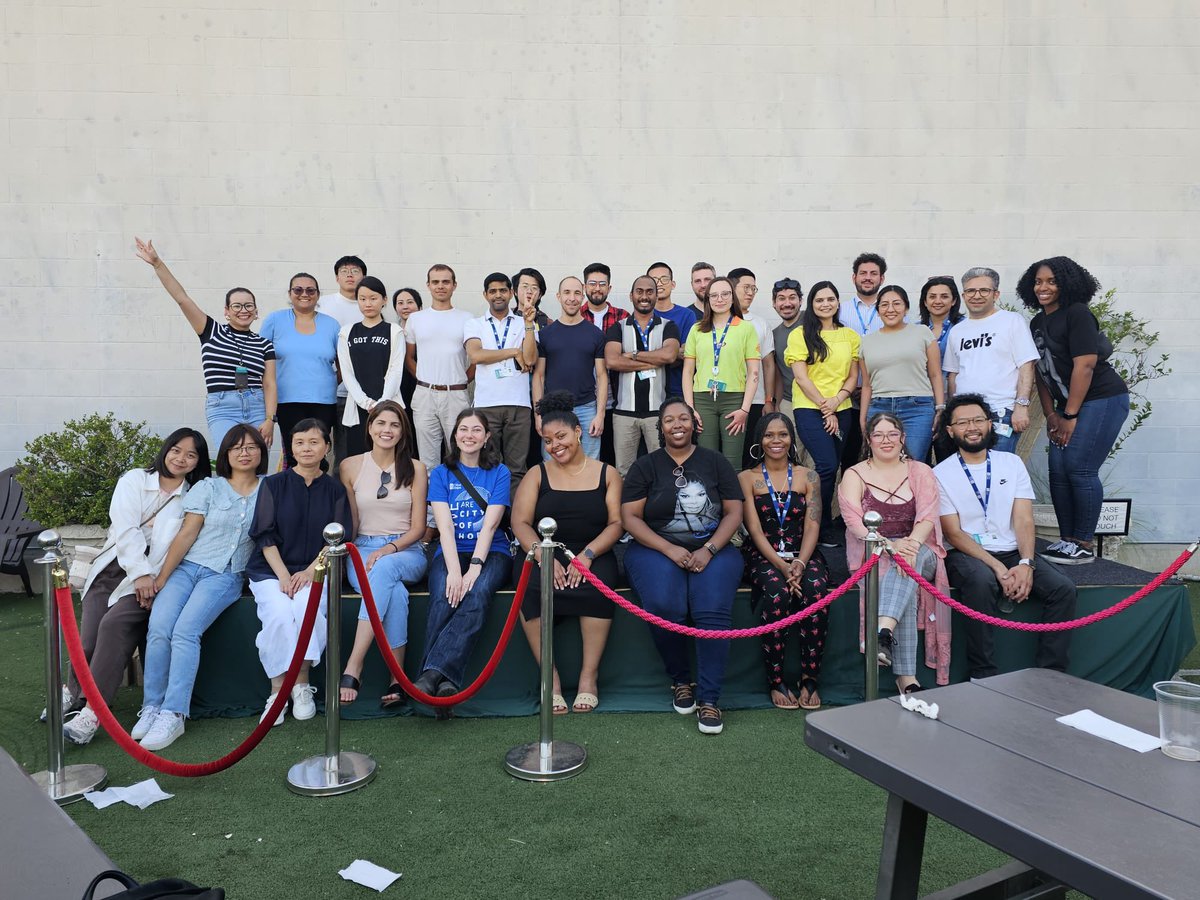
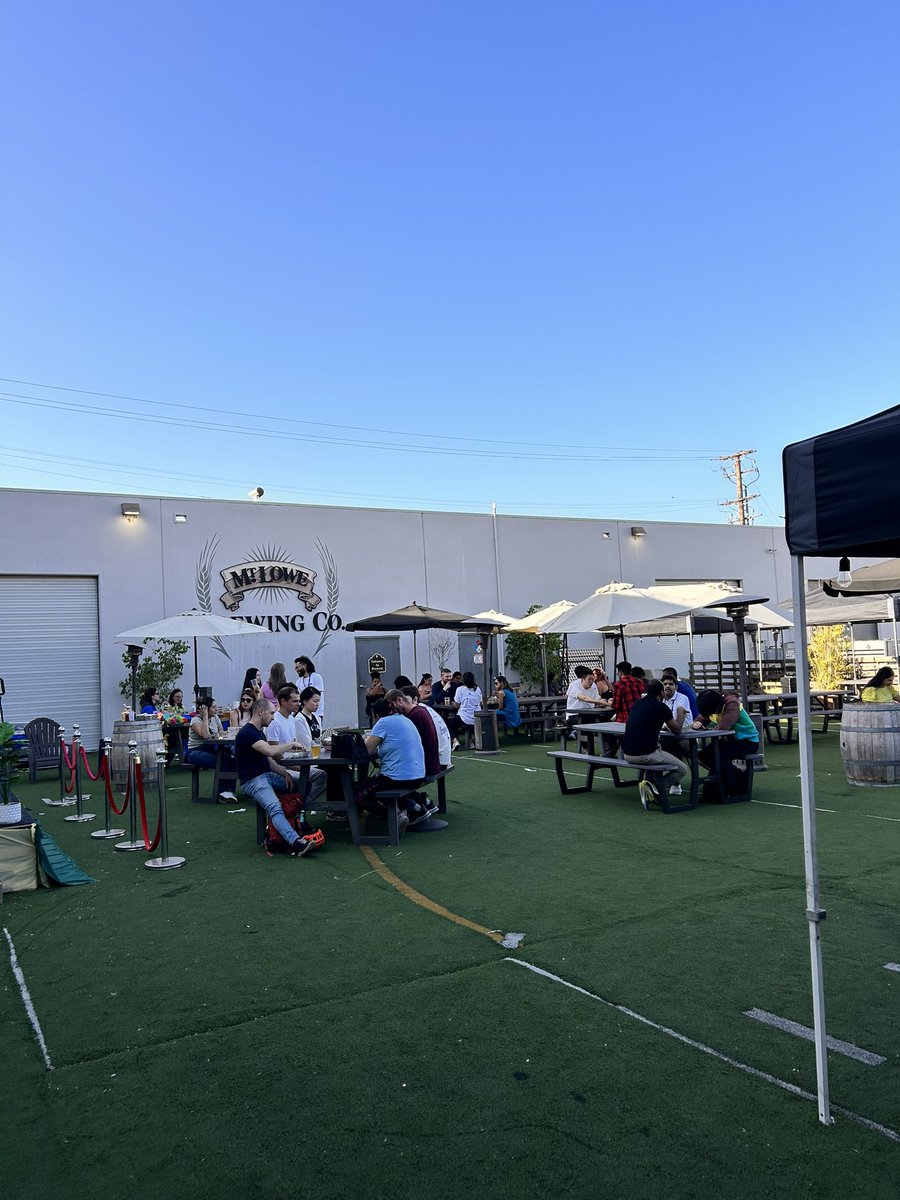
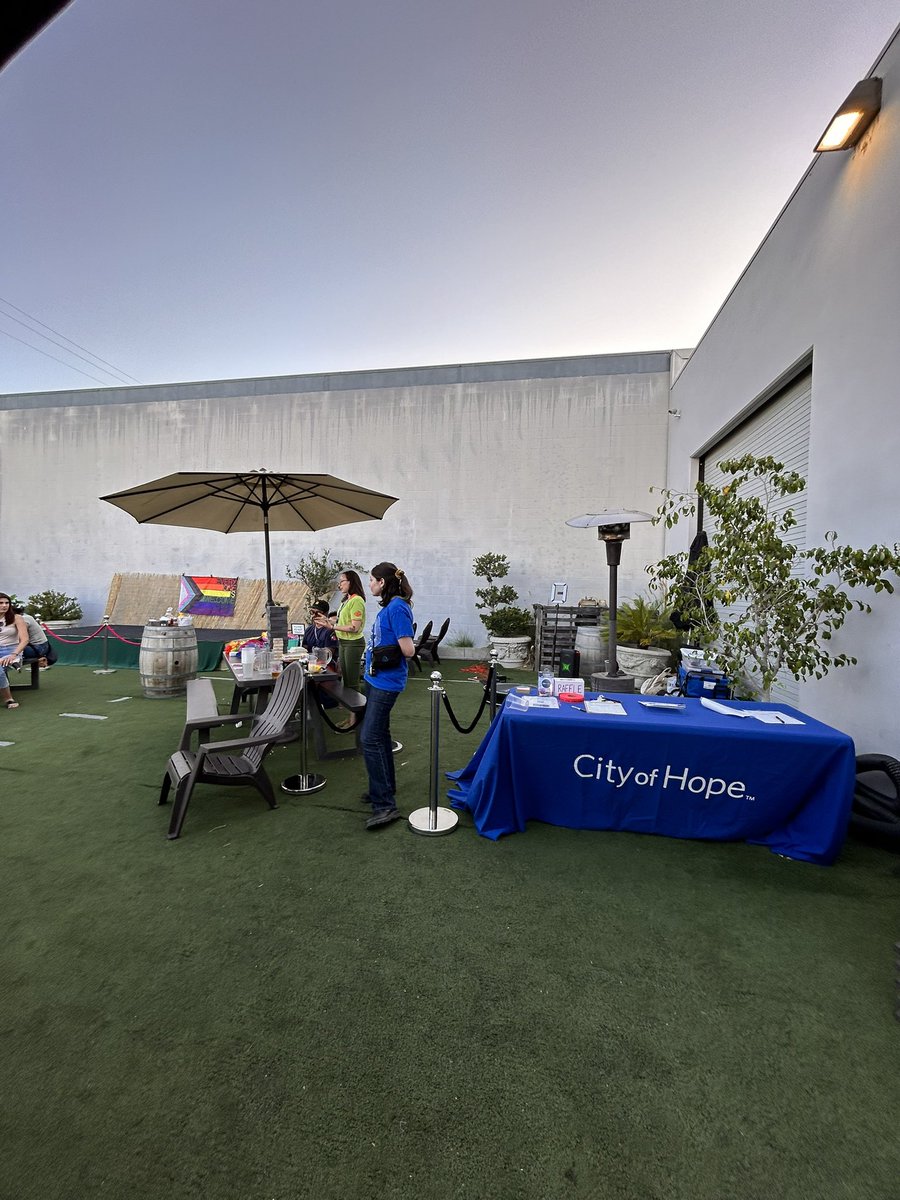
Our first Postdoctoral Association (PDA) Happy Hour event was a total success thanks to all the postdocs, staff scientists, grad students and some @cityofhope research community members who joined us. 🙌
Stay tuned for our next event!
#pda_coh#postdoclife#coh
Now online! APOBEC3A and APOBEC3B drive distinct mutational landscapes in tumors. We showed how A3A and A3B substrate preferences for different hairpin structures can be exploited to identify patients' tumors with mutations caused by either A3A or A3B. https://t.co/0gXTk3eYgL
A monumental work by many in my lab and @PCF_uiowa , and another wonderful collaboration with @PietroPichierri and his team!
A double-ring of human RAD52 remodels replication forks restricting fork reversal https://t.co/2f5mFSyZhd
@MortezaaliRazza@n_schnicker@LokeshGakhar
All the major public #genomics databases have intentionally falsified data in them but researchers either don’t care, don’t think it will affect them, or don’t believe genomic misinformation is a problem.
Happy to share our newest paper by @anastasiamhale and @Ashna_Dh in @NatureComms : "Multi-step processing of replication stress-derived nascent strand DNA gaps by MRE11 and EXO1 nucleases". https://t.co/yPrN3WdXu1
A second example of a DDR factor that associates with Okazaki fragment. 53BP1 interacts with the RNA primer from Okazaki fragments to support their processing during unperturbed DNA replication https://t.co/xXPAPZEXyl
Glad to share our latest work published in @NatureComms, where we we discover the existence of evolutionary signatures of cancer characterizing patients with similar prognosis and study their implications for predicting cancer progression and outcomes.
https://t.co/noimK0LJZJ
Antibody technologies are evolving. So is #DSHB. For almost 40 years, it’s been our mission to preserve and reliably reproduce essential reagents at accessible prices. To better serve the research community, we’re making some changes. We hope you’ll grow with us. 🧫
Over the moon! Thank you to the @SACNAS Leadership Initiative Subcommittee and the Postdoc Leadership Institute (PLI) for selecting my application.
Ready to polish and develop skills to be the best leader in my field. 🤨💪🏼
#2023NDiSTEM