Turning plastic waste into chemicals and energy. ♻️⚡️
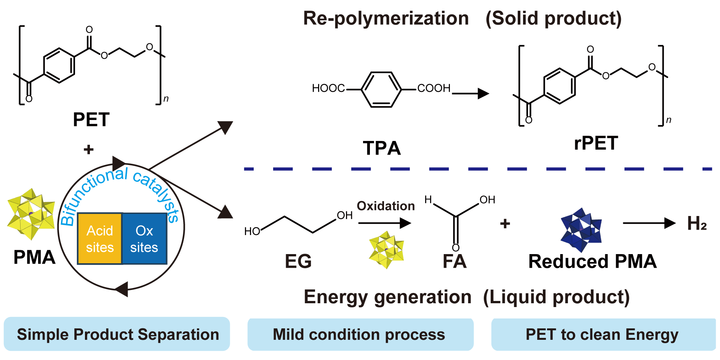
We report a mild PET depolymerization strategy using multifunctional polyoxometalate catalysts, enabling high-purity TPA recovery and simultaneous H₂/electricity generation. Just published online.
https://t.co/Kw14jIKZjo #PlasticRecycling #CircularEconomy #Hydrogen #Electrochemistry
🔬 New paper accepted in J. Mater. Chem. A!
We report a metal tungstate OER catalyst where the oxidation cycle is shifted from surface Co to subsurface W⁵⁺/W⁶⁺.
✔ Lower overpotential
✔ Suppressed surface degradation
✔ Subsurface redox engineering as a new design paradigm
https://t.co/3OqxF2xcqM
#OER #Electrocatalysis #Tungstate #EnergyMaterials
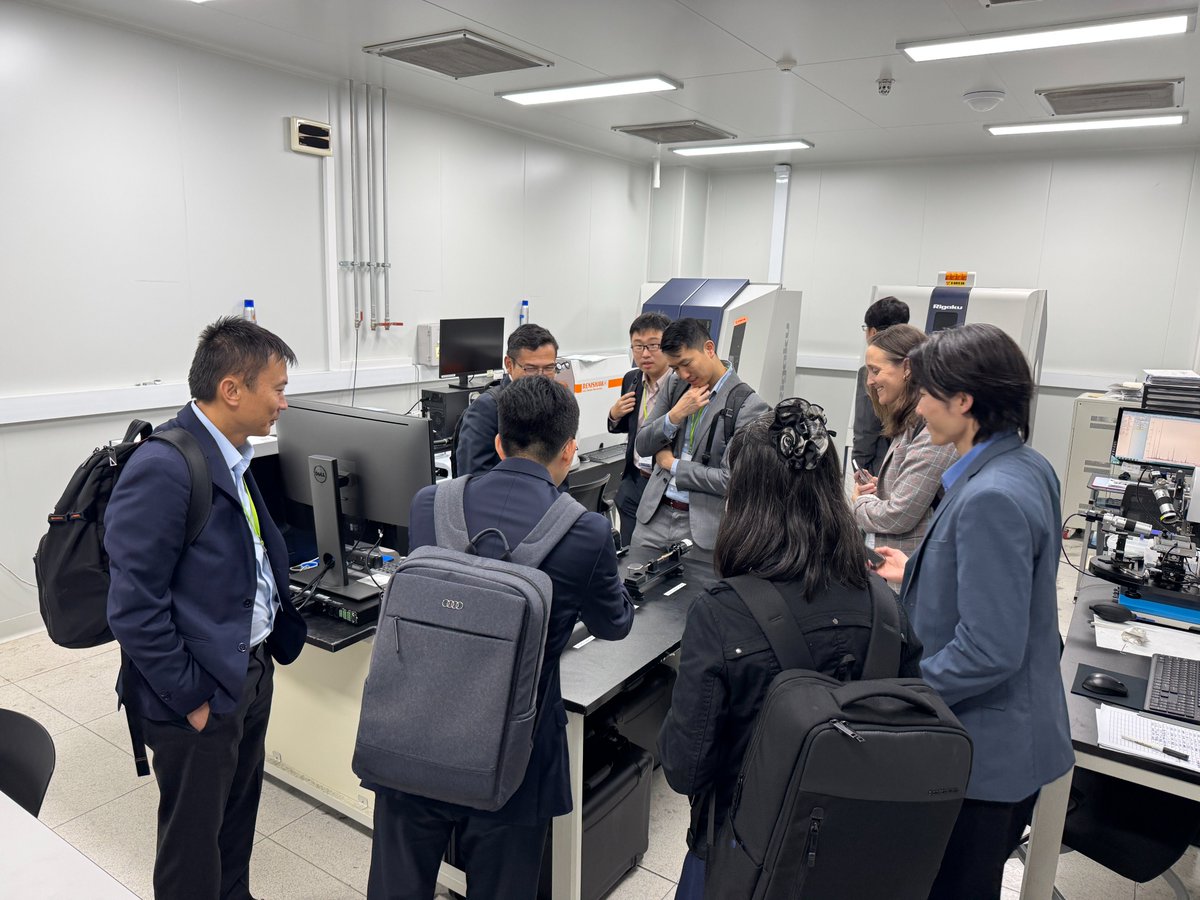
🎉 The UNIST Electrochemistry Pioneer Symposium 2025 was successfully concluded!
We gathered leading researchers in rechargeable batteries, electrocatalysis, electrochemical systems, and energy materials for inspiring and forward-looking discussions.
Huge thanks to all speakers, participants, the organizing committee (especially Prof. Hyun-Wook Lee @HWLee_UNIST ), staff, and our sponsors—EES Catalysis (RSC), Samsung SDI, InnoCORE, BK21, and NRF programs.
See you again next year!
#Electrochemistry #EnergyConversion #Catalysis #Sustainability #UNIST #Symposium2025
Thrilled to share our new study in Advanced Science ✨
in collaboration with @DWoogLee. A simple PTFE spray on Ni foam enables anisotropically wettable porous transport layers for directing gas–liquid flow in water electrolyzers 💧⚡🔗 https://t.co/MQFJk9VyHC
⚡ The 1st UNIST Electrochemistry Pioneers Symposium 2025 / 📅 Nov 13–14 /📍 UNIST, Ulsan, Korea. World-leading researchers from Stanford, Princeton, Georgia Tech, UC San Diego, UT Austin & UNIST will gather to discuss innovation in electrochemistry. #Electrochemistry #EnergyConversion #UNIST #Symposium
This work highlights the power of block copolymer self-assembly to fabricate ultrafine bimetallic nanodot arrays, enabling highly efficient, low-mass-loading hydrogen evolution catalysts. Grateful to be part of this effort led by Prof. So Youn Kim at SNU.
https://t.co/aK4vd9SWtD
UNIST InnoCORE 지능형 수소기술 혁신연구단에서 포스닥 연구원 (InnoCORE Fellow)을 모집합니다! AI 기반 수소 기술의 글로벌 패권 확보를 위한 미래형 융합 인재를 찾습니다.
* 모집 분야 (총 50명)
- AI 기반 자율 실험 연구실: DFT, MD, AI/ML, 유/무기 소재, 자동화 등
- AI-디지털 트윈 공정 설계: 디지털 트윈, 시스템 설계, 공정 해석 등
- 수소 생산: 전기화학 촉매, 광촉매, 수전해, 수소 생성 전환 기술 등
- 수소 저장 및 활용: 기계화학, 수소화반응, LOHC 기술 등
* 근무 조건
- 연봉: 9천만 원 이상 (4대 보험 포함)
- 근무지: UNIST 또는 KAIST, GIST, DGIST, POSTECH, SNU
- 임용 예정일: 2025년 7월 이후
- 숙소 우선 제공, 최첨단 장비 지원, 다중 멘토링, 글로벌 공동연구 등 파격 지원
* 지원 자격
- 박사학위 취득 후 5년 이내 (또는 2025년 8월 취득 예정자)
- 제출서류: 참여의향서(온라인), CV, 연구계획서, 추천서
* 모집 일정
- 6/19~6/30: 참여의향서 접수
- 6/19~7/3: 이력서, 연구계획서, 추천서 제출
- 7/1~7/3: 후보자 선정
- 7/4~7/11: 온라인 인터뷰
- 7/22: 최종 선발 및 임용 절차 진행
- 지원 및 문의: [email protected]
- 자세한 정보는 리플렛 이미지 및 홈페이지 참고
- 홈페이지: https://t.co/IPgK0RiMAR
#포스닥 #인공지능 #수소경제 #InnoCORE #UNIST #AIxHydrogen #연구원모집 #Postdoc #AI혁신
Join UNIST InnoCORE as a Postdoctoral Fellow and help revolutionize the future of AI-driven hydrogen technologies.
* About InnoCORE
UNIST InnoCORE is leading a large-scale national initiative to advance AI-powered, full-cycle hydrogen innovation — spanning material design, production, storage, utilization, and process-level AI integration.
* Recruitment Fields (50 Fellows)
- AI-Self Driving Lab R&D: AI/ML, DFT, MD, organic/inorganic materials, experimental automation
- AI-Digital Twin Process Engineering: process analysis, system engineering, optimization
- H2 Production: electrochemical catalysts, photocatalysts, electrolyzers, water splitting
- H2 Storage & Utilization: mechanochemistry, hydrogenation, LOHC technologies
* Position Details
- Annual Salary: KRW 90M+ (incl. benefits)
- Start Date: July 2025 or later
- Workplace: UNIST or affiliated institutions (KAIST, GIST, DGIST, POSTECH, SNU)
- Benefits: Researcher housing, multi-mentoring, global collaboration, advanced equipment access
* Eligibility & Documents
- Ph.D. within 5 years (or expected by August 2025)
- Documents: Letter of Intent (online), CV, Research Plan, Recommendation Letter (by email)
* Recruitment Schedule
- Jun 19–30: Submit Letter of Intent
- Jun 19–Jul 3: Submit CV, Research Plan, and Letters
- Jul 1–3: Candidate nomination
- Jul 4–11: Online interviews
- Jul 22: Final selection & appointment
- Contact & Submission: [email protected]
- More info in the leaflet below or visit our homepage
- Homepage: https://t.co/IPgK0RiMAR
#PostdocOpportunity #HydrogenInnovation #AIResearch #InnoCORE #UNIST #FutureEnergy #DigitalTwin #AIxH2 #PostdoctoralFellowship #ScienceJobs
Huge congrats to Soi and Seokhyeon on their successful M.S. defenses! The committees found their work fascinating—can’t wait to share the results soon. 🎉
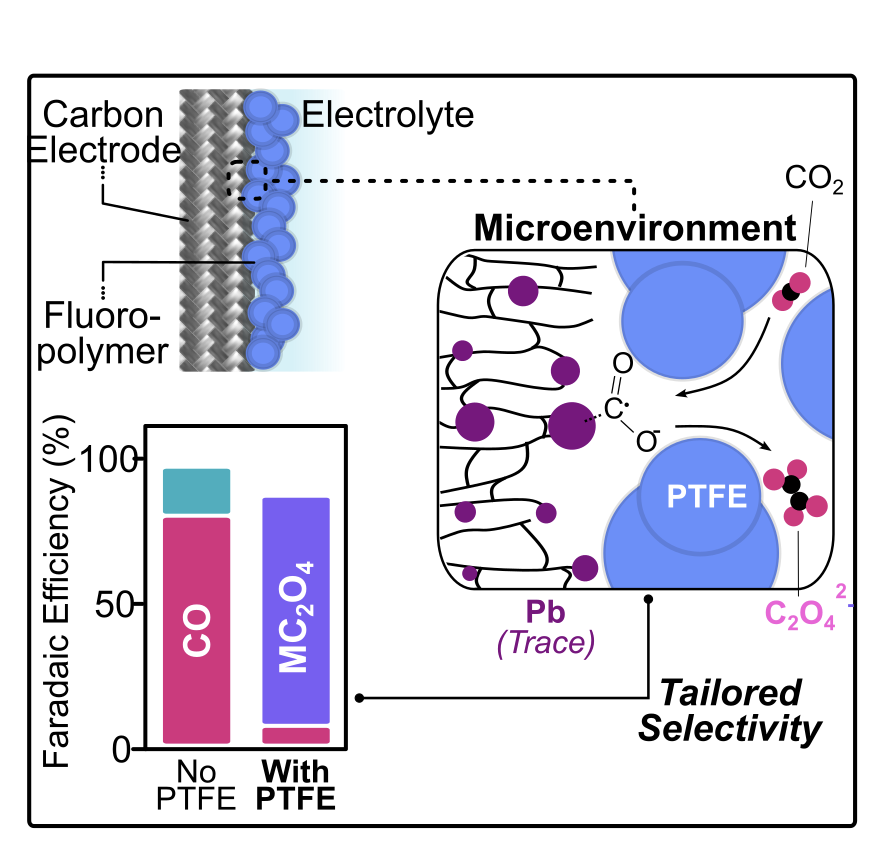
Our Advanced Energy Materials @AdvPortfolio story is available! Led by @BrowerRowan & our 4C team @doescience. We've unlocked new CO₂→Metal oxalate pathways! Grateful to the Neumann @UCDChem and Alexandrova Labs @uclachem as well as the @McCroryLab🚀https://t.co/pGWV0H0Xys
🚀 Our new paper in Int. J. Biol. Macromol.: Electrocatalytic lignin depolymerization yields phenolic monomers that engineered 🦠 P. putida KT2440 efficiently funnels into 2-pyrone-4,6-dicarboxylic acid (PDC)—a versatile bioplastic building block. ♻️ https://t.co/lWsaoJxlA7
🎉📄 Thrilled to share our new open-access Advanced Materials paper on selective methanol electrosynthesis using Cu/Cu₂P₂O₇ nanocomposite catalysts! We demonstrate that CO₂ can be converted to methanol via an unconventional formate pathway. 🧪⚡️https://t.co/vg6pOJx6jb
Commentary on our Recent Work on PEI/TiO2 Hybrid Film as a Hole-Selective Protective Coating for Stable Solar Water Oxidation
Solar water splitting has long captivated researchers, as it offers the potential to produce versatile hydrogen without external energy input. However, this goal remains challenging, as evidenced by the extensive research on the topic since the pioneering work of Honda and Fujishima in 1972. In particular, metal oxide semiconductors like BiVO4 and Fe2O3 have garnered significant attention for solar water oxidation due to their elemental abundance, relatively small bandgap, and perceived stability. Despite considerable advances in enhancing the efficiency of solar water oxidation with these oxide photoelectrodes, their stability under oxidative conditions has proven problematic, dispelling the initial perception that oxide materials would remain stable in such harsh environments.
Researchers have explored various strategies to address these stability issues, finding that modifying oxide photoanodes with inherently stable TiO2 is one of the most effective approaches. However, TiO2, as a naturally n-type semiconductor with a deep-lying valence band, is not ideal for photoanodes since it obstructs hole transport, which is essential for water oxidation. Some studies suggest that ultra-thin, nanometer-scale TiO2 films can enhance stability while allowing hole transport via defect states or tunneling. Nevertheless, it is practically difficult to avoid pinholes in such thin films, which can limit stability. Consequently, thicker TiO2 films are needed as protective coatings, but these tend to be unsuitable for oxide photoanodes due to significant energy-level mismatches.
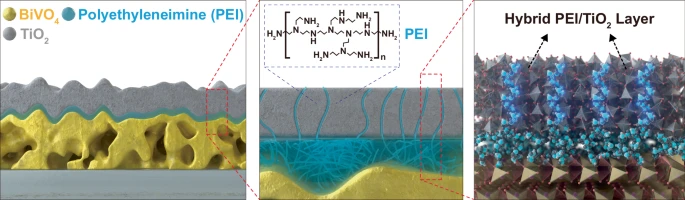
In this study, Dr. Sanghyun Bae proposed using a hybrid film composed of TiO2 and an amine-rich polymer as a protective coating layer for oxide photoanodes in solar water oxidation. When hybridized, amine-rich polyethyleneimine introduces sufficient defect states even in thicker TiO2 layers, allowing for improvements in both the performance and stability of various oxide semiconductors. Further technical details are available in our paper, which is freely accessible:
- Title: A hole-selective hybrid TiO2 layer for stable and low-cost photoanodes in solar water oxidation
- Citation: Nature Communications, 2024, 15, 9439. - Link: https://t.co/n0uvSOaFkd
Dr. Sanghyun Bae initiated this work during his Ph.D. studies in my group and while visiting Prof. David Tilley’s group at the University of Zurich; he completed it as a postdoctoral researcher in Prof. Tilley's group. I am delighted to have been involved in this excellent work, thanks to Dr. Bae and Prof. Tilley.
📢 We’re excited to share our latest work: “A hole-selective hybrid TiO2 layer for stable and low-cost photoanodes in solar water oxidation.” Discover how this innovative approach enhances stability and reduces costs for solar-driven water-splitting. https://t.co/n0uvSOa7uF #Solar #WaterSplitting
Looking forward to sharing my thoughts on 'Tailoring wetting properties of electrolyzers for enhanced efficiency and stability' at the Korean Electrochemical Society tomorrow. Hoping for some thoughtful discussions! #Electrochemistry#KECS#invitedtalk#wetting#bubbles
The excellent work of Zan on the #ML potentials to understand Cu-CuOx under electrochemical conditions
with @FedeDat, finally online!
https://t.co/jfXmM3pa6u
🎉📑Excited to share our just accepted comprehensive review on 'Tailoring Hydrophilic and Hydrophobic Microenvironment for Gas-Liquid-Solid Triphase Electrochemical Reactions', such as HER, OER, CO2RR, N2RR, etc. Proudly coauthored with @DWoogLee.
https://t.co/a49s1ho0Q4