The ankle-brachial index (ABI) = ankle systolic pressure ÷ brachial systolic pressure.
🔹 ABI < 0.90 = abnormal
🔹 0.41–0.90 = mild to moderate PAD
🔹 0.00–0.40 = severe PAD
~90% sensitivity for diagnosing peripheral vascular disease (PVD).
Best Time to Take Your Supplements
• Magnesium → 1 hr before bed
• Vitamin D → With your breakfast
• Calcium → Split between AM & PM
• Probiotics → On empty stomach
• Omega-3 → With fatty meal
• B Complex → In the morning
• Vitamin E → After meal
• Zinc → 2 hrs apart from iron
TREMORS
🫨Imagine your nervous system as a tiny, overexcited orchestra conductor. Most of the time, it keeps your muscles playing in harmony. But sometimes, it gets a little too enthusiastic, and suddenly your hands, arms, or legs start shaking like they’re auditioning for a dance show you didn’t sign up for. That’s a tremor.⚡️
🩺Some tremors show up when you’re resting; your hand might wobble while holding a cup of coffee, turning a sip into a mini juggling act. Others only appear when you move, like when you try to write your name, reach for a spoon, or thread a needle. The movements are rhythmic, involuntary, and usually more annoying than dangerous, though they can make everyday tasks hilariously tricky.⚕️
💉🫨💊🎡Think of it like this: your body’s saying, “I’m awake! I’m excited! Let’s boogie!” even when you’re calm. The good news is that tremors are often manageable. With the right lifestyle tweaks, therapy, or medication, the orchestra can be tamed, and those impromptu dance performances can become much less dramatic.💊💊
🫴Fun fact: even famous historical figures had tremors! Albert Einstein reportedly had a hand tremor, and artists like Leonardo da Vinci may have experienced subtle tremors while painting. Tremors are surprisingly common, over 70% of people over age 65 have some form of mild tremor. 👏
#tremor #usmle #meded #MedTwitter #student #Medical #neurologia
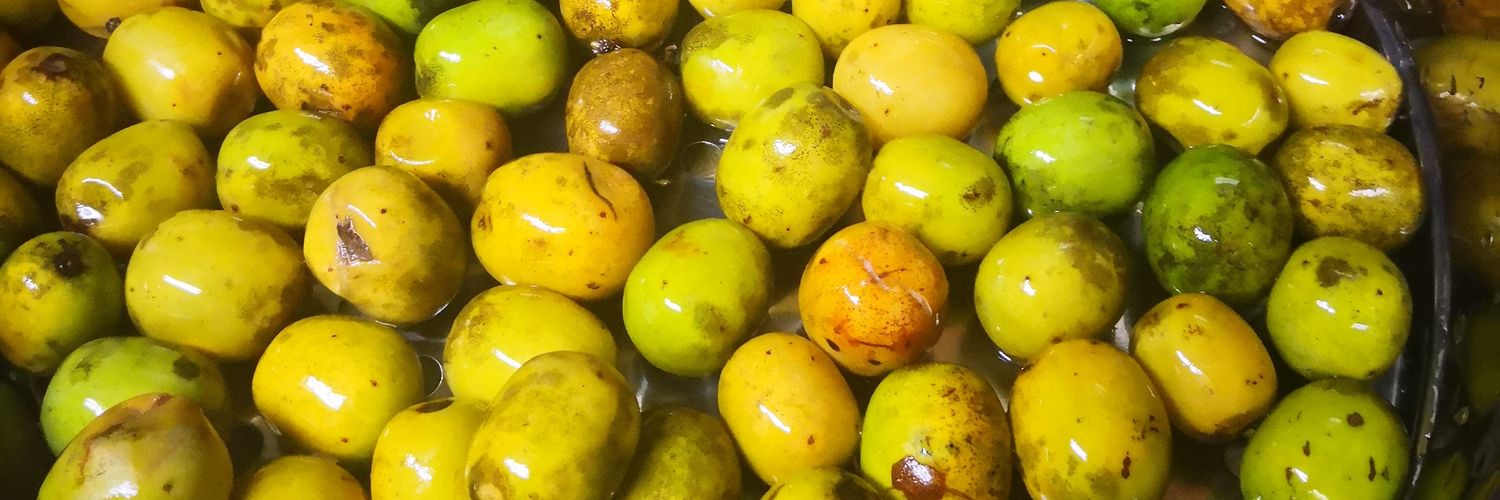
Fruits and Type 2 Diabetes: What is safe and Healthy?
▶️Many people with type 2 diabetes are unsure about eating fruits. They worry about natural sugars, but the truth is: fruits, eaten whole and in moderation, are not only safe but beneficial, especially when blood sugars are well controlled and body weight is healthy.
✅Healthiest fruit choices
Low to medium glycemic index (GI) fruits are best:
1. Apples, pears
2. Oranges, sweet lime, guava
3. Berries (strawberry, blueberry, blackberry)
4. Papaya, peach, plum
5. Watermelon and muskmelon (in modest amounts)
6. Pomegranate, kiwi
🟠Banana, mango, grapes, chikoo- can also be eaten, but in small portions and not daily, as they raise sugars more quickly.
▶️How much fruit is ideal per day?
✅Generally, 2 servings of whole fruit daily (one serving = a medium apple/pear/orange, or ½ cup of cut fruit) is safe for most people with diabetes.
▶️Spread out the fruit intake across meals or snacks (not all at once) to avoid sugar spikes.
▶️Always pair fruit with other food (nuts, yoghurt, or after a meal) rather than eating on an empty stomach.
What about fruit juices?
1. Fresh or packed fruit juices are not recommended for people with diabetes.
2. Even fresh juice removes fiber, leading to faster sugar absorption and sharp spikes in blood glucose.
3. Packed juices are even worse; they often contain added sugar or concentrates.
4. Whole fruit with its natural fiber is always healthier than juice.
Key take-home points
1. Fruits are part of a healthy diet even with diabetes. Whole fruits, not juices, are the rule.
2. Choose low-GI fruits, limit high-sugar fruits, and aim for 2 servings daily.
3. Portion control and timing matter as much as the type of fruit.
It's because of #MedicareAdvantage that our seniors are able to enjoy preventive, transformative care. Our CEO @DrChrisChen says it best in this press release from Better Medicare Advantage. Read it here. 👇
https://t.co/bsnBvat6bx
#PrimaryCareforSeniors#PreventiveCare
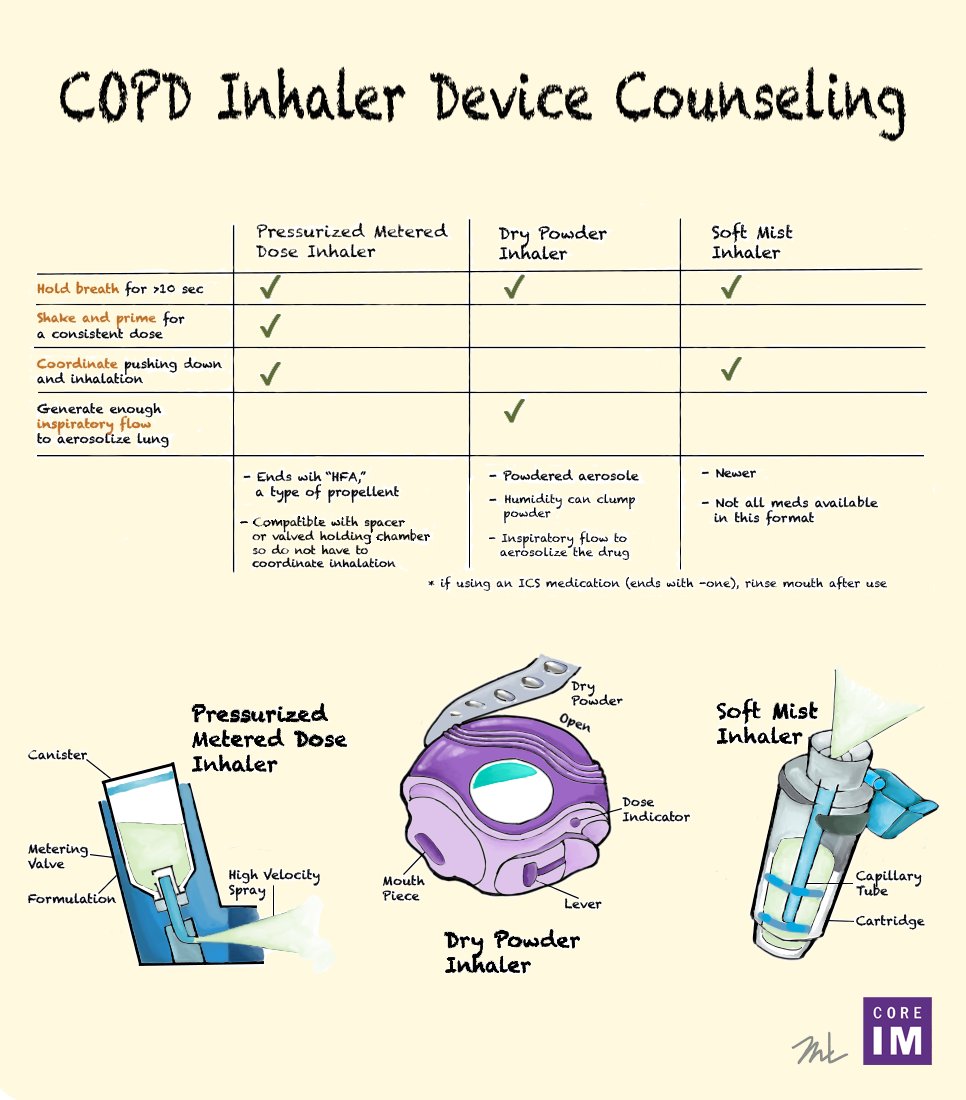
Learn from #hopsitalists around the country and their knowledge on practice gaps in longitudinal COPD management on the latest @COREIMpodcast. Listen now 🎧 https://t.co/Hsl5XWgAeQ ACP members: Tune in to earn #CME!
Have you ever wondered how we measure the quality of value-based care? To ensure that we're meeting our patients' needs, we use these key metrics to improve their health and experience. 👇
https://t.co/jwaIMQpI6i
#ValueBasedCare#PrimaryCare#Healthcare
🆕 2022 ACR/AAHKS Guidelines for Perioperative Management of Antirheumatic Medication in Patients with Rheumatic Diseases Undergoing Elective THA/TKA 🦴💊
#RheumTwitter#OrthoTwitter@ACRheum@AAHKS
📝 New Infographic on Scleroderma!
Learn about the different subtypes of #scleroderma, autoantibodies and systemic manifestations including
🤚🏽Raynaud’s Phenomenon
🤏🏼Sclerodactyly (Skin Thickening)
🫁 Interstitial Lung Disease
… and more!
#RheumTwitter#MedTwitter#MedEd
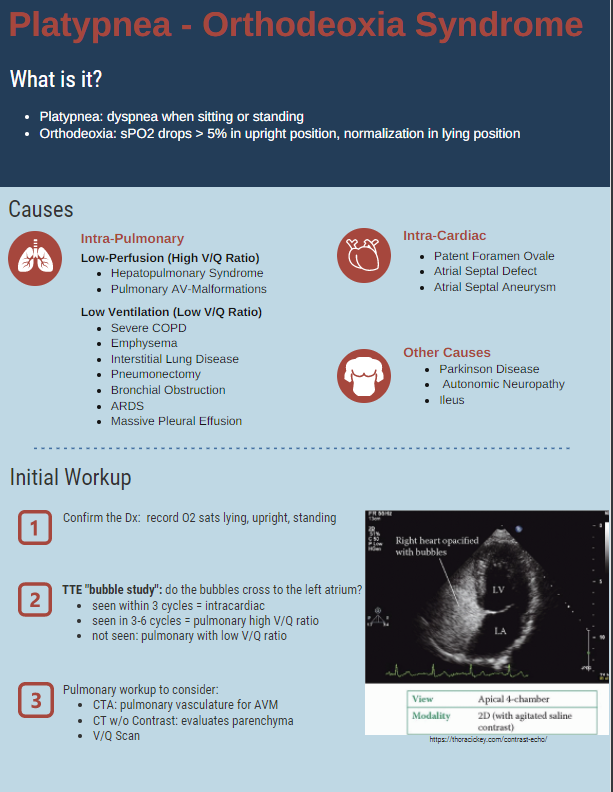
On pulm consults with @HarvardPulm@BIDMC_IM, and consulted on a case of platypnea that is still escaping us. In the spirit of a @StaciSaundersMD intern report today on effective med-ed, here's my general approach to the condition and attempt at an infographic!
#MedTwitter
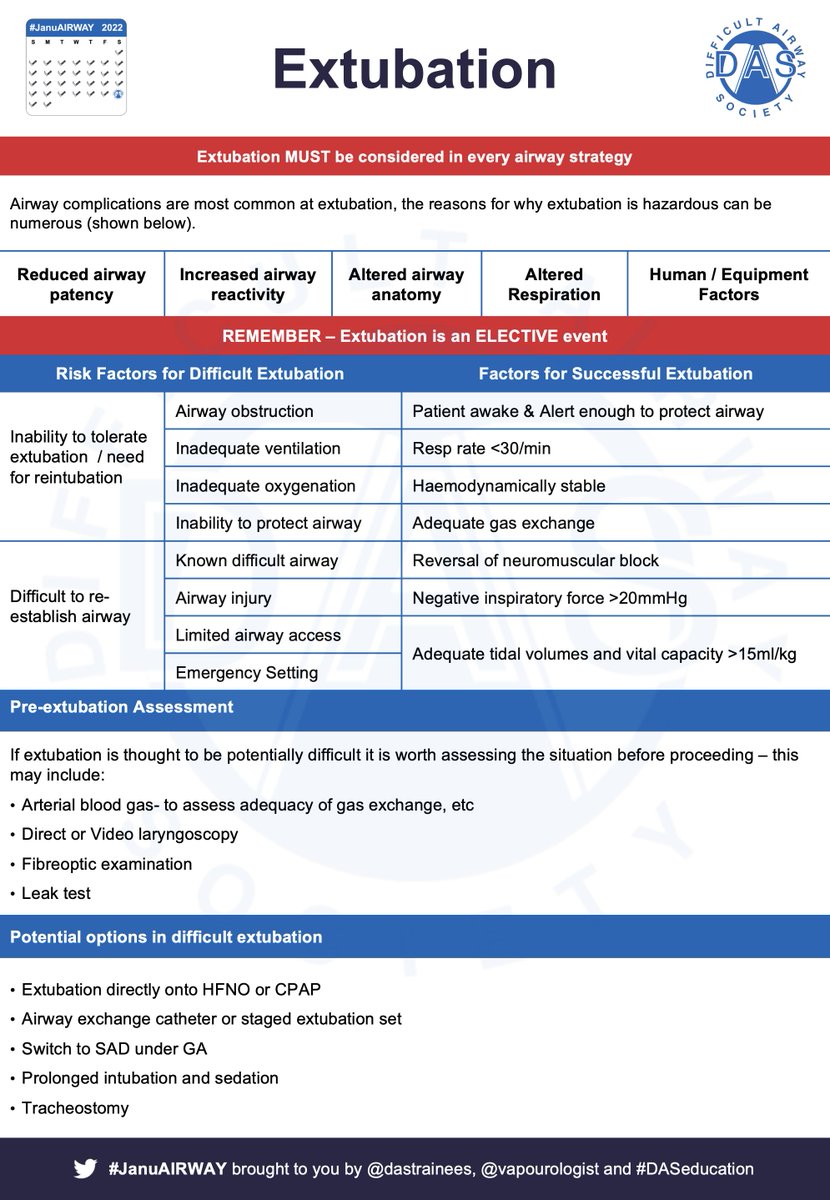
Fun review in @accpchest looking at the data of using RSBI as a stand-alone predictor of extubation success. We shouldn’t be surprised by these data but it’s always good to solidify our knowledge. 🎩 tip to the authors. My thoughts on my blog.
https://t.co/gXkQ6DUmP2