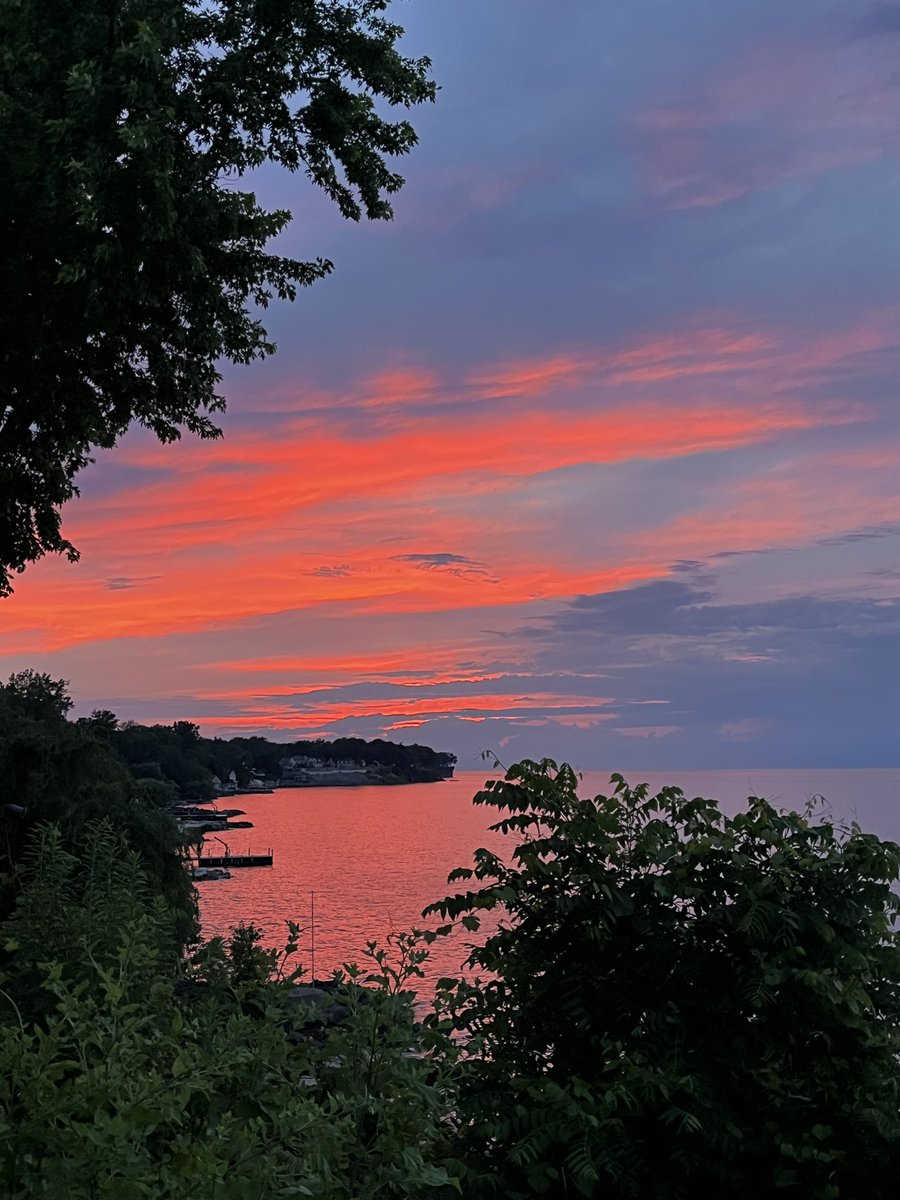
@KeithKing110046@ByronYork True. I lived in The Flats when I was in my 20's. Finally left when they let the crime get so bad. Stabbing at the Harbor Inn. Shooting at the Flat Iron. 90 % of the East bank businesses closed. 15+ years to rebuild. Even updated, it's still a shadow of what it was. Sad.
@JoshuaLisec Joshua, I love your content and perspective dearly. Please don’t take a snapshot of time to be = to a trend. As a dad of 2 (athletes & musicians)who also has a full-time job & two separate franchise businesses at the same time guilty of the home being messy as an. indictment
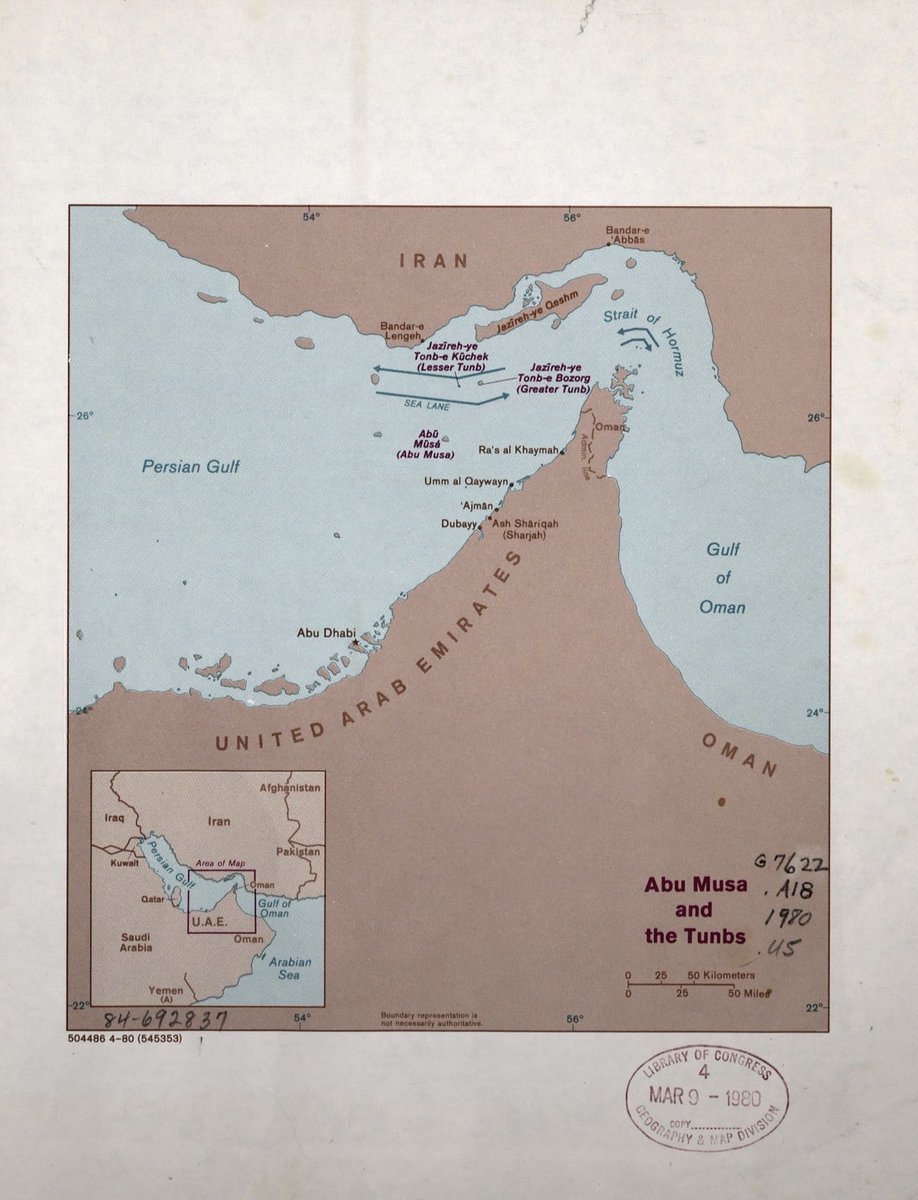
Trump’s Aufhebung: Why Restoring Hormuz to “Normal” May Be a Mistake
Aufhebung is Hegel’s term for replacing an old order while preserving what remains useful within a stronger one.
The usual reading of the Hormuz crisis is simple: reopen the Strait, restore oil flows and return the market to normal. That may be necessary eventually. But strategically, a rapid return to the old normal could work against American interests.
Trump’s Iran policy need not be understood as a choice between capitulation and all-out war. It can be understood as long-term containment: preventing Iran from rebuilding the military, missile, nuclear and proxy capabilities that make it a regional revisionist power, while avoiding the costs of a permanent occupation or a full-scale regional conflict.
The containment model is familiar. Keep pressure on the regime. Restrict its room for military recovery. Make escalation costly. Sustain sanctions, deterrence and intelligence pressure. Preserve the ability to strike when necessary. But avoid granting Tehran the kind of settlement that lets it regroup, rearm and resume regional coercion from a stronger position.
A multi-year containment campaign would also reshape the energy market.
The key point is not that America wants Hormuz closed. A prolonged shutdown would raise global oil prices, worsen inflation and hurt US consumers. The point is that a period of continuing uncertainty makes Gulf energy less reliable, not unavailable, but no longer treated as risk-free.
That distinction matters.
For decades, the US played principally the role of guarantor of Gulf supply. Today it is something more: one of the world’s foremost oil and gas producers, a major LNG exporter and the core of a growing Western Hemisphere energy system.
The US LNG industry is expanding; Canada remains a vital supplier of crude; Guyana is becoming a major offshore producer; and Venezuela offers a large, and promising, future source of heavy oil.
A slow-burning Iran confrontation increases the value of that system. Every uncertain Gulf cargo strengthens the case for American LNG. Every higher insurance premium improves the relative appeal of Atlantic crude. Every buyer that diversifies away from the Gulf creates a commercial relationship that may survive long after the immediate crisis has passed.
The US does not need to replace every Middle Eastern barrel. It needs to become the indispensable marginal supplier, the producer whose exports, infrastructure, finance and political support make the difference between scarcity and stability.
This is why Wall Street’s 1970s framework is incomplete. It sees Hormuz disruption only as a supply shock: fewer barrels, higher prices, inflation and lower growth. But America is no longer merely an importer trapped by OPEC’s decisions.
It is a producer, exporter and increasingly the central organiser of non-Gulf energy supply.
Containment also strengthens US leverage over China. Beijing has stockpiles, Russian pipelines and alternative suppliers, but it cannot quickly replace the scale, flexibility or commercial role of Gulf energy. Nor can it guarantee the maritime chokepoint on which much of its industrial economy depends.
Trump’s Aufhebung would therefore be neither a permanent war nor a return to the old security bargain. It would be a new energy order: Iran constrained, Gulf supply no longer assumed to be perfectly reliable, China more exposed, and the Americas elevated as the centre of the global energy chessboard.
The strategic prize is not an open Strait alone. It is American leverage over the conditions under which the world’s energy moves.
@vladtenev@MichaelDell Do it! I worked for a little company called Solutions Consulting that was bought by Perot Systems that Dell eventually purchased and I stayed on for many years at Dell. So happy I did. Proud of this. Do it for your children. Thank you Dell family!
People like @MichaelDell giving billions to kids across America by depositing $250 in their Trump investment accounts are seeding not only the next generation of kids; they’re seeding the survival and growth of capitalism. He should get the Presidential medal of Freedom for this!
@robbystarbuck Just another example of how money ‘can’ make you think you know better than others or are superior to others. Money is not intellect or morals. It’s just digits.
@FrankLuntz What is your opinion, Frank? Do you agree with him that we should move to Canada? I hope not. Do you have any idea what’s going on in Canada?
@StockSavvyShay Enjoy every stage! That kid next to me is now 21 and headed to Japan for a semester abroad! Seems like I was rocking him just yesterday! The days fly by!