Annenberg is heading to #SREE2024! Our team will be presenting on the latest in education research—looking forward to insightful discussions and connecting with all of you. We hope to see you there! 🧠 📊
🌟 Join our team! Annenberg Institute is seeking an Engagement and Partnerships Manager to support local schools and advance research-based practices in education. Apply now and make a difference. 📚 https://t.co/JJtGd7LbxV
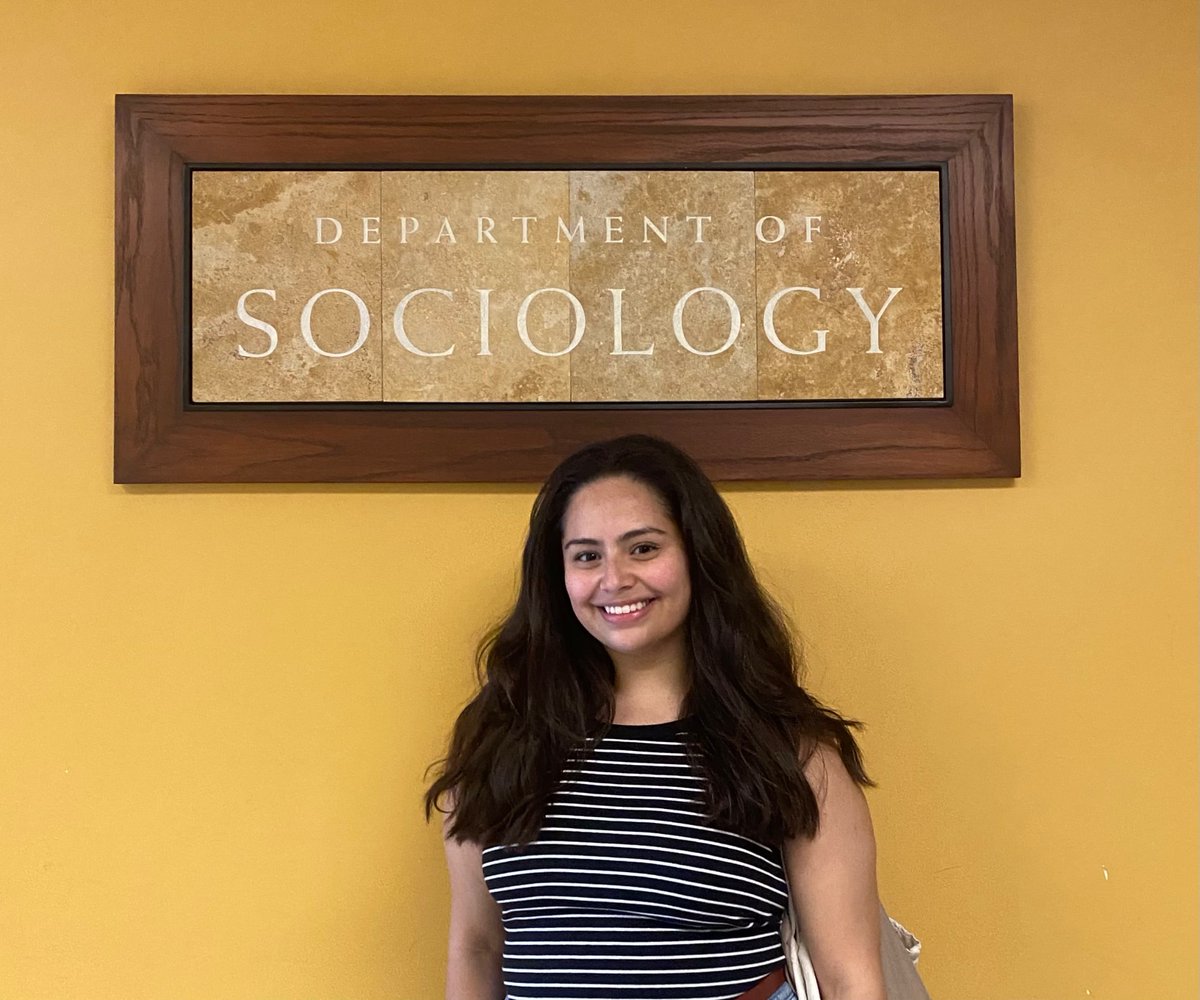
Excited to share that I’ll be starting my PhD in Sociology @UCBerkeley ! 🐻
I’m so grateful for my mentors, colleagues, and friends who have supported me on the journey here.
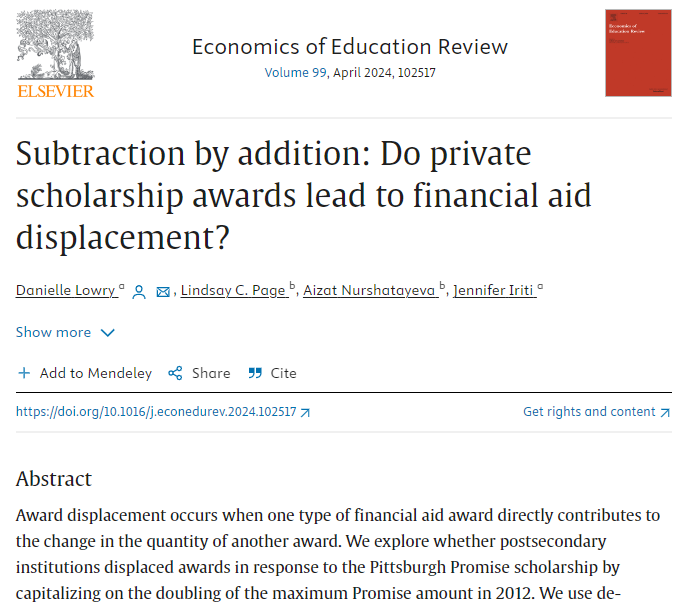
New paper from Annenberg's @linzcpage and @aizatnurshat, along with co-authors Danielle Lowry and Jennifer Iriti: "Subtraction by addition: Do private scholarship awards lead to financial aid displacement?"
https://t.co/CFJ7St8m71
@AnnenbergInst released a report on ESSER spending that focuses specifically on staffing! we find that in RI, a good chunk of ESSER funds have gone toward paying existing staff members.
https://t.co/7Qutjsq4jV
It would be good to see reports from other states like the just released one about ESSER spending in NC: https://t.co/BQ36DXniaW
Is it unique to NC? Maybe, but I agree with the above average ED governance point 👇
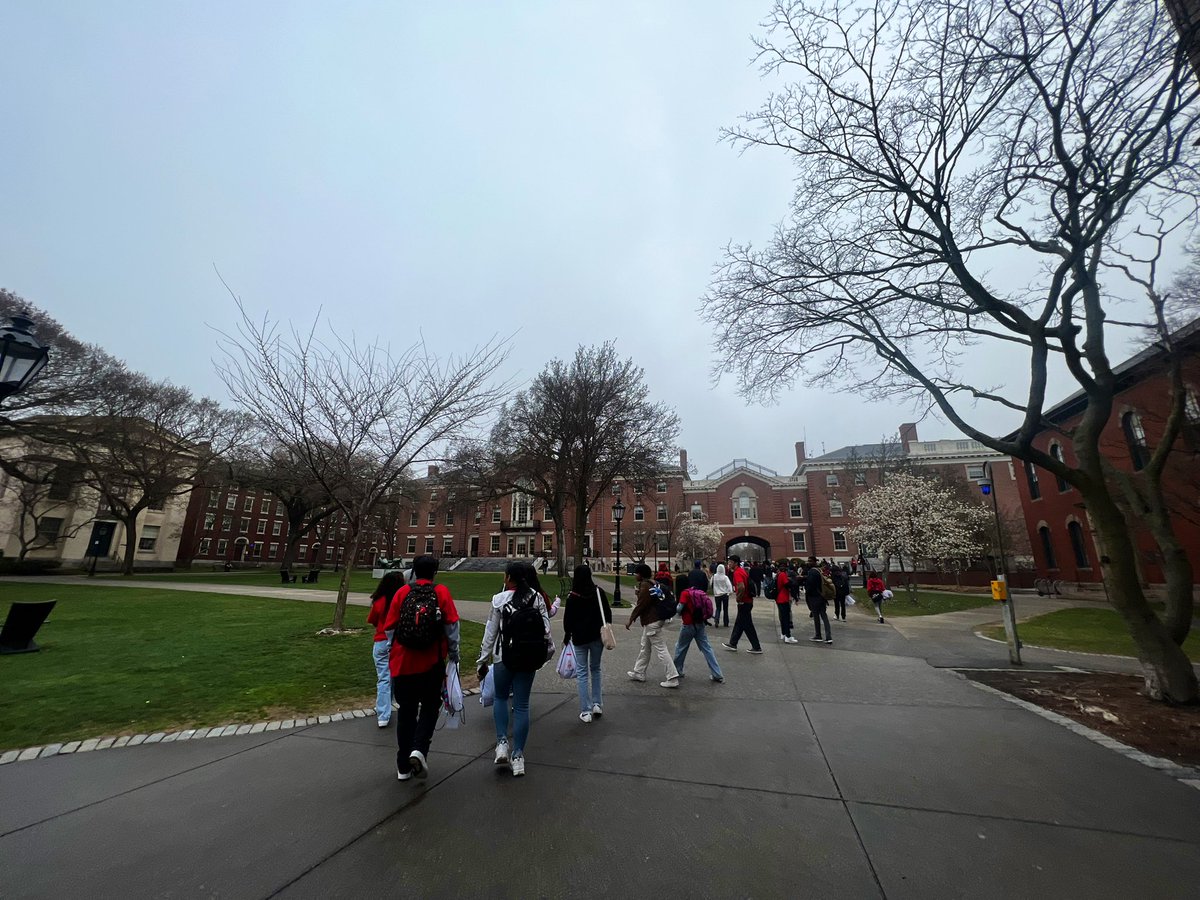
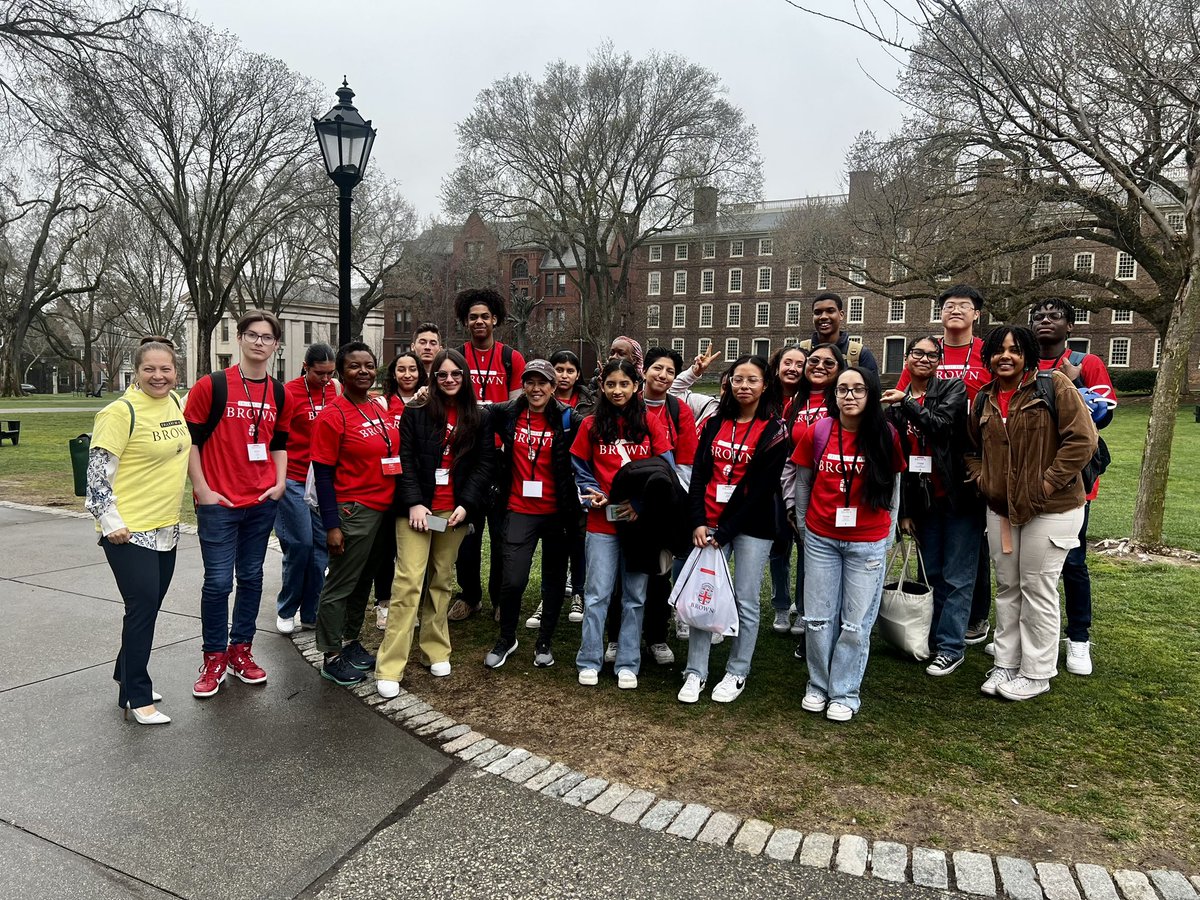
Over the summer, I spearheaded this wonky project where we brought half of an entire 8th grade onto @BrownUniversity's campus to democratically deliberative over how Brown should invest $100,000 into the district. Today, we're releasing the report: https://t.co/CJc7zNHlZl
🚨 New report out today 🚨
The State of Recovery: Rhode Island's Post-Pandemic Public School Landscape
Rhode Island's education landscape has seen significant upheavals in the past 5 years. When we examined the data, here are the 5 biggest shifts we identified 🧵
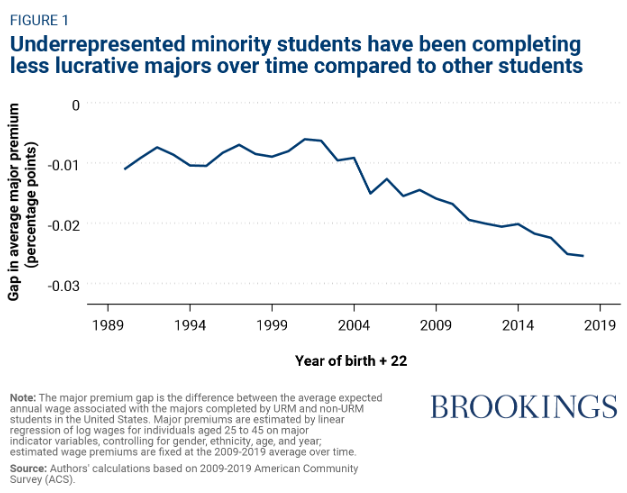
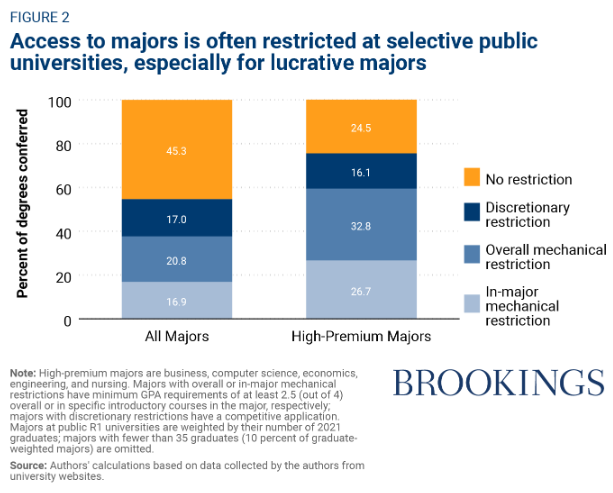
A piece by @zbleemer, Amelia Davidson (@Yale), & @ProfAMehta finds that racial & ethnic stratification across majors have increased in the last 25 years, with students from underrepresented minority groups increasingly concentrated in lower-wage majors. https://t.co/Hq85pMiRv8
Here's a thread summarizing what happened after California banned affirmative action in 1998, including the long-run labor market effects of the ban.
The peer-reviewed study is here: https://t.co/b0zauUXrsa
The Duke Econ Graduate Mentorship Program (GMP) is back! The program is targeted to students from backgrounds under-represented in economics and considering a Ph.D. in economics:
https://t.co/hI6KBv5gG6
1/11
At a participatory budgeting event facilitated by scholars at Brown, more than 100 students from @NGreeneMidSch debated how the Providence Public School District should spend $100,000 in funds from the University. https://t.co/kEFuLLCW2U
⏰ With less than 2 years to meet spending deadlines, RI districts face crucial decisions on ESSER personnel funds. Dive into our new report to discover how districts are navigating staffing choices to maximize the impact of Covid recovery investments: https://t.co/vbl7SJzZyX
Join our Rhode Island Education Research Team! We bring together local education leaders and researchers to solve pressing challenges, with a specific focus on the educator workforce, professional learning, student learning acceleration, and student engagement.
Rhode Island’s major teacher prep providers have come together with the Providence Public School District (PPSD) @pvdschools to support a joint statement aimed at improving the way they work together.
Saying "race is socially constructed" (new for Economists!) does not lead anywhere unless you tell us what that social construction does. Money is socially constructed as well, but we know it as a medium of exchange. So what does it mean/do for race to be socially constructed?
We're partnering with @Harvard's @OppInsights for a summer course on Using Big Data to Solve Economic and Social Problems! A virtual course from July 5 to August 12. Students receive a $2,000 stipend. Learn more: https://t.co/luQmcdaxhp. Apply by May 20: https://t.co/FkRyOdpYwL