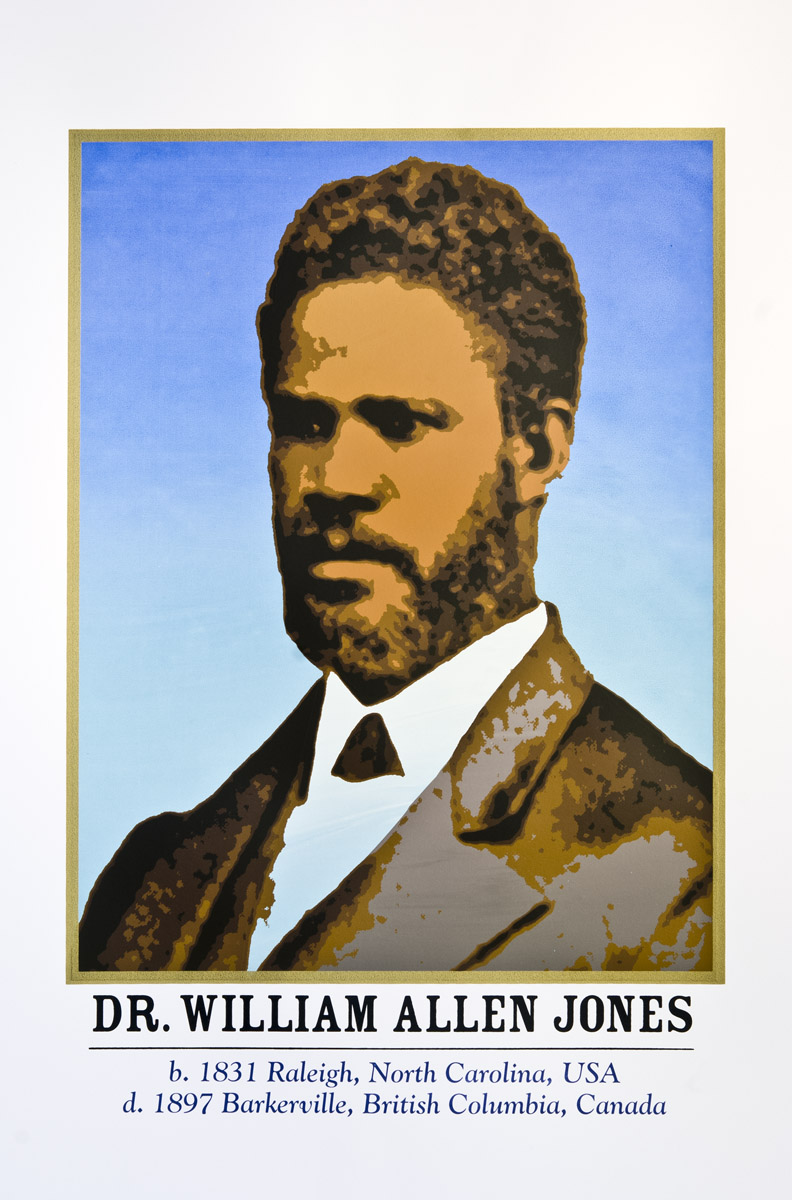
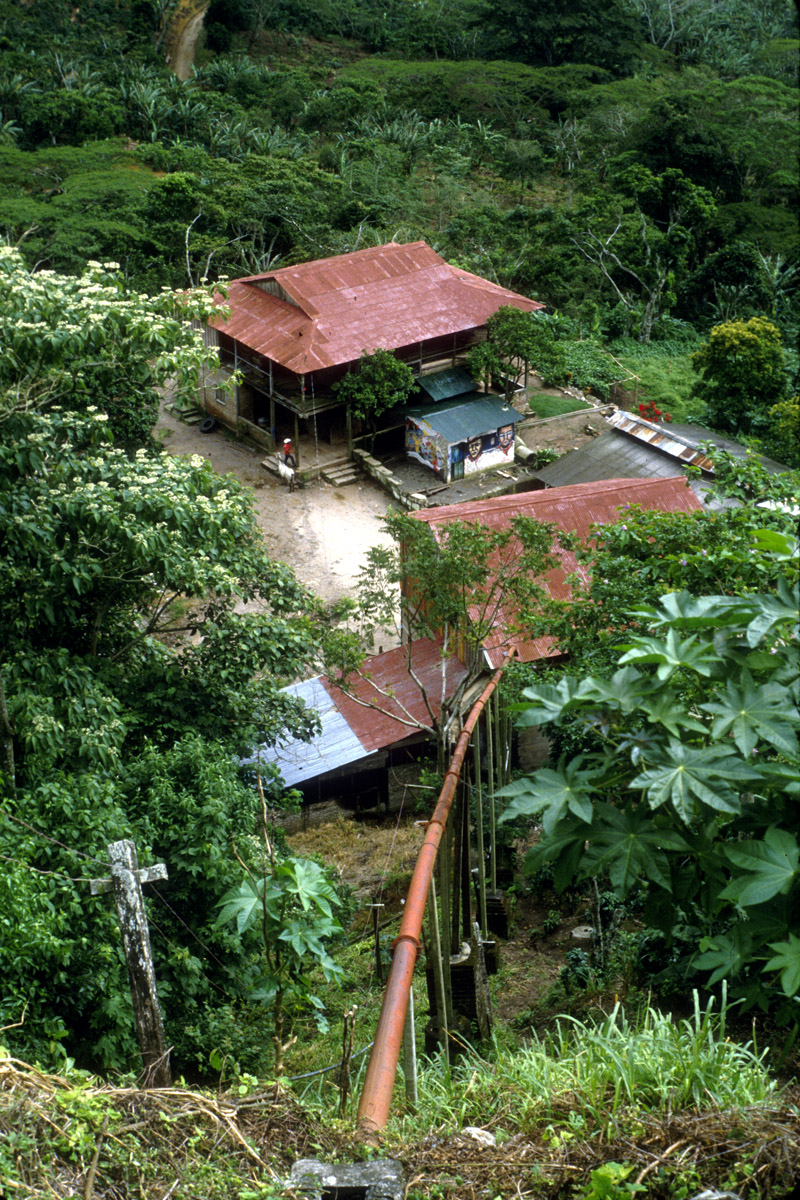
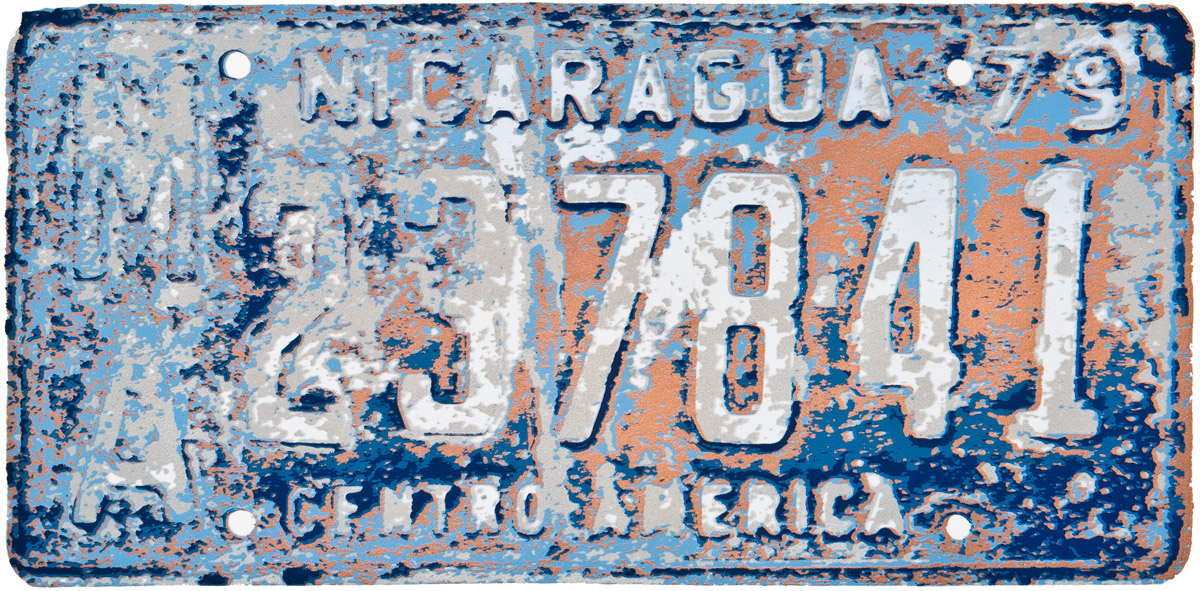
Fundraising prints:
"Dr Jones" - for Wells Historical Society, Friends of Barkerville, & BC Black History Awareness Society.
https://t.co/CEzF4aCrqk
"Nicaragüita..." - for Dale una mano a tu Hermano.
https://t.co/PiwaaX6MsH
#SOSNicaragua#prohibidolvidar
@DreyfusJames While picking coffee with a brigade from the MInistry of Culture near Matagalpa, Nicaragua 1986 during the Contra war I woke up in the middle of the night & realized I needed to make a run for el servicio. Momentary relief in pitch black, chilled by the snorts & squeals below :-(
@TristinHopper MM: "Let us also stand in solidarity with the millions of people around the world who are still victims of forms of slavery and exploitation."
[Shhh - never mention the Arab slave trade!]
The Great Gaza Scam; Just Listen to Hamas: What you’re seeing in this video is the plain truth, even though it’s coming from slain Hamas chief Ismail Haniyeh. I was directly involved in one of the efforts he’s indirectly referring to. This is a confession from a jihadist organization responsible for immense harm, acknowledging that Gaza’s blockade & conditions were not because Israel was hell‑bent on blocking development. Israel became the lazy, convenient explanation & excuse for people unwilling to look beneath the surface and understand what actually happened in Gaza over the last twenty years.
Here, the head of Hamas admits there were real offers on the table: an airport, a seaport, new industries, major cash infusions – opportunities dating back to 2014. Former Israeli officials like Shaul Mofaz floated plans to raise tens of billions for Gaza’s development, and large parts of Israel’s security establishment were open to letting Gaza grow and prosper. Qatar, the UAE, Saudi Arabia, and Western governments were prepared to invest serious money, far beyond just humanitarian aid.
In 2015, I launched a multi‑year effort to build an internationally run, Israeli‑approved airport in al‑Mawasi, southern Gaza Strip. The proposal drew intrigue from senior Israeli officials, including Herzi Halevi and Avigdor Lieberman. In 2017, through intermediaries, I even appealed directly to Yahya Sinwar, Hamas’s former chief and architect of October 7, urging him to consider the airport proposal and think strategically about Gaza’s future.
So, what was the price that Israel and the world wanted in exchange for all of this?
As Haniyeh states in this video, the price was Gaza’s disarmament and demilitarization so that it wouldn’t be dragged into endless, self‑destructive wars. Hamas was offered a dignified off‑ramp: integrating its employees and former fighters into civilian police, receiving salaries, and shifting toward nation‑building instead of terrorism. That offer was real, with a political pathway for the group.
After October 7, and Gaza’s vast destruction, tens of thousands killed, and $ billions wasted, Hamas is forcibly entertaining disarmament and demilitarization. This video exposes the “resistance” cheerleaders who celebrated October 7 and the Westerners who insist Gaza could never have developed because of Israel. Listen to Hamas; whether you support them or think they are useful idiots, Gaza’s development was blocked because the terror Islamist group turned the territory into a fortress of violence, tunnels, rockets, smuggling, and radicalization. And no, Gaza and the West Bank are not comparable cases. Gaza had a genuine chance to become the crown jewel of the Palestinian people, a truly compelling model of prosperity and self‑rule.
The pathway forward requires introspection, accountability, responsibility, and Palestinian agency.
Ceuta, Morocco, Understanding the Situation
For a long time, Islamist rhetoric in Morocco has painted Europe as a kind of promised land, a place where welfare never runs out, chances are everywhere, and prosperity comes easily, with barely any effort required. The objective has always been to weaken trust in Morocco's own institutions and steer young people toward leaving.
But those very currents held power after the 2011 constitutional reforms tied to the Arab Spring. Their time in government produced a sluggish economy, unfulfilled promises, and a public that steadily lost faith. Since then, the pitch has barely changed. The same refrains keep coming back, while Morocco is framed as a failed state, not worth anyone’s loyalty, not worth building, not worth investing in.
In that narrative, Morocco is often branded a kafir state and the King is attacked as not Islamic enough. Young Moroccans are urged toward jihad and a permanent stance of confrontation with the West. Amazigh (Berber) identity, too, is mocked or dismissed as backward, even primitive. Year after year, the effort has been to drain the spirit out of an entire generation, to sell them on one bleak claim above all: their country has no future.
The same ideological current also pushes a claim that Morocco is trying to “reclaim Muslim land” via Ceuta and Melilla. In reality, no Moroccan government has expressed such a demand to the United Nations or any similar international body. Official diplomacy has kept those enclaves separate from Western Sahara, where Rabat has made a formal, explicit sovereignty claim for decades. That difference says a lot about the distance between Morocco’s actual foreign policy and the Islamist storyline built for ideological mobilization.
It’s also worth noting where the loudest demand has come from. A Moroccan Islamist leader has publicly argued that the country “must eventually regain control of Ceuta and Melilla.” By projecting that position onto the state while brushing aside official statements and practice, Islamist activists manufacture a thin appearance of legitimacy for a campaign that aims to weaken state authority, and amplify the message online for global support. Morocco’s ties with Israel and the United States then get turned into a weapon as well, presented as proof that the government itself lacks legitimacy.
Morocco remains a developing country. Real social and economic difficulties persist, and legitimate frustrations deserve to be taken seriously. Still, describing the country as hopeless helps no one, not Moroccans and not anyone interested in meaningful reform. In practice, that narrative mainly benefits two groups: people looking to justify illegal migration, and those trying to strip the Moroccan state of legitimacy.
The timing is also interesting: general elections are set for 23 September, and Islamist operators understand that border chaos, magnified on social media, can destabilize the incumbent narrative before the vote.
Since October 7, this has sharpened, in part because Islamists now face a possible political rival in Fouzi Lekjaa, the highly capable president of the Royal Moroccan Football Federation. Lekjaa is widely credited with driving Morocco’s historic run to the semi-finals in the 2022 World Cup and with turning the national team into a global force. Now he is using his key role in winning and preparing for the 2030 World Cup, co-hosted with Spain and Portugal, to bolster his profile as a potential prime minister, and to deepen his standing as one of the country’s most influential public figures.
Contrary to the conspiracy talk that spreads online, Morocco gains nothing from uncontrolled crossings. Some critics point to Algeria’s relationships with European governments, but every major European state keeps channels open with Algiers, Giorgia Meloni’s Italy has a notably strong relationship, while Morocco’s day-to-day cooperation has stayed consistently solid across the board. That includes strong migration frameworks with France and Germany, including a bilateral partnership signed with Berlin in 2024 that has driven higher returns, deportation arrangements with Hungary and Poland, and, most recently, close operational coordination with the United States.
The truth is that Morocco is itself under heavy migration pressure coming from the Sahel. In 2025 alone, authorities intercepted 73,640 attempted irregular crossings, and sub-Saharan nationals now account for nearly 60% of foreign residents.
Last year, several thousand Sudanese and other Sahel-origin migrants also crossed the eastern border, adding to the strain already felt in Moroccan cities, it’s a pressure ordinary Moroccans regularly complain about. The chaos of the past two days only worsens Morocco’s position rather than helping it: once the impression of an open or uncontrolled border spreads, it draws in even more refugees and irregular migrants, piling additional weight onto a burden that is already substantial.
https://t.co/sR2fyqMzrY
Ceuta, Morocco, Understanding the Situation
For a long time, Islamist rhetoric in Morocco has painted Europe as a kind of promised land, a place where welfare never runs out, chances are everywhere, and prosperity comes easily, with barely any effort required. The objective has always been to weaken trust in Morocco's own institutions and steer young people toward leaving.
But those very currents held power after the 2011 constitutional reforms tied to the Arab Spring. Their time in government produced a sluggish economy, unfulfilled promises, and a public that steadily lost faith. Since then, the pitch has barely changed. The same refrains keep coming back, while Morocco is framed as a failed state, not worth anyone’s loyalty, not worth building, not worth investing in.
In that narrative, Morocco is often branded a kafir state and the King is attacked as not Islamic enough. Young Moroccans are urged toward jihad and a permanent stance of confrontation with the West. Amazigh (Berber) identity, too, is mocked or dismissed as backward, even primitive. Year after year, the effort has been to drain the spirit out of an entire generation, to sell them on one bleak claim above all: their country has no future.
The same ideological current also pushes a claim that Morocco is trying to “reclaim Muslim land” via Ceuta and Melilla. In reality, no Moroccan government has expressed such a demand to the United Nations or any similar international body. Official diplomacy has kept those enclaves separate from Western Sahara, where Rabat has made a formal, explicit sovereignty claim for decades. That difference says a lot about the distance between Morocco’s actual foreign policy and the Islamist storyline built for ideological mobilization.
It’s also worth noting where the loudest demand has come from. A Moroccan Islamist leader has publicly argued that the country “must eventually regain control of Ceuta and Melilla.” By projecting that position onto the state while brushing aside official statements and practice, Islamist activists manufacture a thin appearance of legitimacy for a campaign that aims to weaken state authority, and amplify the message online for global support. Morocco’s ties with Israel and the United States then get turned into a weapon as well, presented as proof that the government itself lacks legitimacy.
Morocco remains a developing country. Real social and economic difficulties persist, and legitimate frustrations deserve to be taken seriously. Still, describing the country as hopeless helps no one, not Moroccans and not anyone interested in meaningful reform. In practice, that narrative mainly benefits two groups: people looking to justify illegal migration, and those trying to strip the Moroccan state of legitimacy.
The timing is also interesting: general elections are set for 23 September, and Islamist operators understand that border chaos, magnified on social media, can destabilize the incumbent narrative before the vote.
Since October 7, this has sharpened, in part because Islamists now face a possible political rival in Fouzi Lekjaa, the highly capable president of the Royal Moroccan Football Federation. Lekjaa is widely credited with driving Morocco’s historic run to the semi-finals in the 2022 World Cup and with turning the national team into a global force. Now he is using his key role in winning and preparing for the 2030 World Cup, co-hosted with Spain and Portugal, to bolster his profile as a potential prime minister, and to deepen his standing as one of the country’s most influential public figures.
Contrary to the conspiracy talk that spreads online, Morocco gains nothing from uncontrolled crossings. Some critics point to Algeria’s relationships with European governments, but every major European state keeps channels open with Algiers, Giorgia Meloni’s Italy has a notably strong relationship, while Morocco’s day-to-day cooperation has stayed consistently solid across the board. That includes strong migration frameworks with France and Germany, including a bilateral partnership signed with Berlin in 2024 that has driven higher returns, deportation arrangements with Hungary and Poland, and, most recently, close operational coordination with the United States.
The truth is that Morocco is itself under heavy migration pressure coming from the Sahel. In 2025 alone, authorities intercepted 73,640 attempted irregular crossings, and sub-Saharan nationals now account for nearly 60% of foreign residents.
Last year, several thousand Sudanese and other Sahel-origin migrants also crossed the eastern border, adding to the strain already felt in Moroccan cities, it’s a pressure ordinary Moroccans regularly complain about. The chaos of the past two days only worsens Morocco’s position rather than helping it: once the impression of an open or uncontrolled border spreads, it draws in even more refugees and irregular migrants, piling additional weight onto a burden that is already substantial.
https://t.co/sR2fyqMzrY
Ceuta, Morocco, Understanding the Situation
For a long time, Islamist rhetoric in Morocco has painted Europe as a kind of promised land, a place where welfare never runs out, chances are everywhere, and prosperity comes easily, with barely any effort required. The objective has always been to weaken trust in Morocco's own institutions and steer young people toward leaving.
But those very currents held power after the 2011 constitutional reforms tied to the Arab Spring. Their time in government produced a sluggish economy, unfulfilled promises, and a public that steadily lost faith. Since then, the pitch has barely changed. The same refrains keep coming back, while Morocco is framed as a failed state, not worth anyone’s loyalty, not worth building, not worth investing in.
In that narrative, Morocco is often branded a kafir state and the King is attacked as not Islamic enough. Young Moroccans are urged toward jihad and a permanent stance of confrontation with the West. Amazigh (Berber) identity, too, is mocked or dismissed as backward, even primitive. Year after year, the effort has been to drain the spirit out of an entire generation, to sell them on one bleak claim above all: their country has no future.
The same ideological current also pushes a claim that Morocco is trying to “reclaim Muslim land” via Ceuta and Melilla. In reality, no Moroccan government has expressed such a demand to the United Nations or any similar international body. Official diplomacy has kept those enclaves separate from Western Sahara, where Rabat has made a formal, explicit sovereignty claim for decades. That difference says a lot about the distance between Morocco’s actual foreign policy and the Islamist storyline built for ideological mobilization.
It’s also worth noting where the loudest demand has come from. A Moroccan Islamist leader has publicly argued that the country “must eventually regain control of Ceuta and Melilla.” By projecting that position onto the state while brushing aside official statements and practice, Islamist activists manufacture a thin appearance of legitimacy for a campaign that aims to weaken state authority, and amplify the message online for global support. Morocco’s ties with Israel and the United States then get turned into a weapon as well, presented as proof that the government itself lacks legitimacy.
Morocco remains a developing country. Real social and economic difficulties persist, and legitimate frustrations deserve to be taken seriously. Still, describing the country as hopeless helps no one, not Moroccans and not anyone interested in meaningful reform. In practice, that narrative mainly benefits two groups: people looking to justify illegal migration, and those trying to strip the Moroccan state of legitimacy.
The timing is also interesting: general elections are set for 23 September, and Islamist operators understand that border chaos, magnified on social media, can destabilize the incumbent narrative before the vote.
Since October 7, this has sharpened, in part because Islamists now face a possible political rival in Fouzi Lekjaa, the highly capable president of the Royal Moroccan Football Federation. Lekjaa is widely credited with driving Morocco’s historic run to the semi-finals in the 2022 World Cup and with turning the national team into a global force. Now he is using his key role in winning and preparing for the 2030 World Cup, co-hosted with Spain and Portugal, to bolster his profile as a potential prime minister, and to deepen his standing as one of the country’s most influential public figures.
Contrary to the conspiracy talk that spreads online, Morocco gains nothing from uncontrolled crossings. Some critics point to Algeria’s relationships with European governments, but every major European state keeps channels open with Algiers, Giorgia Meloni’s Italy has a notably strong relationship, while Morocco’s day-to-day cooperation has stayed consistently solid across the board. That includes strong migration frameworks with France and Germany, including a bilateral partnership signed with Berlin in 2024 that has driven higher returns, deportation arrangements with Hungary and Poland, and, most recently, close operational coordination with the United States.
The truth is that Morocco is itself under heavy migration pressure coming from the Sahel. In 2025 alone, authorities intercepted 73,640 attempted irregular crossings, and sub-Saharan nationals now account for nearly 60% of foreign residents.
Last year, several thousand Sudanese and other Sahel-origin migrants also crossed the eastern border, adding to the strain already felt in Moroccan cities, it’s a pressure ordinary Moroccans regularly complain about. The chaos of the past two days only worsens Morocco’s position rather than helping it: once the impression of an open or uncontrolled border spreads, it draws in even more refugees and irregular migrants, piling additional weight onto a burden that is already substantial.
https://t.co/sR2fyqMzrY
@BCFerrys Ticket agents - be on the alert for this individual. High risk to BCFerrys intercom system. Do not issue boarding pass; do not approach. Walk backwards slowly. https://t.co/DCbnLhAesk
@jonkay cf The broader economic implications of donating your art by Kate Vrijmoet
https://t.co/YzPSHhRaAc
The Career Benefits of Boycotting Charity Art Auctions by Mat Gleason
https://t.co/j8haNWZ5gm