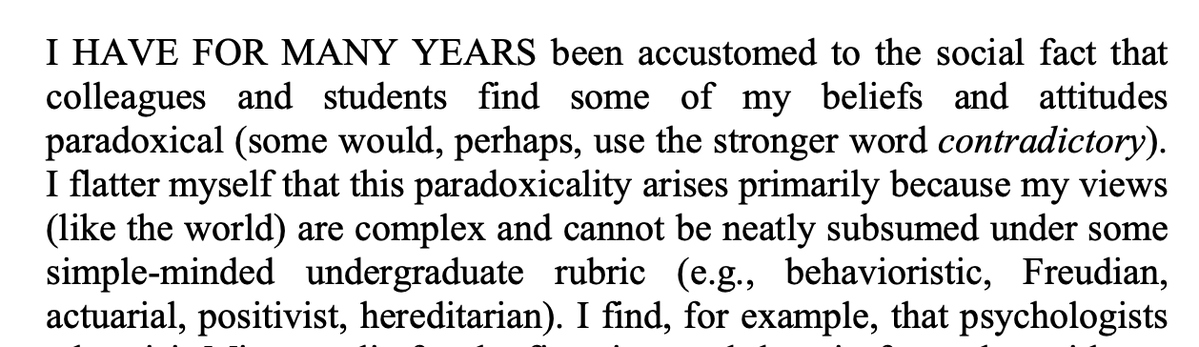
best piece of work i encountered in this vein is a piece of psychoanalytic writing not specifically about the Asian American experience but it really hit me hard
The Mental Pain of Minorities - Salman Akhtar (2014)
related to what you're saying, i think part of it is Asian Americans have a specific kind of less severe projected on experience, with the men being emasculated and the women being fetishized
i generally suspect lots of people get into meditation who actually want psychological / emotional processing. these are not at all the same thing and in fact i think meditation can easily make some stuff worse, eg it can help you cut off parts of yourself or dissociate harder
(2) IMO Freud is a tough entry point because the discourse around him and some of his ideas are so charged, and his thoughts are typically presented in a very sterile-feeling way
vs when i read some of his works directly, he actually presented as much more thoughtful and human than i was expecting
i think you'd especially enjoy:
- three essays on sexuality (1905)
- mourning and melancholia (1917)
(1) i actually think you would really vibe with modern psychoanalytic theory and practice!
I find that (the stuff I like) is like 30% head-y analytical in the literal sense, but 70% about listening in, attuning to, and navigating the nebulous intersubjective feeling space that is created when two people are in relationship
(feels quite TPOT-y to me actually)
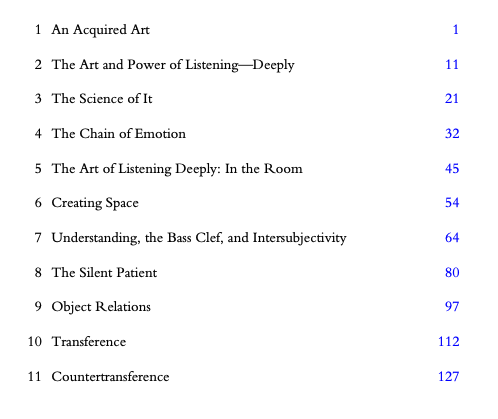
e.g. here are the chapter headings from quatman's Essential Psychodynamic Psychotherapy, which i enjoyed
@Daykerpriest i think he just went on to do fun stuff, particularly live theater
also he won a Tony Award in 2024 for his run in Merrily We Roll Along on Broadway!
https://t.co/w80e5Sgx7d
navigating through the non-tech world, i am realizing that i am actually an ELITE documentation writer and that this is a highly valuable skill
if i had to boil it down:
docs should be so concise and clear that i should essentially not have to use my brain at all to follow them
@kasratweets love this book, i hope to read it again next year
the "without hope of resolution" bit was especially freeing (heh) to read and then i started seeing it in my own life and therapy, and that deepened things
e.g. in the case where you think therapy isn't working because your therapist isn't smart enough
have you actually tried telling them that? what did they say
or did you not say anything, and just end treatment? (to which i'd say, why didn't you tell them?)
ideally what your therapist has is not necessarily a higher IQ, but a bird's-eye view of your life, which essentially gives them map hacks and wall hacks (like from FPS games)
and then the work is helping you expand your vision, so that you're able to live a more fulfilled life
and then i think the actual highest leverage skill you can have as the client is a high level of openness and honesty about what you're thinking and feeling
there is so much alpha still in what I call "Learning How To Be Effective"
one example - when making a request to someone, you can gain big time points if you formulate your request in a way that helps them easily understand and fulfill your request
running list of skills/mentalities that fall under what i call "Learning How To Be Effective"
- you can just do things
- you can just ask if you can do things
- you can just talk to people and ask them questions
- talk to your customers (paulg)
- actually do the readings
also this is something i've always had a difficult time capturing in writing
i think largely because the actual experience i have with this that informs my opinion comes from the trenches of high stress tech work, where this skill is like a +50% speed boost
but like you have to experience an email thread that is 10+ replies long that is so so inefficient, and then experience an email thread that is like 3 replies long that gets the same job done, to realize how powerful this is and become a convert
there is so much alpha still in what I call "Learning How To Be Effective"
one example - when making a request to someone, you can gain big time points if you formulate your request in a way that helps them easily understand and fulfill your request
an actual example - this past week, I had to consult with a TA on an ethics question for if the volunteer I found was suitable for this class exercise we were trying to do
I explained to my TA the dilemma AND my current thinking about what I was considering and why and where I stood, and then asked for his thoughts
he tells me that this is an interesting situation and that he will need to consult with our professor
fast-forward and my TA updates me on the final decision
but first he says "also both me and our professor were very impressed by your email and how you laid things out clearly and shared your thinking"
(and i'm sitting there thinking 'what, do people _not_ do this?? how does anyone get anything done then')