Thrilled to see our paper on the proteomics biomarkers of QIA published in Blue!! Thank you to mentors @RKalhan and GRWashko and to our collaborators that made the work possible! https://t.co/Qag5jEYgeY
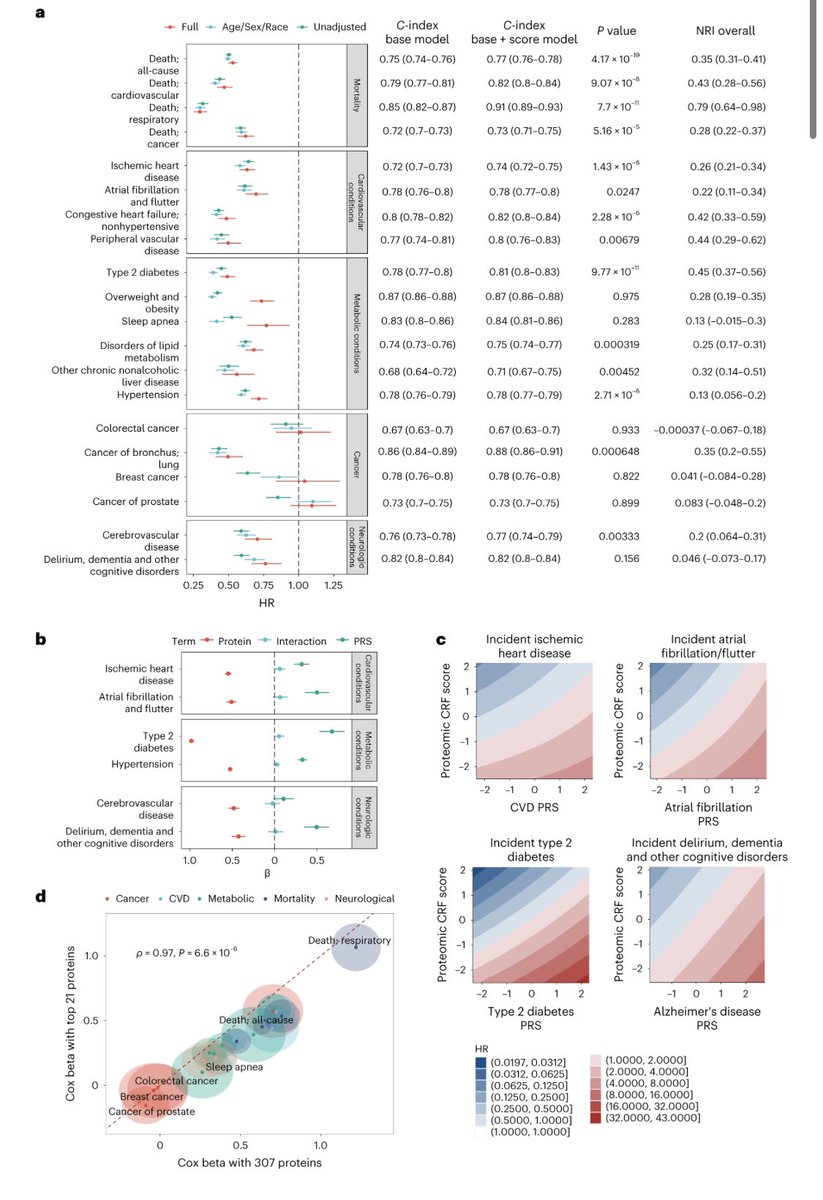
New @NatureMedicine: Plasma protein score of human fitness from >14k individuals across 4 cohorts.
Importantly, this score is modifiable by training & links to chronic disease/mortality.
Happy to see our HERITAGE group contribute to this enormous effort
https://t.co/NvahrENUYl
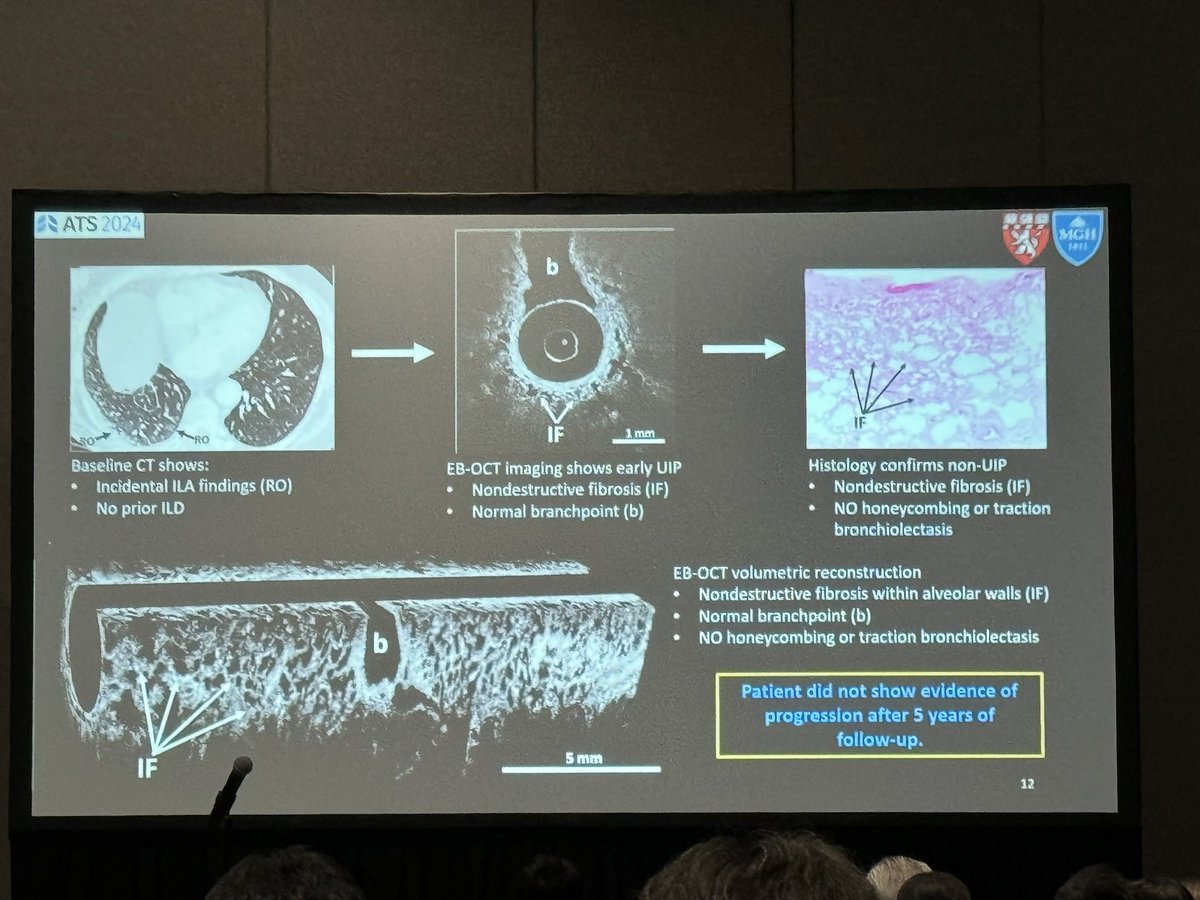
Sarita Bergei B.S. navigates the novel EB-OCT tool and its potential utility in ILA progression.
Nicely showed that subjects with microscopic honeycombing all had radiologic progression on follow up HRCT imaging!!!
Amazing work!
#ATS2024
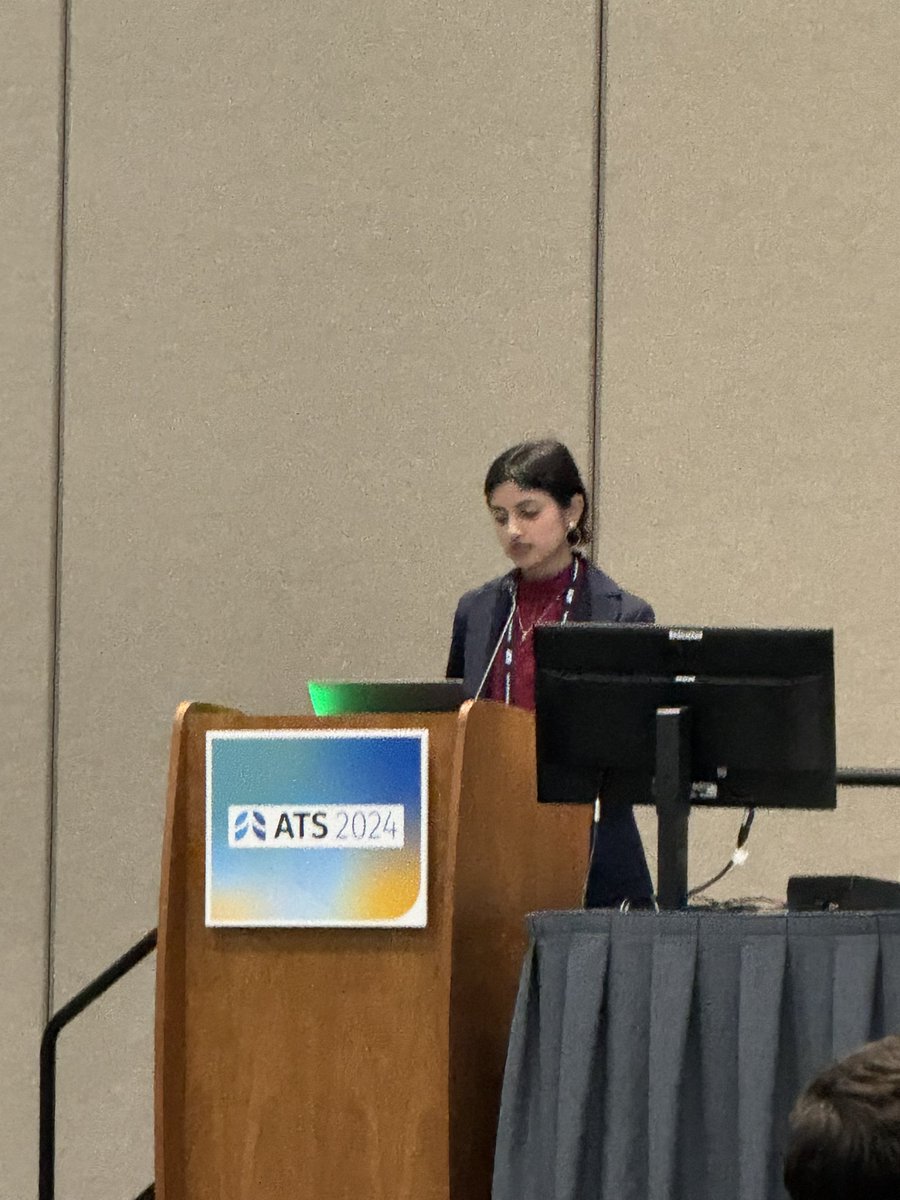
Dr. Bina Choi @binachoimd discusses a proteomic signature of QIA validated in 2 large cohorts.
Leveraged SHAP values which assesses rel. protein levels & contribution to QIA.
Showed dynamic and sometimes linear relationship between proteins such as CRP, sRAGE and QIA.
#ATS2024
Dr. Rachel Putman deftly navigates the issue of progression in ILAs and how well quantitative imaging identifies disease progression assessed variably by patterns and extent of disease.
QIA changes predict progression of disease and mortality.
#ATS2024
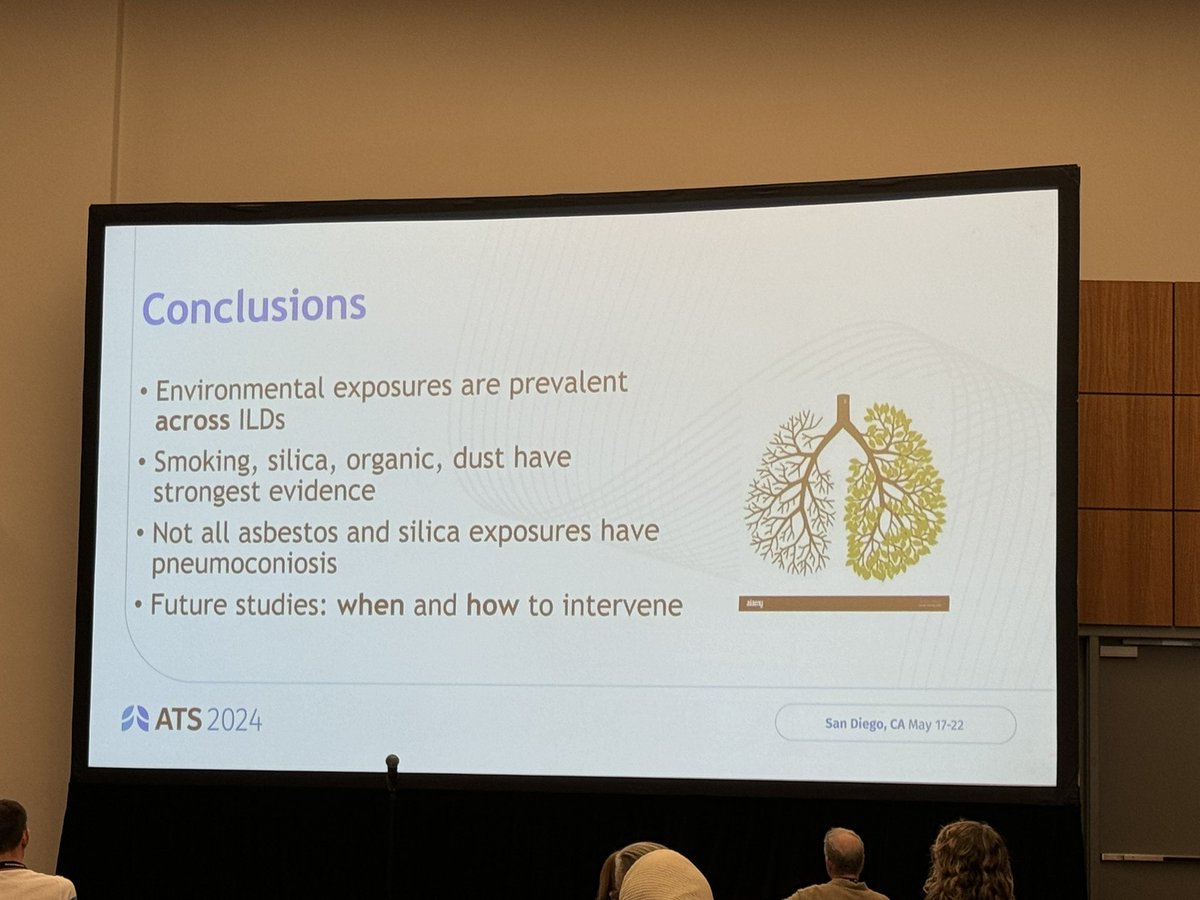
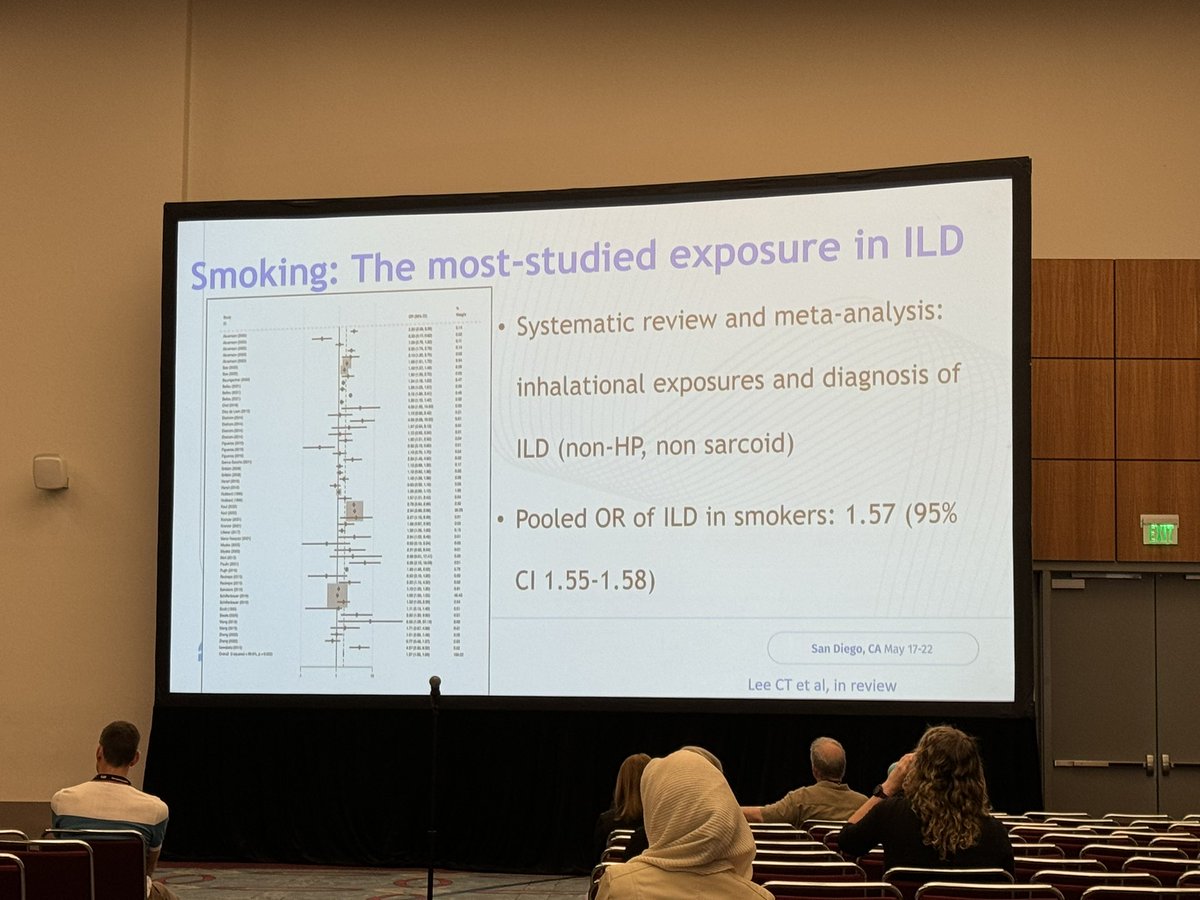
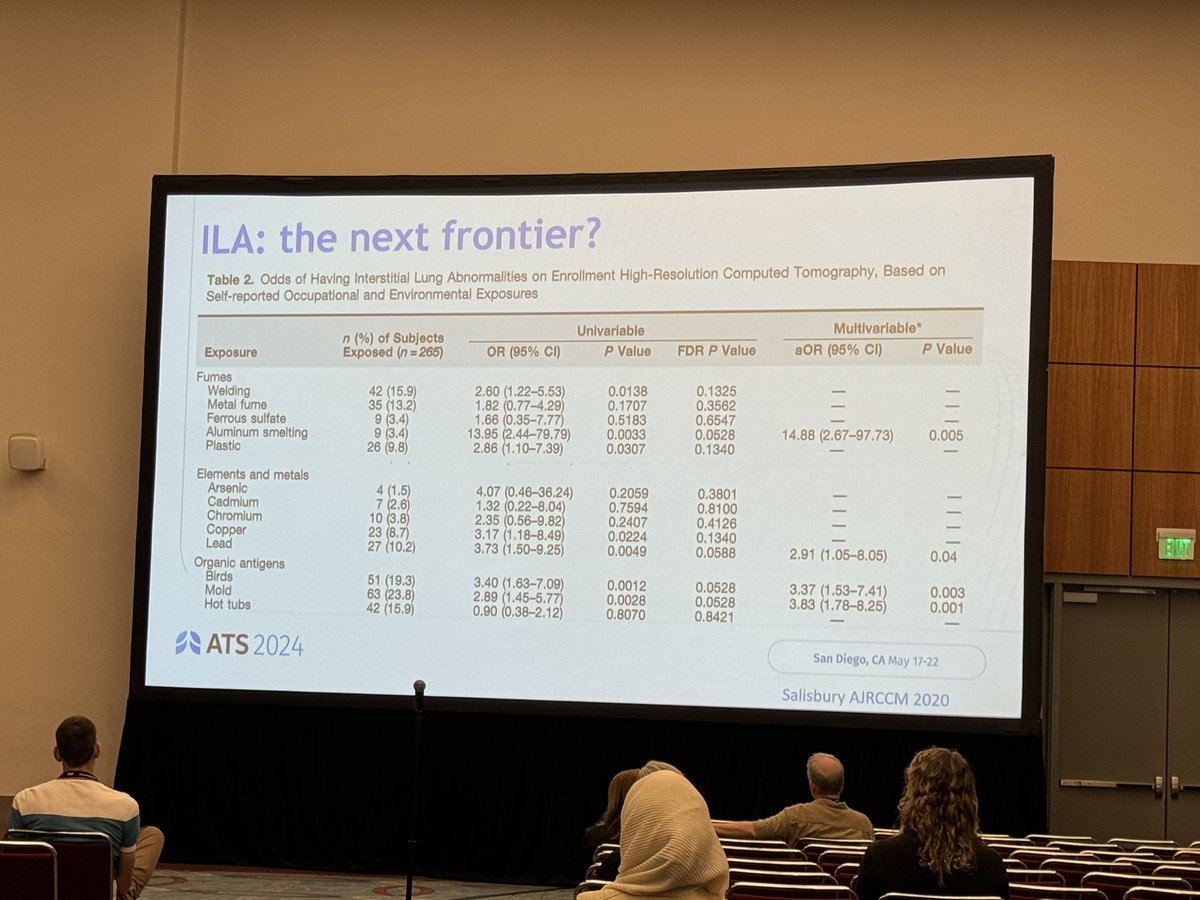
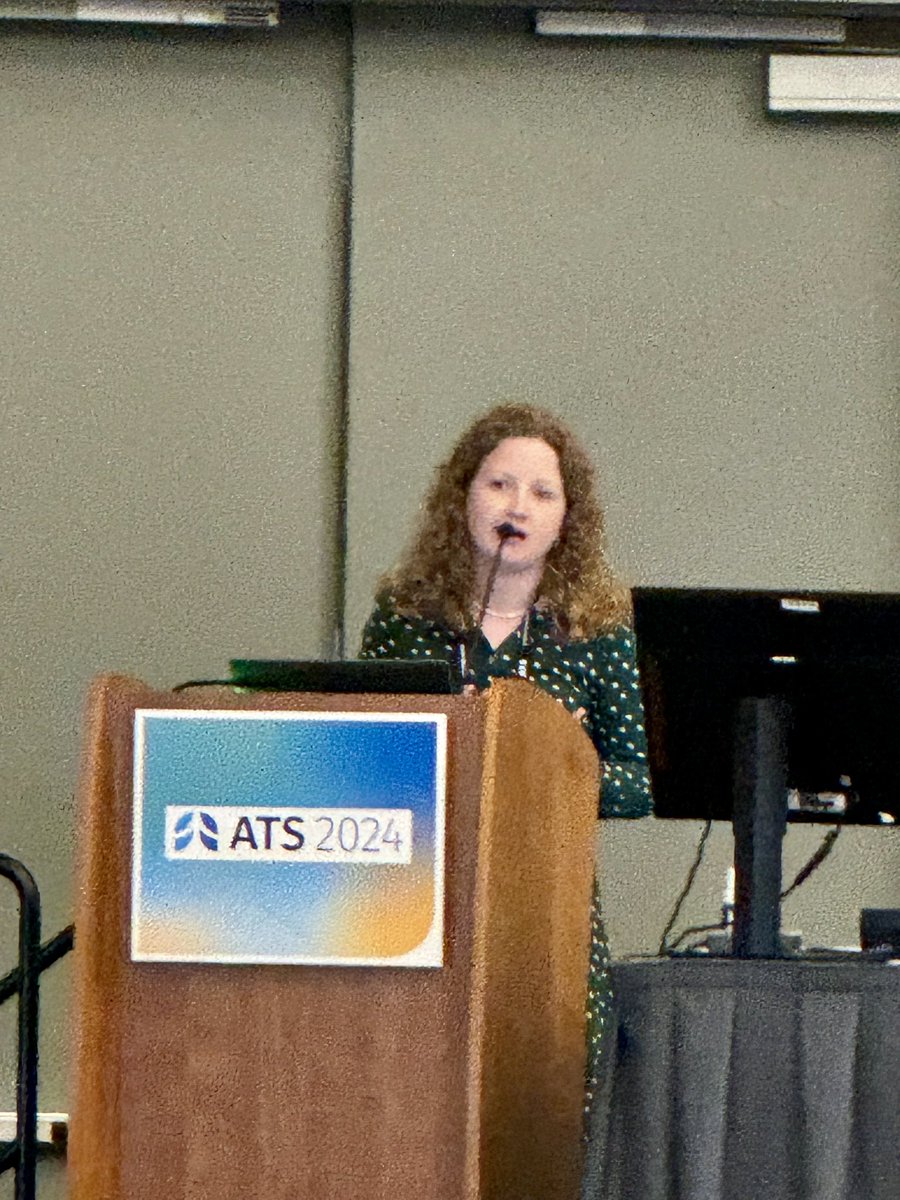
Dr. Katie Lee @cathryntlee elegantly elaborates on exposures in ILD.
• Tobacco and several non-tobacco job-type exposures show a strong relationship to ILD and have also been linked to ILAs!
#ATS2024@UChicagoPCCM
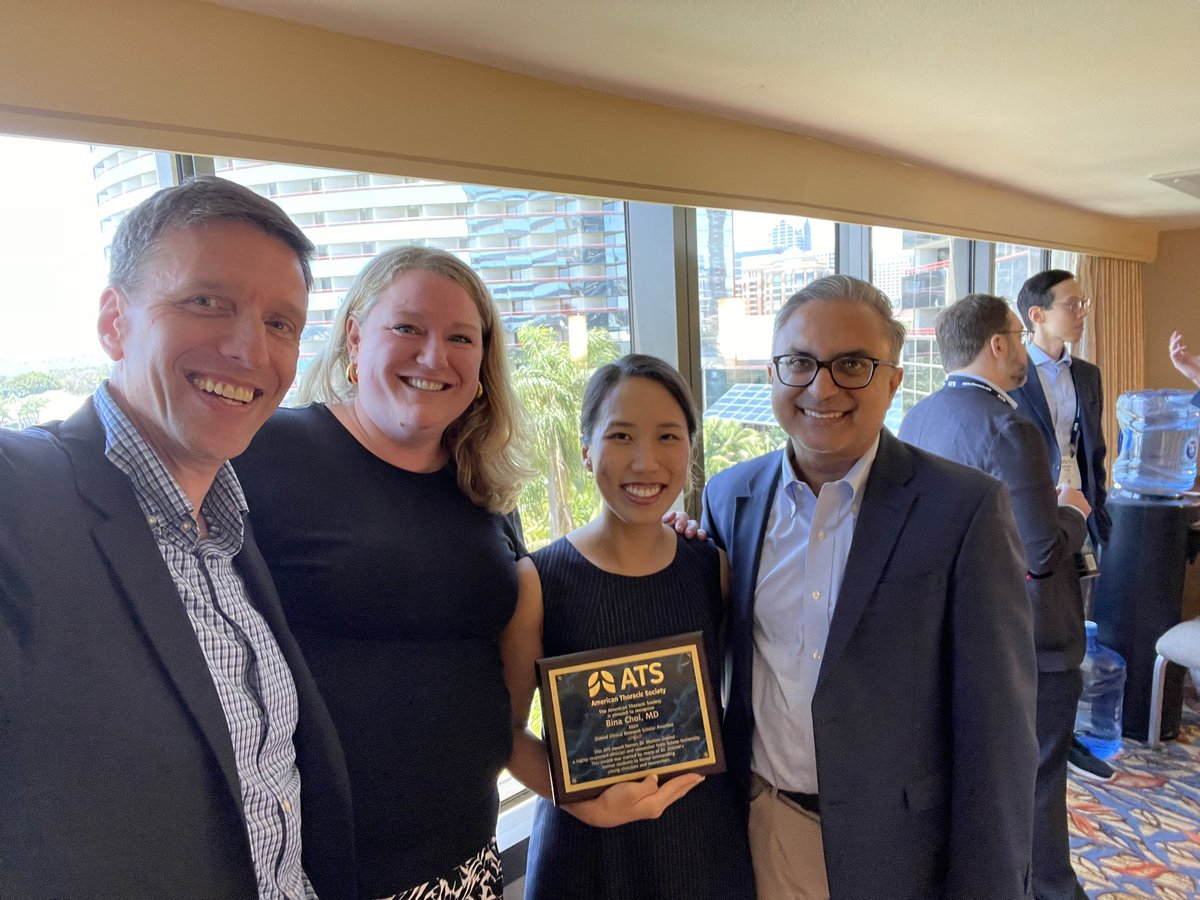
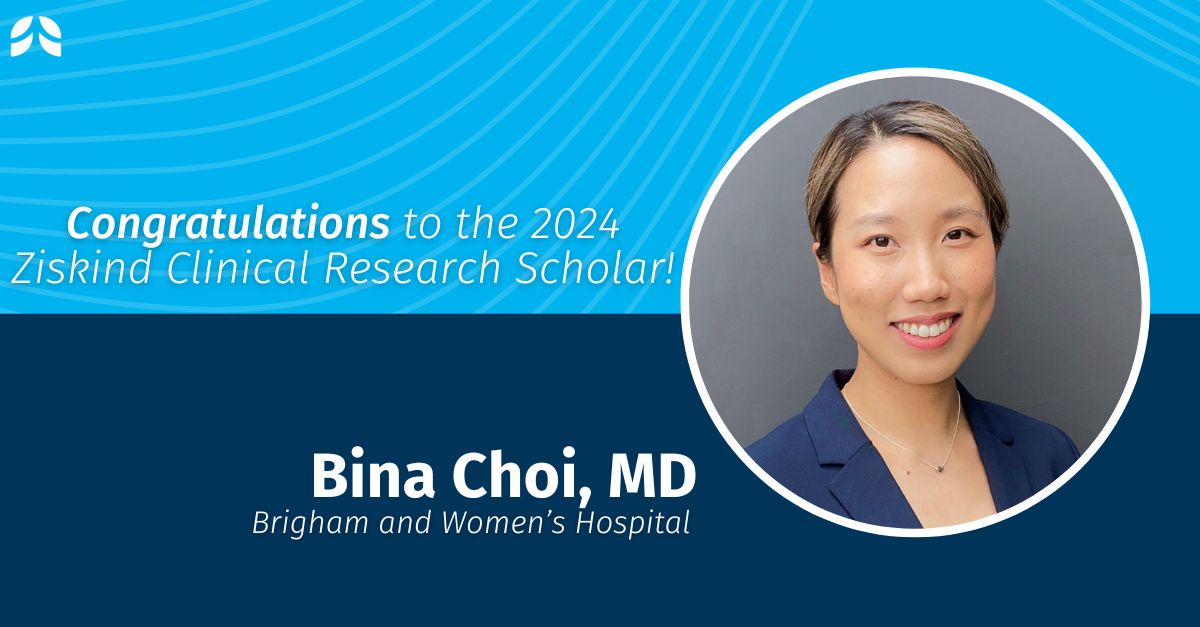
Congrats to the 2024 Ziskind Clinical Research Scholar Awardee, @binachoimd!💫Dr. Choi is a postdoctoral fellow in the Applied Chest Imaging Laboratory at @harvardmed and an associate physician in the Division of Pulmonary and Critical Care Medicine at @brighamwomens. (1/2)
In this targeted editorial, Dr. @bplittle of @MayoRadiology offers insights on a secondary analysis of a prospective study of 3972 participants with smoking history to assess CT progression of quantitative interstitial abnormalities. https://t.co/wcni6aEZtP
Check out our latest works on the field of Spatial Transcriptomics in COPD and Proteomics of QIAs.
https://t.co/r7rf8znZmA
https://t.co/tpeXwrpOAf
Congratulations Rojas Quintero and @binachoimd 🎉
@RKalhan In tissue-specific deconvolution, plasma proteins positively associated with QIA were most highly expressed in the lungs, providing support for the idea that biologic markers of early lung injury can be systemically detectable in the plasma.
Thrilled to see our paper on the proteomics biomarkers of QIA published in Blue!! Thank you to mentors @RKalhan and GRWashko and to our collaborators that made the work possible! https://t.co/Qag5jEYgeY
@RKalhan These proteins were associated w/ aberrant expression in the epithelium, fibroblasts, immune cells, pulmonary capillaries, and pericytes in lung scRNA-seq. Epithelial and vascular injury and abnormal inflammatory responses may be present in early lung diseases like QIA.