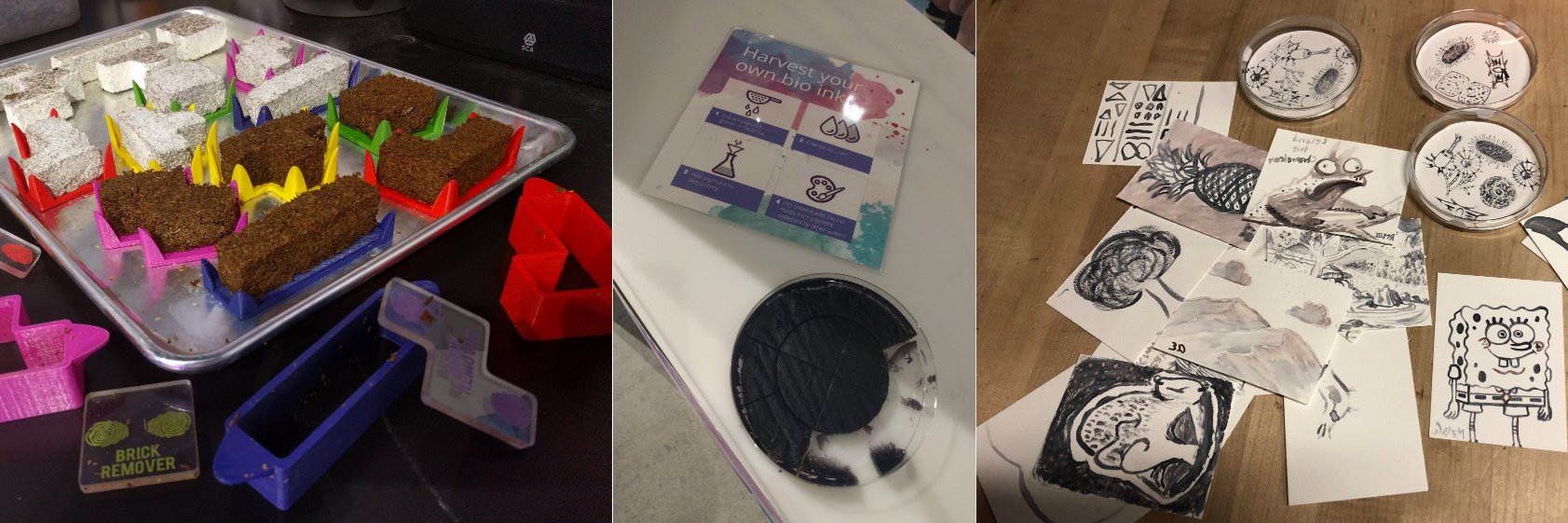
Don't just drink kombucha for #NationalBoochDay... instead use it to grow unique biomaterial!
Learn how you can make your own biomaterial at https://t.co/iznwgkzJyO
Your presents will cause quite the reaction when you use biology and chemistry to create the perfect gift tags. 🧪🎨 The BioTinkering Lab is back for the holidays!
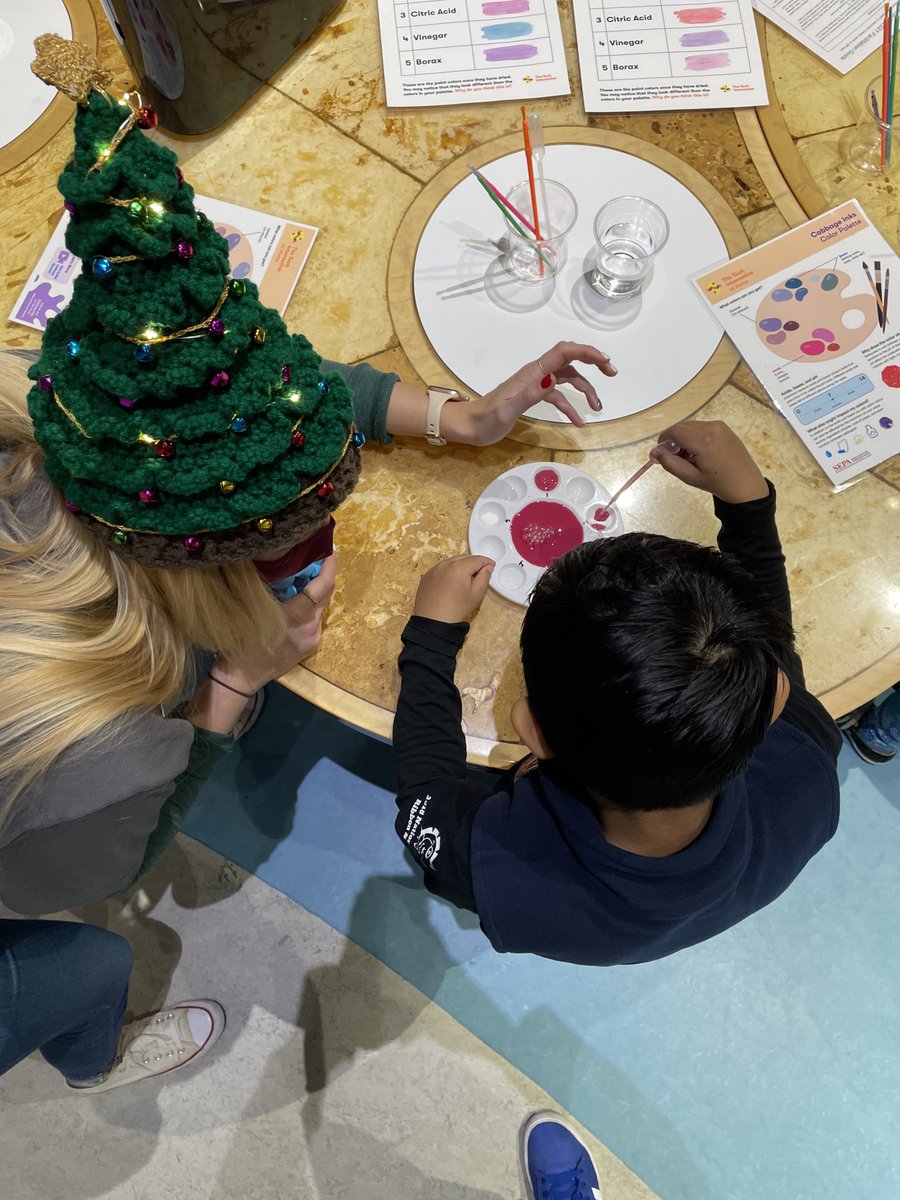
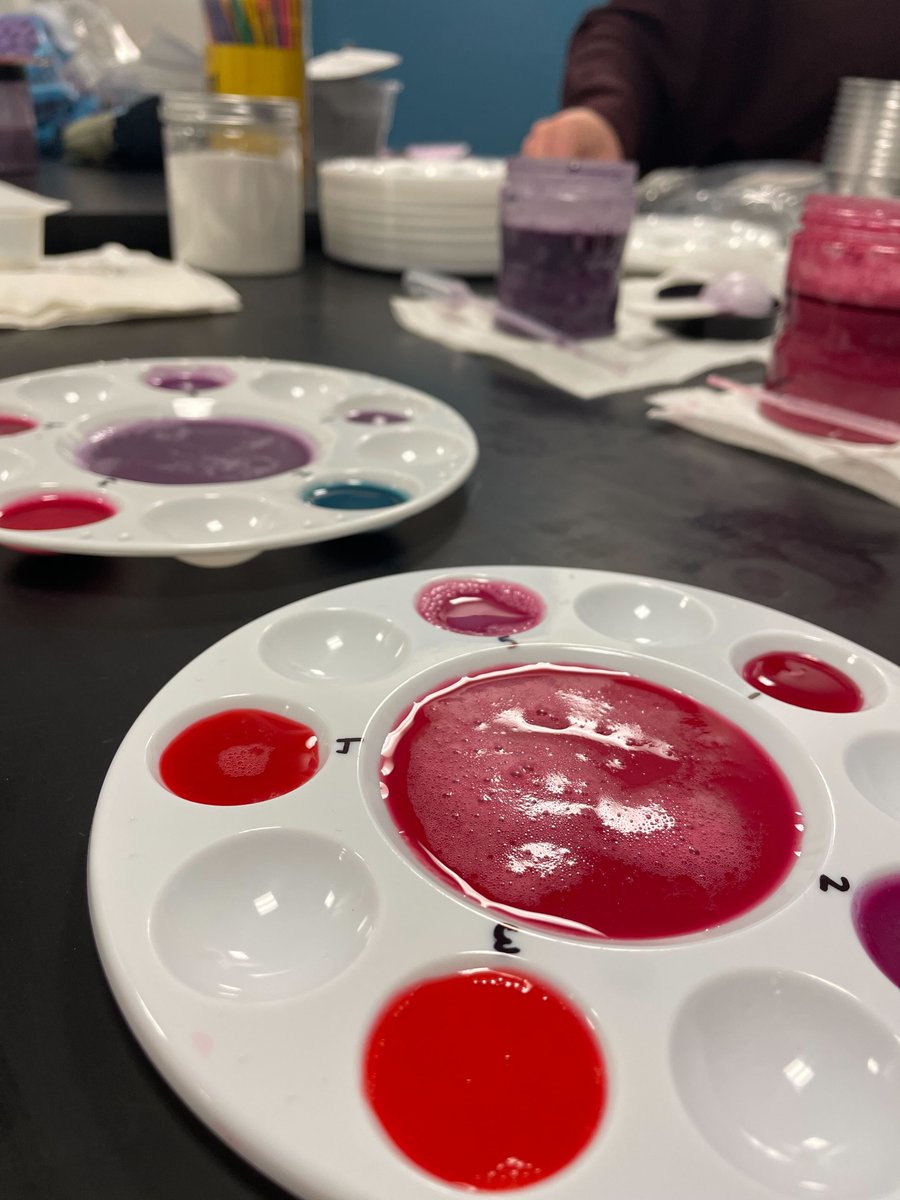
The BioTinkering Lab was full of beautiful, biodegradable color today! Thank you to everyone who was part of our Holiday Cabbage Inks activity, see you tomorrow at 10:30 a.m. for more!
Let it snow... snowflakes made from natural pigments?! ❄️ Throwback to BioInks, where we extracted pH-sensitive pigment from bacteria to make ink 🧫🎨! You too can create your own natural paints at home with our Cabbage Inks activity!
More holiday fun at https://t.co/Uy0vj8ghyE
Let’s celebrate culture, both microbial and social! 🦠 As a @mirzayanfellow, I led a community art project with the Board on Life Sciences at @theNASEM. We grew #KombuchaLeather in the office 🧫 to make microbial portraits! Blog: https://t.co/Q4jvcDGUPT
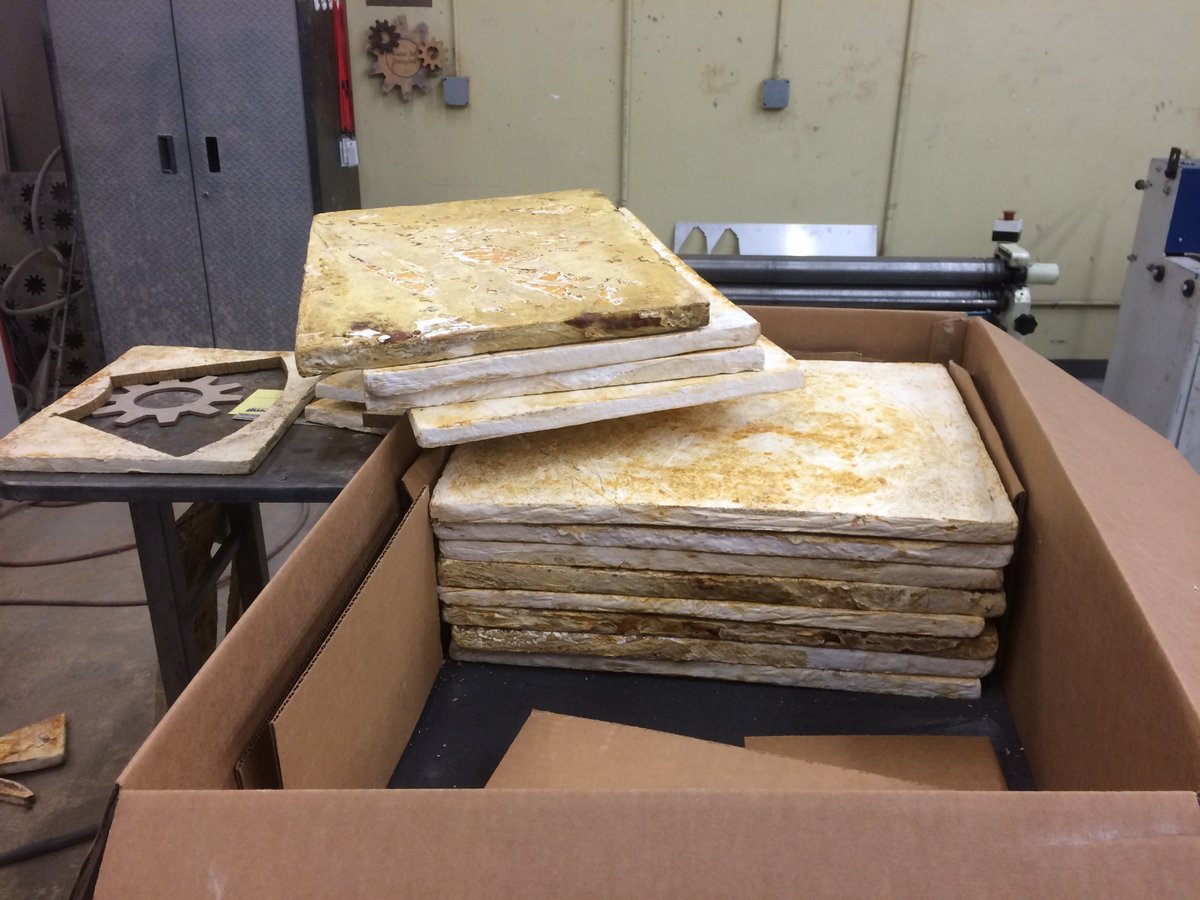
Mushrooms. It’s what’s for dinner… table. On #NationalMushroomDay 🍄, peep our custom BioTinkering Lab tables made with the Reishi mushroom + agricultural waste + some help from our friends at @MycoWorksInc ! Sustainable science at its finest.
Apply to compete in the first-ever Biodesign Sprint, organized by BDC in collaboration with @madebygoogle!
Students, professionals & hobbyists can pitch sustainable solutions for tech-based hardware using biotechnology. Win cash prizes. Apply by 9/29: https://t.co/dnvSd2MqHq
Yay my first SCOBY/bacterial nanocellulose/kombucha leather! thank you @biophilebytes for the encouragement and tips, the and thanks to #giybiobuddies 's great video as well
@keithbraafladt@TheTechInteract Glad your trying it! The depth doesn’t really matter for culture viability or growth. Use whatever shape you want! We often use wider containers just because that gives a larger surface area for a given volume of liquid, meaning a larger piece of biomaterial will form.
Sharing again but with higher voltage—rehydrated algae string is conducive!! Last image is before it was soaked over night and tested w/ a 9v battery. How might we program biomaterial circuitry into woven garments that trigger circuits when wet? @TheTechInteract@biophilebytes