This Python package is your Swiss army knife for bioinformatics. It allows analysis of sequence and biomolecular structure data in an easy and efficient manner.
Biotite 1.7 has just been released. This release initiates the quest of introducing Rust, bringing much higher performance. Also now each and every function has type annotations. For all improvements see https://t.co/lmERsUQTqA
We are excited to announce the first alpha release of
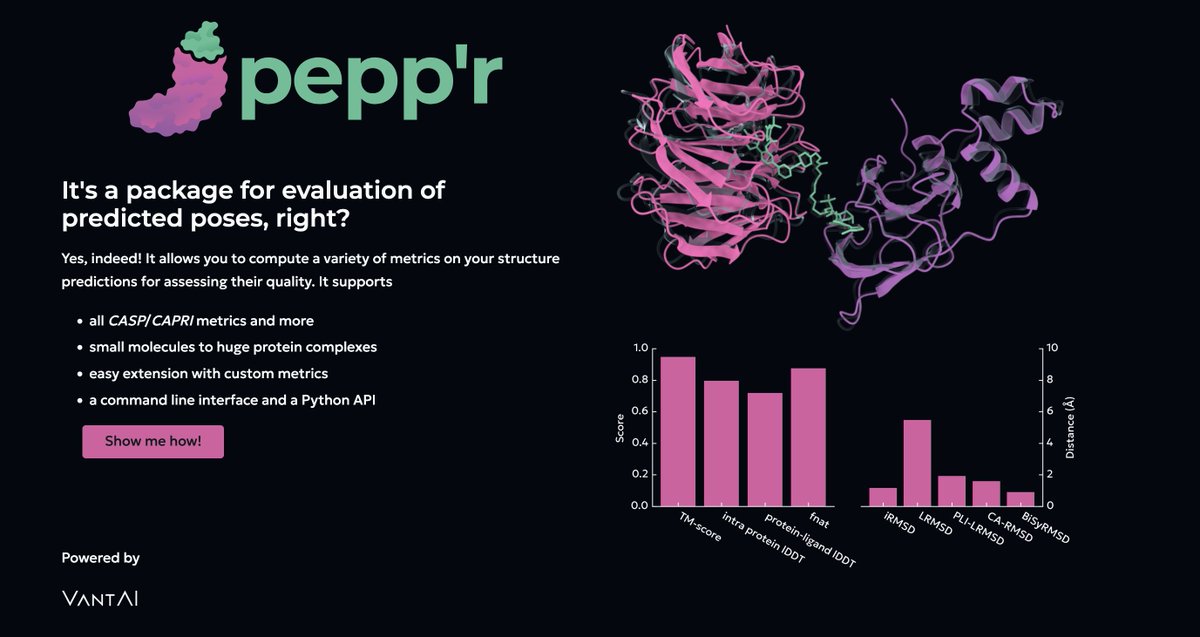
💥 peppr - package for evaluation of predicted poses 💥
an open source framework for structural model evaluation
Find out more at https://t.co/mV1PHlr65H
built on @biotite_python, peppr dramatically simplifies evaluation for structure prediction and de-novo generation tasks.
We built peppr because existing evaluation tools are heavy native binaries with limited cross-platform support and hard to extend. Peppr is built on familiar python and numpy, making it highly extensible without sacrificing speed.
Built on biotite primitives, it also makes interfacing with RDKit and Biotite-based workflows much simpler.
Biotite 1.2 provides new tools for the evaluation of structure predictions, namely lDDT and TM-score.
Download of structure models from @emblebi#AlphaFold DB is also possible.
#Bioinformatics
Biotite 1.2 connects to the bioinformatics ecosystem with seamless interfaces to RDKit, PyMOL and OpenMM. Below you see a simple MD simulation of lysozyme combining the interfaces to OpenMM and PyMOL. The full changelog is available at https://t.co/lmERsUQTqA #Bioinformatics
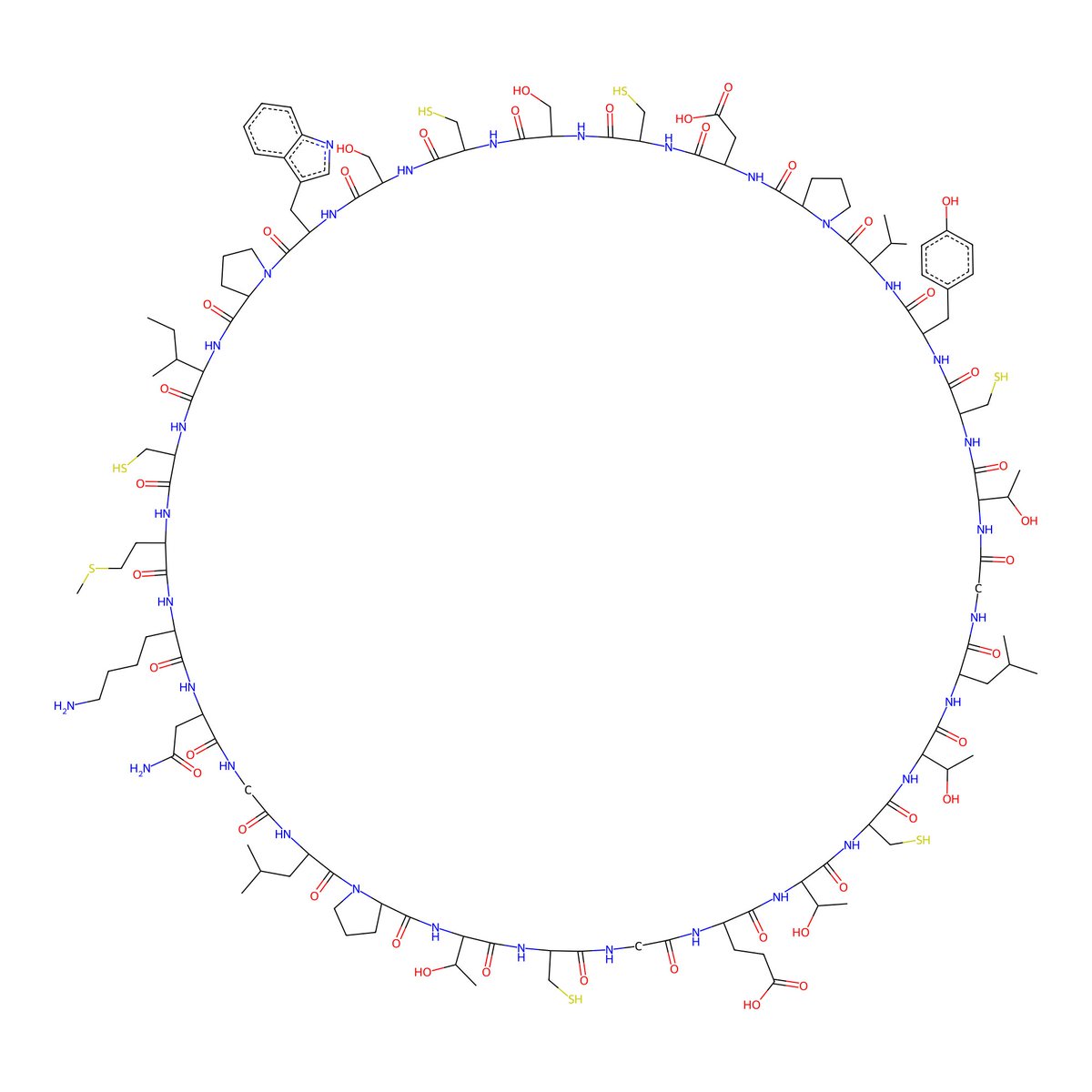
@AminSagar1@RDKit_org The cyclotide structure and its coordinates originate from a NMR structure (https://t.co/yhv5GpqbLs) in the example above, so in this case there is no problem with a generated conformation.
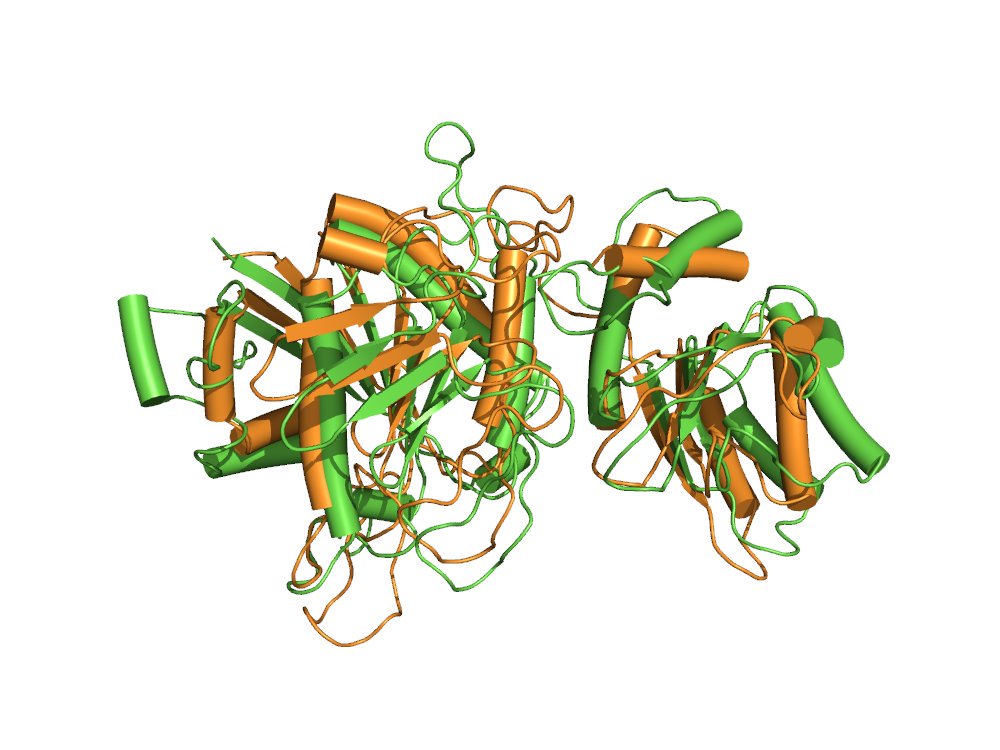
Below you see the result of a custom structure homology search built with the new structural alphabets. The full example is available at https://t.co/ouZ12QNNXE.
Biotite 1.1 is now out and unleashes its alignment functions on more data! Now you can use position-specific scoring matrices for sequence profiles and convert structures to structural alphabets, such as the popular Foldseek 3Di alphabet. https://t.co/lmERsURrg8 #Bioinformatics
Biotite 1.0 has been finally released! A big thanks to all contributors who helped building this package! Besides the removal of deprecated API, this packages brings support for NumPy 2.x and a brand new documentation design: https://t.co/aoK40FFqpW. #Bioinformatics
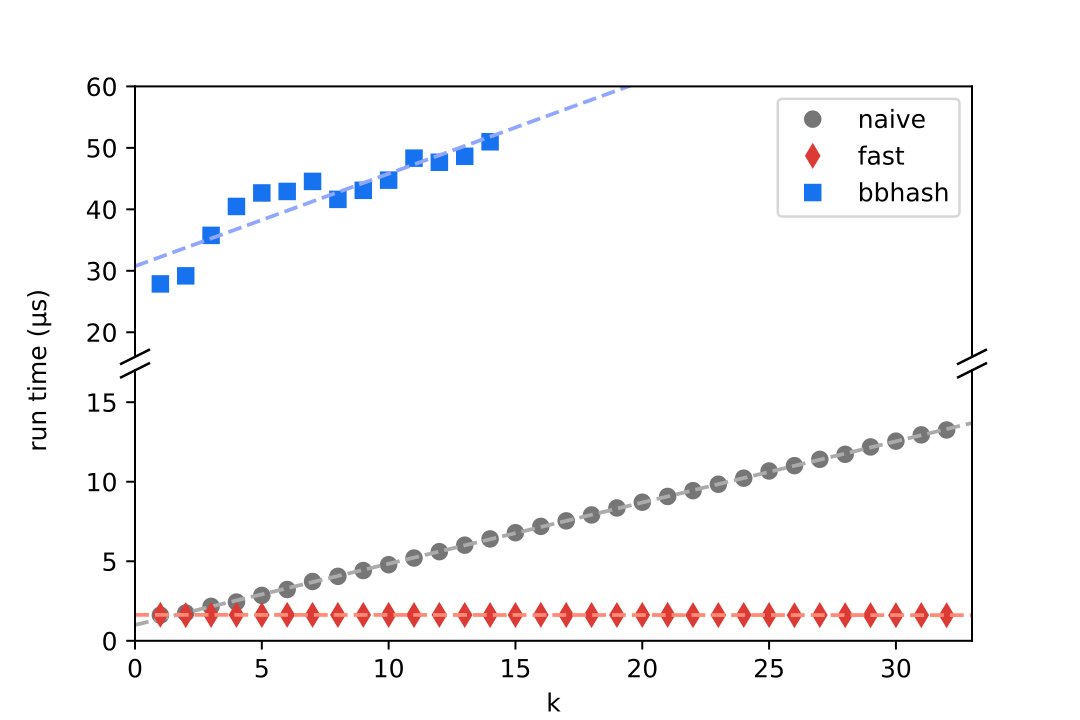
This new preprint describes the method Biotite uses, to decompose sequences into k-mers: https://t.co/6VNLS6t3DG. The algorithm is simple, fast and its speed is independent of the k-mer length. #Bioinformatics
🧬 If you love open source, protein structures and are in NYC, don't miss the one and only @bradyajohnston next week! We'll also have Patrick Kunzmann from @biotite_python with us
We are happy to announce that Biotite will soon get its first major release: https://t.co/Vls7hQqFo2 🎉. Expect a few breaking changes, when upgrading to 1.0.
Biotite finally has a formal governance document: https://t.co/zdlHDgFtDC. Patrick Kunzmann (https://t.co/NqQ9aZAsL7) and Tom Müller (https://t.co/F0nChrkn4A) will continue to maintain the project.
Biotite now uses to Hatch as build backend. The migration was ridiculously smooth. Thank you, @ThePyPA and plugin developers, for this great build system.
Biotite 0.41.0 has been released and it brings quite a bunch of improvements: full-fletched SDF file format, reading/writing bonds in @buildmodels NextGen PDBx files and more robust structure superimposition. Read the full changelog at https://t.co/lmERsURrg8. #Bioinformatics
With version 0.40.0 Biotite now also provides BinaryCIF support as well as a completely refactored PDBx interface. See the full changelog at https://t.co/lmERsUQTqA #Bioinformatics
Switch from MMTF to BCIF
As of July 2, 2024, RCSB PDB will no longer serve PDB data in the MMTF compression format. Users should switch to BinaryCIF (BCIF).
Details: https://t.co/h4wew2QM6Y
Diving into the Chemical Component Dictionary can be quite entertaining. Thank you, @buildmodels.
Me: Can we have 3UQ?
Biotite: We have 3UQ in the PDB.
3UQ in the PDB (https://t.co/1k9HDta4aG):
ICYMI: PDB Entries with Novel Ligands Now Distributed Only in PDBx/mmCIF and PDBML File Formats
First 5-character ligand has been released: https://t.co/hyix7UNiGL
Details: https://t.co/J3n5lItu79
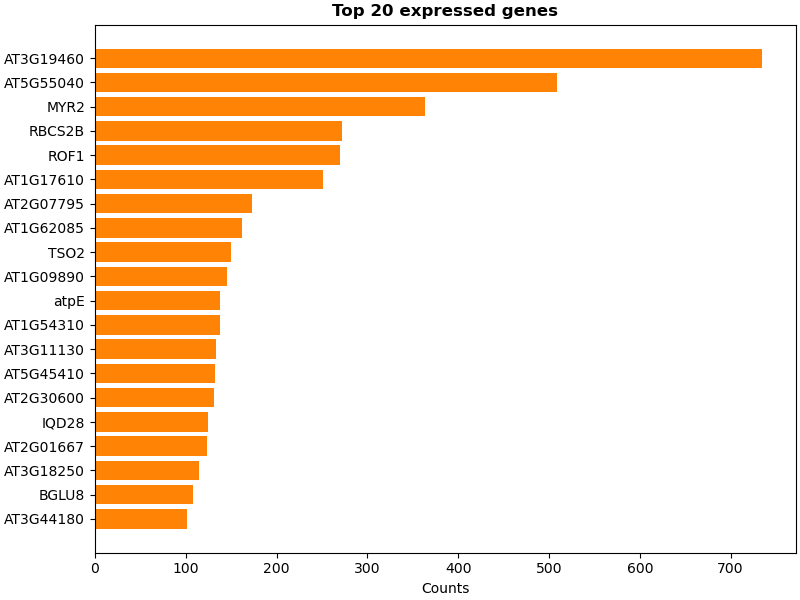
Biotite 0.39 is now released. Beside a multitude of improvements it expands its k-mer matching methods, by supporting minimizers, syncmers or any custom subsetting method. Below is an example using these for gene counting. #Bioinformatics