Young birders focusing on the identification of British birds through sound and sonograms, with advice on photographic ID features of easily confused species.
Hi everyone- we've started this account to share recordings of British birds in order to help more people of all ages develop their identification skills. While we'll primarily have a focus on sound ID, we'll also give general tips on identifying different species.
Lesser Spotted Woodpeckers are our smallest & sadly rarest woodpecker, a true relic of our mature woodlands. Though it's now a little late in the spring to locate them, still listen out for their distinctively longer, faster drumming pattern @lesserspotnet@ukrbbp@BBS_birds
Hi everyone- after a busy year for us, we're back! Our first tweet in a while is on the Mistle Thrush-sounding somewhat similar to Blackbird, these birds have a mournful yet exciting song which they express in short, sharp phrases. Audio and photo ID below.@xenocanto@birdbrainuk
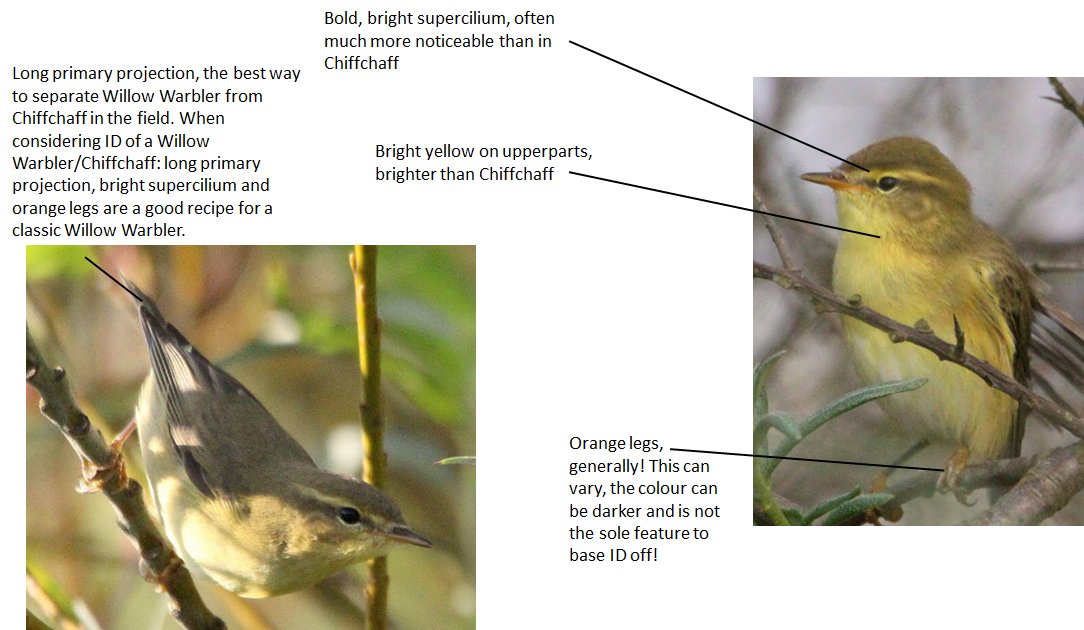
Today we share perhaps one of the best sounds in British birding, the song of the Willow Warbler! This melodic song can be heard throughout the UK, and really is a springtime favourite. This one is well worth listening to! @_BTO@Britnatureguide@ChrisGPackham@theAliceRoberts
One of the most characteristic sounds of spring comes from our widespread but declining songster, the Skylark. The majority of birds will start singing now and carry on right through summer- towering high above their territories while they do. Have you heard one yet this spring?
Visual ID can be confusing when not familiar, so here is how to identify any silent Spotted Flycatchers you see. They're quite interesting to watch as they (as their name would suggest) flycatch from exposed perches. @Natures_Voice@ChrisGPackham#Springwatch
Today we focus on a bird that has suffered a huge decline over the last 40 or so years, the migrant Spotted Flycatcher. Look and listen for them on woodland edges. Learning to ID them by sound will greatly help your chances of picking one out. @SpotyFlycatcher@_BTO@BBS_birds
Visual ID should be fairly simple with a good view, but this is a species that is remarkably hard to see. This comprehensive guide should give you all you need to confidently identify them by sight. Many thanks to @nikols_steve for his fantastic photo!
Today we're focusing on a quite brilliant songster, and fitting for the start of #springwatch. The Grasshopper Warbler is found across the UK in reeds and scrubland. Their distinctive song is the easiest way to interact with this shy species. Listen to this! @ChrisGPackham
Given Whitethroats can be found in all sorts of habitats, keep an eye out for their distinctive display flights, which they often do simultaneous to their uplifting, chattering songs. Here are some tips on ID by sight alongside song (above.)
After a busy month for us, we're back with a new style of tweeting. With most spring migrants now very much in song, we're starting a series of warbler tweets with the underrated Common Whitethroat! @_BTO@BBCSpringwatch@ChrisGPackham@theAliceRoberts
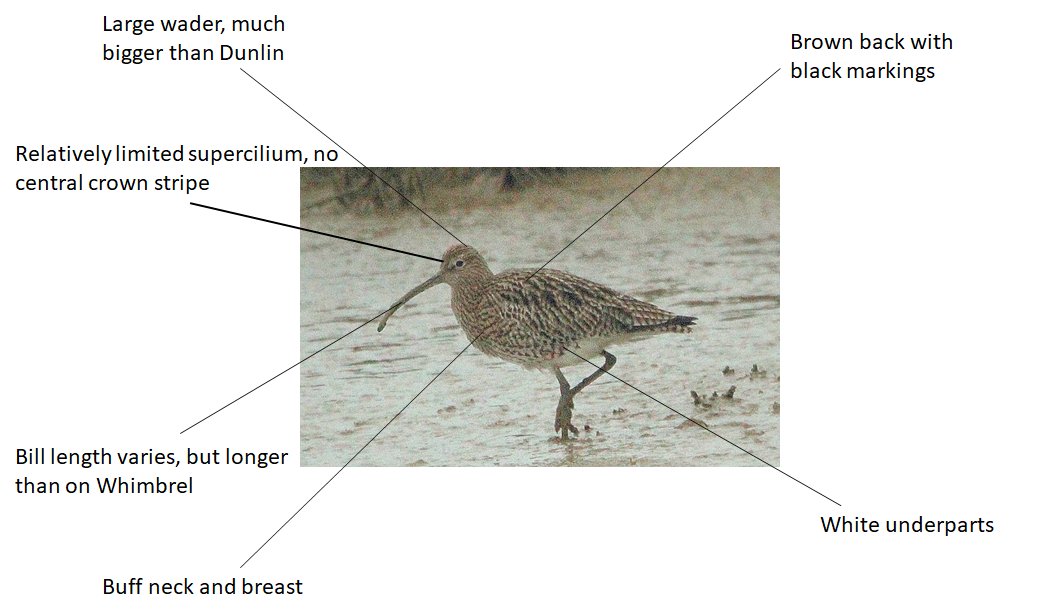
Curlew are relatively easily encountered around the coast of the UK, here is how to seperate them from other waders. If you record #nocmig then this sonogram analysis should also be helpful! Thanks to @_TCartz and @birding_buxton for their additional recordings!
The much-loved Curlew is a declining bird in the UK, but it's wonderful call can be encountered as they migrate at night. Here are a selection of three call types you may encounter from this stunning wader. @_BTO@GrahamFAppleton#nocmig
Sound recorded my 100th species yesterday! And what a bird for 100 - Willow Warbler. Bird song simply doesn't get much better than this. Magical. Coincidentally the same recording we've just used for @BirdingIchos@xenocanto@_BTO
Today we share perhaps one of the best sounds in British birding, the song of the Willow Warbler! This melodic song can be heard throughout the UK, and really is a springtime favourite. This one is well worth listening to! @_BTO@Britnatureguide@ChrisGPackham@theAliceRoberts
Curlew are relatively easily encountered around the coast of the UK, here is how to seperate them from other waders. If you record #nocmig then this sonogram analysis should also be helpful! Thanks to @_TCartz and @birding_buxton for their additional recordings!
The much-loved Curlew is a declining bird in the UK, but it's wonderful call can be encountered as they migrate at night. Here are a selection of three call types you may encounter from this stunning wader. @_BTO@GrahamFAppleton#nocmig