"The [Great Salt Lake] is resilient and has rebounded from low levels before, but if levels are too low for too long, it might never recover, warned Marcelle Shoop, [Audubon's] director of the Saline Lakes Program." @sltrib#BirdsNeedWater https://t.co/5TPL2J9DZk
A mysterious illness has been affecting birds across multiple areas of the U.S., including the Great Lakes and mid-Atlantic regions. The cause is as-yet unknown but we suggest following recommendations from state and federal wildlife agencies. Learn more: https://t.co/EpjXn4xGW8
Did you know that due to disturbance by recreational beachgoers, some beach-nesting birds like the Least Tern are nesting on unsafe rooftops? Learn what @AudubonFL is doing to help chicks from falling. https://t.co/zVabpiCCCF #ShareTheShore
It's that time of the year: we're excited to announce the winners of the 2021 Audubon Photography Awards! The winged wonders that share our planet can reveal everything from the finest details to the largest patterns of life. Take a look: https://t.co/3zT5qHE2SI
Times may have changed, but our love for birds has always stayed the same. Take birding home with you by downloading the free Audubon Bird Guide app on your phone: https://t.co/4JuYBNKmTu
For thousands of years the Omushkego have practiced traditional conservation methods in the Hudson & James Bay, ensuring the safe travels of birds like Snow Geese. Learn about their stewardship & how we can support protecting this globally important place. https://t.co/4xLdNqS2HN
#ClimateChange leaves no habitat untouched. A recent study uncovered significant bird declines in what is considered a 'pristine' 37,000-acre region of the Brazilian Amazon rainforest. #BirdsTellUs https://t.co/LDq9BY9HMA
Building on our science indicating that saline lakes provide interconnected habitat for birds, a bill was reintroduced to study & monitor these vital places amid increasing water demands in the West. Learn more on this specialized habitat. https://t.co/ddZqeJBL2d #BirdsNeedWater
What soaks up carbon pollution and provides food and habitat for birds? Dive into about the climate-fighting power of Eelgrass—a swaying, flowering saltwater plant whose coastal meadows are vital to birds and other wildlife. https://t.co/42XQhOP6qC
Lol people born in the 1800s were so fucking dumb, no internet, no video games, just boring farming and fording rivers with their carriages. Should’ve waited to be born two hundred years later. Idiots
The @forestservice removed protections from the Tongass—our largest national forest—last fall, putting bird and wildlife habitat at risk. Urge Congress to #ProtectTheTongass by passing the Roadless Area Conservation Act. Take action today: https://t.co/3i1adlqTUG
Collisions with human-made structures is a leading cause of bird deaths in the US. But the Bird-Safe Buildings Act would help prevent many of these needless deaths. Urge Congress to support this important legislation: https://t.co/fKpAboG3FX
Colombia has the most avian biodiversity on Earth, and two photographers set out to shoot as many of the country's 1,958 bird species as possible. Check in on their adventure at the halfway point. https://t.co/AAFGejaBLm
Mama Rose-breasted Grosbeak looking over her nestling. I paused long enough on the nature trail for a few photos and then left as to not bother them too much.
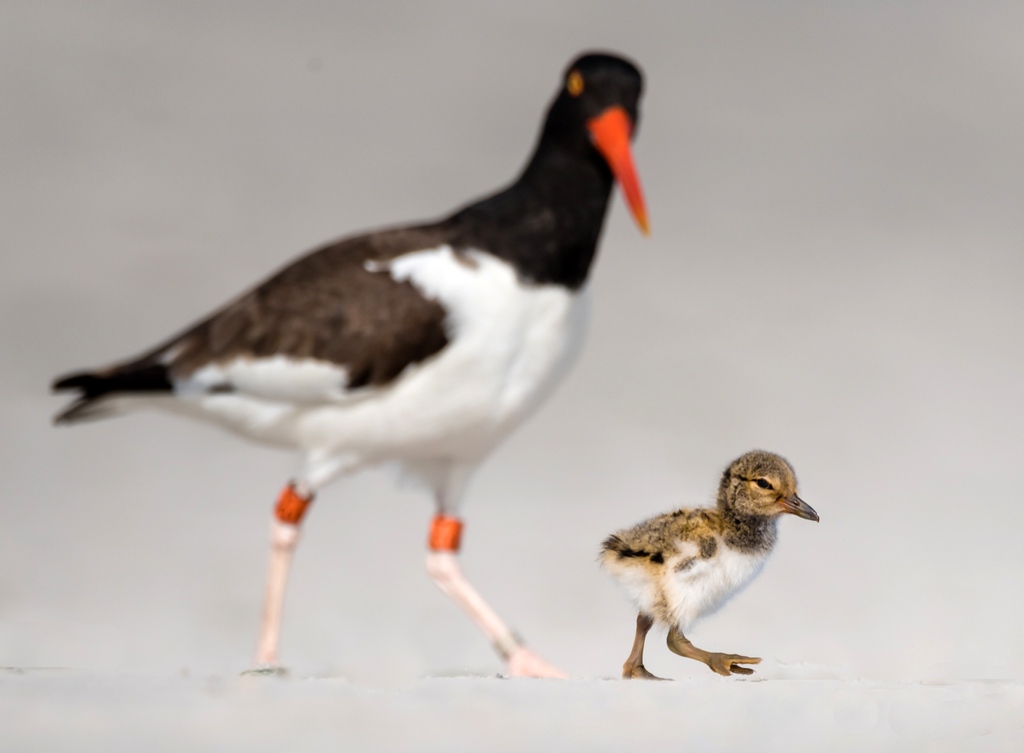
Beach season is here! If you're headed to the coast, remember it's also nesting season for many shorebirds. Let's help them be successful and #ShareTheBeach.
https://t.co/h0xnpMGknp
Photo: American Oystercatcher adult and chick by Jay Gao
Stay connected with fellow bird-lovers by joining an online or in-person Audubon event, with topics ranging from birdy celebrations to interactive courses. https://t.co/eXbcefnKlx
Both Sandhill Crane parents feed and care for their young. Since Sandhill Crane colts can be aggressive towards each other, each is typically tended to separately. The adult female usually takes the first hatchling, and the adult male takes the second. https://t.co/iD6eOeyTtI