Just a few points on the selection of the UN Secretary General this year compared to the past . The current process is undeniably complex but lengthy negotiations, deadlocks, last minute candidates, and decisions well into December are nothing new.
1. The first selections were hardly straightforward. In 1946, America’s favourite, Lester Pearson, was blocked by strong Soviet opposition before Trygve Lie (who had just lost out being President of the General Assembly - seen then as the higher office) emerged as a compromise; In 1950, Lie’s term was extended by the General Assembly without Council agreement (because of a Soviet veto, leading Moscow to refuse to recognise his SG-ship). In 1953, the Council struggled for weeks before unexpectedly agreeing on Dag Hammarskjöld, who was not even aware he was a candidate.
2. The biggest crisis came in 1961 after the killing of Hammarskjöld when the UN went more than six weeks without a Secretary-General. The USSR wanted to replace the office with a three-person executive, or troika, leaving the very future of the office was in doubt. U Thant’s appointment on 3 November resolved the immediate crisis. Central to the appointment was the thorny question of who would be Thant’s top aides (the highest rung at the time were 8 Assistant Secretaries-General). This was settled only when Thant made clear he would accept no dictation on this issue. He accepted reappointed in December 1966 (which is why we now have terms through December) only after secretly choreographing a specific set of unanimous votes in the SC and GA (which he hoped would strengthen his hand in brokering an end to the Vietnam War).
3. Later selections were also frequently contentious. In 1981, China vetoed Kurt Waldheim 16 times (despite a majority in favour of a third Waldheim term) while the US opposed Salim Ahmed Salim; Pérez de Cuéllar, who did not campaign for the post, emerged, after the first “straw poll” as the compromise. In 1996, the US vetoed Boutros-Ghali (in a 14-1 secret vote); 28 days of negotiation followed before there was agreement on Kofi Annan.
4. Until the 2000s, late appointments also tended to be the norm rather than the exception. The Council agreed on Waldheim on 21 December 1971 (P5 meeting informally first on 7 and 11 December), Pérez de Cuéllar on 11 December 1981 and Annan on 13 December 1996.
5. Will leave it to @RichardGowan1 to add anything on Gladwyn Jebb.
@SominiSengupta@SCRtweets
https://t.co/6X1hgGLlU9
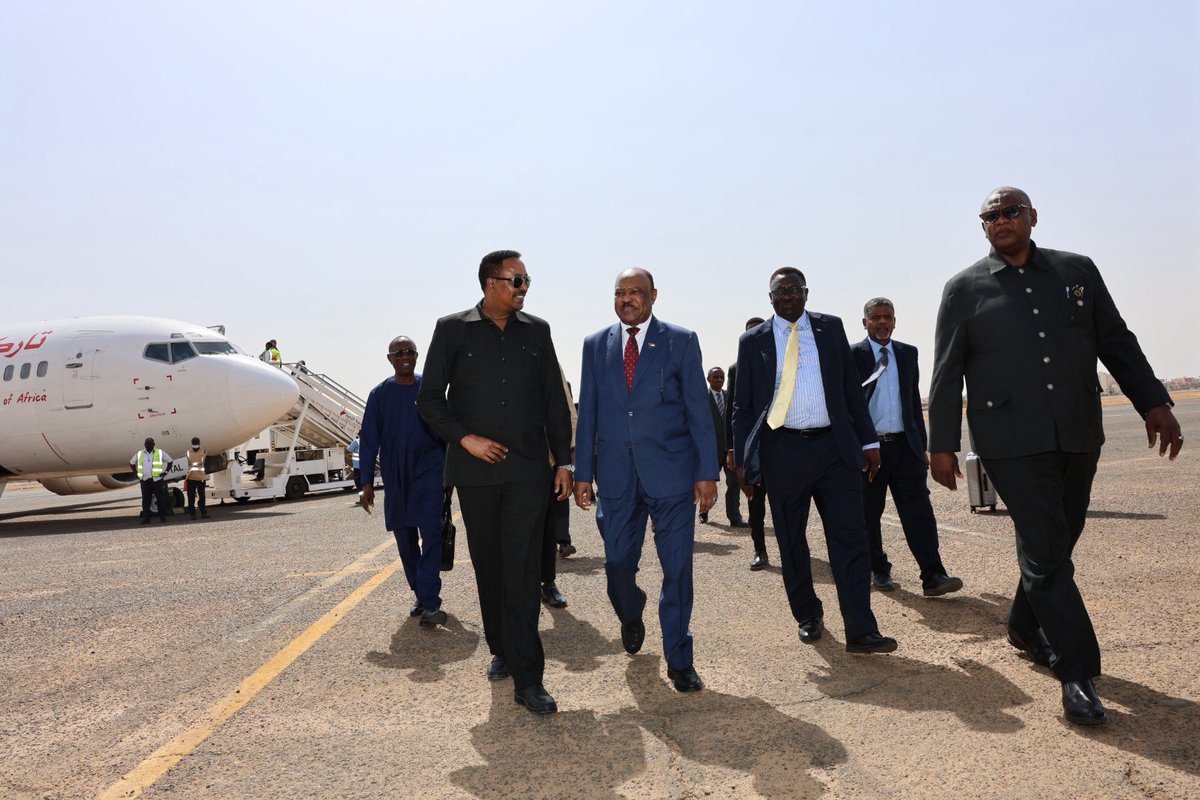
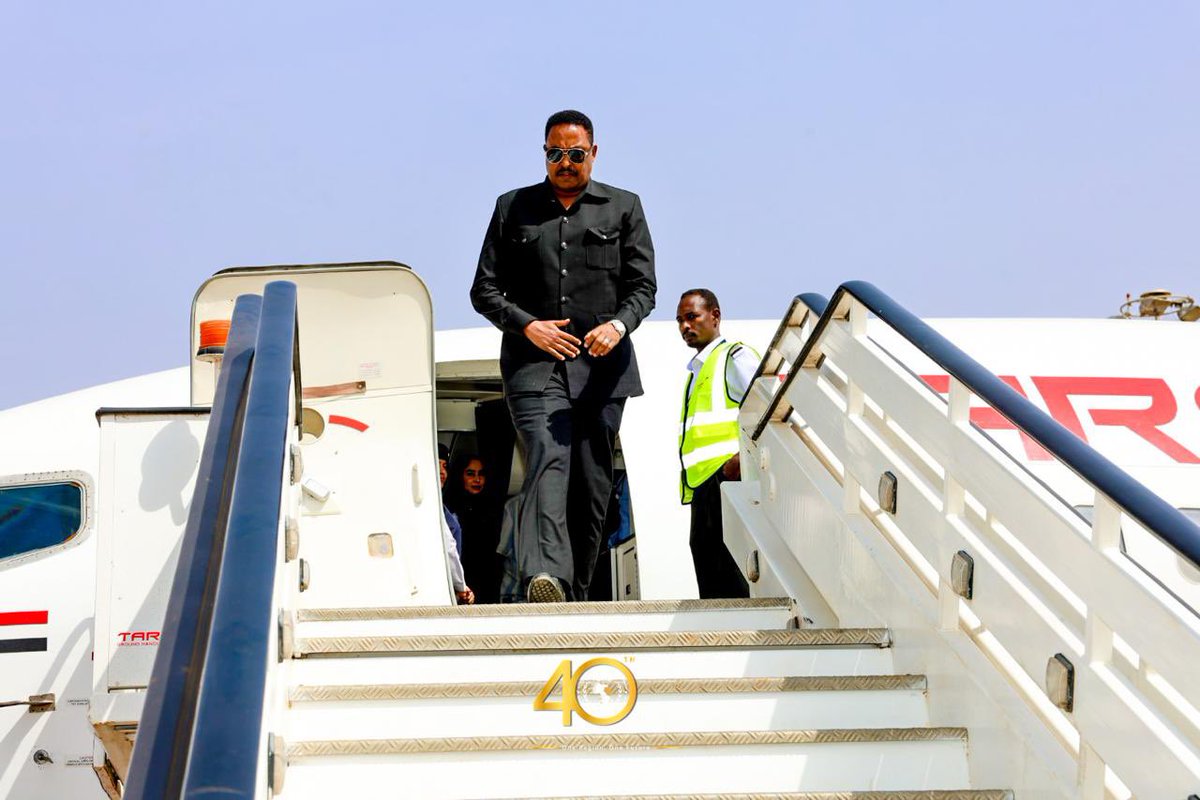
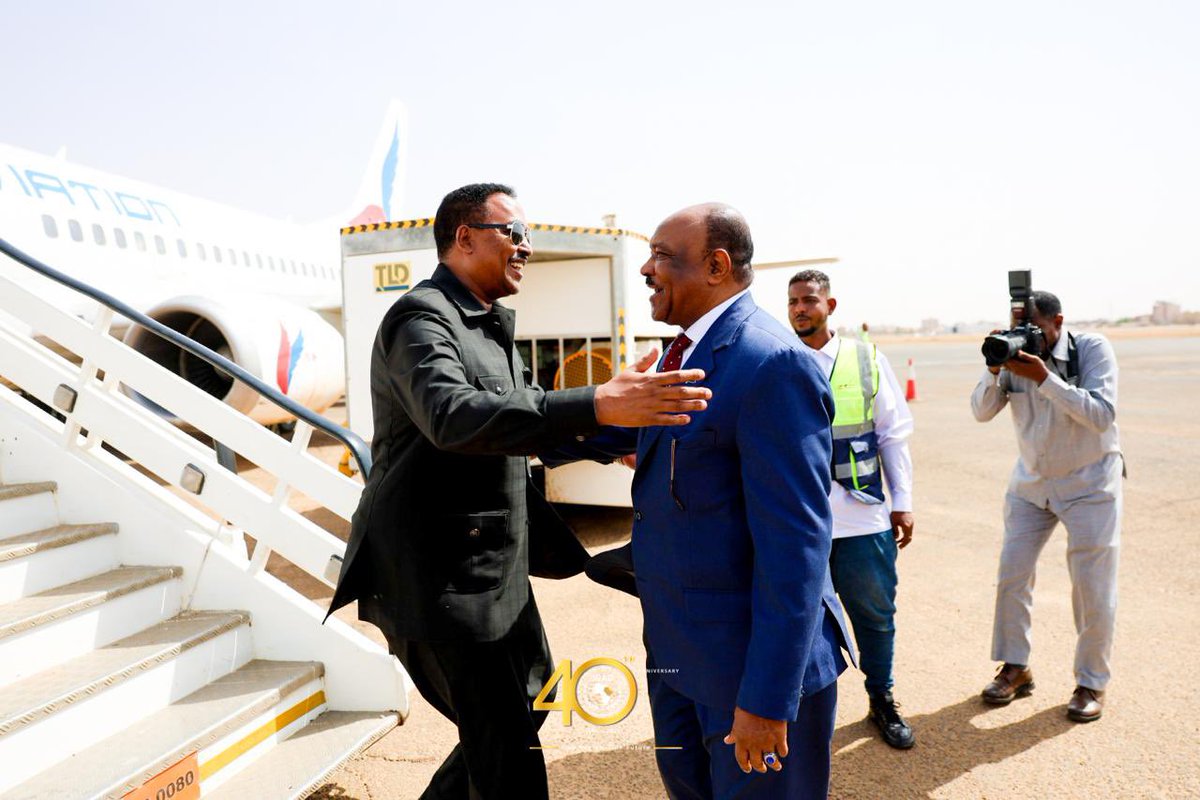
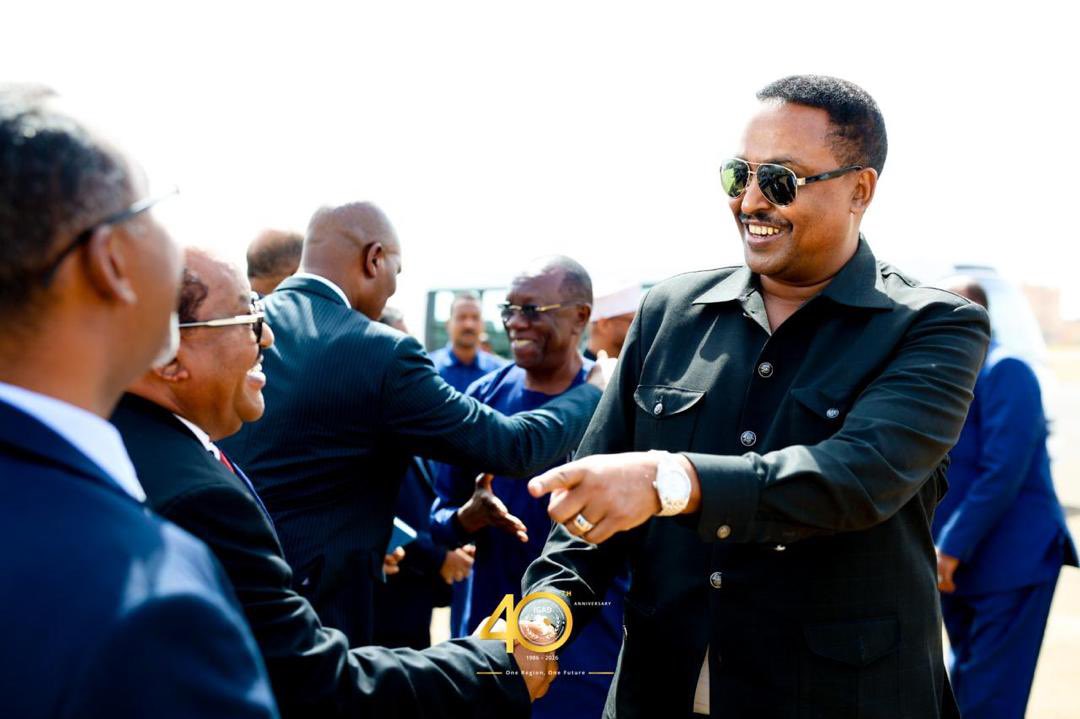
This morning, I arrived in Khartoum to engage with the leadership of the Republic of Sudan and assess the situation on the ground.
During my visit, I will hold high-level discussions on the path to lasting peace. The future of Sudan belongs to the Sudanese people, and IGAD remains committed to supporting their efforts towards dialogue, peace, and recovery.
Having just concluded the UN Town Hall with fellow candidates for the next UNSG, I would like to thank the President of the UN General Assembly @UN_PGA H.E. Ms. Annalena Baerbock for organizing the debate and extend my appreciation to all Member States, Civil Society Organizations and UN Staff who joined us this evening and participated actively.
My engagements with Member States and other stakeholders continue.
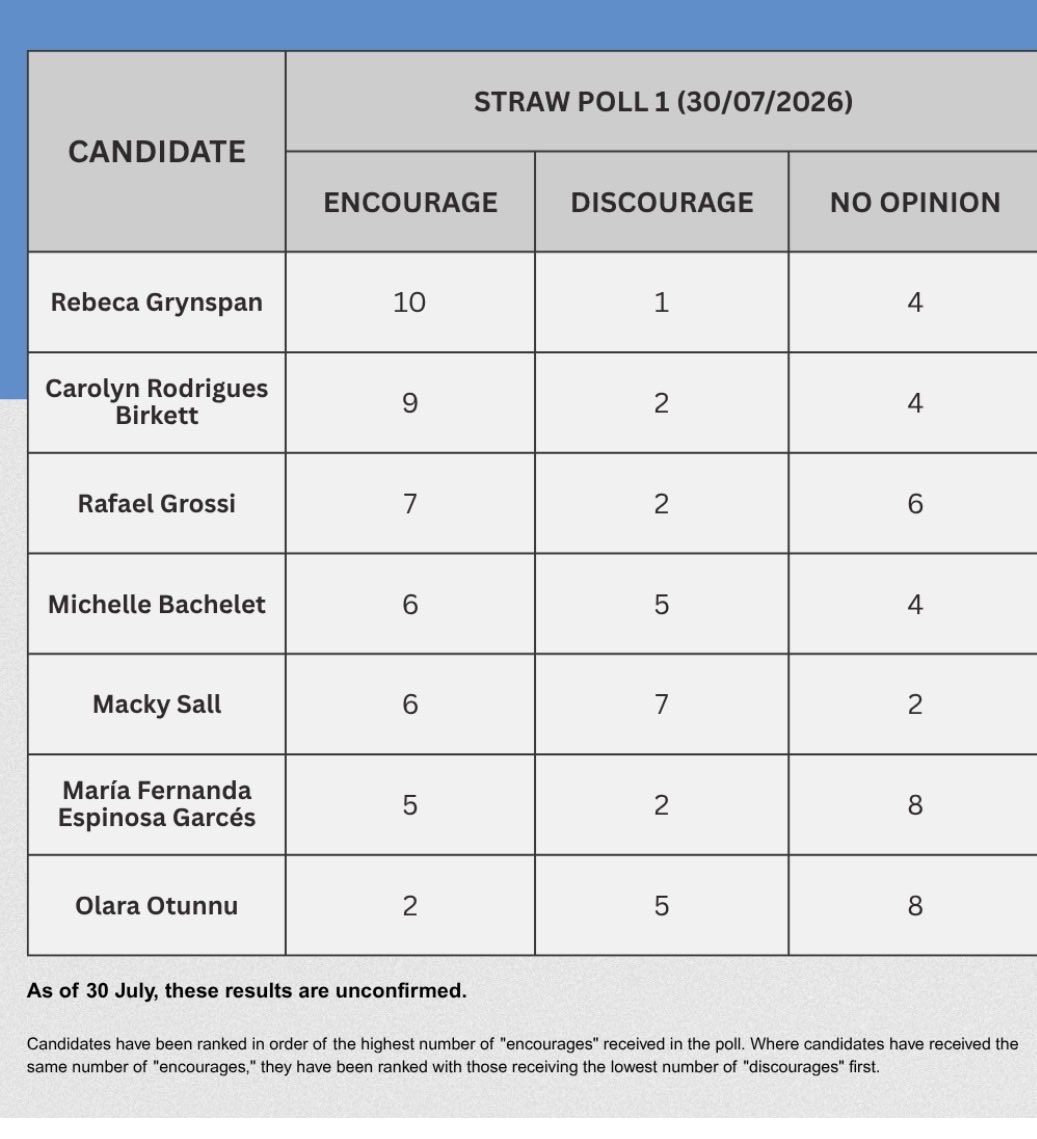
BTW, I have seen the polls ☺️. Thank you.
As #Quintet, we remain committed to supporting an inclusive, Sudanese-led and Sudanese-owned political process aimed at advancing prospects for a sustainable peace in Sudan🇸🇩
Veteran diplomat Ambassador Konjit Sinegiorgis, who had been receiving medical treatment, has passed away.
Ambassador Konjit joined the Ethiopian Ministry of Foreign Affairs at a young age in the 1950s and went on to build a long and distinguished career spanning several decades. Throughout her service, she assumed major responsibilities across a wide range of diplomatic roles, making significant contributions to Ethiopia’s foreign service.
Widely recognized as Ethiopia’s second female Ambassador, following Yodit Imru, Ambassador Konjit served as Ambassador Extraordinary and Plenipotentiary in Ethiopia’s diplomatic missions in Ottawa, Cairo, Tel Aviv, and Vienna during her career.
In addition to her bilateral assignments, she represented Ethiopia in key multilateral institutions. Notably, she served as Permanent Representative to the African Union and to the United Nations Economic Commission for Africa (ECA).
From June 2017 to September 2018, Ambassador Konjit also served as a Special Advisor in the Intergovernmental Authority on Development (IGAD)-led South Sudan peace process, where she contributed her extensive diplomatic experience to advancing regional peace efforts.
The Ministry of Foreign Affairs expresses its deep sorrow at the passing of Ambassador Konjit and extends its heartfelt condolences to her family, friends, and colleagues.
Here is the @MAEBurundi letter nominating Macky Sall as a candidate for the next UN SG (along with his vision statement).
While it's notable that Burundi (current AU Chair) submitted Sall's candidacy, this does not appear to be an AU-endorsed nomination.
https://t.co/UIpBoVPMnE
The SG's caution about the public/visible dimensions of his role of 'chief diplomat' is something that raises ire among many diplomats across the UN. @thantmyintu points to a specific example where the UN's good offices could make an impact.
NOW: African Chiefs of Defence and Heads of Safety and Security Services are meeting at AU HQ for the 20th #ACDSS, following the 8–9 Dec Experts Meeting reviewing progress on decisions from the 16th STCDSS and 19th #ACDSS (June 2024).
Communiqué of the 1308th Meeting of the Peace and Security Council of the African Union(#AUPSC) held on 28 October 2025, on Update on the Situation in #Sudan 🇸🇩
🔗 https://t.co/Fn7Ez0m9SE
South Africa #G20 Presidency has established an Africa Expert Panel to bring the development challenges of the continent to the fore. I am happy to join eminent colleagues in this endeavour under the leadership of Trevor Manuel. More:https://t.co/HISAJVWrVW
The new AU Commission leadership's first statement, attributed to @ymahmoudali, has the difficult task of framing a Doha-based meeting as aligned with the paradigm of African-led solutions to African problems. #Rwanda#DRC
🎙️ New episode of The Afropolitan Podcast
@BeverlyOchieng, Senior Analyst @Control_Risks & Senior Associate of @CSIS Africa, joins host @CatherineNzuki_ to discuss the new Alliance of Sahel States and what it means for Africa’s legacy institutions.
🔗 https://t.co/efMmwv2rM7
I was pleased to welcome the A3 Plus Group of the UN Security Council at our Georgetown headquarters 🇬🇾. Our discussions included initiatives to strengthen ties, including the CARICOM-AU Summit in Addis Ababa, Ethiopia scheduled for 7 Sept 2025.
BREAKING: Burundian troops will leave Somalia after the federal government of Somalia and Burundi failed to agree the number of soldiers who will be serving under AUSSOM. Egyptian troops will be deployed in Somalia as part of the AUSSOM mission.
Here are the AU troop contributing countries:
Uganda: 4500
Kenya: 1410
Ethiopia: 2500
Djibouti: 1520
Egypt: 1091
Thank you, Richard Randriamandrato and @RailaOdinga, for offering your visions to Africa. Leadership is not only about holding office but about standing up when the stakes are high.
Congratulations to Mahamoud Ali Youssouf (@ymahmoudali) for taking on one of the hardest jobs in the world. You have the right experience and knowledge. Even though your role as Commission Chair is circumscribed by the Constitutive Act, within these formal constraints lies space for transformative leadership. You know better than most that you are stepping into an institution where member states guard their sovereignty but leave commitments unmet, where regional blocs weaken under strain, and where external actors shape African affairs not just through diplomacy but through the financial dependencies that bind the Commission itself.
I urge you to focus on where authority is real. Driving the Commission’s work program, enforcing the implementation of Assembly decisions, and ensuring the Secretariat functions with purpose are not just bureaucratic tasks but levers of influence. The challenge is not simply institutional inertia but the reality of fragmented power. The AU cannot impose compliance, but it can build coalitions that raise the cost of non-performance. It cannot stop external influence, but it can shift Africa’s negotiating posture from supplication to strategy.
Your new job is inherently lonely, filled with weighty expectations and constrained by the limits of its tools. The hardest decisions will be made in moments when clarity is absent and hesitation could mean failure. You will not have the luxury of consensus before action. The institutional mandate is limited but leadership is not. The real test will be in asserting the Commission’s relevance when many would prefer it remain weak. You will need to act in ways that compel movement, recognize the value of surprise and invention, and create conditions where the AU becomes impossible to ignore, even for those accustomed to dismissing it.
You also know that a leader with too much of an eye on reelection is slow to act, too diffident, and too easily intimidated into paralysis. But the moment is too urgent, the lives at risk too many, and African freedom and independence too threatened to let calculation overtake conviction. A leader trapped by caution is already losing. Real leadership in times of peril guarantees respect. Those of us who understand the gravity of this moment will honor you for the courage to do what is necessary.
Trust your instincts. They have been honed over a lifetime of service. Never forget that those who stand still will be forgotten, but those who act with a love for Africa will shape its future and unleash the immense forces it contains to make the world a better place. @_AfricanUnion
NOW: The #AU Peace and Security Council, at the level of Heads of State and Govt, meets to discuss the situations in #Sudan & Eastern #DRC. Chaired by H.E. Teodoro Obiang Nguema Mbasogo, President of Equatorial Guinea and Chairperson of the PSC for the month of February,..1/2