BitDevs Zambia is the technical arm of @BitcoinZambia, created to foster community-led research, discussion, and development of Bitcoin and related protocols.
1 down, 7 to go!
Last week we launched Bitcoin OSS Campus Ignition @ Cavendish University Zambia: introducing Bitcoin open-source education to university students
Help bring Bitcoin OSS to more campuses: https://t.co/o8Ivpn6ToQ @btrust_builders@FreeRoutingAf@afribitcoiners
NEW: 🇿🇲 From Lightning Bootcamp Graduate to Bitcoin Builder.
Mabvuto Banda, a graduate of Zambia’s inaugural @FreeRoutingAf Lusaka Lightning Developer Bootcamp in 2025, progressed from a learner to an international challenge winner and independent open-source builder.
Read More: https://t.co/XcVM4Yyyc1
From Lightning Bootcamp graduate to Bitcoin builder!
Mabvuto Banda, a BitDevs Zambia member and graduate of our first Lusaka Lightning Bootcamp run by @FreeRoutingAf, is also a winner of @breez_tech’s Time2Build Challenge.
Now building https://t.co/MJQgLNeJ89.
Librería de Satoshi is now ISMOS 🎉
Five years teaching Technical Bitcoin in Spanish taught us this: language shouldn’t decide who gets to learn, and building Bitcoin well starts with its foundations.
A new name for a bigger mission.
Cryptography, math, software engineering, AI and critical thinking, in more languages and more countries, all built on the foundations Bitcoin taught us.
The Sovereign Stack Hackathon is here!
Starting Oct. 20, we’re bringing African women together to build real-world Bitcoin solutions, grow as developers, and contribute to open source.
The future of Bitcoin needs more women building.
#SovereignStack#WomenInBitcoin
We're excited to welcome Trezor Academy @TrezorAcademy as a sponsor of the Sovereign Stack Hackathon. Trezor Academy is helping people worldwide understand Bitcoin, explore its tools, and learn how to use it securely. Glad to have them supporting the Sovereign Stack Hackathon.
BITCOIN BANAMAYO PRESENTS: Bitcoin Whitepaper Day 🧡🇿🇲
A short paper that changed the world. 18 years later, it's still worth reading.
⏰Join us tomorrow for an intimate dinner and discussion around Satoshi's whitepaper.
Thanks to our Partners: @TrezorAcademy@BitcoinZambia
What does it take to win a #Bitcoin hackathon?
We asked someone who has built #Bitcoin’s core software and WON past hackathons! 😎
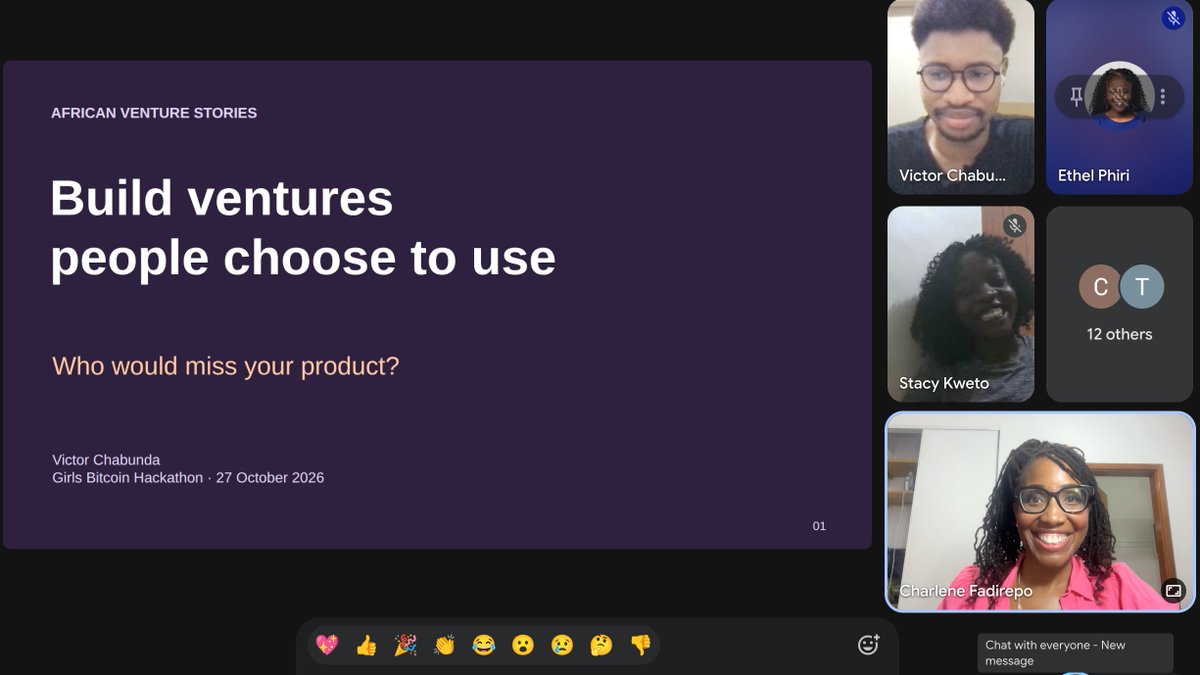
This week, Bitcoin Core developer, Victor Chabunda @0chavic of @bitdevszambia, spoke to the women of the Sovereign Stack Hackathon, @SatSisterCircle's virtual #Bitcoin developer education program and hackathon for women across Africa.
He shared what he’s learned from building and the takeaways from key african venture stories.
His hackathon playbook:
🔹 Start with a real problem. Know exactly who faces it, and make sure users can trust you.
🔹 Read the rules first, then build a team with complementary skills.
🔹 Focus on one core feature and deliver its value as early as possible.
🔹 Your project is more than software. Be clear about the specific capability it gives people.
🔹 If your idea isn’t working, don’t be afraid to pivot!!
Thanks so much to Victor for sharing your expertise with our ladies. Thank you again to our sponsors @LNFlash and @TrezorAcademy for your support of this event!
#bitcoinhackathon #satoshisistercircle #bitcoincoredevs #womeninbitcoin
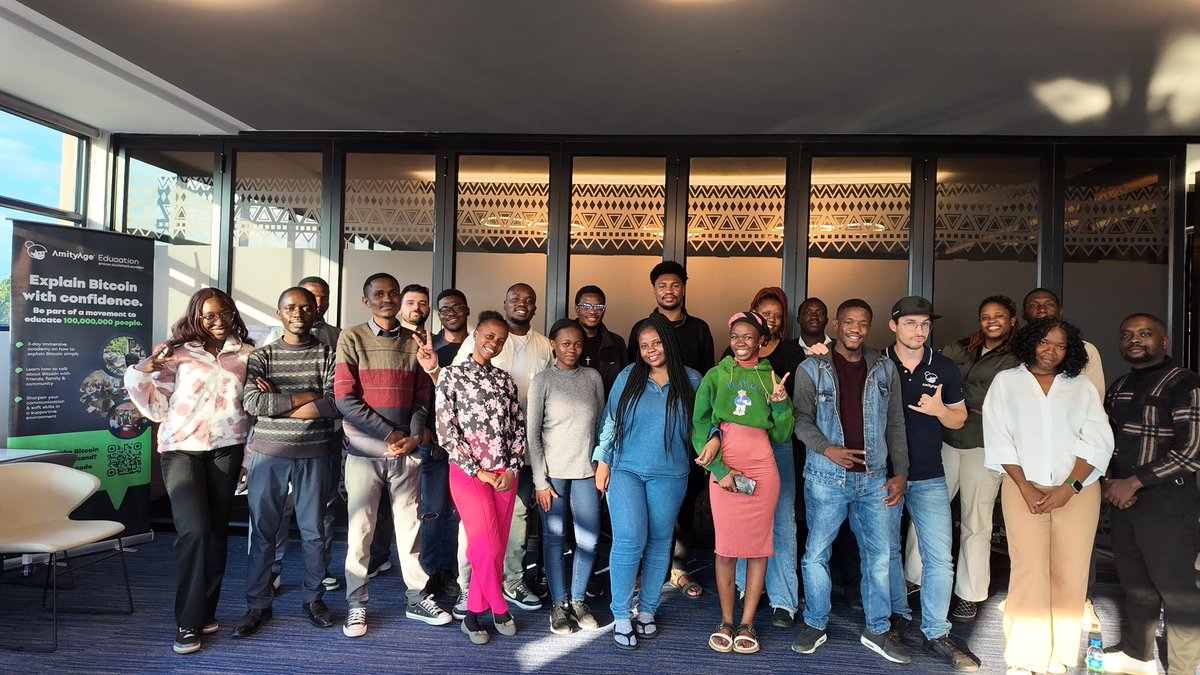
The Bitcoin Educators Academy is officially underway in Lusaka, Zambia🇿🇲. Group photo from Day 1 yesterday.
Great to have Bitcoin educators together for a few days of learning, sharing experiences and strengthening Bitcoin education.
@AmityAge@dusan_matuska@Trezor@HRF
How do you tell the story of a technical ecosystem to people who aren’t already inside it?
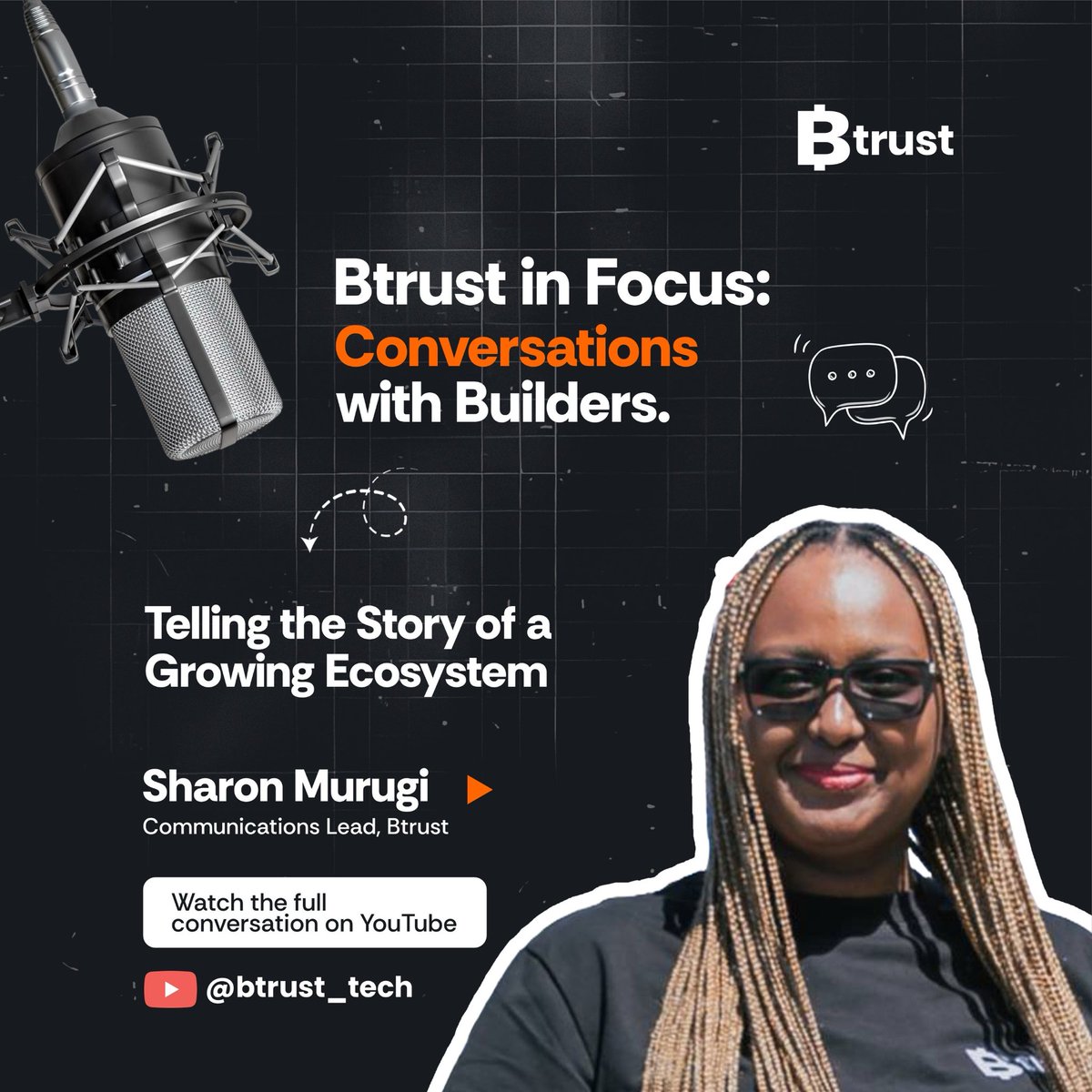
In the latest episode of Btrust in Focus: Conversations with Builders, Paul Eke (@proofofpaul) sits with Sharon Murugi (@Murugi___) Communications Lead at Btrust, to talk about finding her way into Bitcoin, growing into a communications role within a developer-focused organisation, and the work of making complex ideas easier to understand.
They discuss how Btrust’s brand and communications have evolved, the thinking behind the different stories and campaigns the organisation puts out, and what it takes to communicate across technical and non-technical audiences.
Sharon also shares what she’s learning about building a more engaging Btrust presence and creating stories that help more people find their way into the ecosystem.
Watch the full episode here 👉 https://t.co/GamCmxtGjI
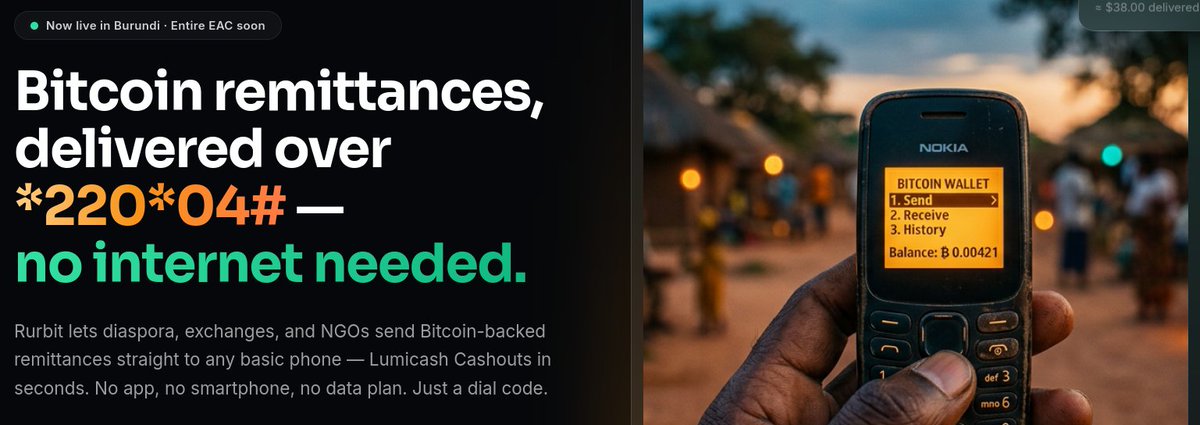
@Machankura8333 showed us how to send sats via USSD without internet.
Building on that blueprint, @rurbit in Burundi is bringing offline BTC to feature phones:
📲 No app, data, or smartphone needed
💸 Merchant payments & remittances
⚡ Lumicash cashouts in seconds via USSD
Btrust’s long-term developer grant program is expanding beyond Africa, starting with Brazil 🇧🇷 and India 🇮🇳.
We’re excited to welcome three new developer grantees: @plebhash, @_oleonardolima, and @AnshSharma54105.
This expansion is being carried out in partnership with @Vinteum_org in Brazil and @bitshala_org in India, two organizations that have supported the developers’ growth and connected them to local Bitcoin communities.
Read the full announcement: https://t.co/PJAD62df43
Experienced Bitcoin open-source developers across the Global Majority can now apply for the Btrust long-term developer grant here: https://t.co/woFJQ193Xu
In part 2 of the series, we continue following the work of Btrust Builders alumni beyond the program.
This time, we meet @isaacknjama, @Extheo, @Fideltodayy, @devgitotox, and @chuksagb, five alumni whose work spans different corners of the Bitcoin ecosystem, from building products and open-source infrastructure to contributing to Bitcoin Core, Lightning, and supporting the developers coming behind them.
Their journeys have taken different turns, but the work continues.
Read the full story below 👇
Good Day, Builder 👋
Adding instant bitcoin to your app or service now starts with just a click.
Head to the Breez SDK page, open our prompt in Claude, ChatGPT, Gemini, or Grok, and start building: https://t.co/fxa1MLBUX0
How do strong bitcoin developer communities get built?
In this episode of Btrust in Focus, @proofofpaul sits with @dzeg5, Open-source contributor and convener of @BitDevsNBO, to discuss the journey of building Nairobi's Bitcoin developer community and the impact it continues to have across Kenya's growing Bitcoin ecosystem.
From its early days of searching for meeting spaces and support to becoming a community that has produced contributors, founders, and builders, Simon shares lessons on community building, open-source development, mentorship, and the importance of creating spaces where people can learn and grow together.
The conversation also explores Simon's work in Bitcoin mining, his contributions to @StratumV2, and how initiatives such as Btrust Builders have helped deepen technical engagement within the community.
Watch the full conversation here 👉https://t.co/zd0g3LuIvB
gained a ton of new insights working in bitcoin red team 🟥 that i wish i could share without vague posting. but this is what i got anon.
- we’re experiencing a massive collision between decades of human open source slop against 2 weeks of kimi k3 (not good)
- everything is broken, bitcoin is burning
- bitcoin is becoming stronger through this
- bitcoin is the obvious first target but the rest of the world will follow shortly
- sometimes old things need to burn so new things can grow on healthy soil
- humans should never code in c (just stop)
- lightning is complicated and is more broken than the average (sorry)
- verification is free. we used to complain about slop PRs. then about slop security audits. if you can’t handle the information overload, stop complaining and use AI to sort through it.
- those projects that started AI audits months ago are in a completely different position than those who didn’t
- projects need their own AI audit pipeline going into the future
- the burden for a developer to keep software safe and secure is pretty stressful and not for everyone. it has become a lot more stressful now.
- unmaintained projects are most probably broken, don’t rely on them. i’d rather one-shot it myself with a modern AI
- multiple concurrent, diverse human approaches have proven to be the best vulnerability search method
- external red teaming will probably have to continue forever
- we’ve basically completed a basic scan of virtually the entirety of bitcoin open source. the low hanging fruit is done.
- we’ve reported a ton of real critical and high vulnerabilities. project maintainers across the board have validated our findings.
- response speed is very different across projects and shows how healthy each project is. i recommend acting fast these days.
- red team etiquette matters. if you don’t disclose responsibly, boast on twitter about your findings on a particular project, or make indications about the nature of particular findings, you’ve disqualified yourself as a serious security researcher. trust is the most important factor in this game. if you lose it, it’s very hard to win it back.
- did i mention that humans should not code in c?
love you all.
Thanks, @Breez_Tech, for featuring Radar! 🙌
We appreciate the great write-up on what we’re building and why bringing Bitcoin directly into private conversations matters. Check out the full article👇