🩺 Community Question
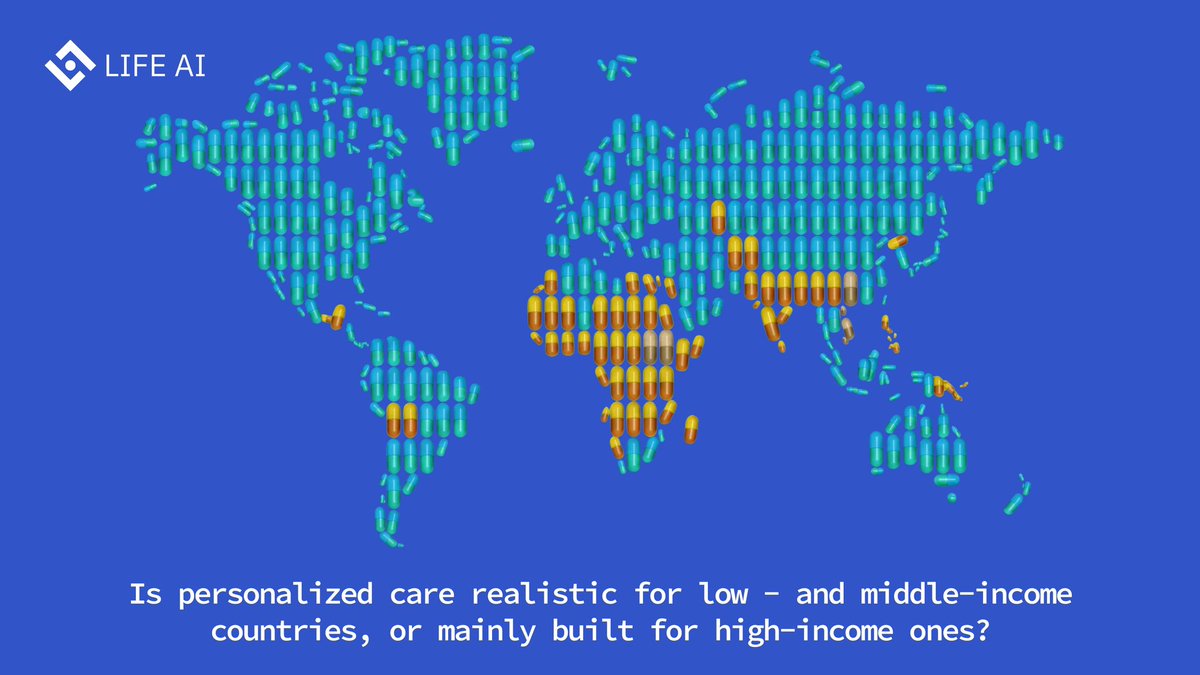
Is personalized care realistic for low- and middle-income countries (LMICs), or is it still a model built mainly for high-income countries (HICs)?
Viewpoint A: Gradually achievable in LMICs
Personalized care can scale over time. Costs of genetic and digital tools are falling, AI-driven insights are becoming more accessible, and hybrid models already work in areas like oncology and chronic care. With the right partnerships and focus, personalization doesn’t have to remain a luxury.
Viewpoint B: Not practical for most LMICs
For many LMICs, personalized care remains unrealistic. High costs, limited infrastructure, workforce gaps, and unequal access make large-scale adoption difficult. Healthcare systems should prioritize proven, low-cost interventions like vaccination, screening, and basic prevention.
Or is the future of healthcare built by combining both approaches?
👇 Drop A, B, or share your perspective.
Tag someone who should weigh in on this.
It feels less like a testnet and more like a movement.
Earn by being part of it.
Jump in @LifeNetwork_AI: https://t.co/ghnLVAOeP7
Code: 1JPPG0Y
#LifeAITestnet#HealthcareAI
🩺Community Question:
Should healthcare prioritize personalized care for individuals, or one-size-fits-all care for everyone?
Viewpoint A: One-size-fits-all as the default
Standardized care is more practical, affordable, and equitable for large populations and resource-limited settings. It delivers consistent, proven outcomes at scale, reduces disparities, and avoids the high cost and access barriers of full personalization.
Viewpoint B: Shift to personalized care
Personalized care is more precise, effective, and preventive. Leveraging genetics, AI, and real-world insights enables better outcomes, fewer side effects, and long-term cost savings as personalization becomes increasingly accessible.
Have you benefited from standardized care or struggled because it wasn’t personalized enough?
👇 Share A, B, or a short personal insight.
Tag someone who should be part of this conversation.
🩺 Community question:
Where will the next major breakthrough in healthcare come from?
Viewpoint A:
From established systems like the US and UK where world-class institutions, funding, and decades of research infrastructure continue to drive innovation.
Viewpoint B:
From outside traditional power centers where emerging regions, new models, and fewer legacy constraints enable faster experimentation and unexpected breakthroughs.
Which side do you believe in and why?
👇 Drop A, B, or share your perspective.
Tag someone who should weigh in on this.
🩺 Community Question:
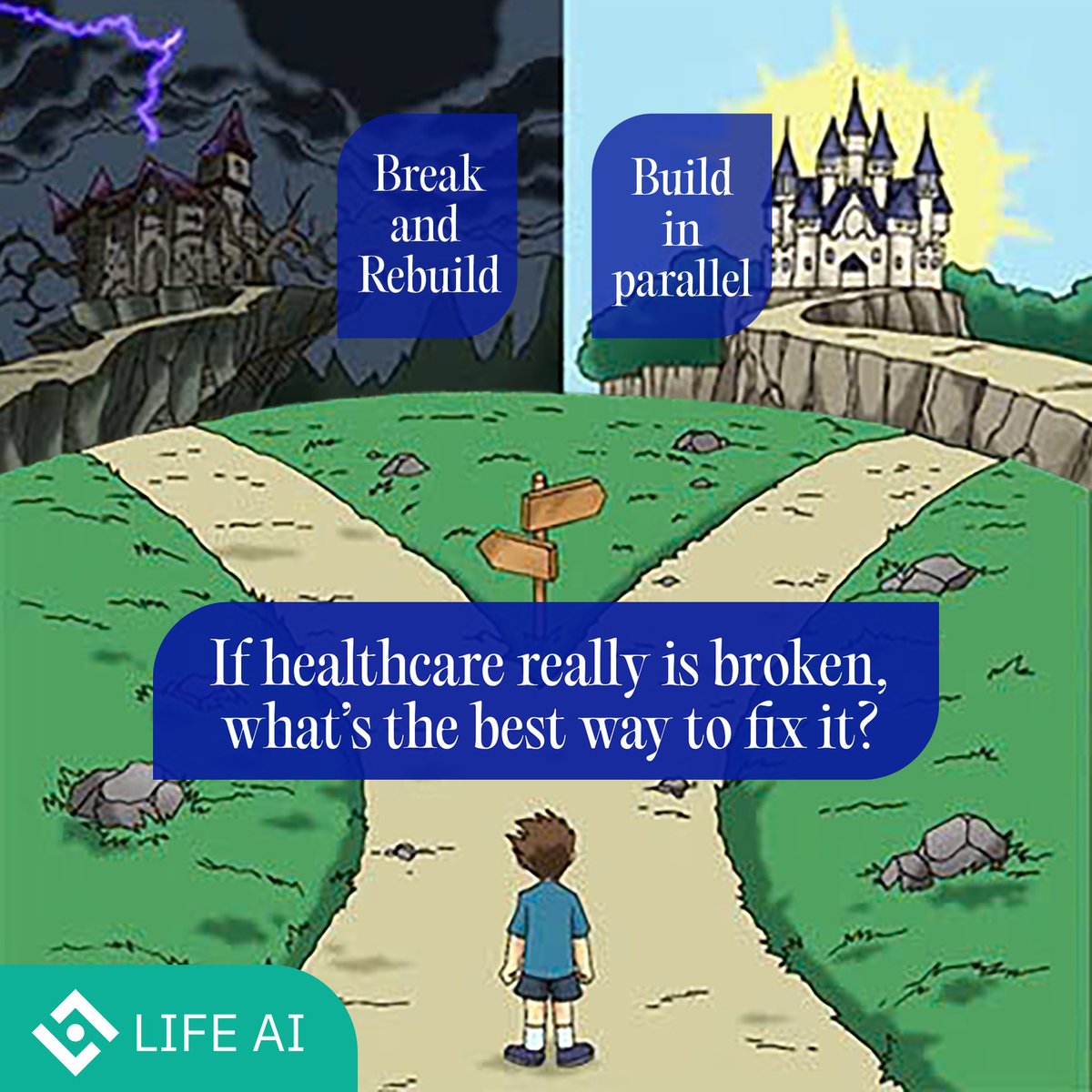
If healthcare really is broken, what’s the best way to fix it?
Viewpoint A:
Break the current system and take on the big players, including drug companies, hospitals, and insurers, to change the rules and rebuild healthcare from the ground up.
Viewpoint B:
Build a new healthcare system alongside the old one, simpler, more human, and tech-driven, and let it grow until it becomes the better default.
Your perspective can help shape the future of healthcare. Which path would you support?
👇 Drop A, B, or share your perspective.
Tag someone who should weigh in on this.
Earn by helping push healthcare forward.
One voice at a time shapes the future.
Join me: https://t.co/ghnLVAOeP7
Code: 1JPPG0Y
#LifeAITestnet#HealthcareAI
🩺 Community Question:
Will AI in healthcare improve care and safety or entrench bias and threaten privacy?
Viewpoint A:
AI can improve detection, efficiency, and access when validated and regulated
Viewpoint B:
AI carries risks such as bias, poor generalization, and privacy and security concerns.
Now make it personal:
How do you see the role of AI in healthcare today?
👇 Drop A, B, or share your perspective.
Tag someone who should weigh in on this