@SBF_Alameda How are you going to resolve the conflict of interest of running your own derivative exchange, AND actively trading against the market at the same time?
People complain that @CryptoHayes trades against the market, yet FTX and your shop is out there.
Here's a simple loop: Tell codex to maintain your repos, wake up every 5 minutes and direct work to threads. That makes it easy to parallelize+steer work as needed.
I use a orchestrator skill combined with my triage+autoreview+computer use skills, so some work can land autonomously. https://t.co/FbBoJTIcfd
https://t.co/8389roVnOm
“design a RAG pipeline for 10M docs with zero hallucination”
apparently this was asked in a Google L5 interview round. came across it somewhere on the internet and honestly it’s a way more interesting system design problem than most classic distributed systems questions
1. ingest + normalize docs
- remove duplicates, standardize formats, extract metadata, maintain version history
2. hybrid retrieval (BM25 + embeddings)
- BM25 handles exact keyword matching while embeddings capture semantic meaning
- semantic search alone usually struggles with precision at massive scale
3. ANN retrieval + reranking
- ANN (Approximate nearest neighbor ) quickly pulls top candidate chunks from millions of docs
- then a reranker rescoring step improves relevance by deeply comparing query vs retrieved chunks
4. source confidence scoring
- every retrieved chunk gets scored based on freshness, trust level, overlap and retrieval consistency
- low-confidence context should never heavily influence generation
5. constrained generation
- the model is only allowed to answer using retrieved context (nothing new to be invented outside of the retrieved context)
6. citation-backed responses
- every major claim links back to exact chunks, documents or timestamps
7. hallucination fallback layer
- if retrieval confidence drops below a threshold: “insufficient evidence found”
8. continuous evals
- run adversarial queries, retrieval recall benchmarks and hallucination tests continuously
9. caching + memory layer
- cache high-frequency enterprise queries and retrieval paths (improves latency and output)
10. observability everywhere
- trace retrieval paths, chunk rankings, token attribution and failure points
Also at 10M docs, retrieval quality matters more than the frontier model itself.
When I was Muslim, I compared Muhammad’s last words to Jesus’ last words.
Not just the facts, but the spirit behind them.
And bro, the difference is staggering. It shook my devout Muslim faith.
According to Sahih al-Bukhari, Muhammad’s final words included: “May Allah curse the Jews and the Christians. They made the graves of their prophets into places of worship.”
Those are words associated with his final moments.
No forgiveness. No reconciliation. No peace.
Now compare that to Jesus.
Beaten, betrayed, tortured, hanging on a cross with nails through His wrists, Jesus says:
“Father, forgive them, for they know not what they do.”
And then: “It is finished.”
One dies speaking curses.
The other dies extending forgiveness.
One ends by drawing lines and reinforcing division.
The other tears the veil and reconciles heaven and earth.
And whether people like it or not, final words reveal something deeply personal about the heart.
That contrast shook me.
Because one man’s final moments reinforced separation, while the other’s changed eternity through mercy, sacrifice, and love.
Please sit with that honestly.
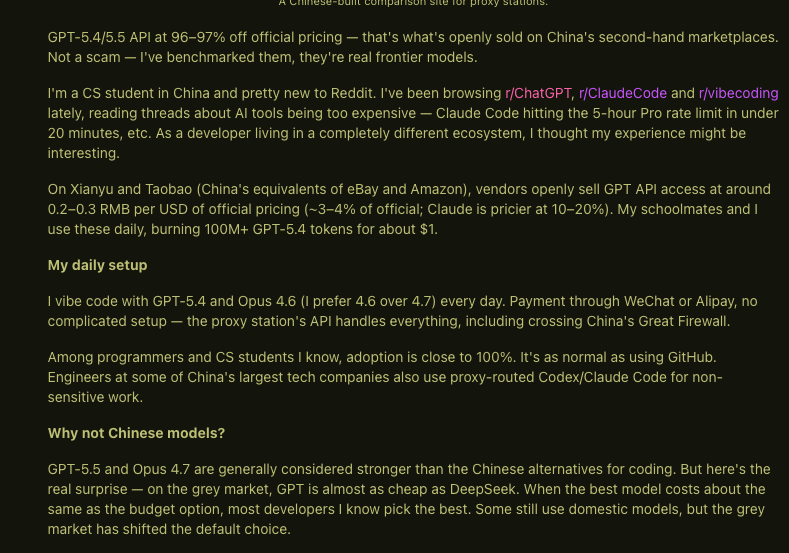
Chinese students are buying GPT-5.4/5.5 and Claude API access from Xianyu/Taobao proxy sellers for almost 96-97% cheaper
People are apparently burning 100M+ tokens a day for like $1 and vibecoding nonstop.
I see micro auctions in my dreams now. If you want to level up your trading, LISTEN TO THE MAN. Caught and took a breakout from one literally today in his discord. The shit works especially combined with orderflow.
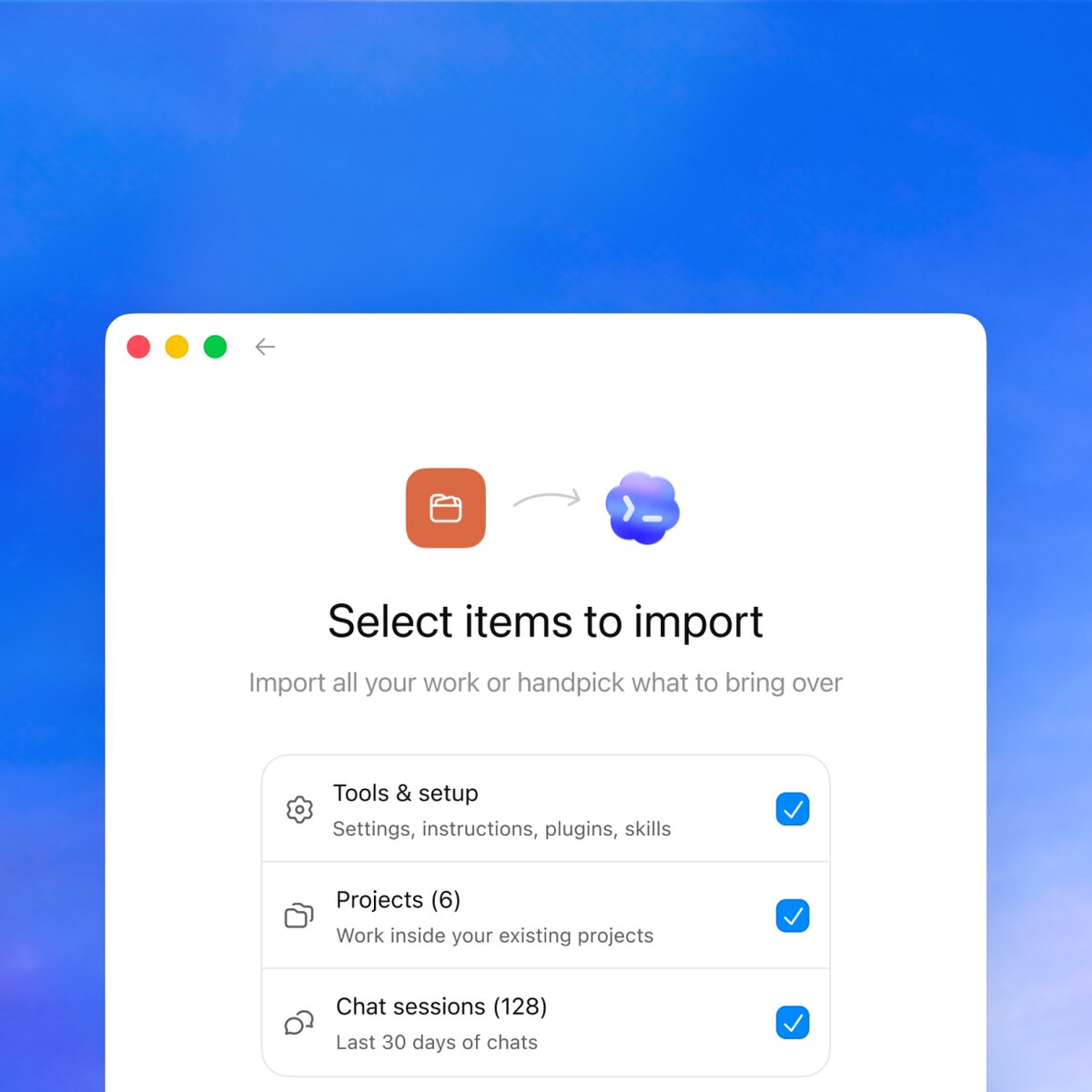
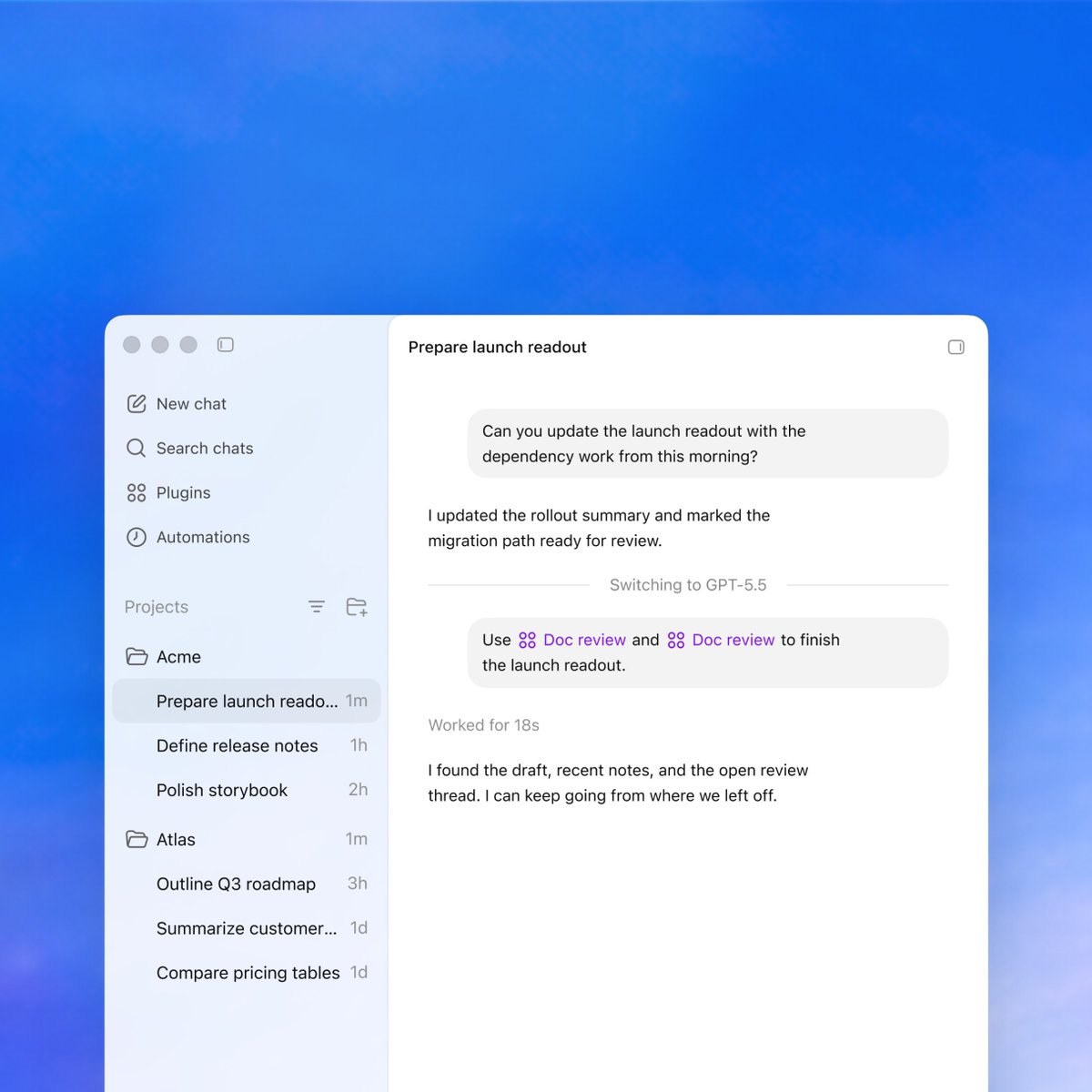
Want to (officially) use Codex at work?
Send this post to your CTO to bring your team to Codex. Eligible enterprise customers who switch in the next 30 days get 2 free months of Codex usage for new users.