Congratulations, @AlexEala05!
What an incredible week in Washington! A well-deserved 🏆 for all the hard work. 👏🏻
Congratulations to 🇵🇭 and to the entire @rnadalacademy team!
🏆 HISTORY. MADE. AGAIN. 💚🇵🇭
Alex Eala captures the biggest title of her career, defeating Jessica Pegula 4-6, 6-4, 6-0 to become the @mubadaladcopen champion! What a comeback. What a statement. 💪
I echo my brother’s words—what a good man, what a great friend, what an incredible talent, what a loss, what a tragedy. Life is so fragile; it reminds us of this everyday. Hug those you love again and again and again.
Glen was such a good friend to you, @bobbyshriver and I’m especially sad for you, his great friends, and his family. What a tragedy.
I’ll never forget him playing ‘Forever Young’ at Mummy’s gravesite while the Special Olympic athletes threw their medals into her casket.
Glen will be Forever Young.
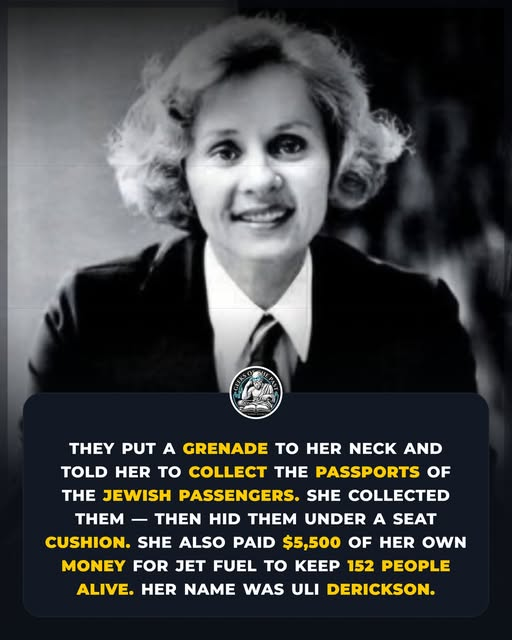
Her name was Uli Derickson.
She was born in Germany, immigrated to America, married, had a young son in New Jersey, and worked as a purser for TWA. On the morning of June 14, 1985, she was working a scheduled flight from Athens to Rome — breakfast trays being cleared, coffee smell in the cabin, 153 passengers settling into their seats.
Then two men sprinted up the aisle.
One held a 9mm pistol. The other held a grenade with the pin already pulled. They slammed Uli against the galley wall, forced their way into the cockpit, struck the pilot with the gun, and ordered the aircraft diverted to Beirut. The hijackers spoke Arabic and German. Of the entire crew, only Uli spoke German.
She became the sole line of communication between the men with the weapons and the people in the seats.
The first test came quickly. The hijackers ordered her to collect all passports and separate out those belonging to Jewish passengers. She walked down the aisle with a plastic bag, opening document after document. When she found passports with Israeli stamps or Jewish-sounding names, she did not put them in the bag.
She slipped them under an empty seat cushion.
She handed the bag to the hijackers. They didn't notice the missing names.
The plane flew erratically — Beirut to Algiers and back, over and over, for more than two weeks. In Algiers, the fuel ran out. The ground crew refused to pump without immediate payment. The hijackers threatened to start executing passengers. TWA had no mechanism to authorize an emergency international transaction in real time.
Uli reached into her purse and pulled out her personal Shell Oil credit card.
She handed it out the cockpit window. The ground crew ran the charge — $5,500 for jet fuel. The pump turned on. The plane could keep flying. One hundred fifty-two people stayed alive because a flight attendant had a credit card.
On the tarmac in Beirut, the hijackers identified an American Navy diver named Robert Stethem — 23 years old, unarmed, his military ID giving him away. They bound his hands with elastic luggage cords and beat him with metal armrests torn from the seats. Uli physically inserted herself between the blows and the passenger, absorbing hits to her own body trying to shield him.
It wasn't enough. They shot Robert Stethem and threw his body onto the tarmac. Uli was forced to close the door behind him.
She sat in the jump seat, covered in his blood. One of the hijackers pointed his gun at her and demanded she sing him a German folk song to calm his nerves.
She sang "Muss i denn."
Her voice shook. He lowered the weapon.
For 17 days she stood in that aisle. She translated demands to control towers. She negotiated the release of passengers at each stop. She bandaged head wounds with cloth torn from galley supplies. She wiped blood from people's faces. She kept talking, kept translating, kept the fragile thread of communication from breaking — because if it broke, people would die.
By the end, 152 of the 153 people on that plane were alive.
When she stepped off the aircraft in Algiers on the final day, she was dehydrated and bruised, still carrying the plastic bag of hidden passports.
She went back to New Jersey. She went back to work. She transferred to Delta Airlines and flew international routes until she retired.
In 1989, she stood in a German courtroom and pointed her finger at the man who had held the grenade to her neck and forced her to sing in a blood-stained cabin. He received a life sentence. He was paroled in 2005.
The Navy named a ship after Robert Stethem. The USS Stethem still sails.
Uli Derickson received the Department of Transportation's Award for Outstanding Achievement — one of the few civilians ever to receive it.
She was ordered to hand over the passports of the people they wanted to kill.
She hid them under a seat cushion instead.
On July 1, 1976, Tina Turner waited until her husband, Ike Turner, fell asleep in a hotel room in Dallas.
Her face was swollen. Her body carried the marks of yet another assault. Her spirit was exhausted — but not broken.
In her pocket, she had only 36 cents and a Mobil gas card. Nothing else. No clear plan. No safety net waiting for her. Just a decision that would change everything.
She slipped out of the Statler Hilton in silence. She didn’t call a taxi. She didn’t ask for help. There was no one to call.
She ran.
She crossed Interstate 30 in the dark, cars speeding past her, nearly struck by a truck. Every step was instinct. This wasn’t escape. It was survival. On the other side of the highway stood a Ramada Inn. The manager recognized her immediately — even without makeup, even injured. He gave her a room on the eleventh floor and placed security outside her door.
For three days, Tina stayed hidden there. Too sore to eat. Letting her body slowly begin to heal. But the real healing had started the moment she crossed that road.
Just weeks later, she filed for divorce. After sixteen years of marriage, when asked what she wanted in the settlement, her answer stunned the room:
She didn’t want the house.
She didn’t want the money.
She didn’t want the publishing rights.
She only wanted the name.
Tina Turner.
A name once created to control her. Now the only thing she would carry with her to rebuild.
She walked away with debt, the IRS on her back, and a music industry convinced she was finished. She was nearly forty. A Black woman in a market obsessed with youth. She didn’t even own the rights to many of the songs she had helped make immortal. The odds were brutal.
But Tina refused to disappear.
She turned to Nichiren Buddhism, chanting daily for strength. She took whatever work she could find — small TV appearances, hotel lounges, county fairs, corporate events. In between performances, she cleaned houses. While the world labeled her “a relic of the past,” she was quietly rebuilding herself, piece by piece.
Then came 1984.
At 44, she released Private Dancer. And the world changed — or perhaps it finally began to see her clearly. The album sold over 12 million copies. “What’s Love Got to Do with It” became her first major solo hit. Grammys followed. The Live Aid stage. Film roles like Mad Max. Sold-out arenas. Endless applause.
Her second artistic life lasted decades. Over 100 million records sold. Twelve Grammys. A career rebuilt entirely on her own terms.
And love found her again. Erwin Bach met her in an airport in 1986 — and never left. When Tina’s kidneys failed, he didn’t hesitate. He donated one of his own. In 2017, he kept his promise and saved her life.
On May 24, 2023, Tina Turner passed away peacefully in Switzerland at the age of 83, with Erwin by her side.
She left behind more than music.
She left proof.
It is never too late to reclaim your life.
You can begin again at forty. At fifty. At any moment.
Sometimes all it takes is crossing a road.
Thirty-six cents.
A gas card.
And a will that cannot be broken.
That’s how legends are born. . .
WOW okay so the most amazing thing just happened to me and I can’t help but share it with the world. American Airlines instituted a new policy where you have to pay to take a carry-on onto the plane. Which is ridiculous but off topic.
I consolidate my bags into one and they measure it and say it’s just a little too big. They proceed to charge me $50, except they only take credit card, no cash.
Since I just got back from Europe all my cards are being declined as Chase doesn’t know I’m back. They tell me that I’m going to have to miss the flight and head back to the ticket counter to pay down there.
I’m pleading, devastated after a long day of travel. Then, this man walks up and says, “How much is it?” They tell him $50 and he says “I got it.”
I’m astonished and tell him it’s fine not to worry and he hands the lady his card as the American Airlines employees stand in silence shocked by this man’s generosity. They swipe the card and he tells me to have a great flight and hop on board.
I’m crying as I write this and as I board the flight. This man was an angel. I stop him as he’s sitting in first class and try to give him my money but he just shook me off and told me to pay it forward. My heart is so happy.
There are good people in this world. Be that person for someone because I know after this I sure will be." 💕 Update: It was NFL player, Jermaine Gresham.
Credit: Deliliah Cassidy (2018)
George and Amal Clooney have evacuated their home in the South of France after a wildfire swept through the area, forcing hundreds of residents to flee.
“We do not know whether our beautiful home will survive this terrible ordeal. As we evacuate Brignoles, we want to emphasize two things: We hope that you and the residents are safe. Amal and I are determined to ensure that, whatever happens to our village, we remain fully part of this community and contribute to its rebuilding. We love Brignoles and the friends we have there.”
https://t.co/lB9TKI9GcR
Zlatan Ibrahimovic on to Gianni Infantino’s plan to sell stakes in the FIFA World Cup:
🗣️ “Listen to me carefully, because most of these people in suits have never understood the game and never will.
They create a subsidiary. Call it FIFA Forward Enterprise. Keep majority control on paper. Sell 20% to investors who have never smelled grass. Then wave $20 million in front of every federation and pretend it’s democracy.
That is not structure. That is a magic trick for lawyers. FIFA keeps the majority. FIFA keeps the board. FIFA keeps “exclusive authority” over governance, the calendar, the rules, everything that sounds important on paper. The investors get no operational role. They are only buying a slice of the cash machine. FIFA even says the investors are buying into the subsidiary, not into FIFA itself, so “nothing changes.”
I have seen this movie before. Nothing changes… until the numbers start talking. Once private money owns a permanent piece of the World Cup’s revenue, the pressure never stops. More tournaments. Bigger formats. Different calendar. Different priorities. Because investors do not care about the soul of the game. They care about return. And when the federations are already bought with the $20 million “gift” and the bigger Forward payments, who exactly is going to say no?
This is the same FIFA that spent decades selling the World Cup under the table. I remember the 2015 arrests. Swiss police walking into the hotel in Zurich and taking officials out in the early morning. Racketeering. Bribes. Money laundering. Hundreds of millions paid for television rights, for marketing rights, for World Cup votes. South Africa 2010. Qatar. The whole circus under Blatter. Jack Warner. Chuck Blazer singing to the Americans. Blatter and Platini banned for that $2 million “gentlemen’s agreement” that suddenly appeared when it was convenient. The Ethics Committee, the indictments, the years of “we are cleaning the house.”
And now the house is cleaner, they say. Now instead of brown envelopes and secret payments, we have subsidiaries, minority non-controlling stakes, permanent capital vehicles, JPMorgan valuations, and carefully selected long-term partners. Same hunger for money. Same system of buying loyalty from the 211 associations. Only the language got more expensive.
Infantino stands there and talks about democracy and opportunity. I am Zlatan. I do not need the $20 million and I do not need the speech. Most of these federations do need the money. That is exactly why this structure is dangerous. You are not offering development. You are offering a transaction: take the cash, vote yes by September, and stay quiet while pieces of the World Cup become private equity assets.
Football does not belong to FIFA. FIFA belongs to football. The moment you put shareholders inside the commercial heart of the World Cup and call it progress, you have already admitted the game is for sale. They just found a prettier way to write the contract this time.
I played at the highest level. I saw real power and real money. This is neither. This is bureaucracy protecting itself while selling the one thing that still belongs to the people who actually love the game.
Keep your structure. Keep your valuations. Keep your minority non-controlling stakes. The World Cup was never meant to have owners in suits. It was meant to be bigger than all of you.
"My first husband stripped me naked and threw me and my daughters out of the house. Neighbours wrapped me in a quilt and my parents took us away. As I hold this gold medal in Glasgow, my message to every woman in India is to fight back against abuse."
https://t.co/LDRr8meTC1
🚨 Rep. Sarah Jacobs just left Pete Hegseth STUNNED in this hearing.
With 2,500 Marines from her district off the coast of Iran and military families calling her office in panic, she asked the question no one else would : “Do you believe the president is mentally stable enough to be Commander-in-Chief?”
Hegseth deflected hard. She didn’t flinch.
Then she dropped this : “If you think this is what winning looks like… maybe we should be questioning your mental stability.”
Pure accountability.
No notes.
It takes a woman to say what needs to be said when lives and billions of dollars are on the line.
This clip is everything.
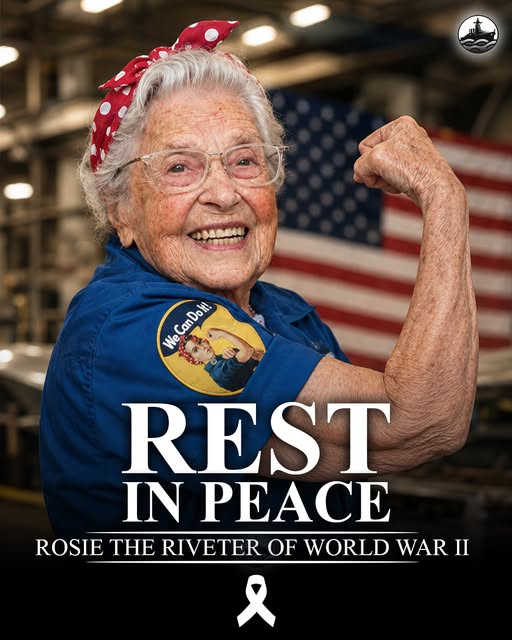
It is with profound sorrow that we bid farewell to Jeanne Gibson, our beloved Rosie the Riveter, has passed away today, July 29, 2026, at the remarkable age of 100. With her passing, we don't simply mourn the loss of a beloved friend, we honor the life of an American hero whose courage, dedication, and unwavering spirit helped shape history, and will continue to inspire generations to come.📷📷
At just 18 years old, Jeanne left her home in Minnesota in the summer of 1944 and answered her nation's call, becoming a welder at Todd Pacific Shipyards in Seattle. With determination and grit, she helped build destroyers that strengthened the Allied war effort during World War II. She later continued her service with the Army Transportation Corps in Juneau, Alaska, embodying the resilience and patriotism of the Greatest Generation.
Yet Jeanne's legacy extended far beyond the war. She earned her Ph.D., dedicated three decades to teaching, earned her private pilot license, and spent the rest of her life proving that courage, determination, and purpose know no age.
In 2024, Jeanne and her fellow Rosies were collectively awarded the Congressional Gold Medal, one of our nation's highest civilian honors, recognizing the extraordinary women whose sacrifices and determination helped secure victory during World War II.
To all of us at Pacific Historic Parks, Jeanne was far more than a Rosie, she was family. She traveled to Hawaiʻi time and again to share her remarkable story with visitors, inspire local students, and ensure that the sacrifices of the Home Front would never be forgotten. Her radiant smile, generous heart, and boundless enthusiasm touched every life she encountered.
She had a special gift for encouraging young girls, reminding them that no dream was too big and no obstacle too great. Through her words and her example, she inspired generations to believe in themselves and pursue lives of courage, service, and purpose.
Jeanne remained a tireless advocate for preserving the legacy of the Rosies, volunteering at Rosie the Riveter WWII Home Front National Historical Park on "Rosie Fridays" and ensuring the stories of the women who helped win the war would continue to inspire future generations.
In one of life's poignant moments, just days before her passing, Jeanne was celebrated with a Wall of Honor banner at the park she loved so dearly and recognized during a San Jose Earthquakes halftime ceremony honoring Bay Area heroes. It was a fitting tribute to a woman whose life was defined by selfless service, quiet strength, and extraordinary grace.
Though Jeanne has taken her final flight, her legacy will never fade. It lives on in every story she shared, every young person she inspired, every life she touched, and in the enduring example of courage she leaves behind.
Our hearts are with Jeanne's family, her fellow Rosies, and all who were blessed to know and love her.
Rest in peace, Jeanne Gibson.
Thank you for answering the call when your country needed you most. Thank you for showing generations what courage looks like. We will remember you always
In a recent interview yesterday, Chelsea co-owner Todd Boehly did not hold back when asked about the fallout from Enzo Fernández’s goal celebration during Argentina’s World Cup semi-final victory over England.
“We will have to suspend Enzo Fernández and maybe loan him out of Chelsea because we have received several racist gossip from the locker room as well,”
Boehly stated. “We have no choice but to suspend him. He did not just disrespect our team he disrespected England as a whole.”
Boehly emphasised that the decision was not taken lightly, citing both external pressure and reported unease within the dressing room as key factors forcing the club’s hand.
I can’t believe it’s been almost 50 years.
A classic televised performance by the legendary American rock/new wave band Blondie on the American Bandstand show, broadcast on May 12, 1979.
March 16, 1991. San Diego, California.
A 35-year-old country singer named Reba McEntire was asleep in a hotel room, battling a sinus infection.
The night before, she had performed a private IBM corporate show. Sick but determined, she sang for 90 minutes before returning to her hotel to rest.
Her band and tour manager were leaving that night.
A chartered jet waited at Brown Field, ready to take them back to Nashville for a day off before the next concert.
Reba stayed behind.
The chest cold was getting worse. She chose to catch a commercial flight the following morning instead.
That evening, she hugged them goodbye.
She smiled, told them she'd see them in Nashville, and watched them leave.
Shortly before 2 a.m., the jet climbed into the dark San Diego sky.
The flight plan called for more than 7,000 feet.
The aircraft never got there.
Flying at just 3,300 feet, it slammed into the granite face of Otay Mountain barely ten minutes after takeoff.
No one survived.
Eight of Reba's own people were gone.
Kirk Cappello. Joey Cigainero. Paula Kaye Evans. Terry Jackson. Anthony Saputo. Michael Thomas. Chris Austin. Jim Hammon.
Most were only in their twenties.
Both pilots also lost their lives.
At 3:30 that morning, the hotel phone rang.
Reba assumed it was her wake-up call.
Instead, it was her husband and manager, Narvel Blackstock.
He told her everyone on the plane was dead.
She couldn't believe it.
She asked him to repeat it.
Then she made him say every single name.
She sat silently on the edge of her hotel bed, trying to understand how her touring family had vanished in a single night.
Then came the hardest part.
She called every family herself.
The wives. The parents. The brothers. The sisters.
She stayed composed through each call.
She broke apart between them.
That afternoon, she flew home on a commercial flight surrounded by strangers who never recognised the woman behind the sunglasses.
At home, her 14-month-old son, Shelby, was asleep.
She sat beside his crib for hours, simply watching him breathe.
She thought about walking away.
She considered returning to the Oklahoma ranch where she grew up and never singing in public again.
Then she remembered something Kirk Cappello had once told her.
The gift wasn't hers.
The gift belonged to the people in the seats.
So she went back.
Just two weeks later, Reba stepped onto a sold-out stage with a hastily rebuilt band.
She sang through tears.
The audience cried with her.
That autumn, she released *For My Broken Heart*.
The album debuted at number one, sold more than four million copies, and was dedicated to the eight people who never came home from San Diego.
For the next 34 years, she kept telling their story.
Because their families wanted the world to remember.
She created scholarships in their names, stayed close to their loved ones, and watched their children grow into adults with families of their own.
She kept singing.
She kept looking toward the places where eight familiar faces should have been.
Every performance carried them with her.
For 34 years, she has kept bringing them home—because they were her family, and they no longer could.