Art and architectural historian with special focus on Africa and global history. civic activist (in Cambridge, MA). Harvard Professor, map geek, Parent-Spouse.
Shepherd's is doing interesting things with new books. In this case my Streets of Newtowne. Note: I added a Nigerian one to the children's book mix. https://t.co/mzotkYiQAj
🎂🎂 A cool milestone today: Bolts launched exactly 3 years ago!
It was a nerve-wracking time, & a gamble: is there a national audience for going into the weeds of local politics? Everything since has proven it was worth it!
Thank you to all our readers for making it possible!
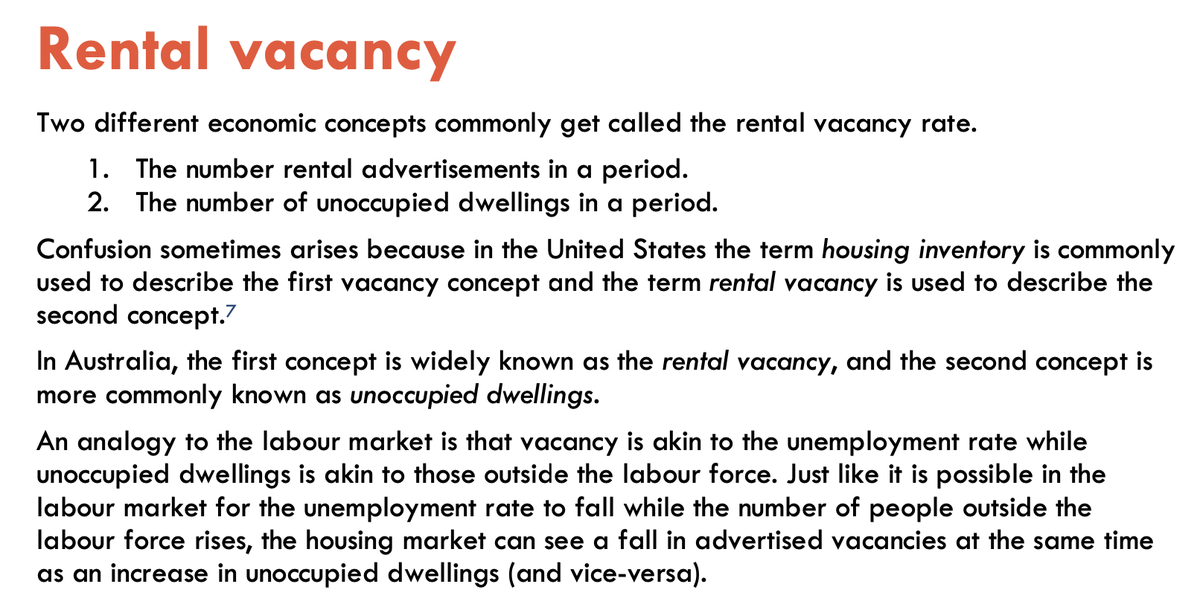
This a reminder that Rental Vacancy Rate metrics in Australia and the U.S. measure different things and are not comparable.
Please don't say "but look at rental vacancy in Texas compared to Victoria"
Read my take here
https://t.co/R3SNgUTrWk
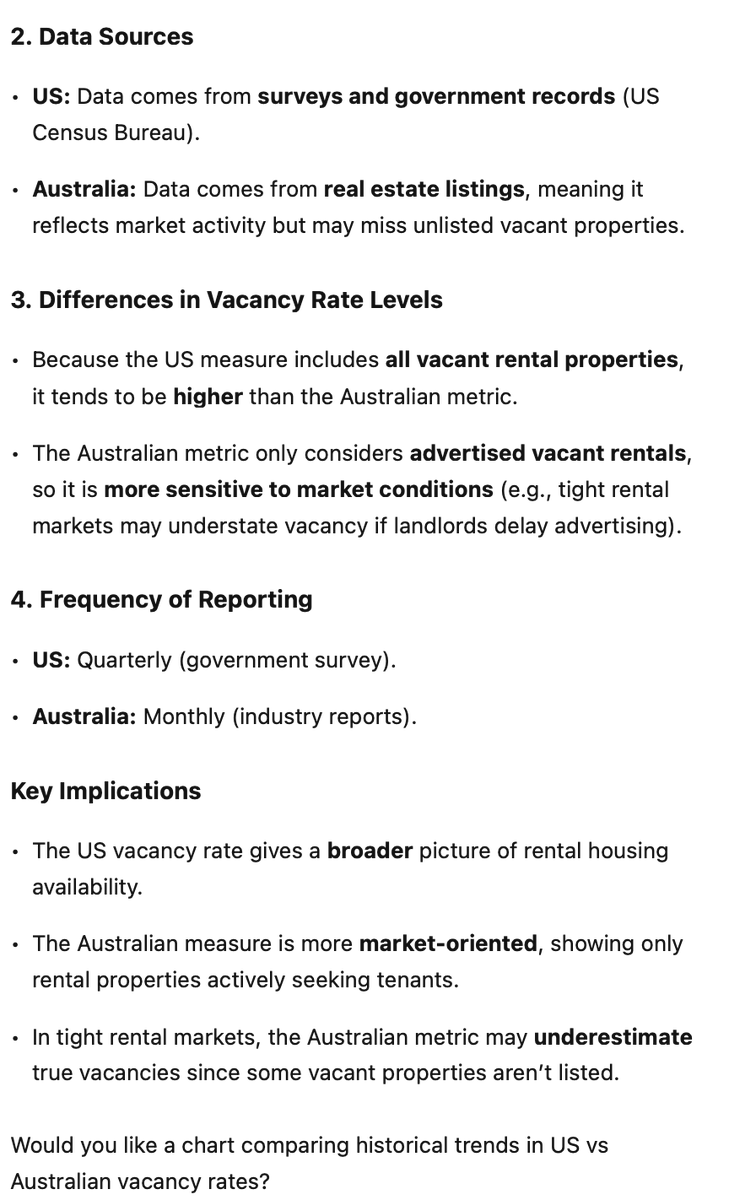
Even ChatGPT gets it right:
@theOlaBola Many thanks! On 1325, I am working on it, along with other things related to Nigerian history and art history. I really appreciate your support!
@JohnSheppa61318 @jeremy_liit@mackee_F Ile-Ife did exist in 1375 and much earlier - likely back to 8th-9th century. The historic title for the Ooni of Ife was Ogane, hence the likely reference in the Catalan map. Ife had broad connections during this period to elsewhere in Africa - Timbuktu and the Nile Valley.
A new study from the London School of Economics says 50 years of tax cuts in the U.S. — which promised to “trickle down” and eventually boost jobs and income for everyone — have only helped one group: the rich.
https://t.co/UIyBqUcDJb
Terrific article, and what a pleasure it is not only to see great new archaeological work being done in Ile-Ife and other areas of southern Nigeria, but also publications in an open source journal such as this - available in both French and English. Bravo to the whole team.
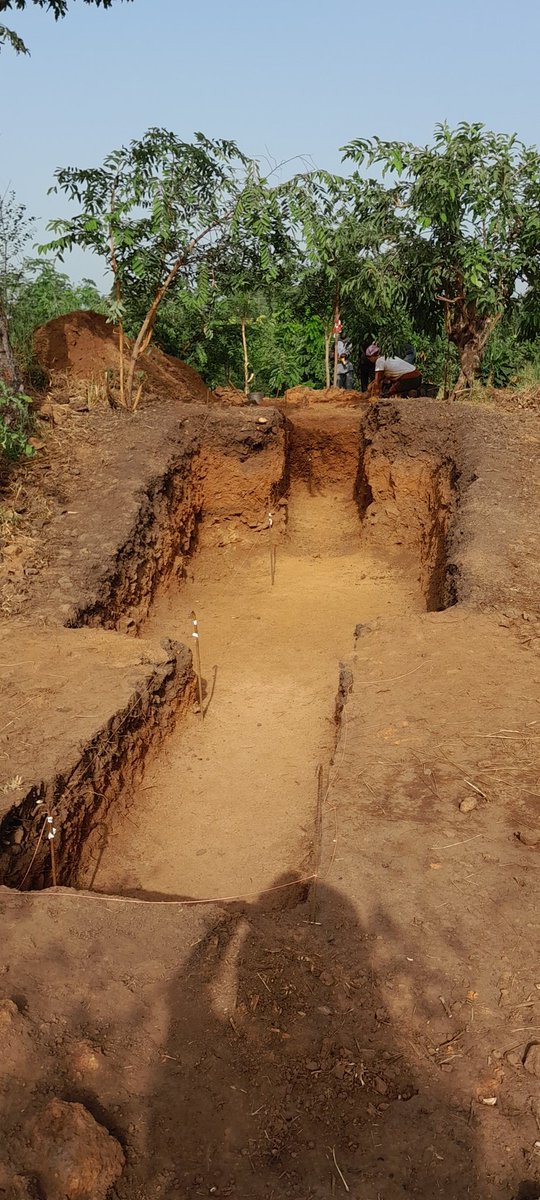
New article discussing burials in pre-15th arch. contexts in Southern Nigeria, west of the Niger. Particularly exciting are the new proposed interpretations of the human remains at the site of Obalara's Land, Ile-Ife, and Feature 21 at CQ, Benin City. https://t.co/BfXxm7ktcJ
Join the @HUCenterAfrica for this Distinguished African Archaeology Lecture - "When Informants Become Knowledge Producers: Rethinking Great Zimbabwe" with @chirikure
Wednesday, October 30, 2024 12:30pm ET
More info here: https://t.co/N86TAvbfuw
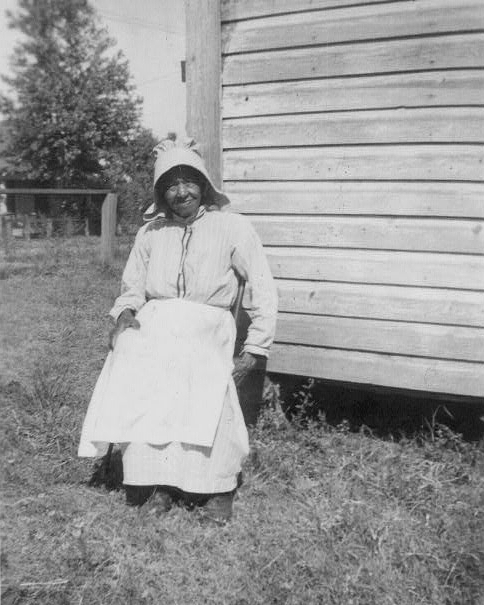
This is Mariah Snyder, a formerly enslaved woman who was interviewed at age of 89 in the 1930s. She vividly described the relentless toil in cotton fields and grueling work at the cotton gin. Wearing Lowell cloth was also integral to her experience as an enslaved person. My talk at the @TodaysDAR this Friday will delve into the historical background of this textile and examine how it influenced the experiences of enslaved individuals in the American South, highlighting its connections to broader histories of American textile production and global capitalism. https://t.co/lgF0WIXZnL
How did US Americans come to ignore the truth about the false foundations of the nation’s racial regime? I spoke w/ @sarahelizalewis about The Unseen Truth: When Race Changed Sight in America (@Harvard_Press) for @NewBooksAfroAm@NewBooksNetwork. Listen https://t.co/qTfKUltEWJ
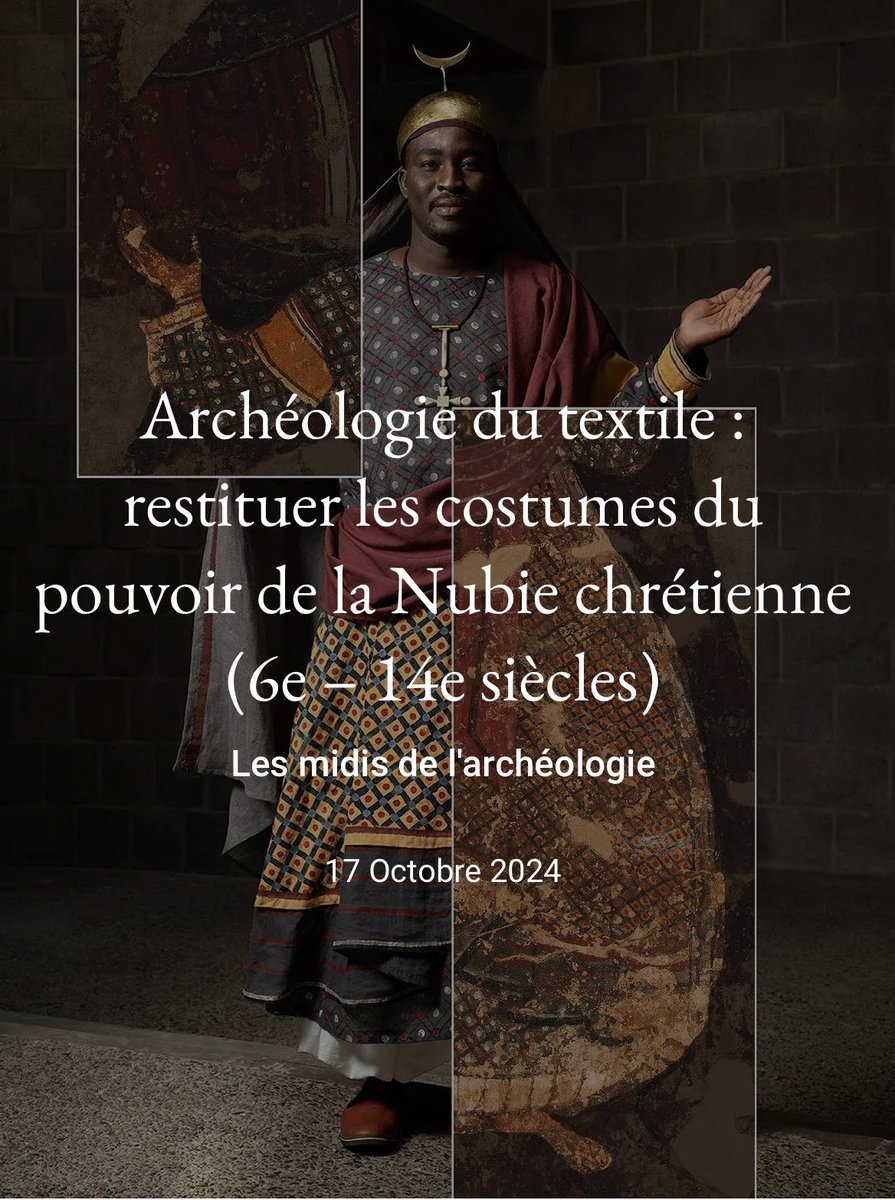
If in Paris, you MUST see this!
Live reconstruction of royal costumes from medieval Nubian paintings - fashion show will take place @MuseeLouvre ! 😍 The effect is simply breathtaking !
#archaeology#arthistory#Nubia
https://t.co/s9OCjEceBy
@johnhawkinson Not my reading: The issue is that the Council's restricting CHC powers on NCDs diminished them to the extent that if CHC wanted input in what new buildings (of additions) look like & how they fit in, landmarking likely is the only option.