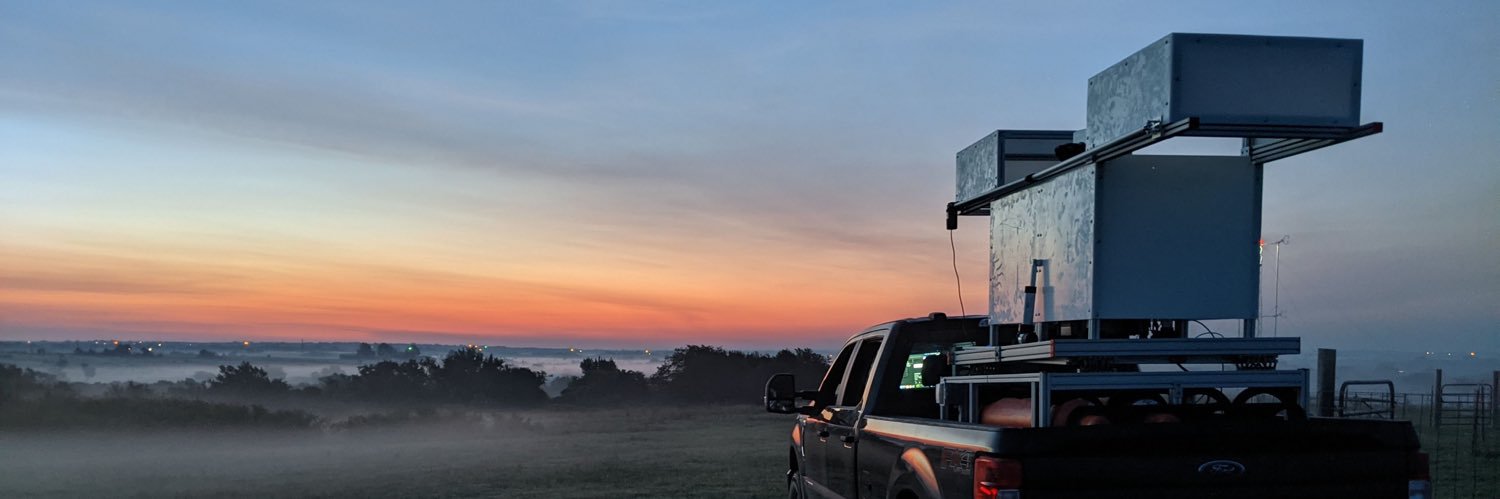
Boundary Layer Integrated Sensing and Simulation group is a multi-institution team working at the National Weather Center. Any views expressed aren’t official.
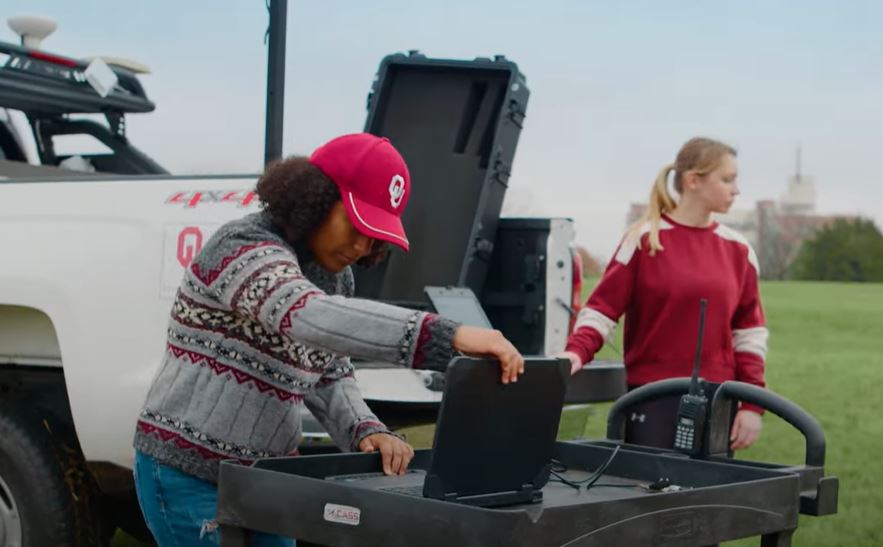
There's only ONE ... University of Oklahoma. And it's the ONE home of the all-star research team that collects valuable data via drones in extreme weather. When you watch @UofOklahoma beat Texas on TV, look for our UAS team in the commercials. Extended cut https://t.co/DeEZU81x2d
More resources: The international organization https://t.co/DeVUM5ivQ7 planned weekend long events for #EarthDay2023 with the theme "Invest In Our Planet." The US Environmental Protection Agency (EPA) also maintains an Earth Day website at https://t.co/K0Pvqu73a2
Happy #EarthDay from all of at BLISS!
Today, 22 April 2023, is the 53rd anniversary of Earth Day, which was first proposed by the late Senator Gaylord Nelson of Wisconsin and run in 1970 as a teach-in to heighten awareness of the environment.
For more than 130 years, the University of Oklahoma continues to stand apart as an institution where many come to learn, collaborate and engineer progress for the future.
The time to create your OU journey is now.
There's Only 𝐎𝐧𝐞 Oklahoma.
🔗 https://t.co/oU4tMg0xMd
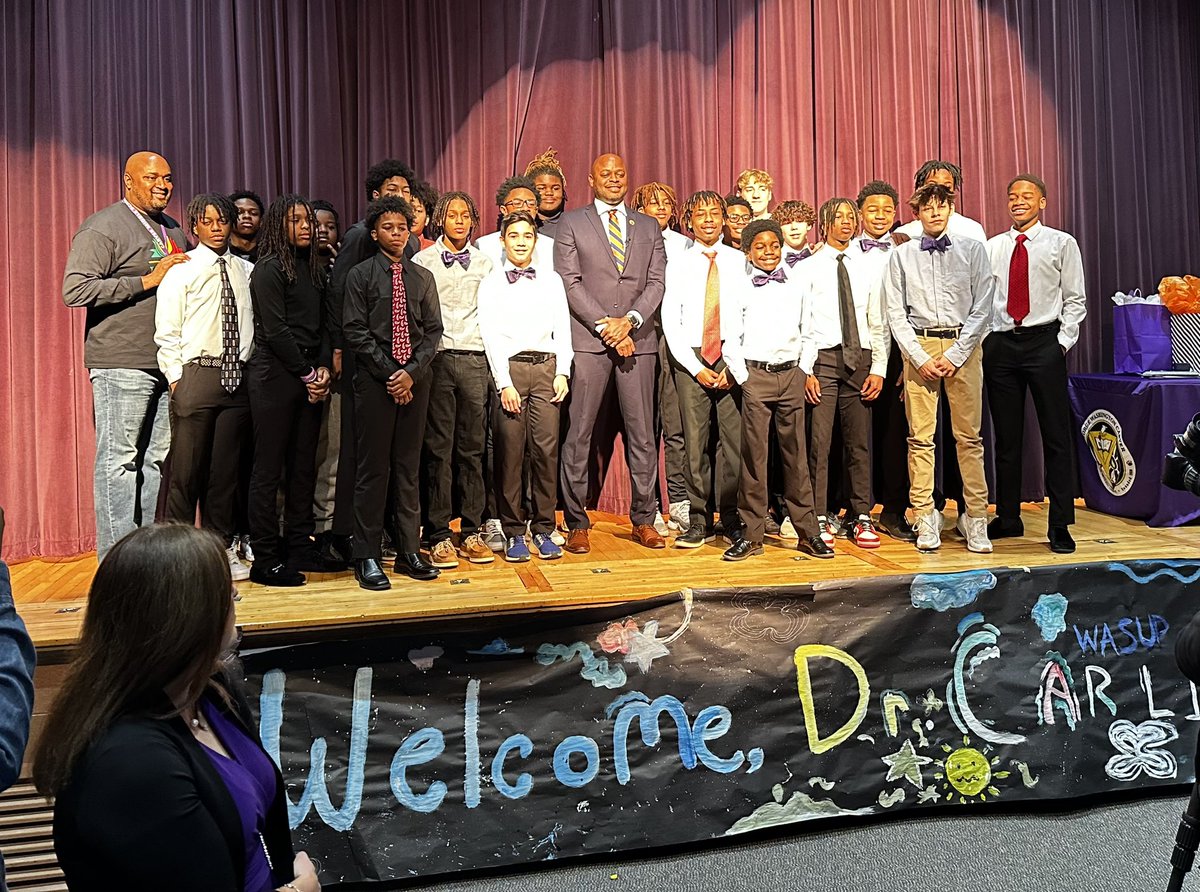
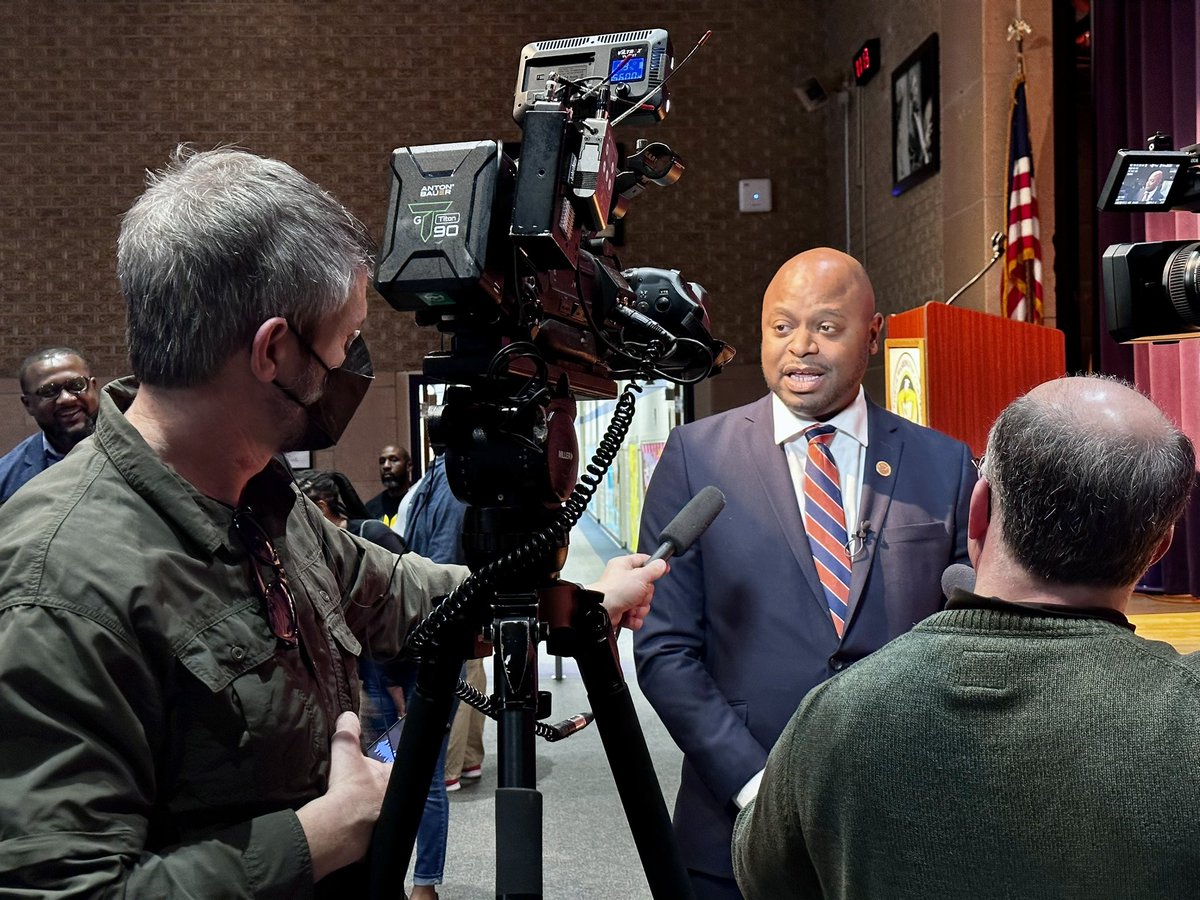
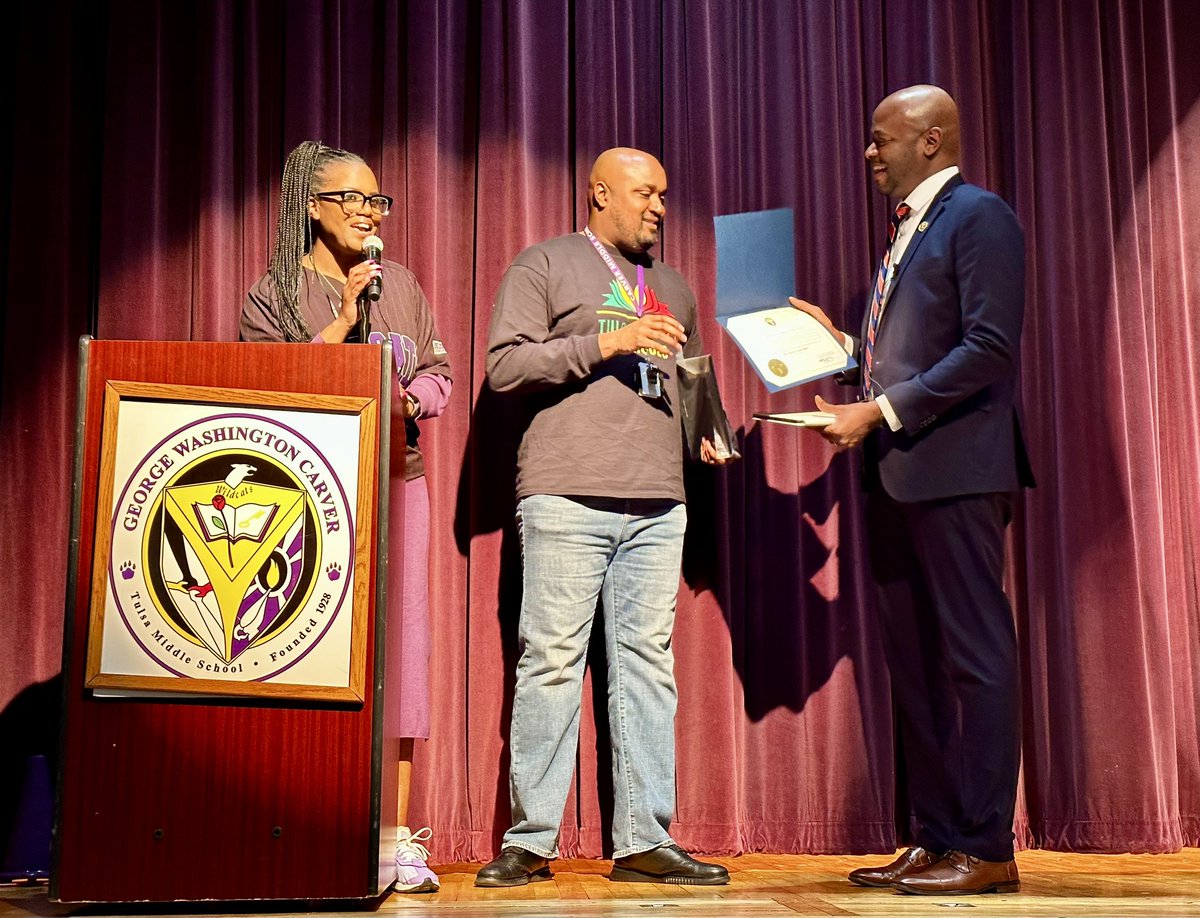
NSSL Director Dr. DaNa Carlis had a fantastic day in his home town of Tulsa, sharing the mission of @NOAA and NSSL, as well as talking about the importance of mentoring and inspiring the next generation of scientists. #STEM@NewsOn6@TulsaSchools@Route66AMS_NWA
@wise_wx Yes! We have COA in place in these locations that allows us to fly up to 5000ft AGL. We do not currently have permission to fly beyond visual line of sight, so no IFR conditions
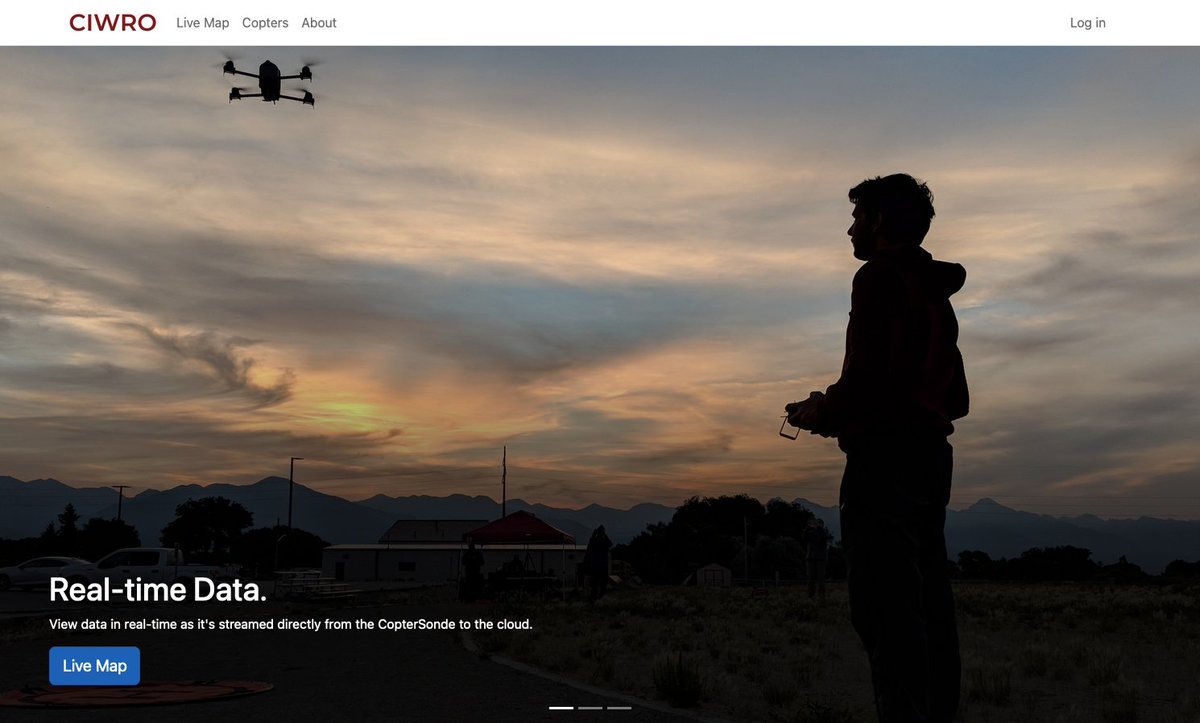
This year, data from all three CopterSondes will be streaming in real time to our newly revamped website, so be sure to follow along! https://t.co/0K2BkTZrc0
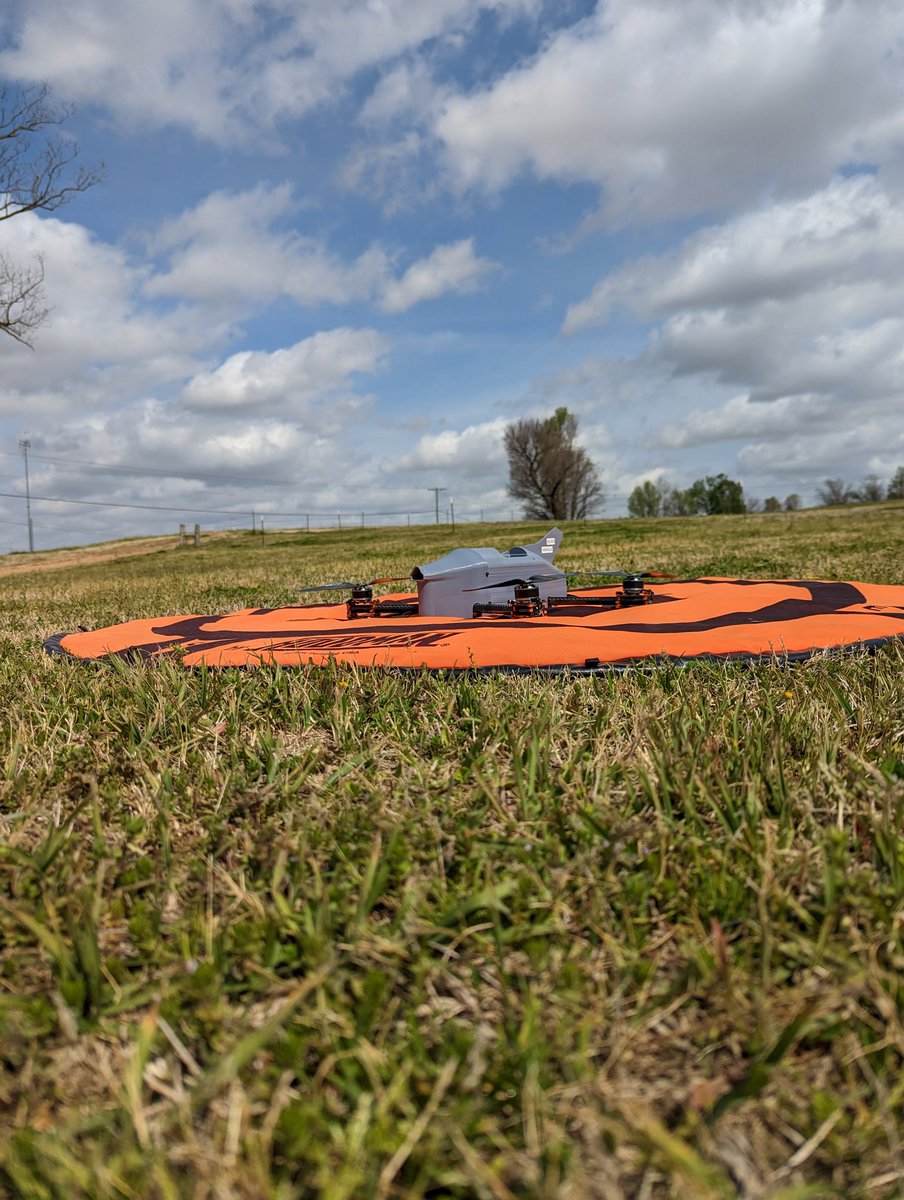
This is the second year of the project. Last year, the #CopterSonde flew safely and successfully for over 120 profiles. Here is an example of data captured during IOP 2 in 2022
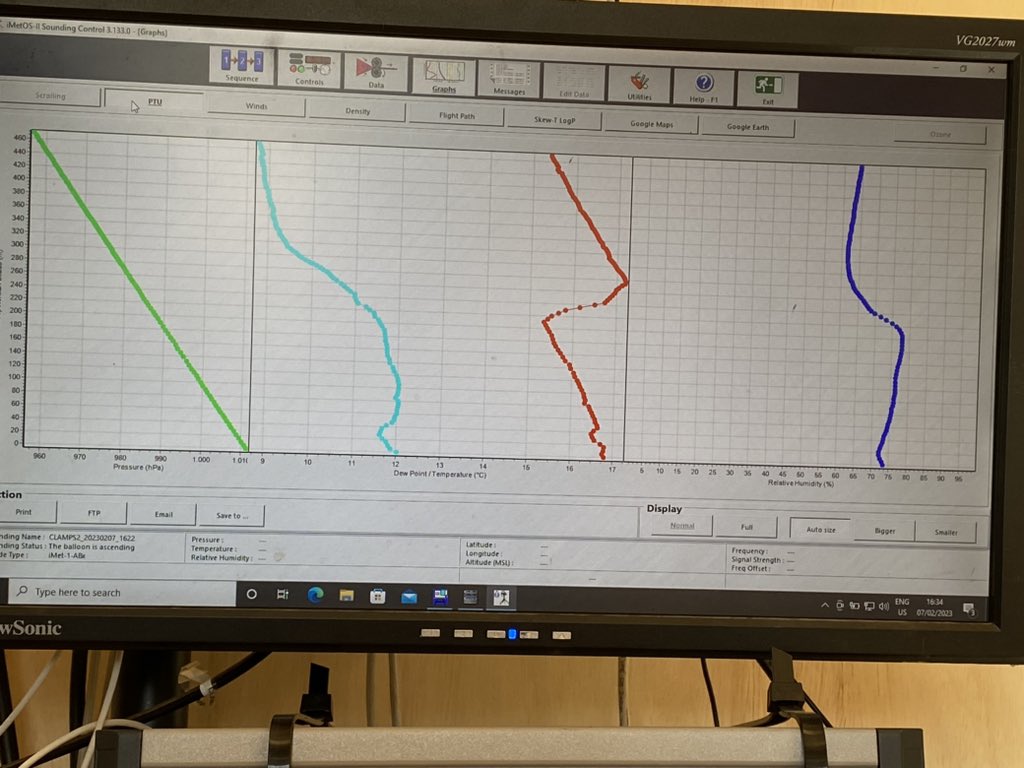
On a clear day like today, this balloon is able to show us the remnants of last night’s nocturnal boundary layer with the inversion still in tact as daytime turbulence is working to mix it away.