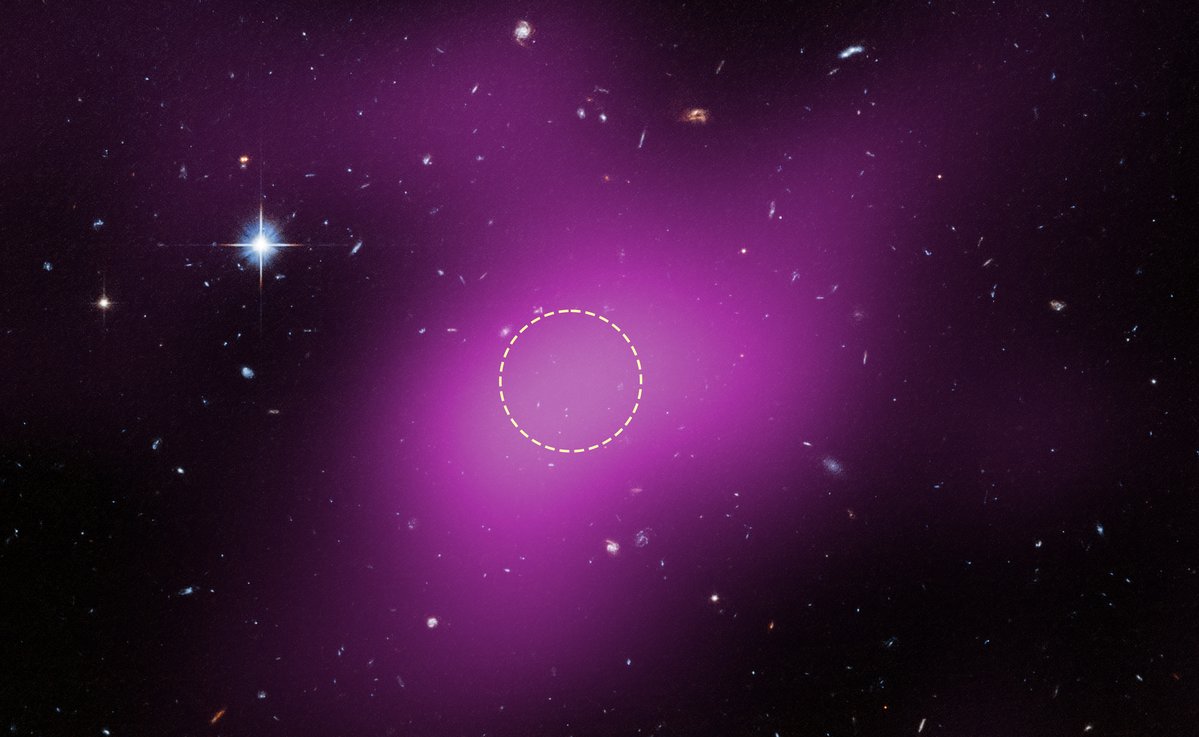
A team using @NASAHubble has made the first confirmed detection of a new type of astronomical object: a starless, gas-rich, dark-matter cloud, nicknamed Cloud-9. Here's what this object is teaching us about dark matter and the early universe: https://t.co/csCRXnzgDM
The galaxy, also known as Messier 104, gets its nickname from its central bulge and outer dust trail, which gives it a sombrero-like appearance from our vantage point
https://t.co/jy9i8wgnvA
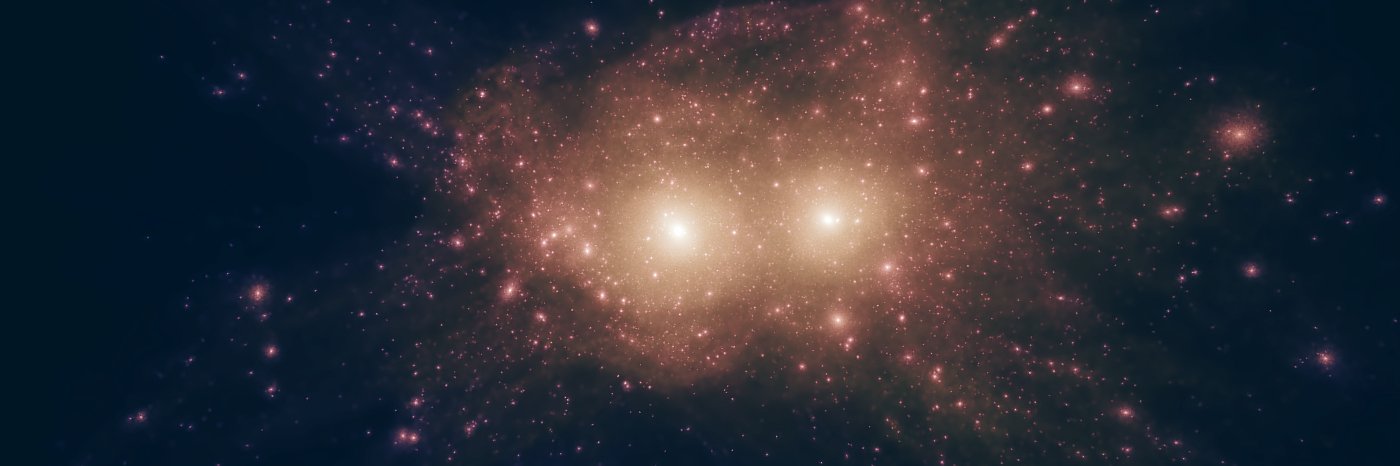
py-sphviewer 2.0 is now live on GitHub.
Rebuilt with a novel super fast algorithm. Native C++ multithreading. Native rotations and panning. Deferred Rendering, and more. Is it worth a try? Ask Grok 😉
Source, Intallation & Tutorials here: https://t.co/CEg4eHsfKc
Astronomers confirm a major prediction of the big bang creation model where dark energy is the universe's dominant component & cold dark matter is the 2nd most abundant component. They found a starless massive gas cloud in M94's halo. The hydrogen gas in this cloud has a mass equal to a million Suns, has a 9,000 light-year diameter, & contains no luminous stars, implying that it is relic gas cloud left over from the cosmic creation event. You can read about the discovery here: https://t.co/iJFN2Ve1lp
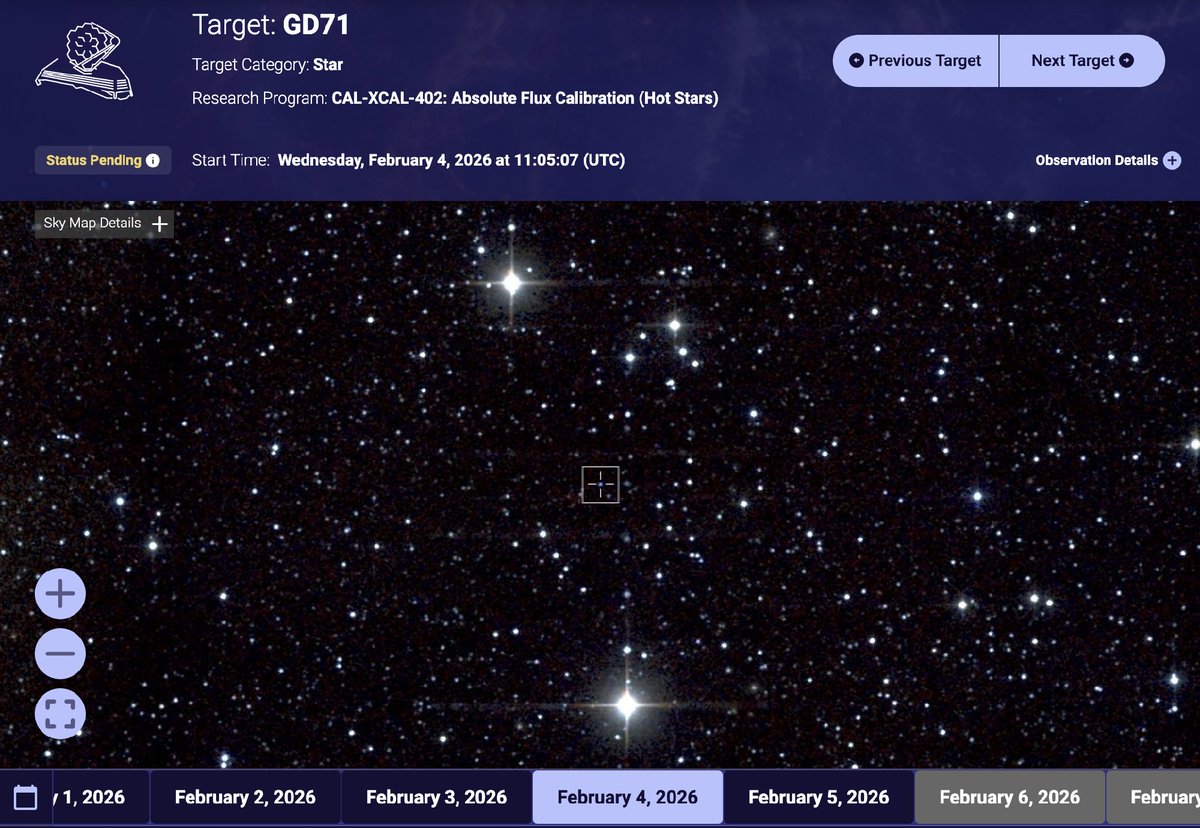
If you've ever wondered what Hubble and Webb were observing at any time? 👀
Space Telescope Live can show you what the telescopes are looking at now and what the next planned observation will be, all in one space (pun intended 😁): https://t.co/yOvvSCNYpJ
I had a wonderful interview for Our Narratives, a platform dedicated to sharing original stories, artwork, and research. It was a pleasure to be part of this experience.
You can read the interview here:
https://t.co/0D9Kf2lO0b
Another excellent write-up of our results via @SkyandTelescope. Arielle Frommer did a fantastic job summarizing the physics at play and properly contextualizing the alternative interpretations we explored.
Astronomers discovered a cloud of hydrogen gas that’s devoid of stars. Held together by an invisible halo of dark matter, the starless cloud may elucidate its nature.
Read more: https://t.co/8zJirTxmPi
@StartsWithABang has done his homework! The best coverages of our research I’ve read so far. To add to the story: our VLA observations following the FAST detection were crucial. They allowed us to truly pinpoint Cloud-9’s exact location to point Hubble right at it.
Astronomers are on “Cloud 9” with a new, starless gas cloud
Just 16 million light-years away is a massive cloud of gas, weighing in at around 1.4 million solar masses.
And yet, there are no stars inside at all. Here's what that means.
https://t.co/W8Hd7UsvfS
Scientists trained Hubble’s sharp vision on a starless, gas-rich, dark-matter cloud and identified a new type of astronomical object—a failed galaxy that never produced stars. Nicknamed Cloud-9, it is considered a fossil from the early universe: https://t.co/nxdwdPsSQI #AAS247
NEW from #AAS247: NSF NRAO Radio Telescopes Help Reveal Cloud-9, a Starless Dark-Matter “Failed Galaxy” Near M94
https://t.co/lC0DfBYKlP
📸 Credit: NASA, ESA, NSF VLA, Gagandeep Anand (STScI), Alejandro Benitez-Llambay (University of Milano-Bicocca), Joseph DePasquale (STScI)
Our new paper with @ximexram on a comoving framework for planet migration is on arXiv!
Simulating planets moving through their disk is computationally expensive. Our new method solves this by keeping the planet fixed, making simulations over >10x faster!
From preprint to final publication! The journey for this review on planet-disk interaction is complete.
The officially published version is now available online. I hope it serves as a useful resource for the community!
Published version: https://t.co/h9hFtNHdqD
Our new @NASAHubble observations of Cloud-9, an HI cloud near M94, find no galaxy with mass > 3,000 solar masses, making it the strongest candidate yet for a starless dark matter halo, long predicted, but never observed! Exciting! https://t.co/8nhpLhRTcT
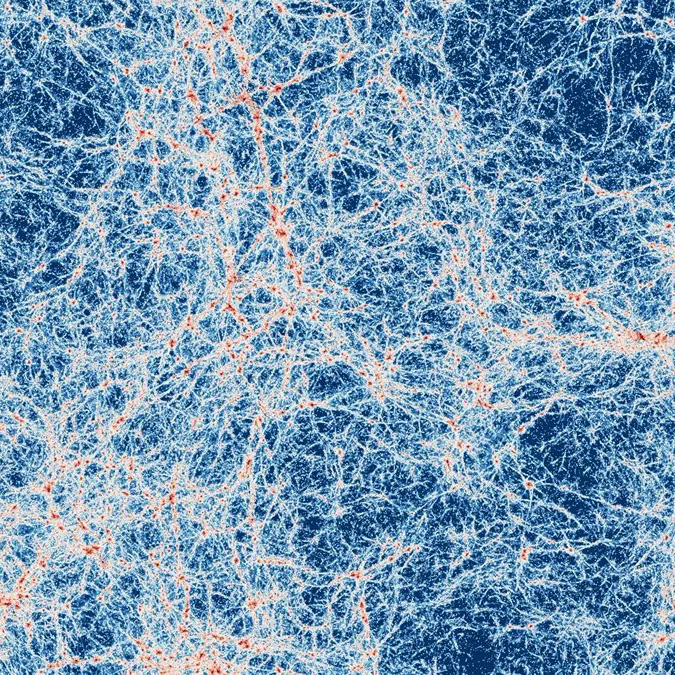
¿Es esta la primera imagen de la red cósmica, la colosal telaraña invisible que sostiene al universo? En ella, las galaxias no flotan al azar, sino que se agrupan y conectan a lo largo de filamentos de gas que atraviesan el cosmos como hilos de luz.
Interested in helping find new Milky Way satellite galaxies? Join "DELVE Dwarf Galaxy Quest: Milky Way Neighbors" on Zooniverse to classify potential candidates! https://t.co/98D4nT9oPU
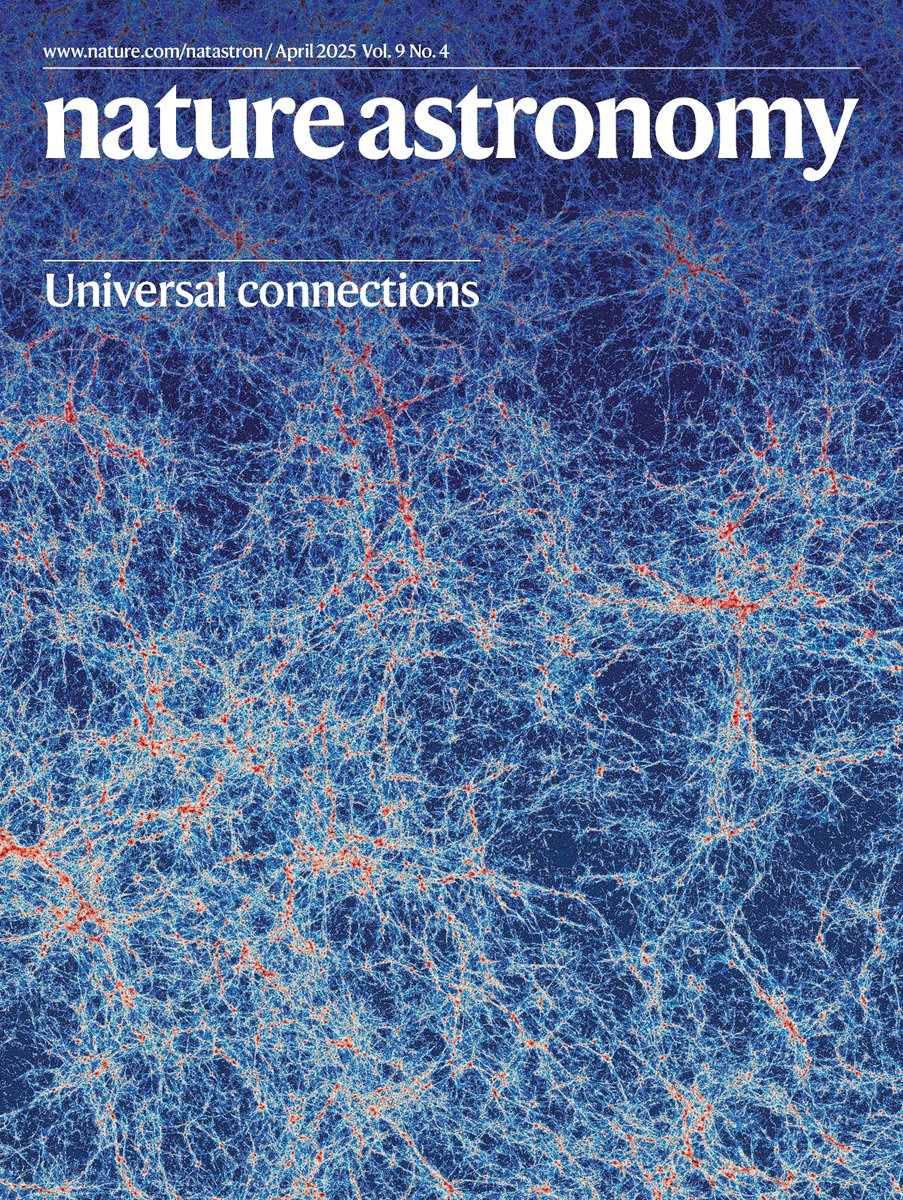
This month’s Nature Astronomy cover features our recent paper led by Davide Tornotti, in which we image a filament connecting 2 QSOs. The cover was created in seconds using our new py-sphviewer 2.0 code, which renders N-body simulations with unprecedented spatial dynamic range.
Our April issue is now available to read! The cover image shows the (simulated) filaments of the cosmic web, and comes courtesy of the Tornotti et al. paper within the issue: https://t.co/pVYg5OhZQF