@OpenAI honest thoughts: you're now getting enterprises 10x'ing the amt of data they are now trusting to codex security. The truth is static code analysis probably won't be enough if you truly want to keep these apps safe.
I think attackers are going to have a field day with this one.
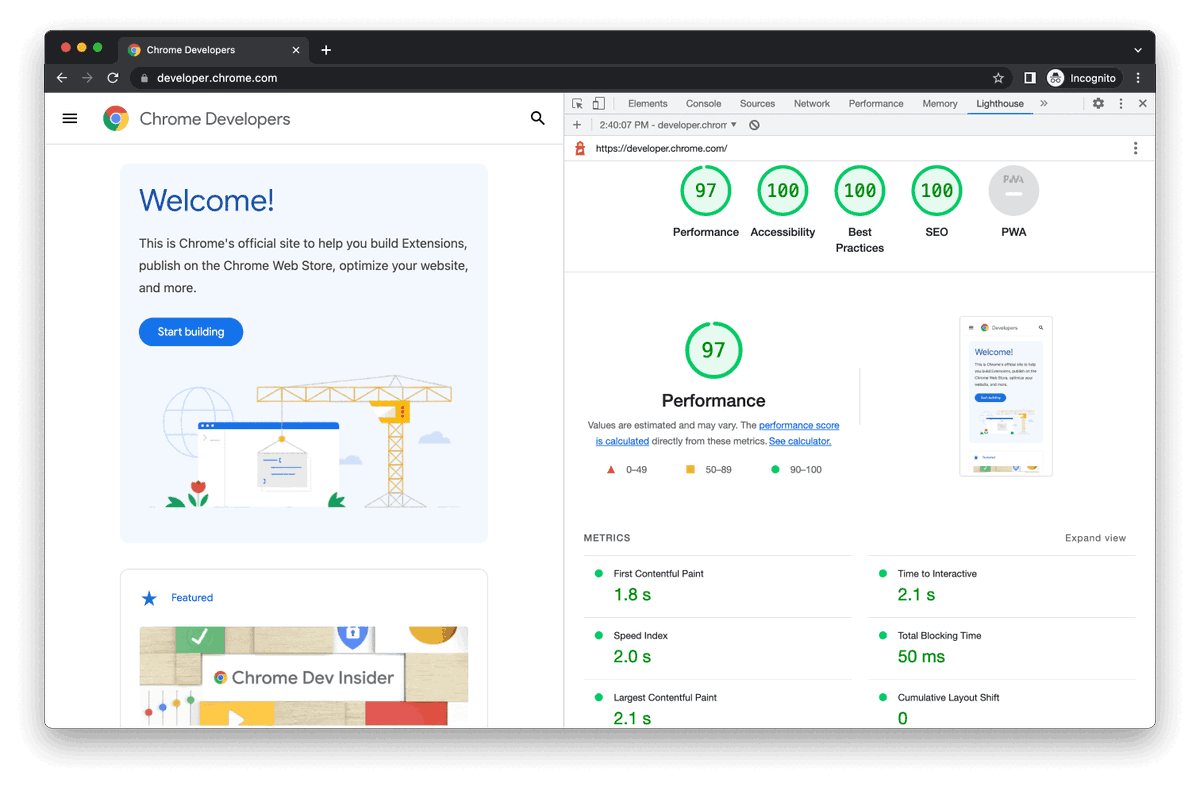
Prepare your site for AI agent interaction with Lighthouse → https://t.co/5myVWdLZd9
If you want AI agents to actually navigate your site properly, the new experimental audit in Lighthouse lets you see:
☀️ Discoverability for AI agents
⚡ WebMCP integration
👀 AI accessibility
#GoogleIO
MindFort is now available in Slack.
Tag @Mindfort to trigger an assessment, triage a bug report, validate a fix, or get a remediation.
Security agents, where your team already works.
https://t.co/XiErJXNvLd
Mythos-1-preview is soon to release.
Yes, it will replace cyber startups, but only the ones who are doing low-level code analysis.
Mythos by-itself still won't be able to truly test in runtime (with good results) + do all of the triaging, compliance reporting, + integration with existing stacks, + more that have now become the moat.
Ever wondered how agents are impacting cyber and offensive security?
We're hosting a free live webinar to help answer those questions, and show you how to stay ahead on defense in the age of AI.
Join us on May 22nd, with security experts @BVeiseh and @AkulGupta30 joining us.
Register here: https://t.co/0XBFcUsGf8
@securecheckio@SuhailKakar waf controls and protections are already being worked around by agents. Offense is really the best defense.
An agent properly scoped will not cause any repercussions or just test in dev.
@securecheckio@SuhailKakar I mean yea, but my point comes back to testing in runtime and doing continuous pentesting vs just doing a blind code scan. A lot of false positives arise because ai sast tools have to guess on how M's of lines of code will interact