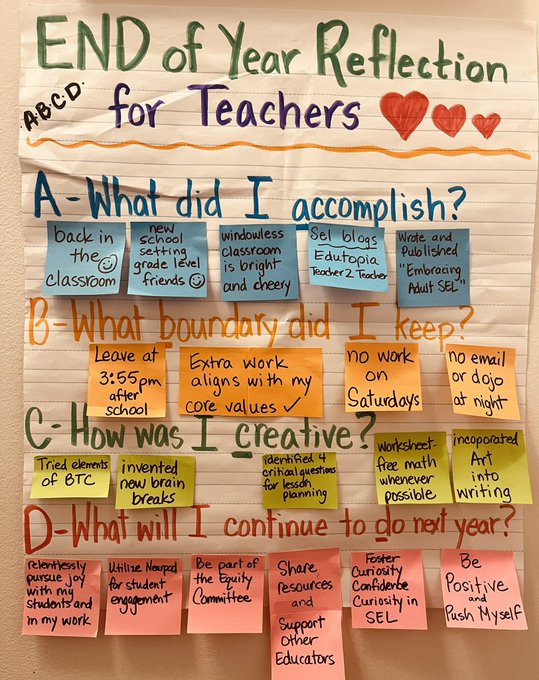
In Eigen planeet eerst laat @roxanevaniperen overtuigend zien waarom onze democratische systemen falen in het aanpakken van urgente vraagstukken zoals de klimaatcrisis. Wat kan dit betekenen voor het onderwijs?
#onderwijs#waarden
https://t.co/2HNvRtZaLY
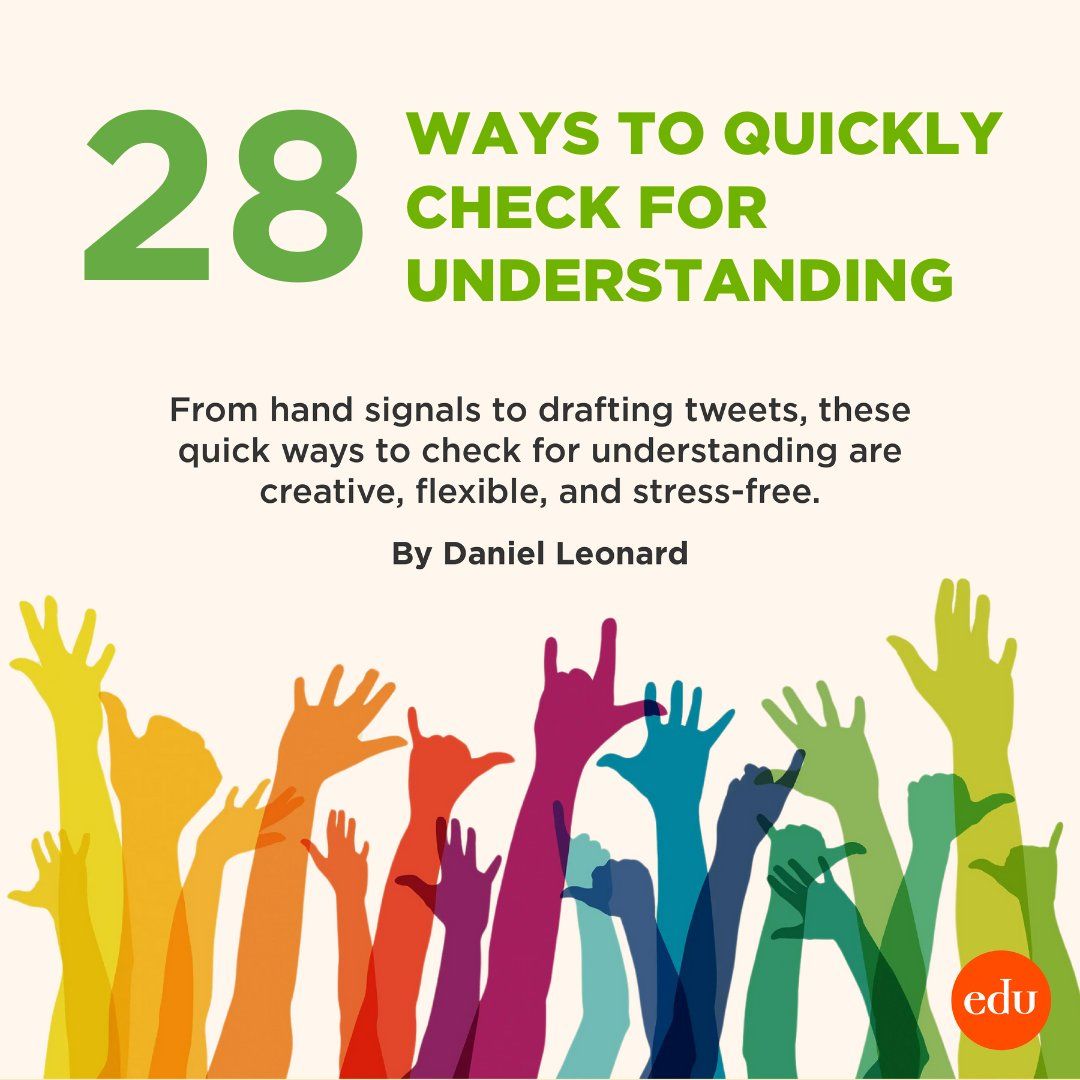
Formative assessments—quick learning “pulse checks” during and after lessons—can be a powerful way to improve student learning and inform next instructional steps.
The best part? They can be fun and fast!
🧵1/10
How do you support deep thinking for your students? K Collier says, “One helpful strategy is providing students a visual that matches with question type and depth.” Dig into her anchor chart...
🌸 Surface level questions are quick to answer (think multiple choice or fill in the blank) and can be supported with easy to find text evidence.
🌸 Deep level questions are more complex (think constructed response) and require students to process the text through inferencing, analyzing, and critical thinking.
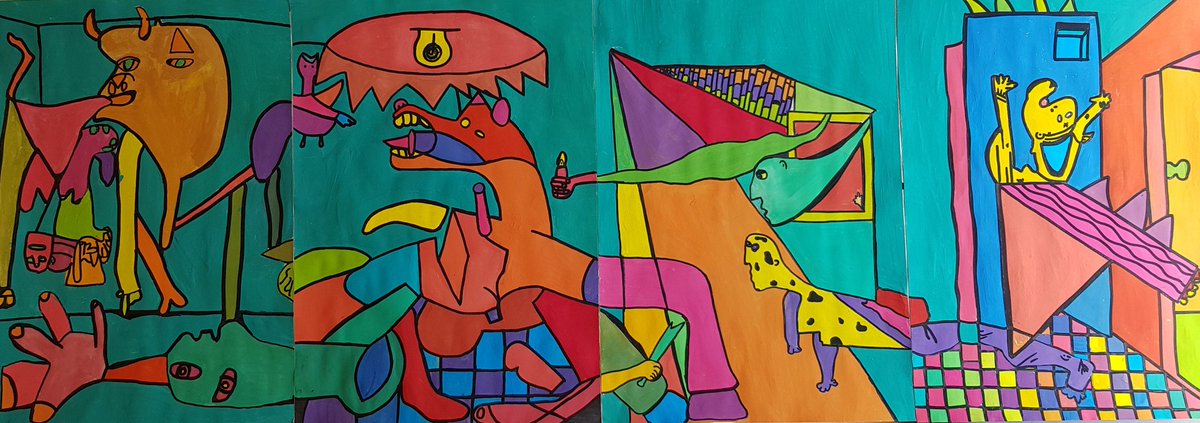
Enkele brugklassen maakten bij mijn collega een remake van de Guernica van Picasso 🎨! Vier leerlingen elk een stuk van het originele ontwerp. Daarna samengevoegd.
#onderwijs#kunst#Picasso
The key to avoiding disappointment is not to lower your expectations. It’s to broaden your goals.
It's not aiming high that sets you up for a let-down. It's fixating on ideal while failing to identify good enough.
Happiness lies in the range between aspirational and acceptable.
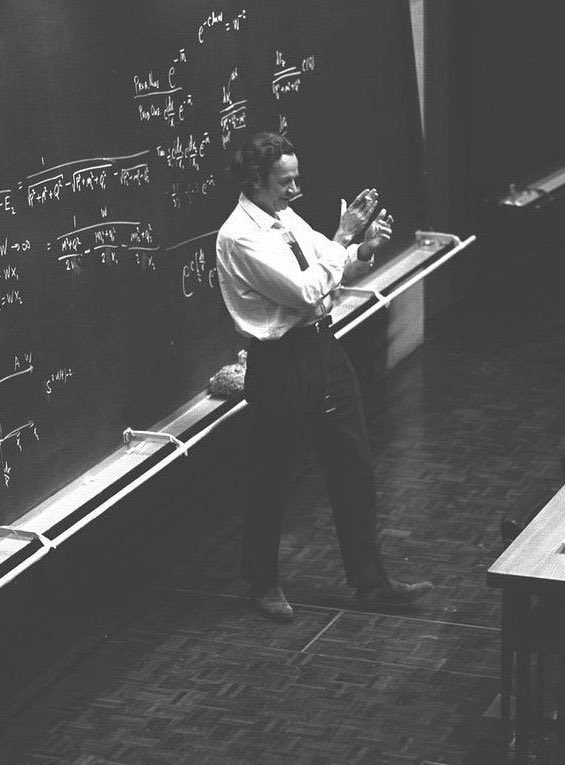
The difference between a good student and a great one is that a good student is concerned more about the outcome while a great one is fascinated by the process of learning.
The measure of your intelligence is not your ability to acquire knowledge but how you handle uncertainty and navigate through it and behave when you don't know what to do.
The problem is not people being uneducated.
The problem is that people are educated just enough to believe what they have been taught, and not educated enough to question anything from what they have been taught
The problem is not people being uneducated.
The problem is that people are educated just enough to believe what they have been taught, and not educated enough to question anything from what they have been taught