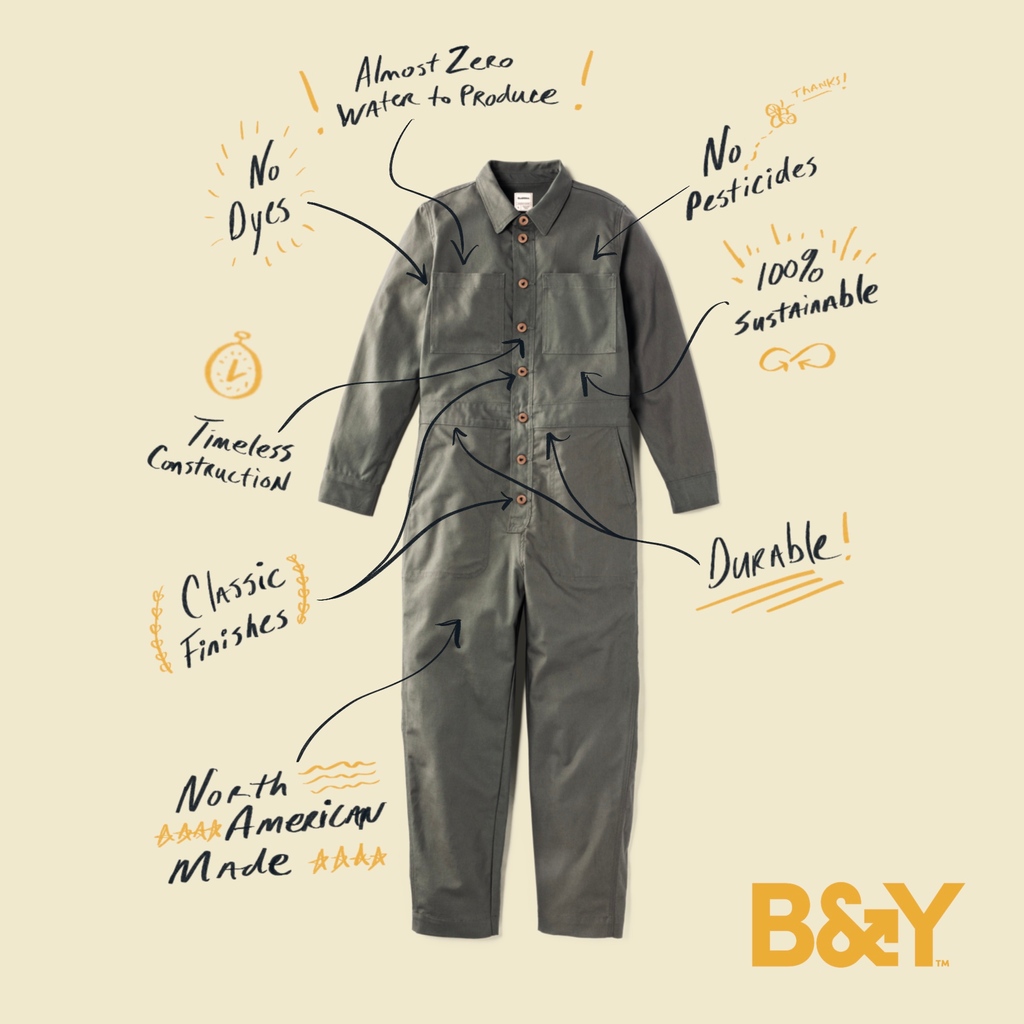
The wait is over! Our Tomales Canvas Coverall is here!
This workwear inspired coverall is an easy all-in-one outfit that commands attention. Made of revived canvas that’s extremely durable yet soft to the touch.
https://t.co/DQfPLjFSuC
#ethicalapparel#naturalfashion
Our Recycled & Respun Collection is made of 98% recycled materials, the highest amount possible without sacrificing comfort and fit.
Each piece undergoes an innovative mechanical recycling process requiring <10% of the water and energy necessary to make similar apparel.
Not only do the chemicals, salts, and heavy metals used in the dyeing process pose significant health risks for garment workers, but the wastewater is typically dumped directly into surrounding rivers (@cnnstyle). Once the water is contaminated, it's challenging to treat.
It's no secret that harsh chemicals and synthetic dyes are used throughout the textile production process to give clothing a specific look and feel. Yet, we still see fabric preparation, dyeing, and finishing polluting essential water sources.
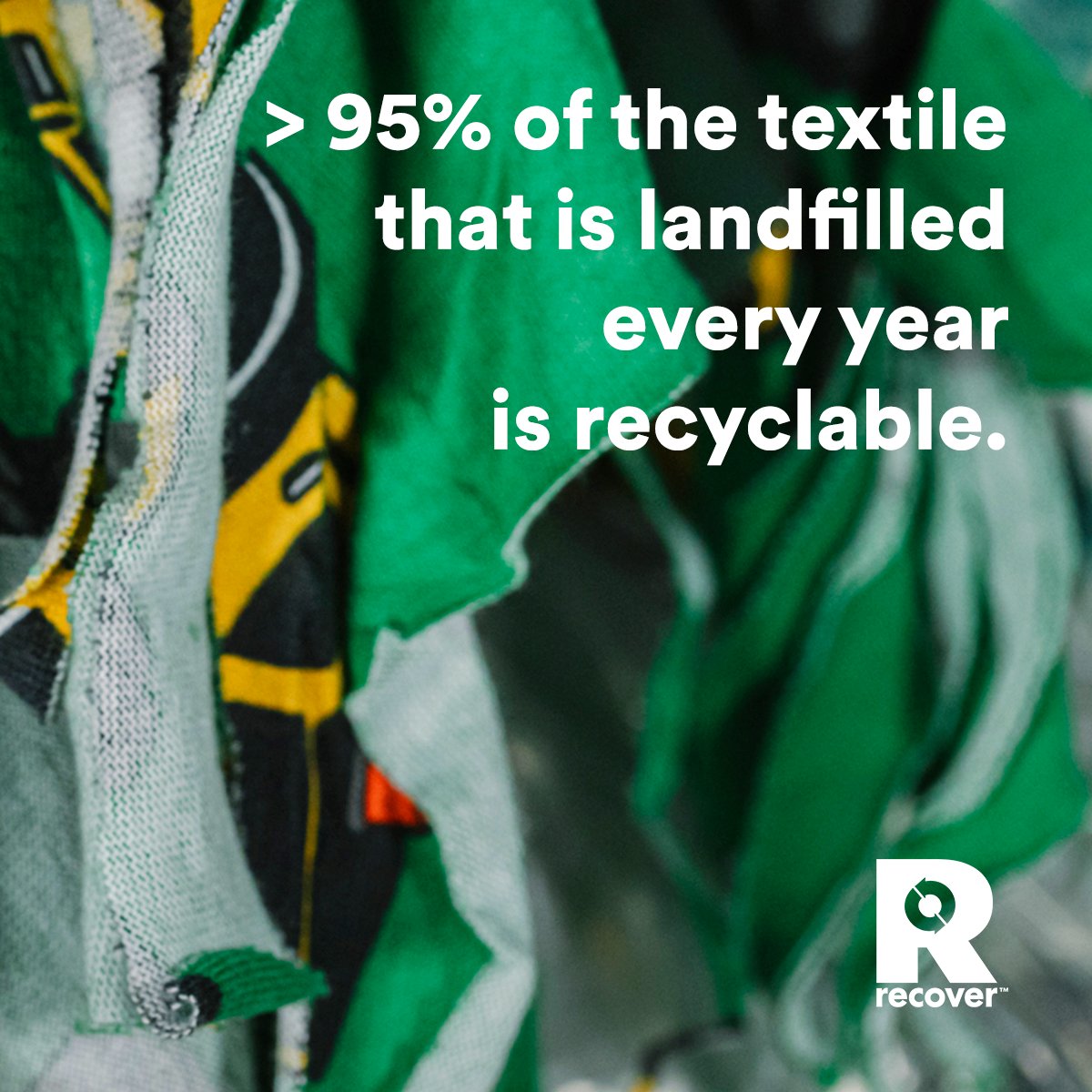
In the U.S. alone, we see over 11 million tons of textiles sent to landfills every year. Blue & Yellow wants no part in that. Recycled cotton classics are coming soon. Sign up for yours at https://t.co/1CSB2PrecY
The apparel industry accounts for 10% of global carbon emissions due to the energy used during production, manufacturing, and transportation. Your fashion choice makes a difference. #blueandyellowproject
Using what we already have is undoubtedly the best thing we can do for mindful consumption. We're reviving unused materials and transforming them into your new favorite classics in two collections we’re calling “Rescued & Reborn” & “Recycled & Respun." #blueandyellowproject
Did you know an extra nine months of active use can reduce the overall carbon footprint of your garments by 20-30% (@fash_rev)? At #blueandyellowproject, we're reducing the harmful impact of your clothing by breathing new life into unwanted fabrics.
📣We need to protect and conserve 30% of the planet: but it has to be the right 30%. #KeyBiodiversityAreas provide one of the best tools for guiding where the 30% should go, @KeyBiodiversity Read more 👉 https://t.co/mLviX0hcHV