Sunrise Light Exposure and Your Genetic Destiny: Cortisol, A Circadian 🔆 Hormone
Cortisol, the primary glucocorticoid from the adrenal cortex, follows a circadian rhythm with a natural morning peak (cortisol awakening response, CAR) that boosts energy, metabolism, and immune function.
Sunrise light triggers a >50% immediate elevation in cortisol via SCN-mediated activation of the hypothalamic-pituitary-adrenal (HPA) axis. This involves glutamate release in the SCN, which projects to the paraventricular nucleus (PVN), stimulating corticotropin-releasing hormone (CRH) and adrenocorticotropic hormone (ACTH) release.
Research from constant routine protocols (e.g., 36-hour wakefulness studies) confirms that transitioning from dim (~3 lux) to bright light (~10,000 lux) in the early morning amplifies the CAR, countering sleep deprivation-induced fatigue without affecting thyroid-stimulating hormone (TSH).
This cortisol spike enhances focus and mood via increased dopamine and serotonin signaling but can be blunted by chronic stress or evening blue light exposure, leading to flattened rhythms and disorders like insomnia. Benefits peak with consistent exposure (e.g., 2 weeks minimum) for circadian entrainment.
Broader Circadian and Health Benefits:
Sleep Optimization: By advancing the dim light melatonin onset (DLMO), morning light increases total sleep time by 30–60 minutes and reduces sleep latency [when you fall asleep]. Meta-analyses of light therapy in insomnia show 15–30% improvements in sleep quality scores.
Metabolic and Mood Effects:
Regulates appetite via SCN-leptin interactions and boosts serotonin (a melatonin precursor), reducing depression risk (e.g., seasonal affective disorder treatment).
Immune and Cognitive Support
Morning cortisol aids immune priming, while light exposure enhances alertness and decision-making.
Soviet stuff is just better. Low negatives, and it talks to the tissue instead of covering the symptom.
A statin does not rebuild a vessel.
An antihistamine does not retrain a mast cell.
These do the slower thing: short peptides aimed at one organ, plus a few mitochondrial compounds that give the cell its ATP back.
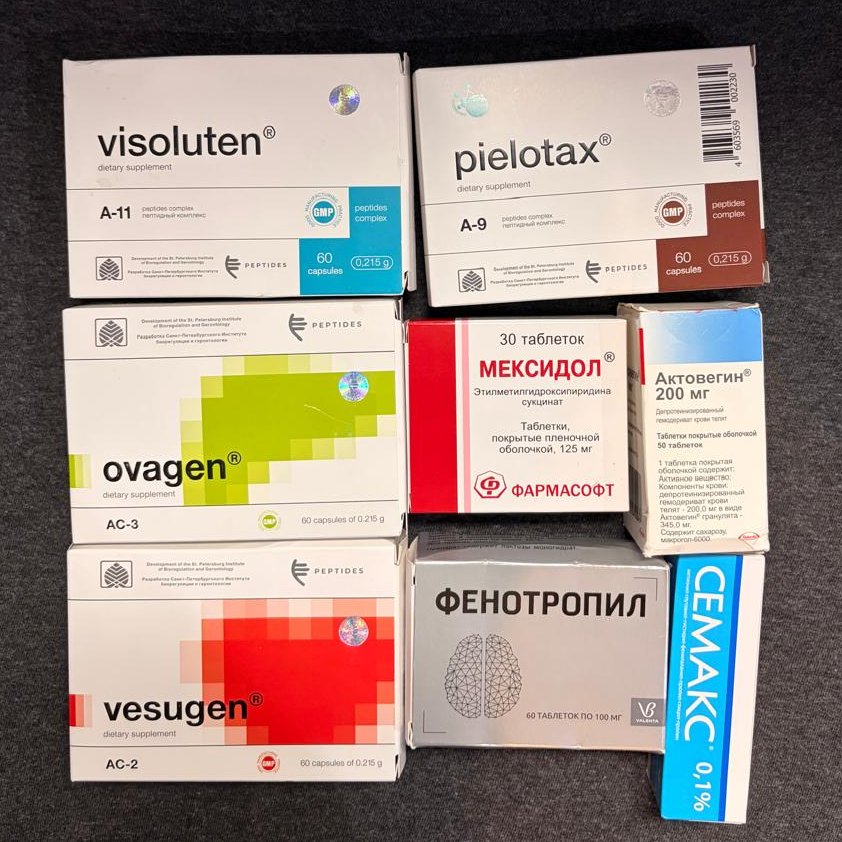
Here are the ones in the photo, who they fit, and the mechanism👇
1. The rule underneath all of them.
Khavinson peptides are 2–4 amino acids, small enough to get in, and the claim is they sit on DNA in a tissue-biased way and turn aging-silenced genes back on. That is chromatin, not a receptor block. You feel it over a 10–30 day course, then you stop for months. Masking drugs you take forever. These you cycle.
The nootropics next to them are the energy layer. A peptide cannot transcribe in a mitochondrion that is out of ATP.
2. Visoluten, A-11. Eyes.
Peptide complex from retinal tissue. For the person whose vision is the thing aging first: worse night vision, screen burn, the "my eyes are older than me" complaint.
The retina has the highest metabolic rate of any tissue and almost no reserve. When complex I drags, photoreceptors die quietly. Visoluten is the signal to the retinal cell to keep its own repair program on. It does not replace a new prescription. It is the upstream nudge for the tissue the glasses are compensating for.
3. Pielotax, A-9. Kidneys.
Kidney peptide complex. Filtration, tubules, the organ that takes the hit from high blood pressure, stimulants, and a long cut.
Kidneys fail by losing specialized cells, not by "needing a detox tea." A kidney-targeted peptide complex is there to push nephron cells back toward their original gene set.
Useful if labs are drifting, if you are on a lot of compounds the kidney has to clear, or if you just want the filter treated as an organ instead of a side effect.
4. Ovagen, AC-3. Liver.
The short peptide is Glu-Asp-Leu. Liver and gut-liver axis.
The liver is where T4 becomes T3, estrogen gets packed for excretion, and endotoxin gets caught. A sluggish liver is the root under "estrogen dominant," "can't convert thyroid," and "I flare every time I eat."
Ovagen is the hepatic version of the same idea: remind the hepatocyte what it is. Keep carbs high and sleep good or the peptide is talking to a cell with no substrate.
5. Vesugen, AC-2. Vessels.
Lys-Glu-Asp. Endothelium.
Vessels age by the lining forgetting how to keep tone, how to stop clotting, and how to limit oxidative stress. Vesugen is the endothelial-targeted tripeptide. This is the person with cold hands, a family history of vessels, or years of blood pressure that was "a bit high." It is not a nitrate. It is a gene-level note to the cell that lines the pipe.
6. Mexidol. The mitochondrial one.
Ethylmethylhydroxypyridine succinate. Two halves.
The hydroxypyridine half breaks lipid-peroxidation chains and stabilizes membranes. The succinate half is fuel for complex II. When complex I is choked by hypoxia, endotoxin, or stimulant load, succinate still feeds electrons into the chain and keeps ATP up.
This is why it reads as anti-hypoxic and oddly calming instead of stimulating. People in a cut, on a lot of sympathetic drive, or foggy after poor sleep are the fit. It is fixing the redox and the fuel inlet, not borrowing tomorrow's dopamine.
7. Actovegin. Cellular fuel uptake.
Deproteinized calf-blood extract. The used claim is more glucose and oxygen into the cell under low-oxygen conditions, which is a mitochondrial problem seen from the substrate side.
Fit: heavy training, brain fog that tracks with under-eating, slow recovery. It does not create a neurotransmitter spike. It tries to make the existing mitochondria less starved.
8. Phenotropil. The sharp one.
Phenylpiracetam. A phenyl ring on the piracetam core, so it actually crosses and it actually stimulates. Dopamine and noradrenaline tone go up, NMDA signaling is in the mix, and cold tolerance goes up with it.
This one is closer to a tool than a restorer. Use it for a work block or a meet, not every day.
9. Semax 0.1%. The attention peptide.
A fragment of ACTH, Met-Glu-His-Phe-Pro-Gly-Pro, used as nasal drops. It raises BDNF and NGF signaling and sharpens focus without being a classic stimulant. Enkephalinase inhibition is part of why mood holds.
Fit: the person whose "ADHD" is really a tired cortex, not low Dopamine. It supports the growth factors the neuron uses to keep its synapses.
I was asked a good question about glutamate so here are a few basic things that you need to be aware of.
First of all, neurotransmitters are molecules that are used in order to send signals from neurons to muscles and glands or between neurons.
This is partly why they can be called the body’s chemical messengers.
They also fall into different groups or types based on the actions they have.
There are:
1. Excitatory
2. Inhibitory
3. Modulatory
This is why when the balance is lost in the excitatory ones for example, we can experience anxiety for example.
An excitatory transmitter promotes the generation of an electrical signal called an action potential in the receiving neuron, while an inhibitory transmitter prevents it.
Also, whether a neurotransmitter is excitatory or inhibitory depends on the receptor it binds to.
So, a neurotransmitter can excite the neuron, inhibit a message or adjust the communication at the synapse.
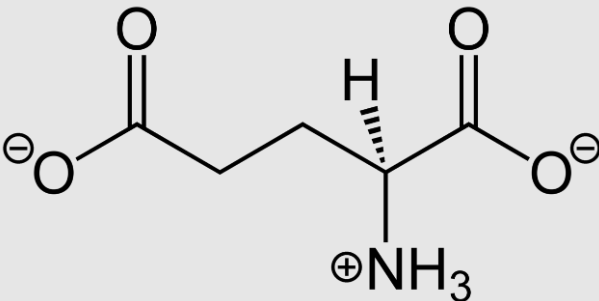
Now glutamate basically is the “gas” of our central nervous system (90% of synapses have it) and thus the primary excitatory transmitter.
It also greatly affects neuroplasticity which is partly why an excess, can prevent neurogenesis.
Some of its other functions include facilitating protein synthesis, gut motility (which is why one reason for a serotonin excess can be a glutamate excess), stimulating the vagus nerve, regulating glutathione, bone formation, the repairement of muscle tissue and of course supporting cognitive function in general.
Now the problem with glutamate is that in modern society, an excess can be accomplished too easily.
But in order to understand why this is the case, we need to talk about bound and free glutamate first (the same principles as free and bound iron).
Bound glutamate, basically is the natural form of glutamate found in foods which is bound to other amino acids.
This way, a potential toxicity by overconsumption of a food that is very high in glutamate, can be prevented through binding and excretion.
On the other hand, free glutamate isn’t bound to anything and can freely circulate around our systems.
And just as free iron, free glutamate is absorbed by out systems VERY fast.
This is a problem since an excess can cause:
-High blood pressure
-Anxiety
-Overthiking / ADD like symptoms
-Neurodegeneration (by preventing neurogenesis)
-Epilepsy / Seizures
-Insomnia
-Liver issues
-Tinnitus
-Migraines
-Excitotoxicity (the death of neurons through the overactivation of certain receptors (in this case the NDMA and AMPA receptors for example)).
So let’s see how you can prevent this from happening (optimizing GABA as it will be demonstrated in a few pages will also be crucial especially if you are using any type of thyroid hormones).
Number 1: Optimize blood flow (have a thread in the vault about this that i will soon post).
“Blood flow?! What? Why?”.
When blood flow to the brain is restricted or interrupted in general, this can very easily lead glutamate to cause excitotoxicity by activating NDMA and AMPA a lot more.
This is why grounding will also be crucial in order to properly regulate potentially elevated Ca2+.
Number 2: Avoid improper glutamine supplementation.
Now the thing with glutamine supplementation is that it’s an isolated amino acid that contrary to other amino acids such as glycine for example, needs first of all a lot of cofactors and second of all can exhaterbate certain conditions (liver issues for example and even cancer (exhasterbate, not cause)) if the health of the individual is not at a great condition.
After all glutamine is a precursor for a lot of things whose excess can cause health issues with ammonia and glutamate (through the enzyme glutamate synthase) being two of them.
Of course, glutamine is crucial for our overall health and its abstence will create a LOT of health issues.
But supplementing with glutamine for no reason is something that i do not endorse for people who are struggling with issues such as anxiety.
What i propose instead is sticking to sources of glutamine such as quality broths.
Now another thing that might be worth mentioning is that unless you have a VERY good reason to supplement with manganese, you shouldn't since a manganese excess will disrupt the glutamine - glutamate -GABA cycle.
Number 3: Avoid foods that have free form glutamate such as:
1. MSG
2. Monopotassium glutamate
3. Yeasts
4. Soy sauce and soy products in general
5. Wheat gluten
6. Casein
7. Whey
8. Maltodextrin
9. Milk powder
10. Modified food starch
11. Corn starch and corn syrup
12. Barley malt
13. Calcium caseinate
14. Xanthan gum
15. Carrageenan
16. Citric acid
Number 4: Daily usage of stimulants AND fasting by skipping breakfast.
At the beginning of this, we said that glutamate is like the “gas” of our CNS.
So we can’t expect to use stimulants on a daily basis or fill our bodies with stress hormones through daily fasts and not to overexcite certain parts of it.
Also, eating breakfast is once more crucial for lowering excessive glutamate through GABA since chronic stressful states such as the one of fasting result in the downregulation of GABA’s receptor system.
No of course giving up stimulants and fasting by skipping breakfast is something that lots of people won’t do.
Fine. Keep struggling with anxiety.
Number 5: A lack of magnesium and vitamin B6.
A lack of these two nutrients, will lead to a glutamate excess through harming its conversion.
Now most likely, you are (or have recently) supplemented magnesium.
My approach to getting enough magnesium is the following:
1. Do not consume many diuretics.
2. If you can, go and get some spring water because the bioavailability is very high.
3. Do anywhere from 2 epsom salt baths a week.
This will give lots of magnesium while enhancing recovery and increasing GABA as well.
4. If for whatever reason you can not do epsom salt baths, make sure to first of all, eat something rich in potassium every day (the things i recommend basically are potatoes, squash and coconut water and then you can use a magnesium glycinate supplement or taurate.
Now how about B6?
This one is crucial but its supplementation very tricky because you can experience pyridoxine toxicity very easily if you supplement for a few weeks.
So i always tend to suggest dietary sources of vitamin B6 such as quality fish, potatoes and beef while making sure to also get enough vitamin B2 in order for the B6 to be converted properly.
Number 6: Not consuming enough bioavailable protein.
Consuming 1.8 pounds of bioavailable protein per pound of bodyweight which is shown to reduce serum glutamate.
If it’s not clear, bioavailable protein means foods that have a complete amino acid and nutrient profile.
The most bioavailable protein sources are : eggs, quality dairy milk, quality sea food and of course, meat.
Number 7: Pay attention to GABA
Obviously in order to optimize GABA we need to make sure that we have enough nutrients that help synthesize GABA in the first place.
These are: Thiamine, vitamin C, vitamin D (you NEED sunlight if you want high levels of GABA), vitamin A, copper, zinc, magnesium, taurine and vitamin E.
Then you can achieve a short term boost through:
1)Passion flower
2)Lemon balm
3)Chamomile tea
4) Taurine
Grounding and breathing techniques such as wim hof breathing first thing in the morning will also be beneficial since it has been shown to increase the activity of the parasympathetic nervous system.
These were some basic things about glutamate for the people who didn't even perhaps know what it was until now.
If you learned something from it, leave a like.
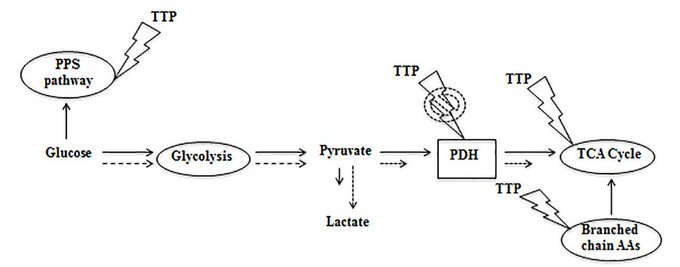
This is why inadequate thiamine intake and thus TPP shifts the body toward anaerobic metabolism even in the presence of oxygen (a form of “pseudo-hypoxia”).
Pyruvate from glycolysis cannot efficiently enter the mitochondria as acetyl-CoA → it accumulates and is reduced to lactate via lactate dehydrogenase (LDH), consuming NADH and regenerating NAD⁺ for glycolysis to continue.
This leads to:
-Lactic acidosis (elevated blood/tissue lactate, lowered pH) contributing to symptoms like fatigue, nausea, exercise intolerance, tachypnea, and in extreme cases, cardiovascular disease.
*Just remember that in the absence of thiamine, glucose metabolism is shunted towards the production of lactate.
-Reduced ATP production.
These energy deficits hit hardest in high-demand tissues such as:
-Brain (almost exclusively glucose-dependent under normal conditions; vulnerable to encephalopathy, confusion, ataxia as in Wernicke’s).
-Heart (cardiomyopathy, high-output heart failure in wet beriberi).
-Nerves (peripheral neuropathy, demyelination, impaired conduction in dry beriberi).
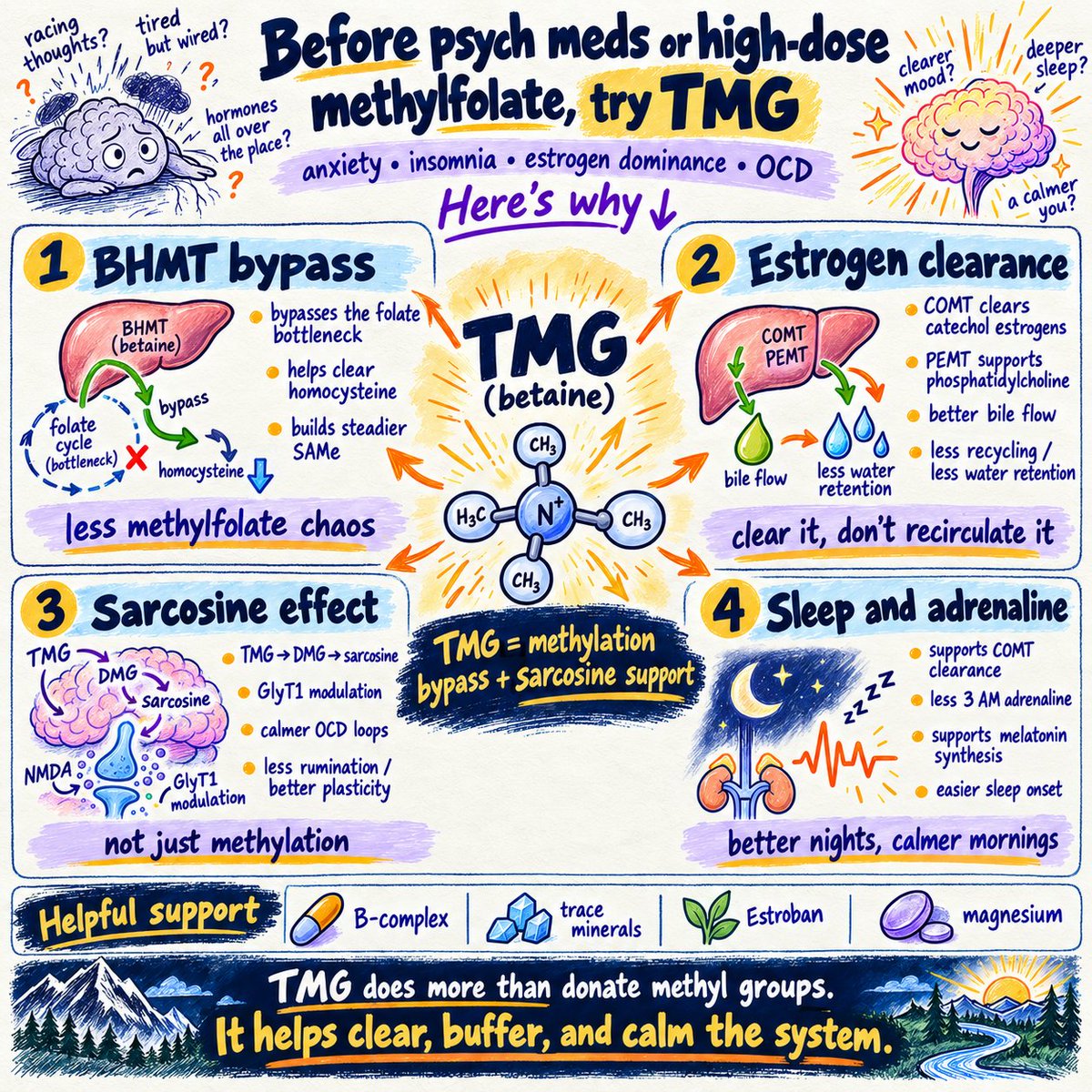
Before taking psychiatric meds or high-dose methylfolate for chronic anxiety, insomnia, estrogen dominance and OCD.
Try Trimethylglycine (TMG / Betaine Anhydrous).
Most people treat mental looping, midnight awakenings, and estrogenic water retention as isolated pathologies.
They are downstream symptoms of a choked methylation cycle, poor hepatic estrogen clearance, depleted sarcosine and glycine reserves.
TMG delivers three labile methyl groups directly to the liver while degrading into neuroactive sarcosine to stabilize cortical circuits.
The Hepatic Bypass: BHMT vs. The Folate Cycle
Folate-Independent Homocysteine Clearance:
The standard folate loop (MTHFR to Methionine Synthase) easily stalls and triggers adrenergic panic when flooded with synthetic methylfolate. TMG completely bypasses this by feeding Betaine-Homocysteine S-Methyltransferase (BHMT) in the liver.
Sustained SAMe Synthesis:
BHMT transfers a methyl group from TMG directly onto homocysteine, instantly regenerating L-methionine. This builds a continuous, somatic pool of S-adenosylmethionine (SAMe) without dumping unbuffered methyl groups into the central nervous system.
Estrogen Dominance: Phase II Methylation & Bile Flow
COMT Neutralization:
Phase I enzymes oxidize estradiol into reactive catechol estrogens. Catechol-O-Methyltransferase (COMT) requires continuous SAMe to convert them into inert methoxyestrogens for excretion. TMG fuels COMT, preventing estrogen recycling, breast tenderness, and water retention.
PEMT & Bile Excretion:
TMG donates methyl groups to spare choline, fueling hepatic PEMT to synthesize phosphatidylcholine. This optimizes bile flow, ensuring methylated estrogens dumped into the gut are permanently cleared in the stool.
Anxiety & OCD: The Sarcosine NMDA Modulator
The Sarcosine Cascade:
After donating its first methyl group via BHMT, TMG becomes Dimethylglycine (DMG), which is rapidly cleaved by DMG dehydrogenase into Monomethylglycine (Sarcosine).
GlyT1 Inhibition & CSTC Tuning:
Sarcosine acts as a natural Glycine Transporter 1 (GlyT1) inhibitor and a selective co-agonist at the NMDA receptor glycine-B site.
By fine-tuning prefrontal NMDA receptor gating, sarcosine restores cortical plasticity, breaking rigid obsessive-compulsive loops (CSTC) and clearing intrusive rumination without sedation.
After sarcosine, it converts into glycine and provides all the benefits of glycine.
Insomnia & Adrenaline Clearance
Nocturnal Adrenaline Breakdown:
Waking at 3 AM with a racing pulse is an unbuffered catecholamine surge. If COMT lacks SAMe, norepinephrine cannot be broken down into normetanephrine. TMG saturates COMT, clearing nocturnal adrenaline so you sleep undisturbed.
ASMT Melatonin Synthesis:
Acetylserotonin O-Methyltransferase (ASMT) requires SAMe to convert N-acetylserotonin into active melatonin, driving effortless sleep onset as ambient light falls.
Cofactors:
B-complex, trace mineral complex, Estroban (A, D, K, E), and magnesium so everything works optimally behind the scenes.
High protein diet with no fiber, or no fermentable substrate = proteolytic fermentation
Gut ferments protein to produce toxic metabolites like ammonia, hydrogen sulfide, phenols, p-crescol, indole compounds, putrescine, cadaverine (pretty sus), histamine, and other compounds
Thiamine also influences neurotransmitters quite a lot.
This happens primarily through two interconnected mechanisms: -Indirect support via energy metabolism and precursor availability.
As TPP, it enables the efficient production of acetyl-CoA which is a direct precursor for acetylcholine synthesis by choline acetyltransferase (ChAT) in cholinergic neurons.
Acetyl-CoA is crucial for acetylcholine (ACh) production at neuromuscular junctions and in the brain such as the basal forebrain cholinergic projections involved in memory and attention.
This is how a thiamine deficiency contributes to cognitive deficits (reduces acetyl-CoA flux and thus impairs ACh synthesis).
This is also why so many people find that thiamine helps their digestive system.
@MrAzzburger@altstudio54@lilsam323276 I've been experimenting with this stuff personally since at least 2018, after seeing the connection between GABA, CBD and the seizures. One of my first successes was shifting to Keto. Regulating these pathways seems to be partly why it helps seizure.
Now the fact that thiamine contributes to proper ion channel function and membrane potentials in excitable cells (muscles and nerves) through a combination of its metabolic support (via TPP for ATP production) and more direct, non-coenzyme effects (primarily from thiamine triphosphate (TTP) and cationic thiamine forms).
High-energy-demand excitable tissues rely on continuous ATP to power ion pumps like the Na⁺/K⁺-ATPase, which maintains resting membrane potential (typically -70 to -90 mV in neurons/muscle cells) by pumping 3 Na⁺ out and 2 K⁺ in per ATP hydrolyzed.
TPP-dependent enzymes such as PDHC and α-KGDHC ensure efficient mitochondrial ATP generation from glucose/amino acids.
Deficiency impairs this → reduced ATP → failure to sustain ion gradients → depolarization, impaired action potential generation/propagation, and weakened muscle contraction.
Thiamine also supports the regulated influx/efflux of electrolytes (Na⁺, K⁺, Ca²⁺, Cl⁻) in nerve and muscle cells.
By maintaining energy for pumps and directly modulating channels, it helps preserve proper ion gradients essential for depolarization (Na⁺ influx), repolarization (K⁺ efflux), and calcium signaling in contraction
Point made simple: Thiamine deficiency contributes to muscle weakness, cramps, peripheral neuropathy and fatigue.
A while ago I read about a guy who successfully treated many cancer patients with a mixture of maple syrup and baking soda. So basically a combination of sugar, salt, and CO2. This works in a ton of different ways but the main ones are probably inhibiting lipolysis and shifting the mitochondria towards efficient glucose oxidation, working towards eliminating or at least lessening the warburg effect (cancer cell metabolism) ..where cells when oxidizing substrate produce as byproducts lactate which is inflammatory, instead of urea and CO2 which are both anti inflammatory.
Also cancer thrives in an acidic environment and thus treatments using baking soda by itself are being studied for cancer treatment as it is a very basic (versus acidic) substance. It’s interesting to note also that since the warburg effect increases lactic acid production, CO2 can also help ameliorate the negative effects of it. Similarly to how the body mixes bicarbonate in the small intestine to render inert the stomach acid. CO2 is also a potent anti inflammatory which can’t hurt.
Then of course you have salt which reduces serotonin and prolactin, and thus estrogen, and also adrenaline which all slow the metabolism and inhibit glucose oxidation.. estrogen also in large enough quantities WILL cause cancer. This is relatively widely known. To the extent that doctors use the same estrogen blockers that bodybuilders use for breast cancer treatment. You also sometimes see warnings on products containing estrogen that say “this product is known to cause cancer in the state of California”
things i’d try before ever considering SSRIs:
bromantane
myo-inositol
testosterone
more caffeine
saffron extract
cerebrolysin cycle
theanine + taurine
daily vitamin d/k/zinc
modafinil/armodafinil
high dose vitamin E + C
fix thyroid/T3 microdosing
BPC-157 cycle for gut-brain reset
fix methylation (TMG + b-complex)
sprint often
read ‘the war of art’
take your own advice
never sleep over 8hrs
no food 2hrs before bed
20 mins of sunlight daily
jump rope every morning
consistent sleep/wake time
morning sunlight/short walk
increase carb & sugar intake
lifting 3x p/w + mobility training
direct procrastination into the halo effect
identify your god-given talent & master it.





![MitohormesisAct's tweet photo. Sunrise Light Exposure and Your Genetic Destiny: Cortisol, A Circadian 🔆 Hormone
Cortisol, the primary glucocorticoid from the adrenal cortex, follows a circadian rhythm with a natural morning peak (cortisol awakening response, CAR) that boosts energy, metabolism, and immune function.
Sunrise light triggers a >50% immediate elevation in cortisol via SCN-mediated activation of the hypothalamic-pituitary-adrenal (HPA) axis. This involves glutamate release in the SCN, which projects to the paraventricular nucleus (PVN), stimulating corticotropin-releasing hormone (CRH) and adrenocorticotropic hormone (ACTH) release.
Research from constant routine protocols (e.g., 36-hour wakefulness studies) confirms that transitioning from dim (~3 lux) to bright light (~10,000 lux) in the early morning amplifies the CAR, countering sleep deprivation-induced fatigue without affecting thyroid-stimulating hormone (TSH).
This cortisol spike enhances focus and mood via increased dopamine and serotonin signaling but can be blunted by chronic stress or evening blue light exposure, leading to flattened rhythms and disorders like insomnia. Benefits peak with consistent exposure (e.g., 2 weeks minimum) for circadian entrainment.
Broader Circadian and Health Benefits:
Sleep Optimization: By advancing the dim light melatonin onset (DLMO), morning light increases total sleep time by 30–60 minutes and reduces sleep latency [when you fall asleep]. Meta-analyses of light therapy in insomnia show 15–30% improvements in sleep quality scores.
Metabolic and Mood Effects:
Regulates appetite via SCN-leptin interactions and boosts serotonin (a melatonin precursor), reducing depression risk (e.g., seasonal affective disorder treatment).
Immune and Cognitive Support
Morning cortisol aids immune priming, while light exposure enhances alertness and decision-making.](https://pbs.twimg.com/media/G2fOrZoWkAA4OzF.jpg)