too many avatars, no digital life.
most avatar models today give us a face that can talk. but digital life should have its own story, exist in a world, and form genuine connections through real interactions, empathy, and shared experiences.
not just someone on a screen, but someone living on the other side of it.
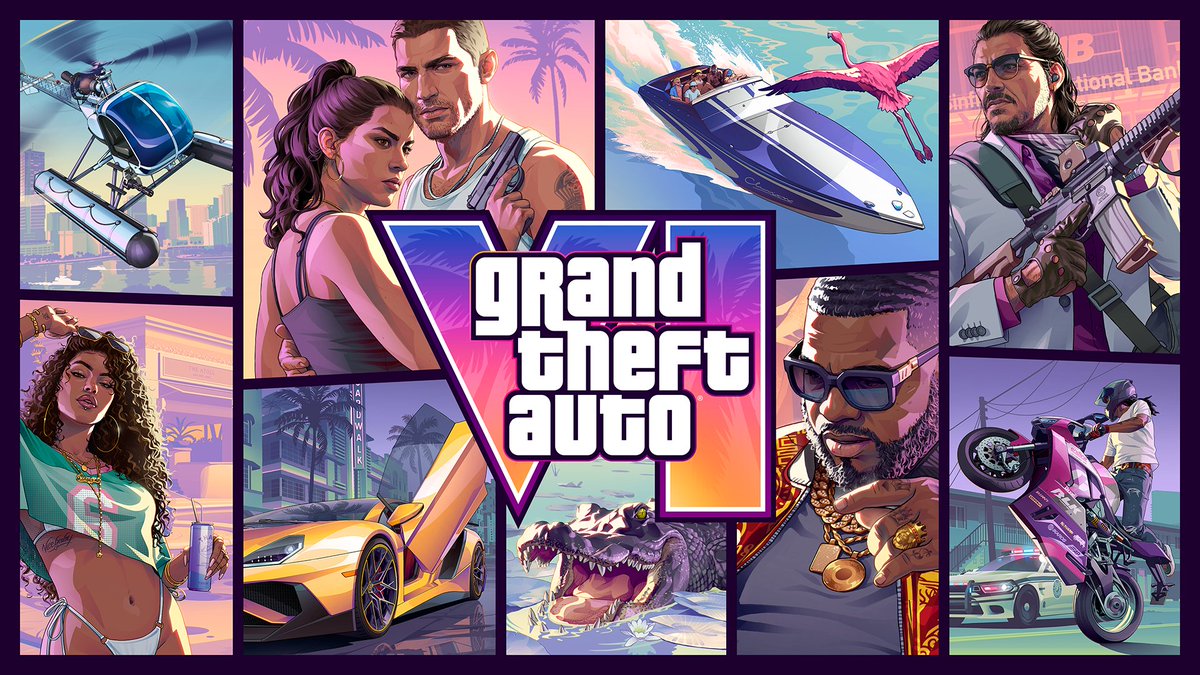
Remember that GTA getaway partner who said, “this time, I’m driving”?
I’d wait until they’ve got one foot in the car.
“Hang on. I’ve been practicing.”
They pause, pull their foot back out, and toss me the keys.
“Fine. I’m picking the music.”
I’d play that mission twice just to see where a different line takes it. Half the fun would be seeing what your partner does when you change the plan mid-action.
Fal’s H3 Max can generate a five-second clip in about three seconds. That’s a big step forward for video generation.
Fast is good, but fast alone isn't enough.For interactive video, speed is only the starting point. The video has to keep streaming and respond to you in real time.
Imagine a character is halfway through pulling out a chair when you say, “Let’s sit by the window.” They slide the chair back under the table, pick up their coffee, and head over to the window.
That’s the continuity we’re building at Philo. You can speak up mid-action, and what you say shapes what happens next in the same scene.
Somebody is going to skip the explanation, get confused, and ask to see it again. Probably me. 🙋
I'd want a character who can do something with that moment: pause the demonstration, find another way to show me, and then pick up from where we've got to.
That's a useful place to start with a product team. They know where their users get curious, impatient, or stuck; we'd bring the model and build around those moments together.
We'd be building for how people actually behave. Including the person who confidently said "got it" ten seconds ago.
"Wait. Show me that turn again."
In a finished dance video, the teacher carries on with the routine. You can replay it or make another version.
With real-time interactive video, we want the character to be able to take that request while they're still moving: slow down, show the turn another way, and pick up from there.
Then you ask something else.
That next exchange needs to build on what just happened. The interaction keeps developing, with the same character, instead of sending you back to the start.
Side quest: GTA 6 ✅
Main quest: resumed.
Next mission: digital life, face to face.
GTA Jensen, call me anytime.
Lesson one: how to take a week off for GTA 6.
probably will go down as one of the most epic stories in AI history.
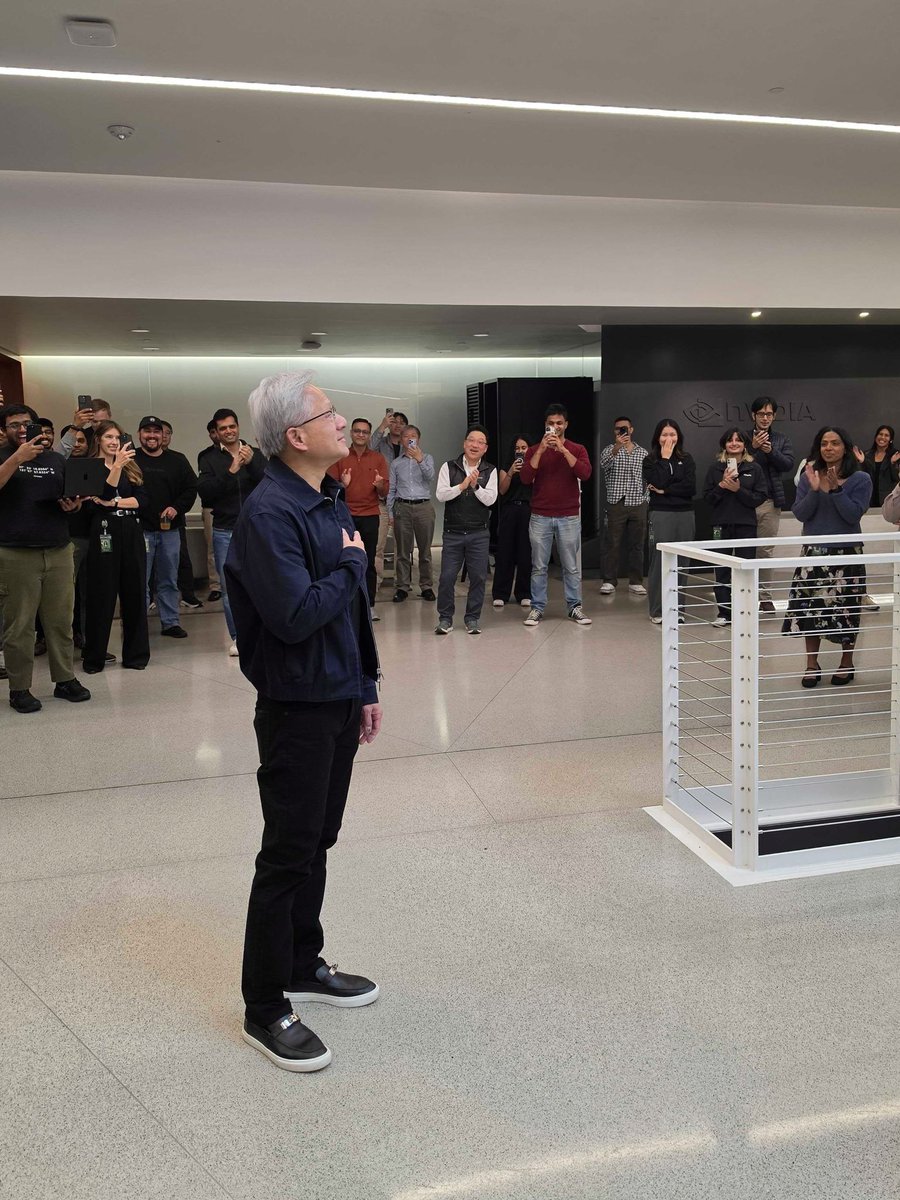
what a symbolic photo of Jensen's return: one of the most iconic leaders of our generation, welcomed back by the people who choose to follow him.
probably will go down as one of the most epic stories in AI history.
what a symbolic photo of Jensen's return: one of the most iconic leaders of our generation, welcomed back by the people who choose to follow him.
imagine a GTA 6 NPC you can go off-script with during a heist.
i'd love to explore experiences like that with teams building games or companion apps. the app team knows its users; we'd bring the model.
together, we could learn what people actually enjoy doing with a character and build around the moments they want to come back for.
I'd love to build a relationship with an AI character through the things we do together.
And I'd probably be a slightly annoying person to do those things with.
Let's say we're making tea. They reach for a cup, and I interrupt halfway through: "The other cup."
That's just how people interact in real life. We join in, change the plan, and end up with little moments that belong to us.
I'd love to have that kind of history with an AI character. Something we can pick up again next time.
I'd love a GTA 6 NPC who remembers that I wrecked the getaway car a month ago.
📞 Then one day, they call:
"Found us another job. This time, I'm driving."
They've got their own plans, shaped by a history with me. That's the kind of initiative and long-term memory I'd want to build around.
Why should that stop at games?
In digital life, I'd want a character who brings their own ideas. I can go along, push back, or suggest something else. I'd come back curious about what they have in mind.
Just don't make me wait another ~20 years for GTA 7.
We want AI characters with personality. Who they are should be a big part of why you enjoy spending time with them.
What makes them laugh. What they'll argue with you about. What they remember from weeks ago, and what they want to bring up next.
Real-time avatars have made face-to-face conversation possible. At Philo, we want personality and memory to show up in the character's actions, too:
• What they choose to do.
• How they carry it out.
• How their actions change the scene.
That's the kind of digital life we want people to build relationships with.
Dario's spiel since GPT-2 has always been about hyping the dangers so that open models would be made illegal and *he* would stay in control.
He left OpenAI because he wasn't going to have control.
It's like the Ottoman Empire banning the printing press for Arabic so they would keep in control of the dogma.
It stops the population from freely accessing diverse knowledge.
It's a new form of medieval obscurantism.
@emollick the friendly otter is the part i'd want to spend more time with. we've been working on the character side of this too, so i'm curious: if you changed the scene again, could you pick up where you left off with the same otter?
@alexwg "we gave the bottleneck a face" is too good. we're working on characters that can act in the scene. my test: if i ask to see the back of a bag, can the character just turn it around? curious: what's one task you'd actually want an avatar for?
@Acemation_ good catch on the control group. curious if they timed the first reaction or the first word. we've been working on this too, and a quick nod can make the same pause feel way shorter. when you tried it, what part of the wait stood out to you?
Over the past week, I’ve been overwhelmed by the love and support of friends, industry colleagues, and people I've never met. Thank you to everyone who has shown kindness to my family and me. It means the world to me.
I came to the United States 53 years ago, and becoming an American citizen is one of the greatest gifts and proudest moments of my life. NVIDIA has been my life’s work. Building it into the company it is today alongside my colleagues has been a privilege and an honor. Nowhere but in America could a company like NVIDIA be possible. I love our country, and I love NVIDIA.
I did not live up to the standards expected of everyone at NVIDIA, and I have made serious mistakes in my personal life. I created problems for the Board that I deeply regret. I own my mistakes completely, and I am committed to cooperating with the Board’s independent investigation.
Since my departure, I’ve seen an outpouring of calls from NVIDIA’s employees, investors, business partners, and customers for me to return as CEO. Many continue to reach out to me directly as the company navigates complex technology, market, competitive, and geopolitical dynamics. NVIDIA is a once-in-a-generation company. If the Board of Directors decides that my return is in the best interest of our shareholders, our employees, the company, and America, I would be honored to answer these calls and return as CEO.
Thank you again to everyone who has shared their good wishes. I am profoundly humbled by your support. To my family: I love you, and I will spend the rest of my life being worthy of yours.
Jensen