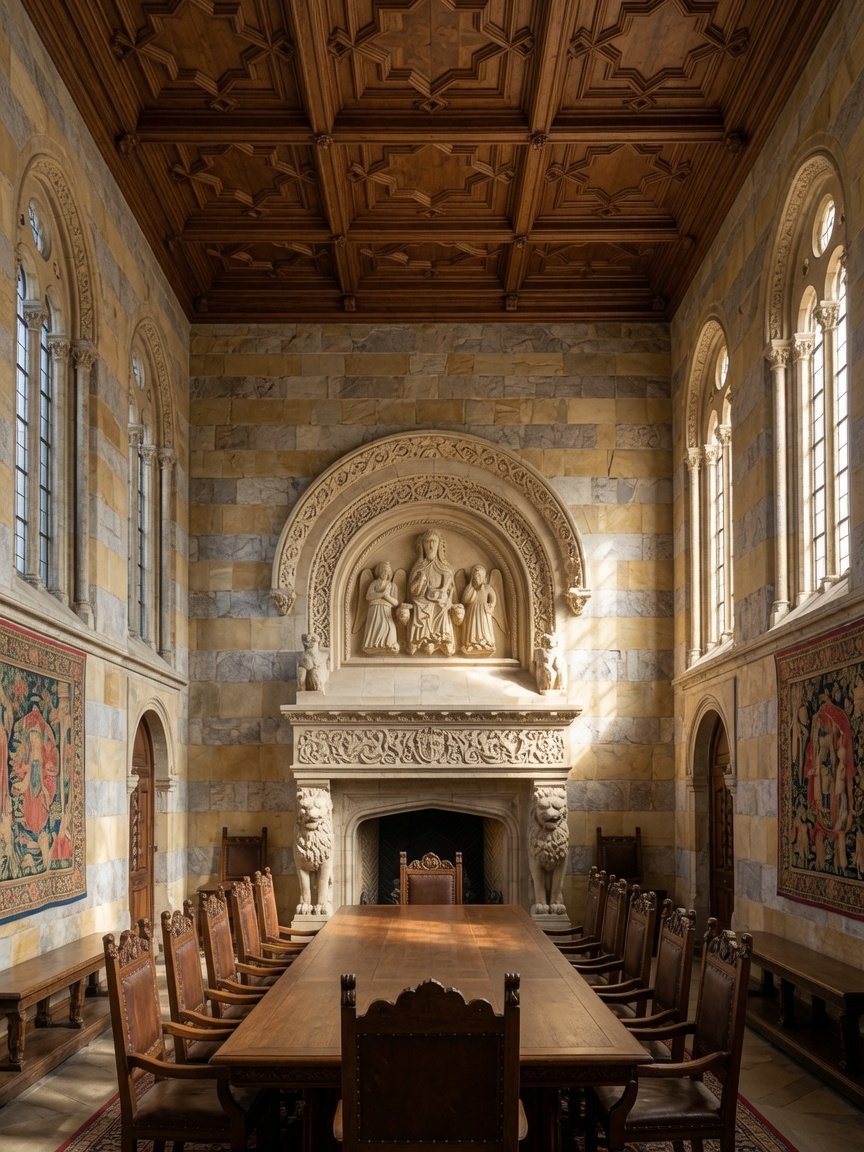
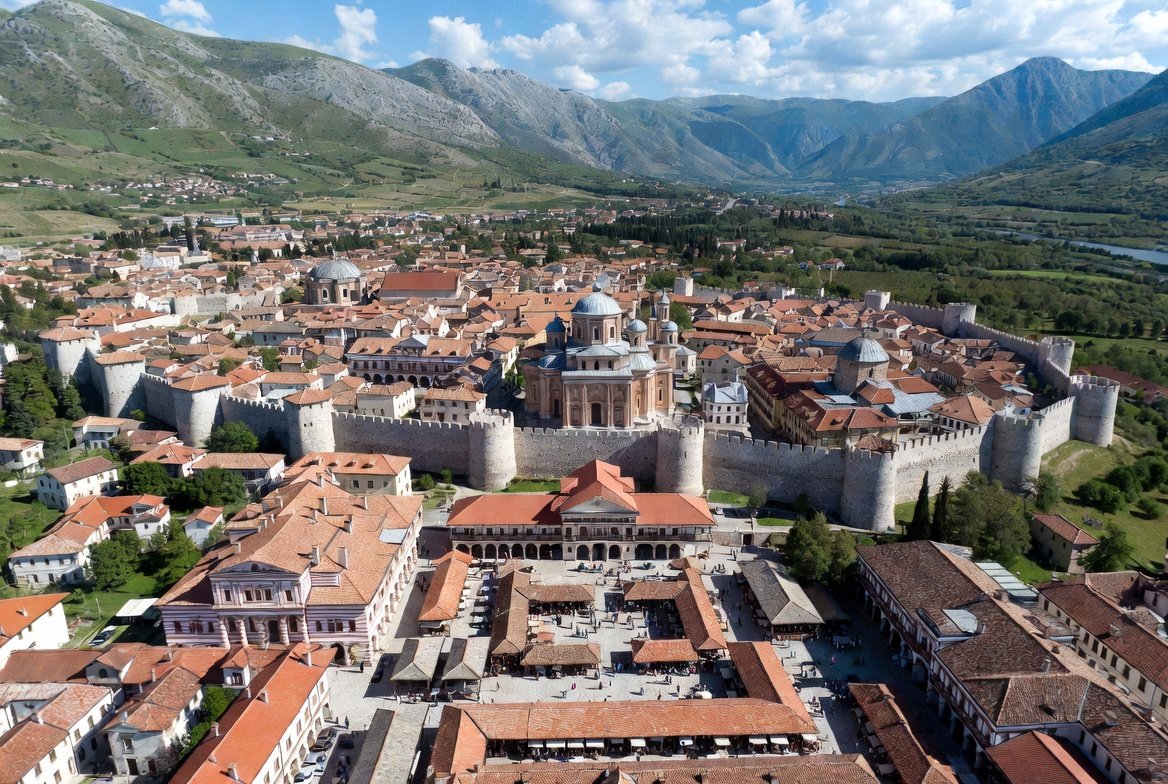
Pitao sam Grok kako bi srpska carevina izgledala u 16. i 17. veku, da Turci nikada nisu kročili na Balkan.
Rekao sam da uzmu Dečane kao arhitektonski stil.
Nije loše. Šta mislite?
https://t.co/vefJmejf3j
-------------------
Već sam objavljivao, ali vredi povremeno, jer je korisna aplikacija i sačuvaće novac, jer drugi servisi naplaćuju.
"По чему су Срби другачији од других православних народа, рецимо Руса или Грка?
Сваки православни народ има своју бит, свој дар, овај, а могу ли да вам одговорим ријечима Георгија Флоровског, нема већег православног теолога у двадесетом вјеку. Питали њега које је мјесто Грка у православном свјету? Па, каже – Грци су, знате, они су чувари предања, они чувају отачка учења, они нам то преносе данас, објашњавају богословље , теологију... А Руси? Па, каже, знате како, Руси нису толико упућени у предање да га познају, али по ономе што знају они живе и они рађају светитеље који живе по том отачком предању, један за другим, све већи од већег светитеља просијао Духом Светим.
А Срби? Па знате како, да вам кажем, Срби нису ни једно ни друго, нити познају много то предање, нити за њега нешто живе, једино што када дође до питања да се да глава за то предање, Срби су први." ❤☦️🇷🇸 Преузето од Ирине В.
The entire web runs on three engines.
Blink powers Chrome, Edge, Brave, Opera, Arc.
WebKit powers Safari.
Gecko powers Firefox barely.
Three engines. 5 billion users. No alternatives.
Most people don't notice. Developers do.
When browsers share an engine, they share its bugs, its limitations, and its vendor's priorities.
"Works on Chrome" has quietly replaced "follows the web standard."
The web platform is now shaped by whatever Google decides to ship.
One project is trying to break that.
Ladybird started as a browser for SerenityOS - a hobby operating system one developer built from scratch to learn how computers work.
That browser became its own thing. Then contributors started arriving.
Now it's 1,248 contributors and 76,000+ commits deep.
Every layer written from zero:
LibWeb - rendering engine
LibJS - JavaScript engine
LibWasm - WebAssembly
LibCrypto/LibTLS - cryptography
LibGfx - 2D graphics & image decoding
LibMedia — audio and video
LibIPC - inter-process communication
Each tab runs in its own sandboxed process.
Network and image decoding run separately - so a malicious page can't touch your system even if it breaks the renderer.
It runs on Linux, macOS, and Windows via WSL2.
No releases. Pre-alpha. 61.4k stars anyway.
The browser monopoly wasn't planned.
It just happened because building a browser engine is so hard that nobody tried.
Ladybird is trying.
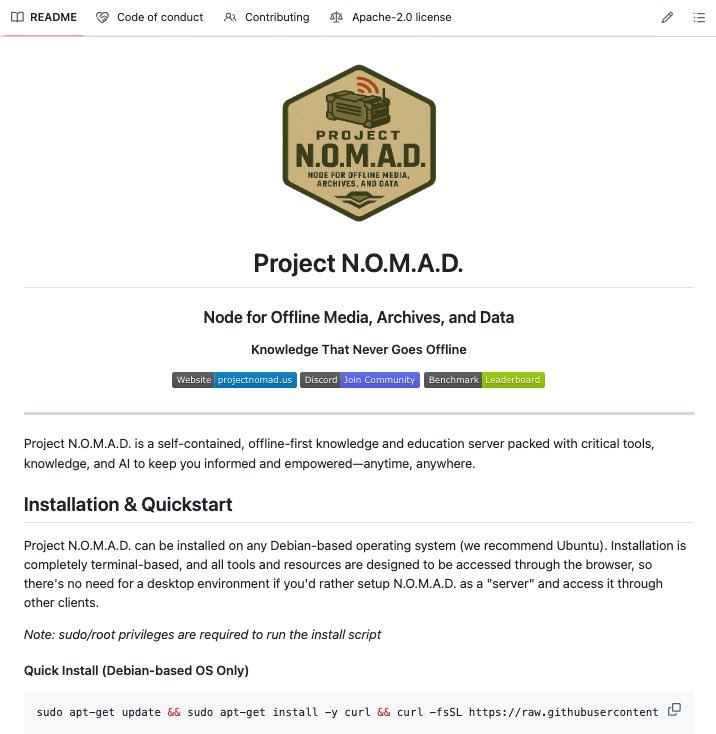
🚨This is absolutely amazing…You can now run a full AI + Wikipedia + offline maps computer that works when every server on Earth goes dark.
It's called Project N.O.M.A.D. and it's completely free.
Two commands to install on any Ubuntu machine:
curl the script.
sudo bash it.
What you're running locally:
→ Offline Wikipedia via Kiwix
→ OpenStreetMap with no internet
→ Local LLMs via Ollama + OpenWebUI
→ ZIM offline archive library
→ Zero telemetry. Zero cloud dependency.
Opens in your browser. Works on a Raspberry Pi.
Most people are one internet outage away from having nothing.
This is the alternative.
100% Open Source. MIT License.
Пре него што кренемо са изложбом.
Почело је једноставним питањем:
''Како би изгледала Симонида Палеолог да су је сликали италијански сликари?''
А убрзо потом: ''Како би сви они из средњег века изгледали да су сликани као у Италији 15. -16. века?''
Објаснићу.⏬
This computer works when the entire internet goes down 🤯
It's called N.O.M.A.D. It gives you Wikipedia, local AI, maps, medical references, and full education courses even when the grid goes down.
- Local Ollama AI assistant works fully offline.
- Downloadable Wikipedia, maps, and medical guides.
- Built-in data analysis tools and local document search.
- Runs on a mini PC with a solar panel and battery
100% Open Source.
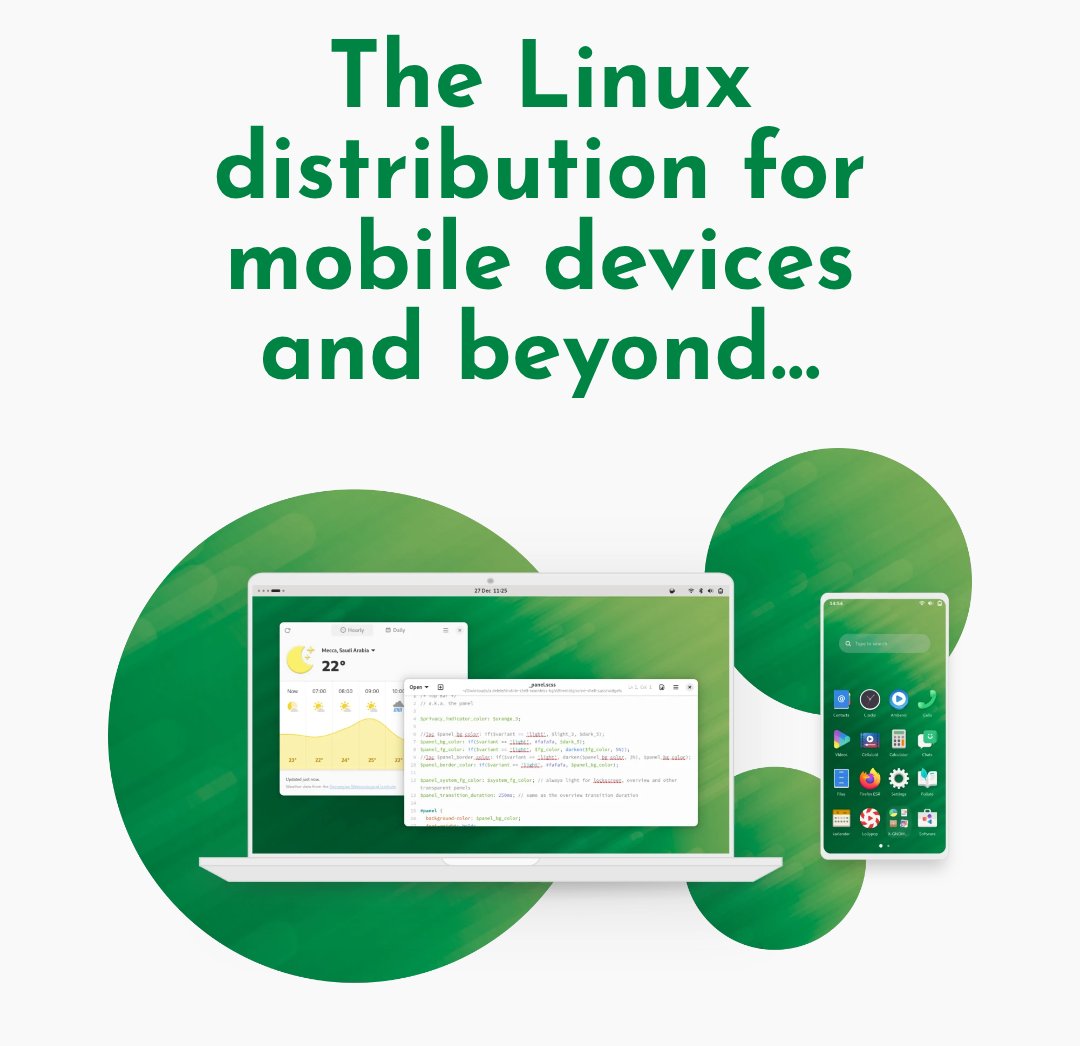
What if your phone could run Linux like a PC?
That’s exactly what postmarketOS does.
It’s an open source mobile Linux distro designed to keep devices usable for years instead of being abandoned after a few updates.
Highlights:
• runs on phones, tablets, laptops and SBCs
• supports GNOME, KDE Plasma Mobile, Phosh, SXMO and more
• built on Alpine Linux
• mainline Linux kernel focus
• privacy focused with no built-in tracking
• SSH access and full Linux terminal
• community maintained
It already supports dozens of devices including:
• Pixel phones
• OnePlus devices
• PinePhone
• Samsung Galaxy models
• Chromebooks
The goal is simple:
Keep hardware usable until it physically breaks.
Its out.
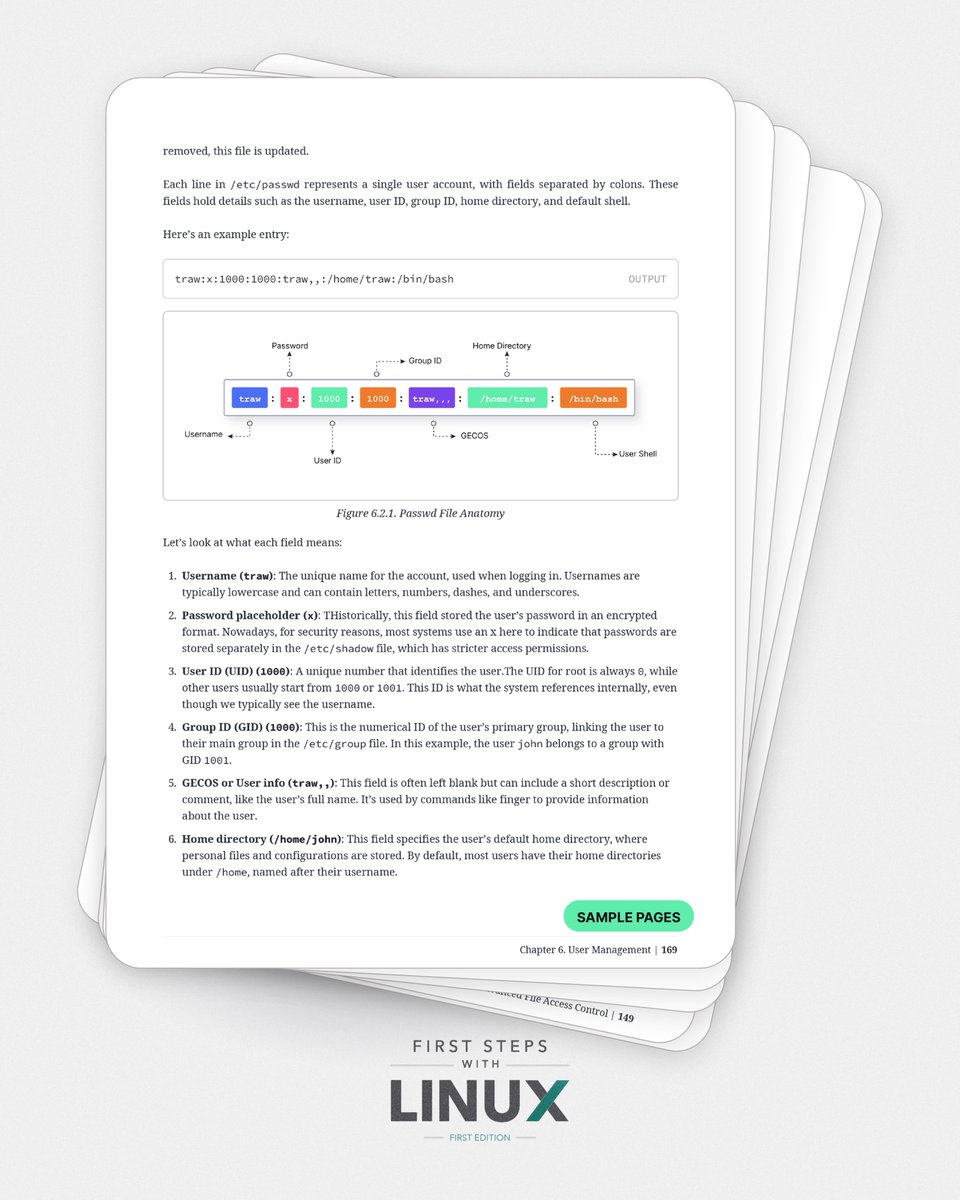
After almost 2 years of writing, First Steps with Linux is finally here.
700+ pages covering a wide range of Linux topics.
Linux command line fundamentals, storage, networking, and advanced system administration.
This is probably the most comprehensive Linux book I will ever write.
If you work with Linux, study it, or want to take your skills further, you’ll likely find this book genuinely useful.
🐧📕
Get your copy:
https://t.co/gPoaPe3GeR