I still find it quite funny when people say "Odin is not a general purpose language, it is more focused on game dev".
Do these people realize that "game dev" is the most general purpose domain out there? What can you not do in Odin in these so called "general purpose" languages?
Great software always took shape in conversation, not the commit. With agents, the conversation that generates the code is becoming the true source of our software. And Git can't keep up.
So we built something that can. Meet DeltaDB: https://t.co/x0UHntKy9m
For the memory-challenged Deputy Americans of the green-white-green republic.
Not that it will make any difference with people who have sworn a blood covenant with stupidity.
Infra roles are going to be very hot; there will be a huge uptick.
It’s worthwhile to learn skills around:
- Kubernetes
- networking
- Linux
- data resiliency/lifecycling
Data sovereignty and residency, and AI governance is going to drive this.
Ever since I relocated to the intellectual side of Twitter, this app no too dey stress me again.
Try it today. Engage only with intellectual content and watch your feed change. You won’t be online getting triggered by idiots and idiots won’t be many in mentions because they lack the intellectual capacity to understand your tweet, talkless of engage with it.
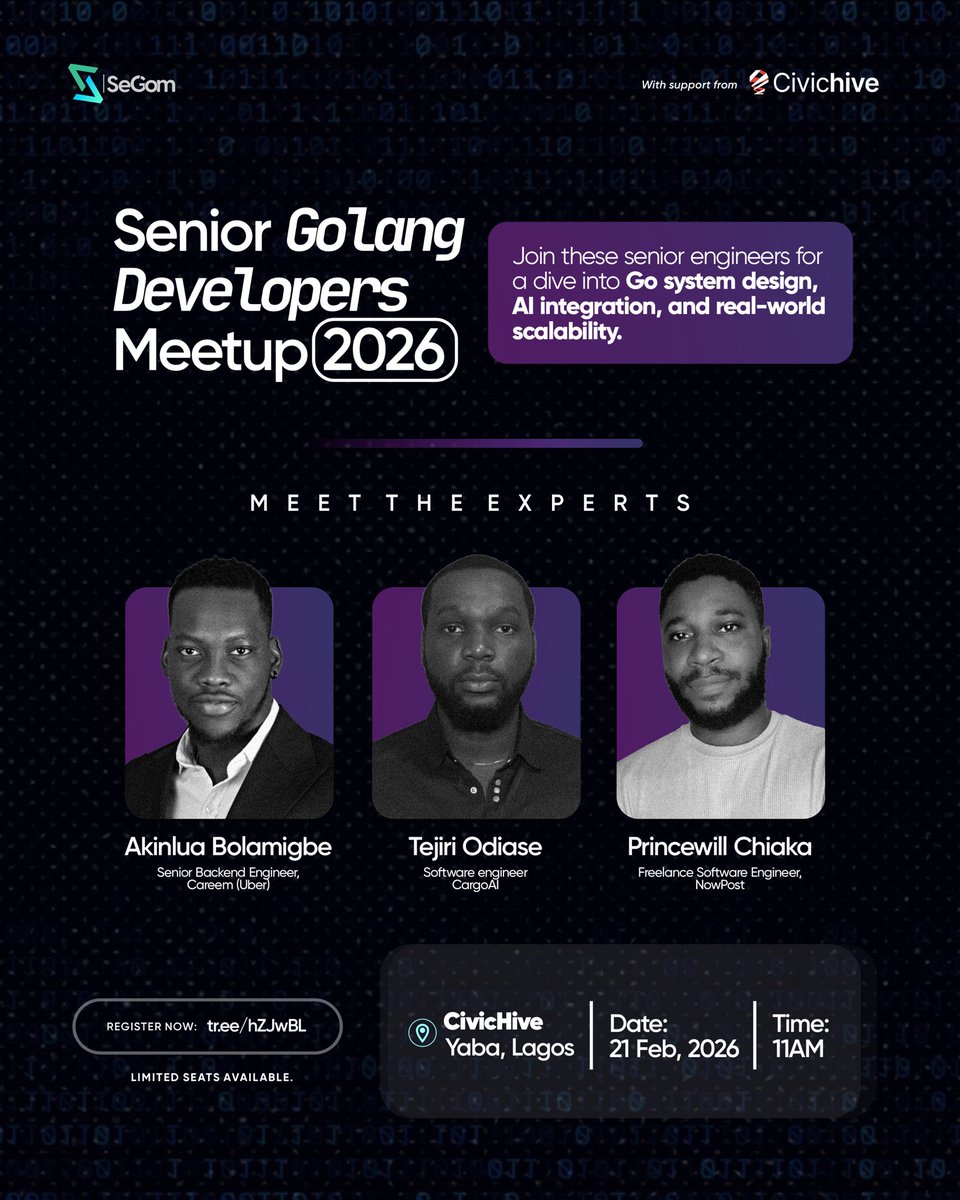
LAST CALL: SeGoM 2026 is TOMORROW.
Join Akinlua Bolamigbe (Careem/Uber), Tejiri Odiase (CargoAI), Princewill Chiaka (NowPost), and other senior engineers for a deep dive into Go system design, AI integration, and real-world scalability.
📍 CivicHive, Yaba 📅 Tomorrow | 11 AM – 3 PM
If you build Go at scale, this is your room. Register now before seats run out — https://t.co/ZGQ4K2TVv6
Introducing Claude Code Security, now in limited research preview.
It scans codebases for vulnerabilities and suggests targeted software patches for human review, allowing teams to find and fix issues that traditional tools often miss.
Learn more: https://t.co/n4SZ9EIklG
Screen recording from a validation form task I worked on today by @Joe_brendan_
The goal wasn’t just to collect input, but to control how the form behaves at every step. Each field has its own validation rules, with error messages appearing only when the state changes, not all at once.
I paid attention to how validation feedback shows up without shifting the layout, how errors clear as inputs become valid, and how the form maintains structure even when multiple states are triggered.
I used the Coolors sign in and sign up layout as the design reference since I’m already cloning the site, which helped keep the UI grounded in a real product context.
This kind of form work looks simple on the surface, but most of the effort is in managing states and edge cases cleanly.
I will write about the palette animations later
#day3 of #BuildInPublic #Frontend #coolors
@AbaPowerOnline@AbapowerOnline is forcing all customers under the Ọmụma 11kva to clear their arrears before they can generate new tokens. This information was not communicated to customers, customers had to find out in their office
@myabiadaily@NG_AbiaState@alexottiofr
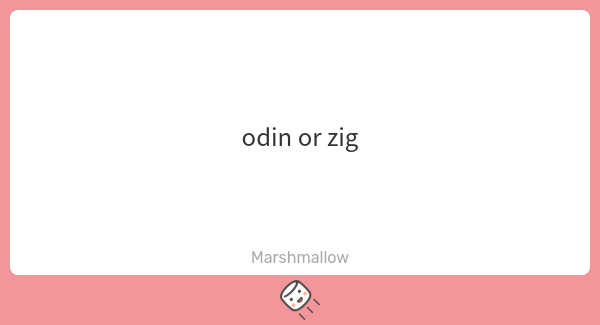
odin: overall a language with ability to write c bindings easily and a lot of very useful features, but also suffers a lot from golang brainrot
zig: good ideas with comptime, overall weird but interesting syntax, very good for performance-first stuff, but the standard is more fragile than a block of thin ice, so you'll spend 80% of your time trying to update other peoples libraries because they decided to remove like 20 functions and nothing works anymore
i'd go (haha) with odin, since the other option... well... i doubt even andrew knows what to do with it anymore
Plot twist from the DDoS incident.
After we got hit with a targeted attack on Dodo Payments, I posted a sincere note basically saying: if you did this, let’s talk. Not to fight, but to learn and make the system stronger.
I didn’t expect anything.
A few hours later, the attacker actually reached out.
No threats, no ransom, no grand agenda. Just a human on the other side saying it was done for fun and curiosity, and that they wanted to see how far they could push modern infra.
We had a real conversation. A strange one, but real. About what broke, what held, and what we can still improve.
Sharing only this half for now, still comprehending the details. The other half has lessons every startup shipping on the internet should hear.
More soon.