PDF-based security reports are where findings go to die.
They slow down engineering, bury context, and turn remediation into archaeology.
Odin brings findings, tickets, integrations, and retesting into one workflow.
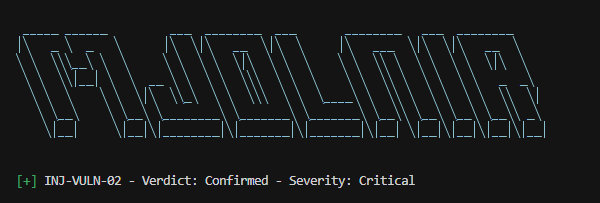
🏆Another win for Mjolnir: our autonomous agentic pentesting agent just earned $2,000 bounty from https://t.co/bz4xIxRZds!
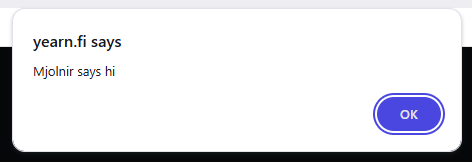
The bug: reflected XSS through the /api/vault/meta endpoint on the https://t.co/bz4xIxRZds frontend.
Because wallets are often already connected on the webapp, the impact could have been severe; including potential loss of funds.
Frontend security in crypto is not optional.
Thanks to @yearnfi for a smooth dialogue and quick mitigation! Issue has been fixed, ref: https://t.co/de6hiVAk4C
today @borghq's autonomous hacking AI discovered a **huge** vulnerability on defi protocol with $20B TVL.
the vulnerability could have lead to loss of funds, and was in fact related to web2 infrastructure rather than their smart contracts.
benchmarking is cool and all, but the real battletest for agentic pentesting is bug bounties and real world testing with humans in the loop.
the team just cracked the code for **actual** agentic pentesting.
we beat other agentic pentesting frameworks and mastered complex attack chaining in agents
@borghq@sjaluu@LORD_RIAN_
The annual audit is a expired methodology.
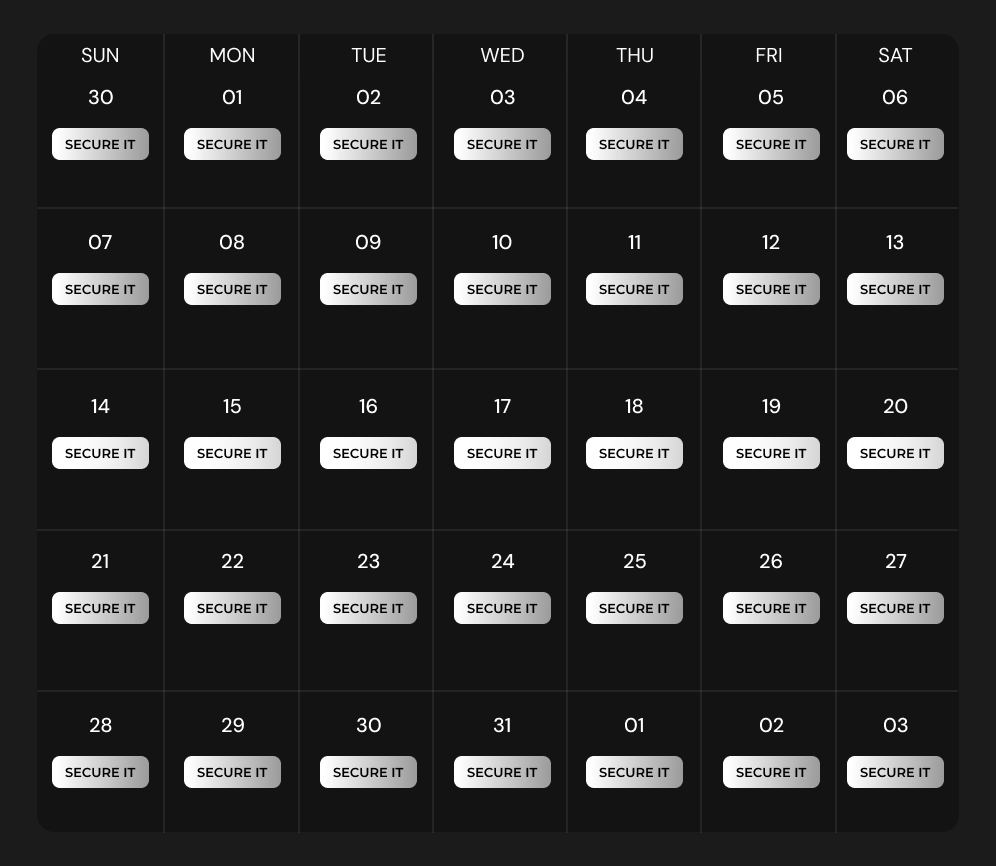
Actually securing a stack requires a live feed of continuous testing. If your testing doesn't match your deployment velocity, you’re just operating on a 364-day security lag.
Stop paying for compliance PDFs.
Your security should be as alive as your development