the four stages of engineering innovation:
cad → fea → cfd → cam
this is how ideas become physical systems
• cad (computer aided design)
you define geometry, every dimension, constraint, interface lives here
this is the blueprint layer
• fea (finite element analysis)
you test structure under stress
loads, deformation, failure points
turns geometry into mechanical truth
• cfd (computational fluid dynamics)
you simulate fluids interacting with the design
airflow, heat transfer, pressure distribution
critical for anything moving through or interacting with fluids
• cam (computer aided manufacturing)
you translate design into machine instructions
toolpaths, tolerances, material removal
this is where atoms get shaped
pipeline:
idea → geometry → physics validation → fluid validation → manufacturing
break any stage → failure in reality
master the chain → you control the transition from concept to matter
the engineering behind the tesla model S drivetrain is brutal.
it looks simple from the outside. press the pedal, the car launches. but underneath is one of the most refined electric powertrains ever built.
what makes it powerful:
• electric motors → instant torque. no waiting for rpm like combustion engines. the moment current flows, the wheels pull.
• power electronics → the inverter switches thousands of times per second, converting battery dc into precisely controlled ac for the motors.
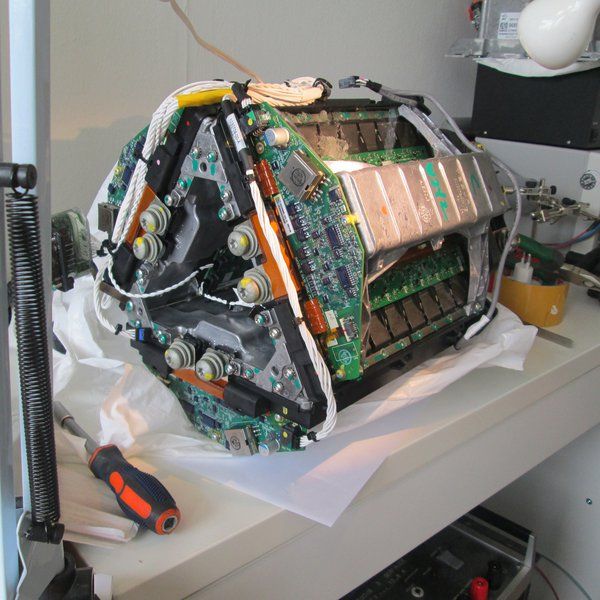
• battery architecture → thousands of cells working as one pack, delivering massive current without overheating.
• thermal management → cooling loops keep motors, inverters, and batteries within safe limits during brutal acceleration.
• single-speed gearbox → no shifting, no lag. just a direct transfer of torque to the wheels.
the result:
• 0–60 mph in seconds. silent acceleration. insane efficiency.
the real magic isn’t just the motor.
it’s the integration of battery chemistry, power electronics, thermal systems, and software control; all working as one drivetrain.
modern electric cars aren’t just vehicles.
they’re rolling power systems engineered at the edge of physics.
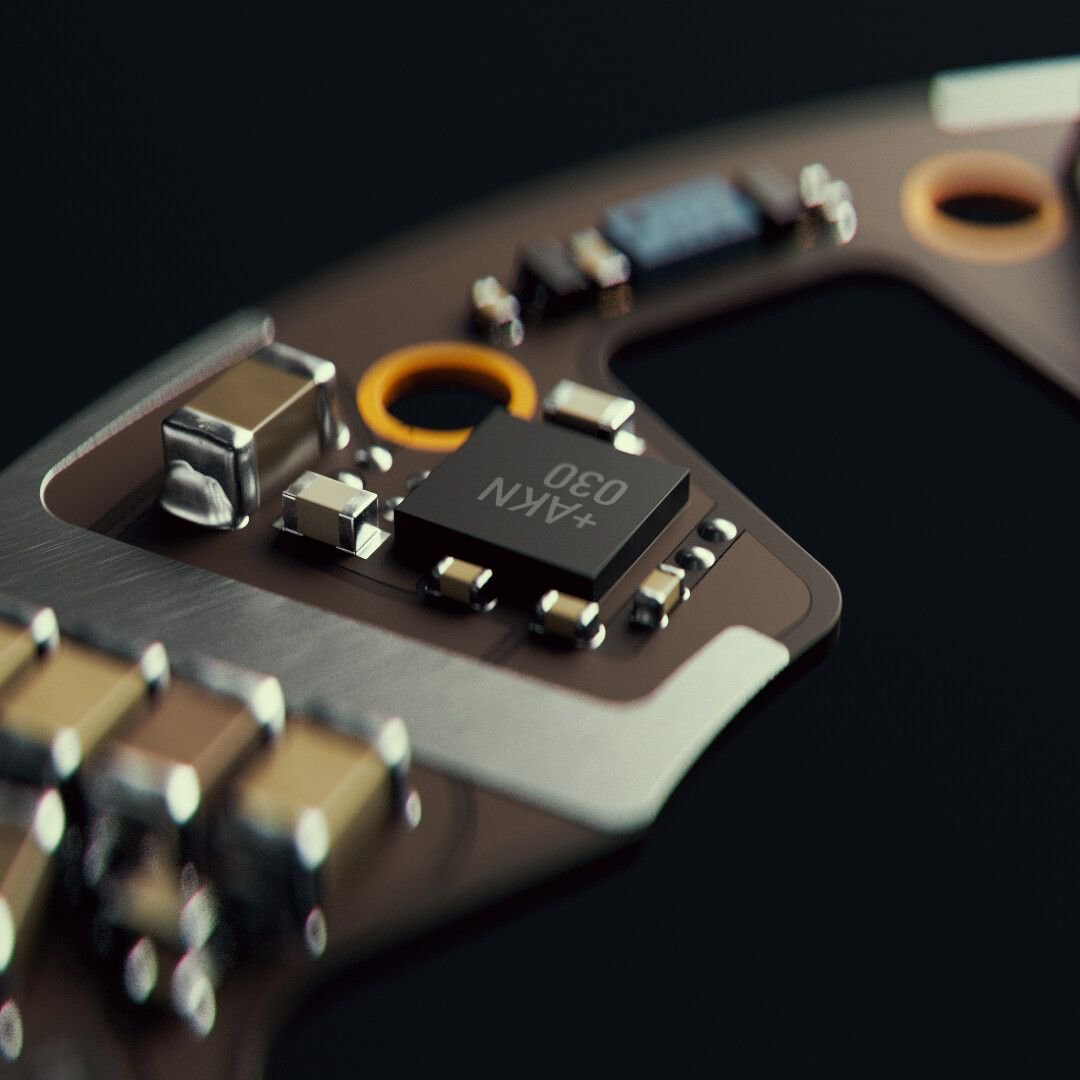
Besides assembly work, I am an accomplished PCB designer. I have worked with many small businesses, supporting them at different project phases. My experience ranges from scratch with drawings on notebook paper to refining existing designs for improved DFM. What can we do for your small business?
getting started in hardware isn’t about kits, tools, or fancy benches.
it starts with a problem.
look around your environment.
identify something broken, inefficient, manual, slow, or outright annoying.
then force yourself to design a physical solution for it.
that constraint does the real teaching.
you learn electronics because the problem demands it.
you learn sensors because the system needs them.
you learn mechanics because the design forces you into it.
you learn firmware because nothing works without it.
or pick something that feels uncomfortable, difficult, almost “can’t-ish.”
the friction is the curriculum.
hardware isn’t learned by preparing.
hardware is learned by building your way out of real problems.
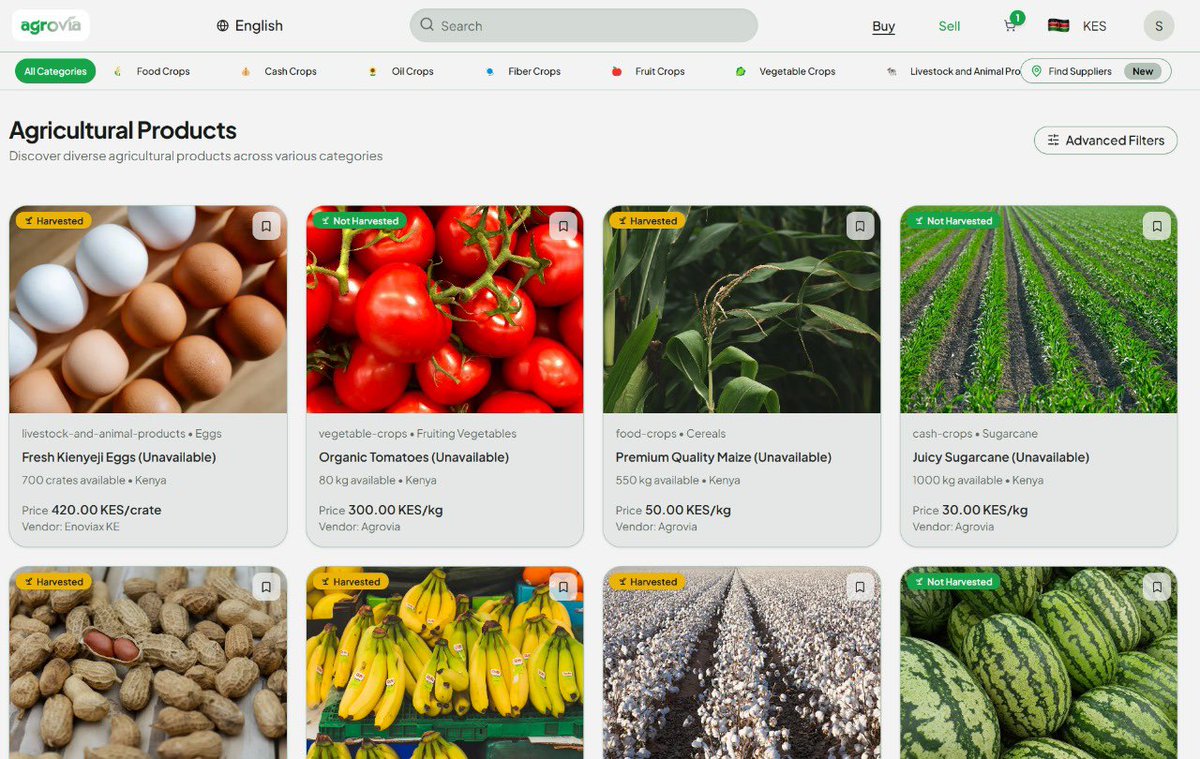
I built a platform for farmers who sell their produce in bulk.
Here’s an overview of how it works:
Farmers/suppliers list the produce they sell.
Potential buyers spot something they’re interested in and reach out to the supplier/farmer.
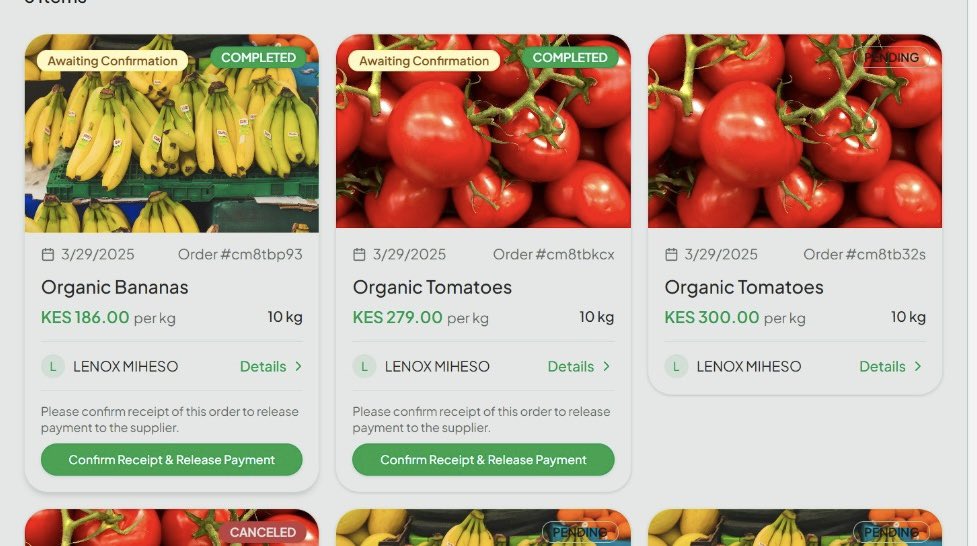
Once an agreement is made, the buyer makes the purchase through the platform.
Payment is held until the buyer receives their goods.
The buyer then leaves a review to help others make informed decisions.
I belong to the 1% of the population that is yet to watch a single game in the ongoing Copa America tournament. I have absolutely no idea who's playing who or when.