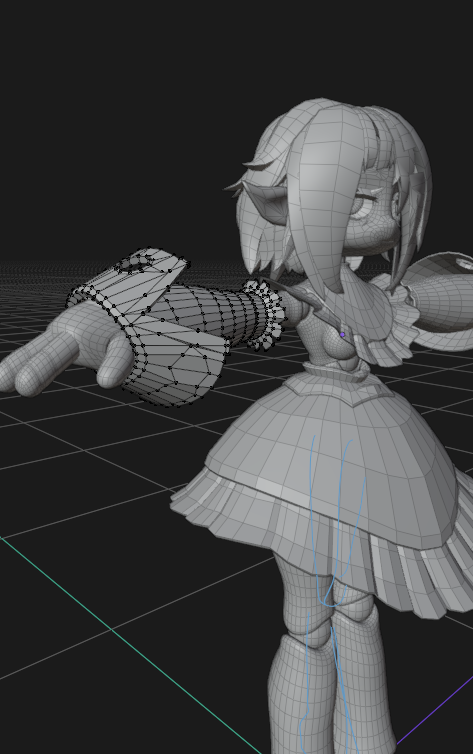
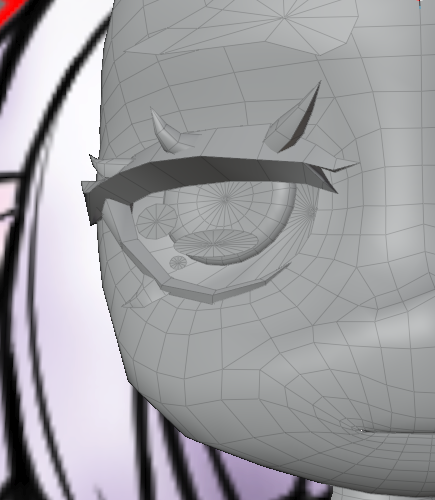
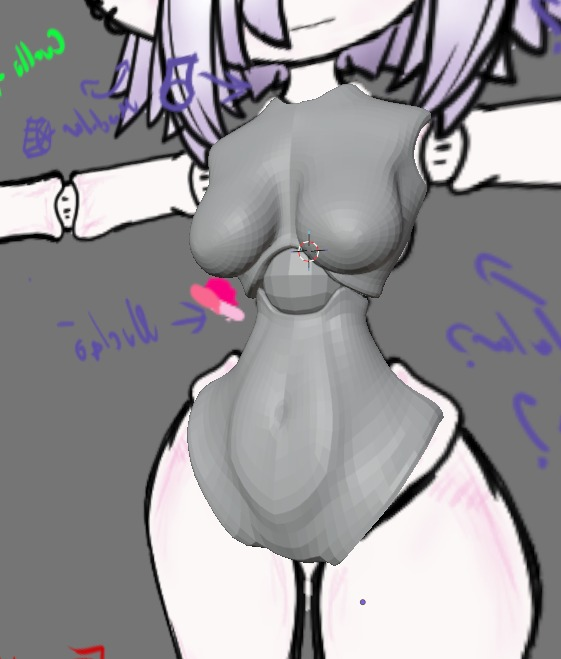
A custom model-mask dissolve controller with edge glow, fade-out, and clip-cap filling. Paired with a toon shader, the character stays visible inside the box.😊
https://t.co/VY7pwsOm0Q
#unity#shader#madewithunity#realtime#VFX
"Many customers already assume that when you buy the game, it's not going to be disabled from you at some nebulous point in the future."
#SKG#StopKillingGames
Sony’s lawyers are arguing that it should already be obvious that PlayStation digital games aren’t actually owned by the people who buy them.
In the lawsuit, Sony points to its Software Product Licensing Agreement, which says: “The Software is licensed to you, not sold.”
Sony also makes a more unusual argument: if a customer actually owned a digital game, another person wouldn’t be able to buy the same copy.
They use Resident Evil Requiem as an example. One customer bought the game on February 14, 2026, and another bought it on February 25 for $69.99.
Sony’s argument is basically: if the first customer actually owned the digital game, how could Sony sell the same game to someone else
Persona 6 producer Kazuhisa Wada says Atlus has never tried to make Persona games specifically for the global market.
“Our goal has never been simply to make games for the global market. Instead, we’ve always believed in creating the games that we ourselves genuinely find exciting.”
Wada says Persona becoming popular worldwide was a result of the team making the games they wanted to make, not trying to appeal to international audiences.
Atlus is now putting more focus on localization and quality, but they say the philosophy remains the same, make the games they find exciting.