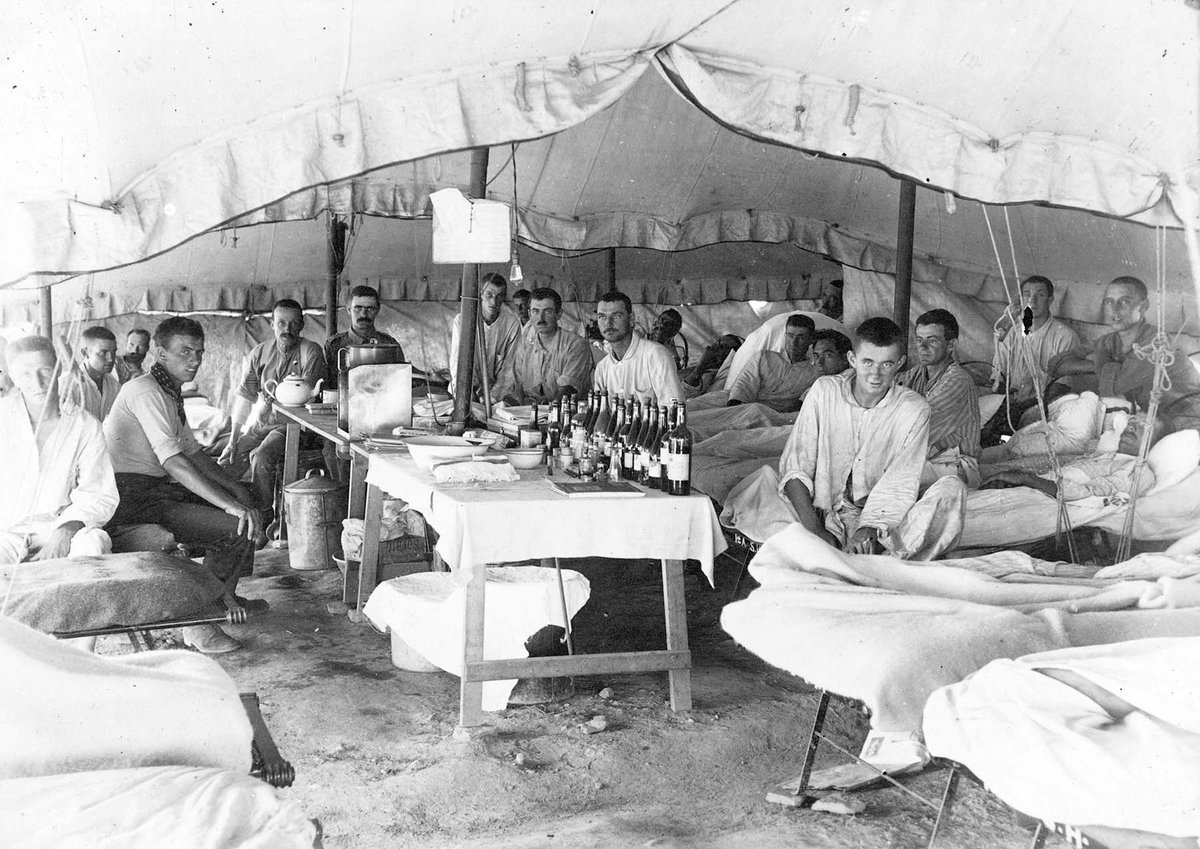
In October 1915, Corporal Alec Riley was on the island of Lemnos, in the infectious diseases ward of an Australian field hospital. Gallipoli had given him 4 diseases and 9 septic sores. The diptheria had paralysed his legs and palate. He was close to ‘pegging out.’
Clive Dunn’s service in the 4th Hussars took him to Greece in 1941, where he was captured by the Germans. To learn more about the Regiment’s involvement in this campaign, why not visit our website:
https://t.co/IleVqcTFGu
@HiddenYorkshire He was also 7th Hussar although we sadly have no artefacts related to him. Apparently he used to terrify guests by riding a bear into his living room during a party…
King George II presented him with a gold topped walking stick, a pension of 30 crowns a year and a silver nose to replace the one he had lost.
Brown was also the last British soldier to be knighted on the field of battle.
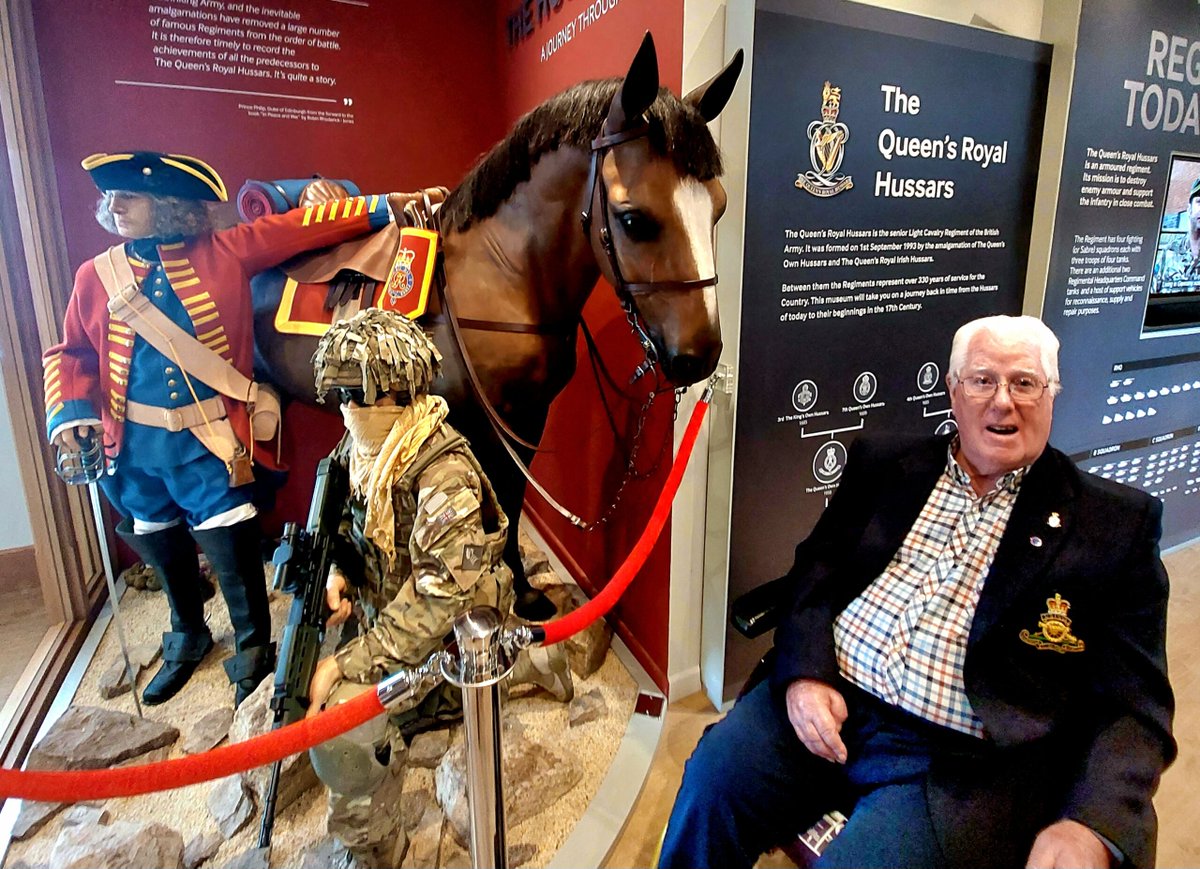
The QRH Museum is fortunate to have his sword on loan
OTD in 1743, Private Thomas Brown of the King’s Own Dragoons rescued his regiment’s guidon from the French at the Battle of Dettingen. In doing so he lost two fingers, was shot twice, and received eight major sabre wounds to his person (one of which almost severed his nose)…