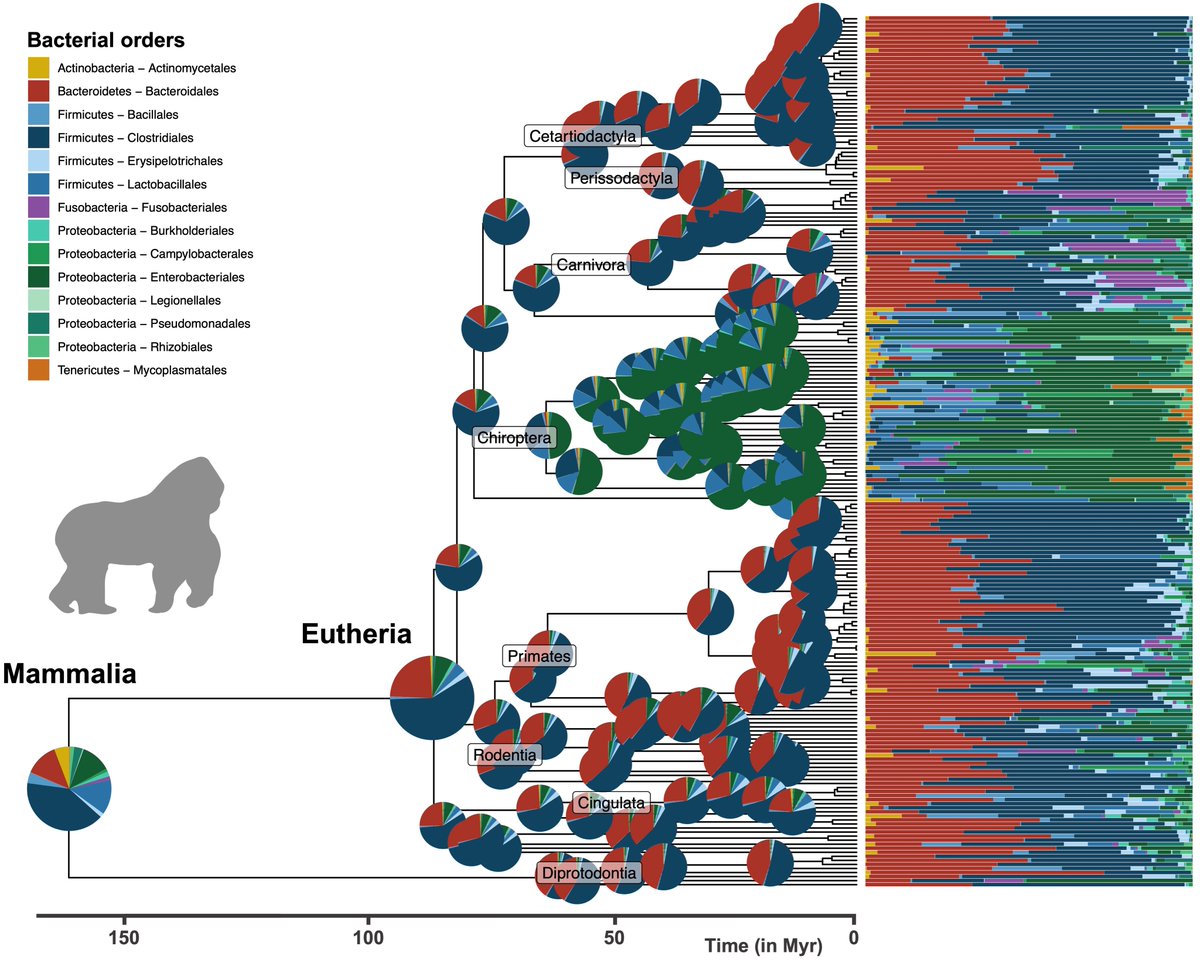
@HMorlon In mammals, we report major shifts in the ancestors of bats and estimate an ancestral microbiota composition consistent with an insectivorous diet of early mammals. (5/8)
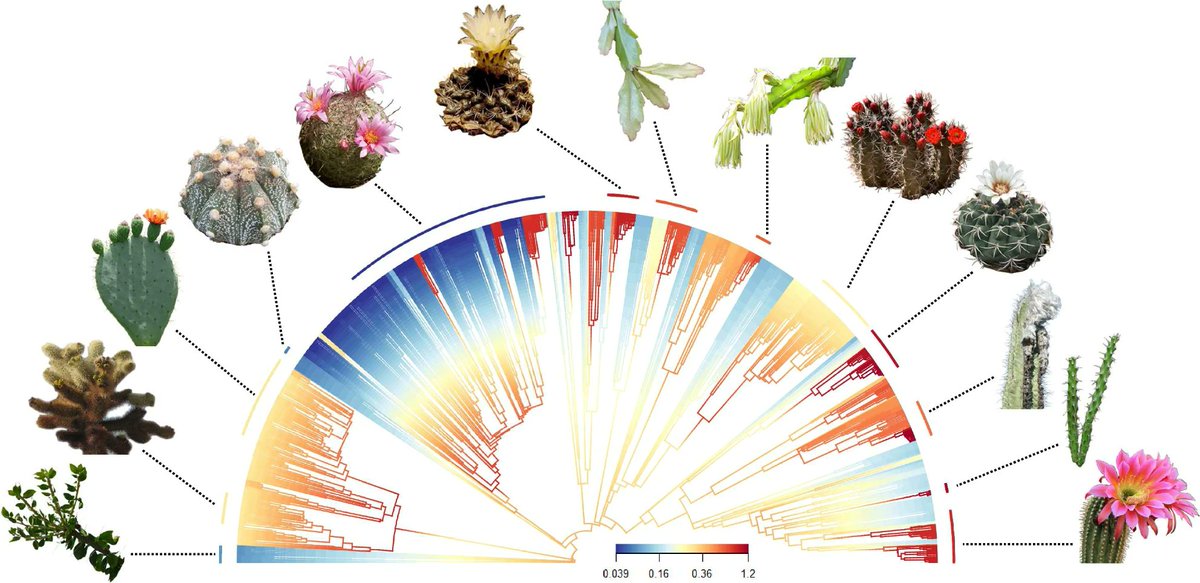
What drove the diversification of cacti? We built a phylogeny of >1k species and a dataset of 39 variables, and used ML to identify the most important forces. Abiotic forces and size are powerful, and aridity is weak. Complexity should not be ignored. 🏜️
https://t.co/Ylxv81GaAF
⚡️What if biotic interactions are the most important process for ecosystem development? ⚡️
Find out more here: https://t.co/dSnVd73T8V
With amazing collaborators around the 🌏 we found exciting results on the development of terrestrial ecosystems emerging after glacier retreat!
Our review article about phylogenetic (gene tree-species tree) reconciliation is out. We make the case that reconciliation methods provide a natural framework for modelling/studying microbial evolution, summarise some previous work...
https://t.co/huzZJZJVIY
⚡️⚡️Intéressé.e par l'écologie des communautés, du paysage, du sol et les microbes ? Viens travailler avec nous à l'École d'ingénieurs de Purpan et @Dynafor_Lab durant un contrat doctoral de 3 ans 💼
"Novelty or familiarity" may be a daily dilemma many face. In this @JEvBio paper, @DavidHembry and I show how, in coevolutionary diversification of clades, a similar dilemma exists and can play out differently depending on the (in)dependence of the clade. https://t.co/kZti2pN1tz
I am thrilled to share that I will be joining the CRBE @UT3PaulSabatier in Toulouse as an Assistant Professor this September! 🥳
My future work will particularly focus on the fascinating eco-evolutionary dynamics of plant-fungi interactions 🌱🍄🔍
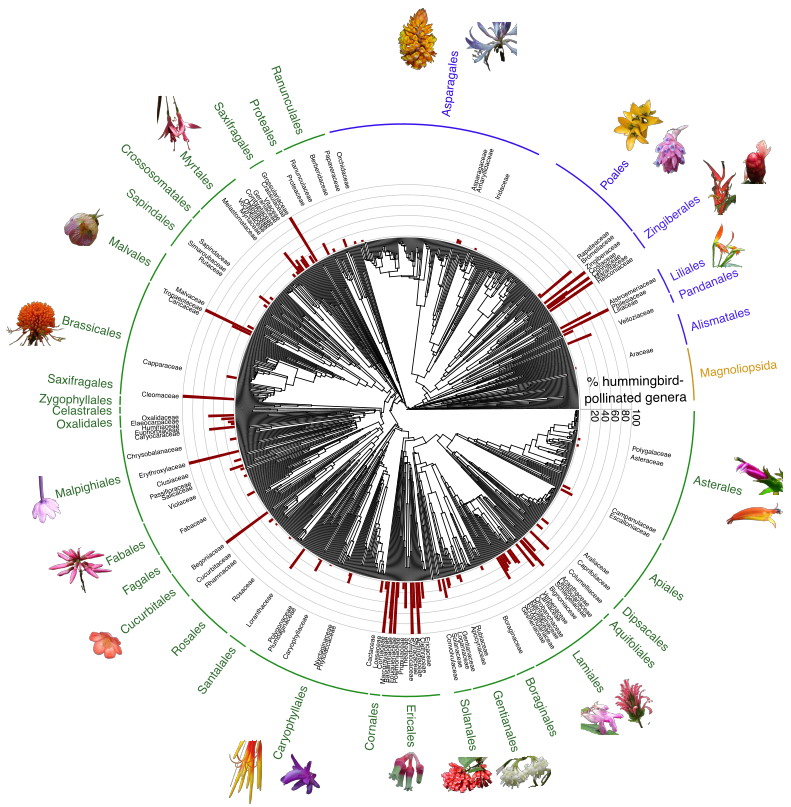
Excited to share our review on the macroevolution of plant-hummingbird pollination! This charismatic interaction, considered a classic example of coevolution, involves 7,000 plant species across ~100 families and 366 hummingbird species in the Americas https://t.co/ffSijRGEIc
📢Nous organisons deux sorties botaniques dans le cadre du City Nature Challenge @CncParisIDF 2024, le samedi 27 avril après-midi au Jardin des Plantes @Le_Museum de Paris. 🔎🌱🌸
@CncParisIDF@Le_Museum 2) Identification des plantes sauvages des rues de Paris de 15h30 à 17h : Rdv devant l'entrée du @Le_Museum, Place Valhubert. Programme : Parcourir plusieurs rues du 5ème afin d'identifier les plantes sauvages. 🔍🌱🏙️
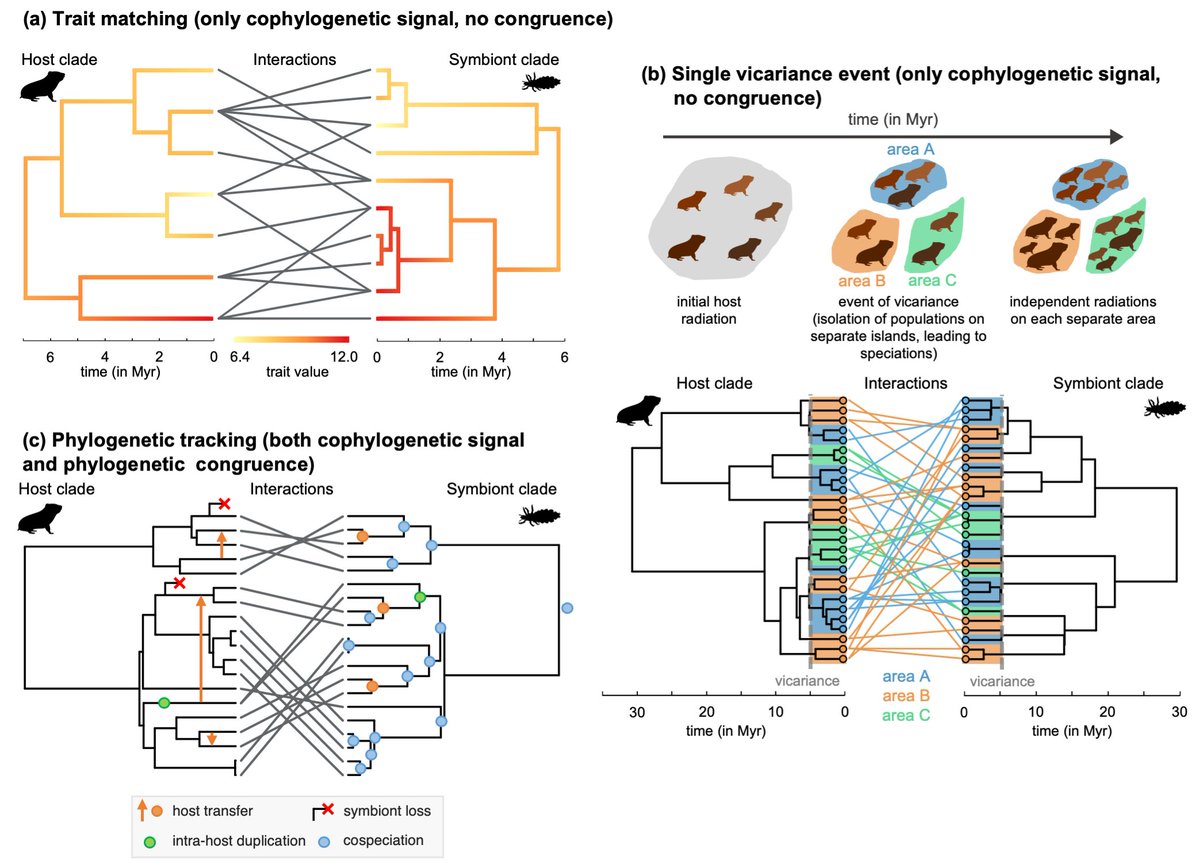
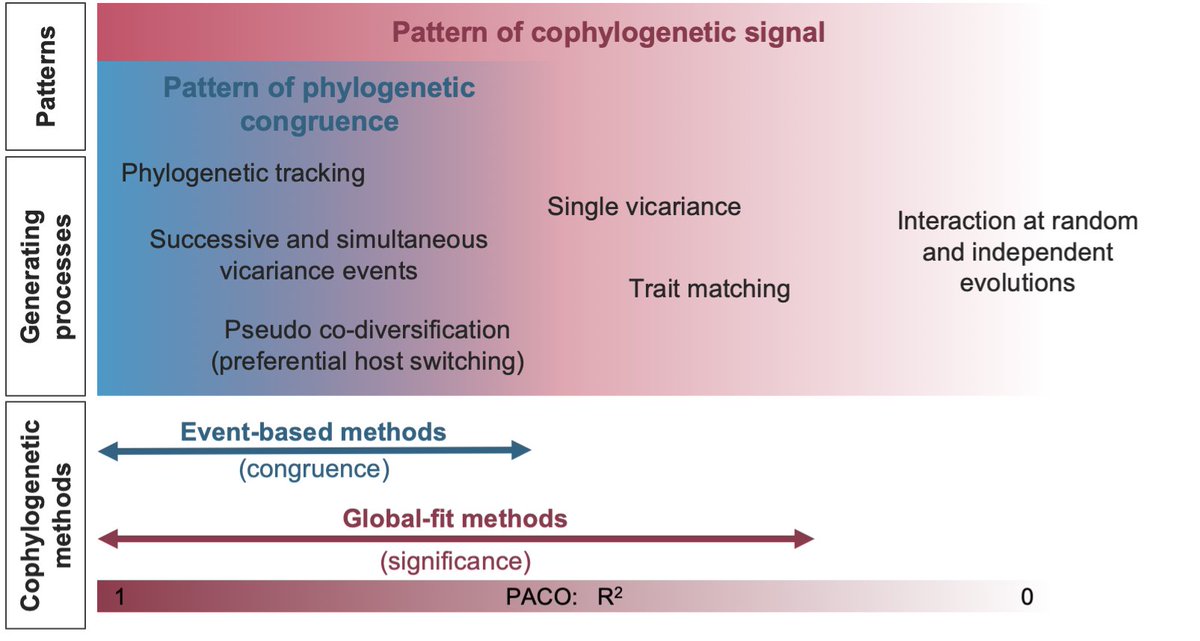
🔍📑Our paper "Distinguishing cophylogenetic signal from phylogenetic congruence clarifies the interplay between evolutionary history and species interactions" is now out in @systbiol 😁 https://t.co/UhRJDjXyOL
New preprint looking at the different patterns inferred by cophylogenetic methods: "Distinguishing cophylogenetic signal from phylogenetic congruence clarifies the interplay between evolutionary history and species interactions". https://t.co/Nef5aERveg @HMorlon (1/6)
Clarifying the patterns detected by different cophylogenetic methods is key to understanding how interspecific interactions shape and are shaped by evolution. (6/6)
🌿Êtes-vous prêts pour le #CityNatureChallenge qui vous attend du 26 au 29 avril 2024 ! Identifiez plantes, insectes et oiseaux qui peuplent nos rues. Une expérience unique de science participative vous tente ? Relevez le défi et découvrez la nature urbaine sous un nouvel angle !
Distinguishing cophylogenetic signal from phylogenetic congruence clarifies the interplay between evolutionary history and species interactions https://t.co/MRioXpdONa @systbiol