After much thought, I have decided to focus as a broker on early digital art. From Vera Molnar, Nake, Mohr, Jodi to Harm van den Dorpel.
Looking for a specific digital artwork? Approach me!
Vera Molnar, the Grand Lady of Digital Art, is finally getting her first-ever major solo exhibition at @ArtBasel this June! Since the late 1960s she’s been one of the true pioneers of algorithmic art and generative art. What makes her so special? Unlike most early digital artists who came from engineering, Vera built her practice on pure academic artistic training. For over 50 years she has explored the exciting tension between order and chance, structure and freedom, logic and play. Her geometric, algorithmic compositions have shaped the entire history of contemporary art. In June 2026, Oniris Gallery & Interface Gallery will present her visionary work in Basel. In the coming weeks we’ll share more about Vera, the artworks and our preparations for the show. #VeraMolnar #DigitalArt #GenerativeArt #ArtBasel #WomenInArt
Recently added to the collection, "Picture Frame" by Fraenkel and Raskin.
In 1968, painter Richard Fraenkel and programmer Jef Raskin (who later became famous as the creator the Apple Macintosh) entered a contest sponsored by E.A.T. (Experiments in Art and Technology) for works made in collaboration between artist and scientist.
The winning work was to be exhibited at "The Machine as Seen at the End of the Mechanical Age" at the MoMA.
Fraenkel and Raskin won for their work "Picture Frame" a computer-generated plotter drawing on paper, where the frame itself was extended into the art.
Digital Art by the Decade: Expressed in Magazine Covers (1953-1989)
Long before museums embraced the medium, the foundational canon of digital art was quietly documented through traditional print media.
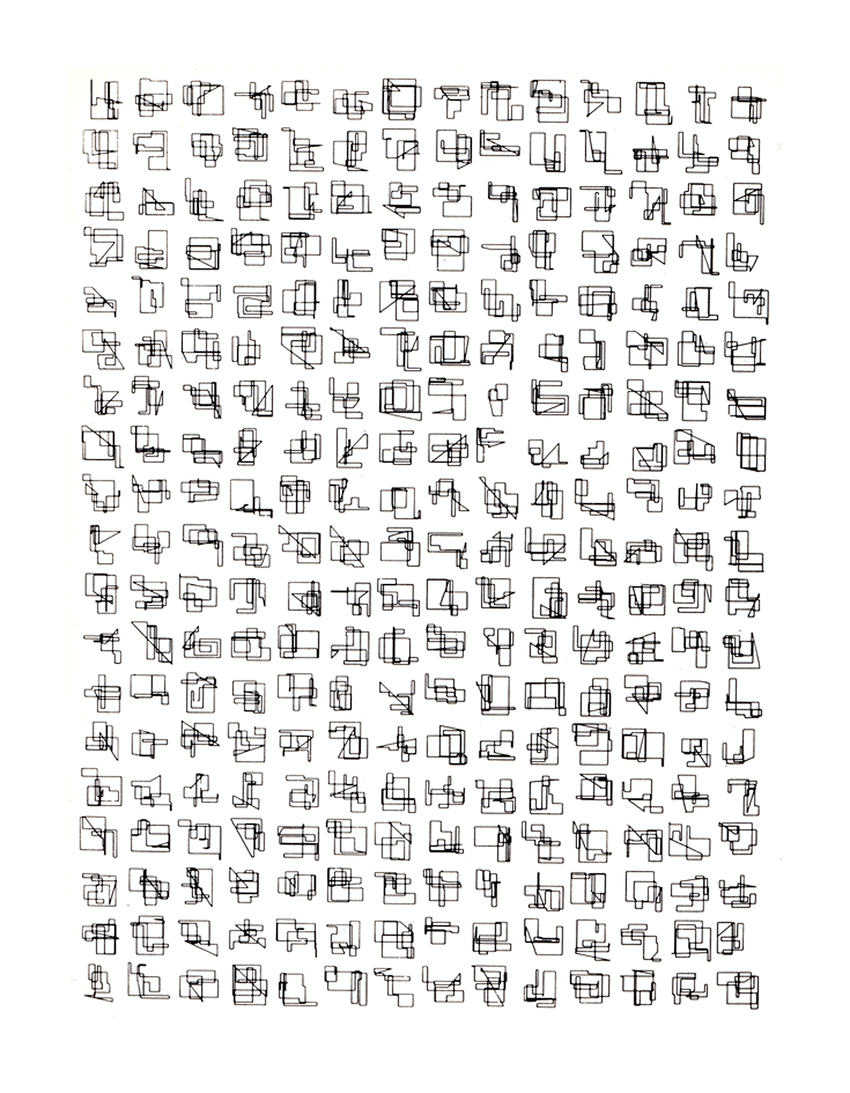
Early plotter drawings from Mohr, Nees, and Molnár sell for €5K–€80K today. In 2010 you could find them at estate sales for almost nothing. The early digital art market is still in price discovery. The window is closing, take advantage while you can.
Herbert W. Franke, the godfather of digital art, called it 'Generative Art' as early as 1960. He believed computers would expand human creativity, not replace it. A visionary! #DigitalPioneers
"The first computer art show in the UK? 'Cybernetic Serendipity' at the ICA London in 1968. It blew minds and proved digital art wasn’t just a gimmick -> it was the future. #CyberneticSerendipity"
Early digital art wasn't flashy CGI. It was punch cards, plotters, and pure code. Artists like Frieder Nake, Vera Molnár, and Chuck Csuri turned computers into creative partners in the 1960s. Respect to the OGs of generative art. #ArtHistory"
@fx_hash_ launched in 2021. @artblocks_io launched in 2020. Processing launched in 2001. But the first generative artwork shown at a commercial gallery? Georg Nees. Galerie Wendelin Niedlich, 1965.
The blockchain didn't invent generative art. It gave it a new market.
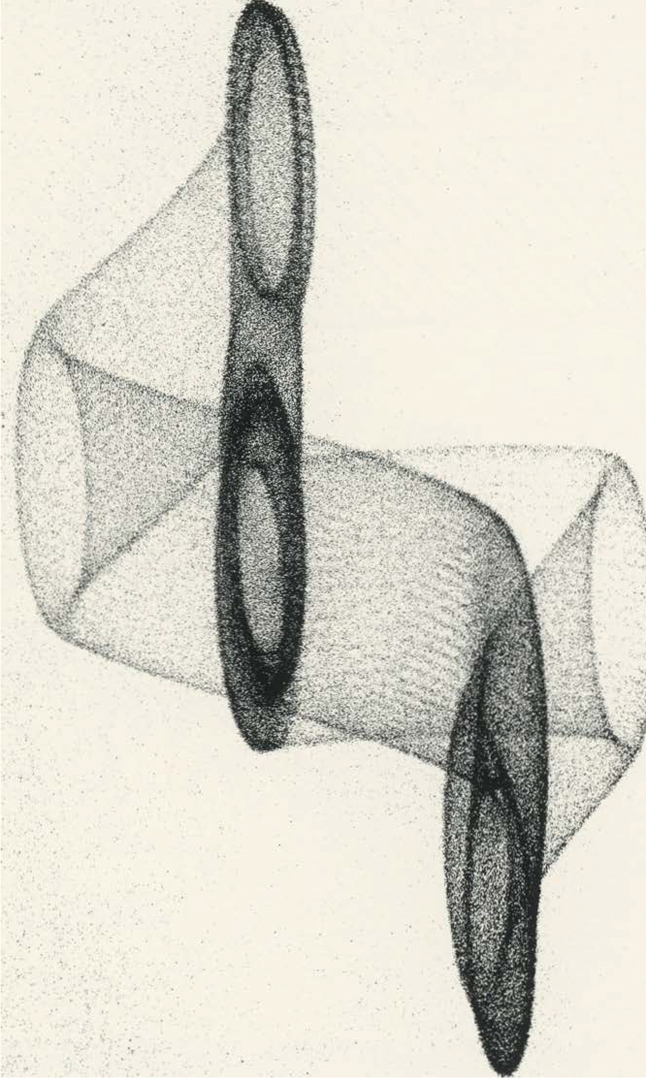
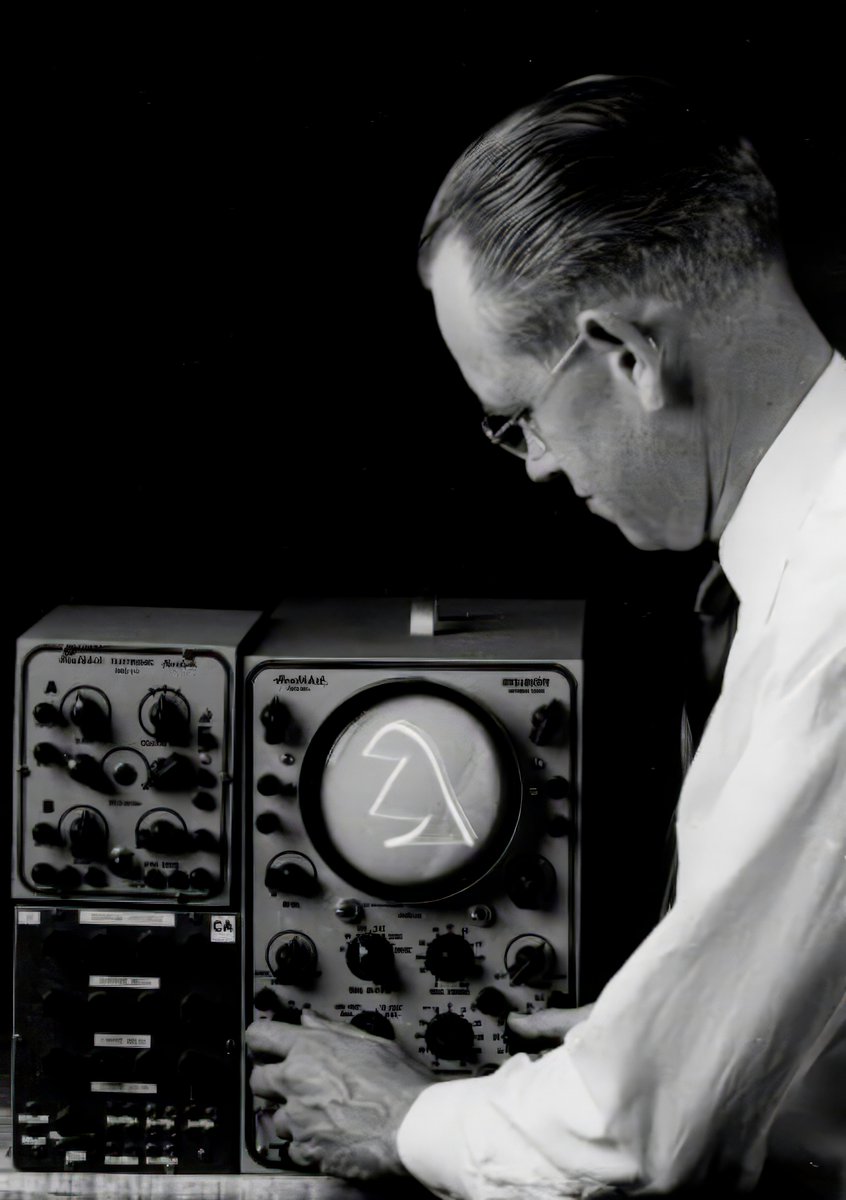
From oscilloscopes to plotters: Ben Laposky's 'Oscillons' in the 1950s were among the very first electronic abstractions. Early digital art wasn't about screens. It was about bending signals into beauty. #EarlyComputerArt"
A. Michael Noll's 'Gaussian-Quadratic' (1963) was the first digital artwork to receive copyright. Math + aesthetics = protected art. The legal side of the digital revolution started early! #PioneerArt"
Did you know the first exhibition of computer art happened in 1965? 'Generative Computergrafik' in Stuttgart (Georg Nees)? No one called it 'art' yet... but history did. #ArtTech