@ThomasM_geo@celestelabedz @cristiproist @EarthScope_sci Totally agreed, Thomas.
I just think it's odd that #AGU23 leadership felt okay taking a side. Especially against a widely loved grassroots organization.
@EGU_TC Any thoughts on why the Siple Coast ice streams are the most strongly climate-influenced glaciers in Antarctica, i.e., as in Figure 8? I would have guessed the opposite?
Applications for this postdoctoral position working in the GT Ice & Climate group are due in one week! Please send along to anyone you think might be interested.
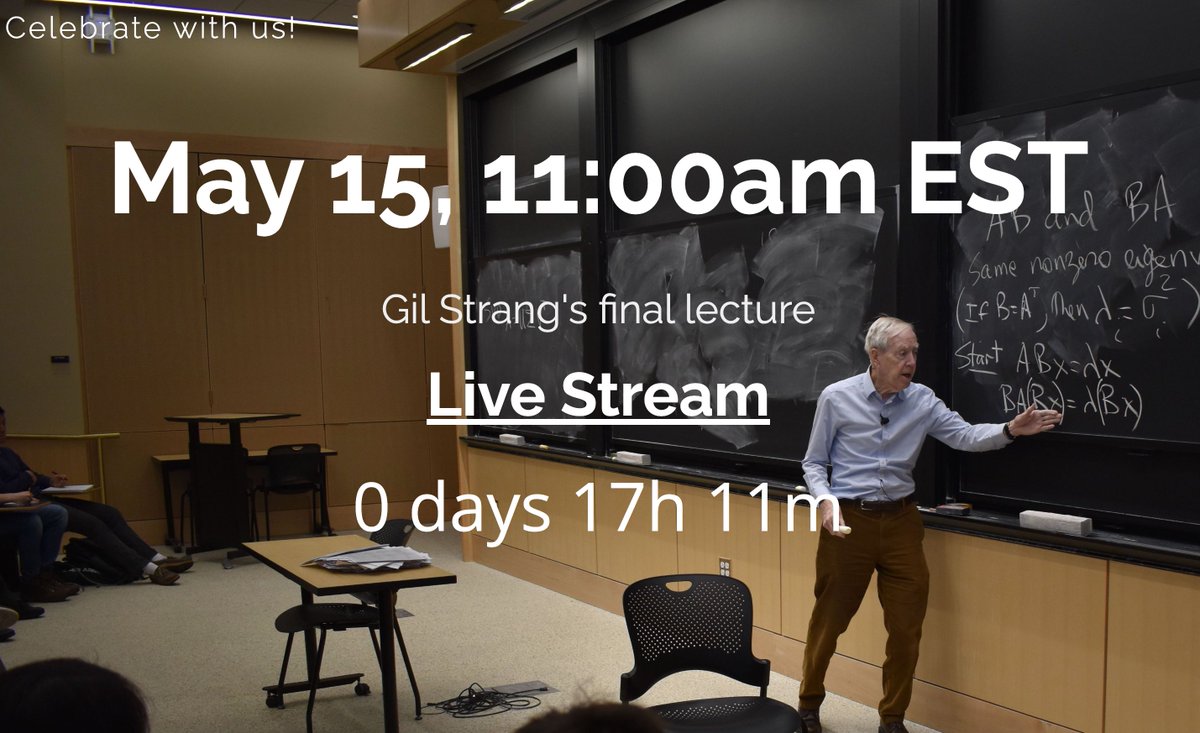
You may know Prof. Gil Strang's famous book "Linear Algebra and Its Applications," or you may have watched his Linear Algebra (18.06) lectures at @MIT on YouTube.
Gil's final lecture will be live streamed tomorrow at 11 am EST. Join the celebration at https://t.co/ExPPnsRW3G
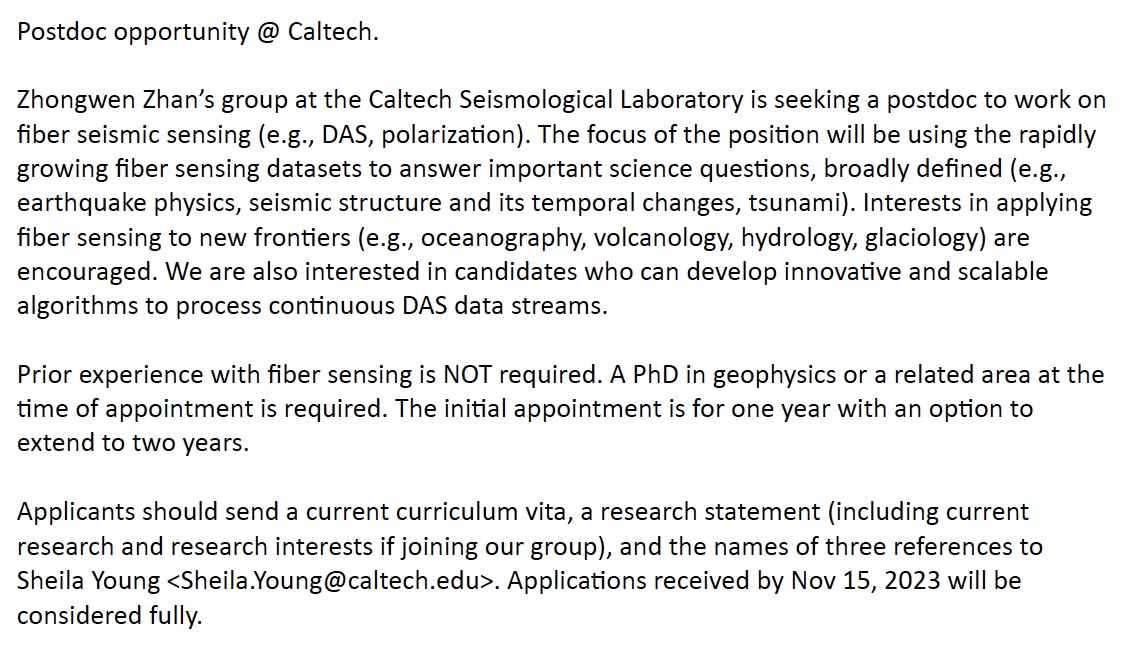
Distributed Acoustic Sensing (DAS) Postdoc @UW with @ShimaAbadi and @williamwilcock
Low frequency baleen whale vocalizations 🐳
Collaboration with the UW PSF (https://t.co/ofZERw6EQ9) and @uwescience
Details: https://t.co/sQlNSxsyB6
@googledrive I need to give lecture in a few minutes and Google Slides is down. I've never had that happen before! Any forecast on how long until Slides is operational again?
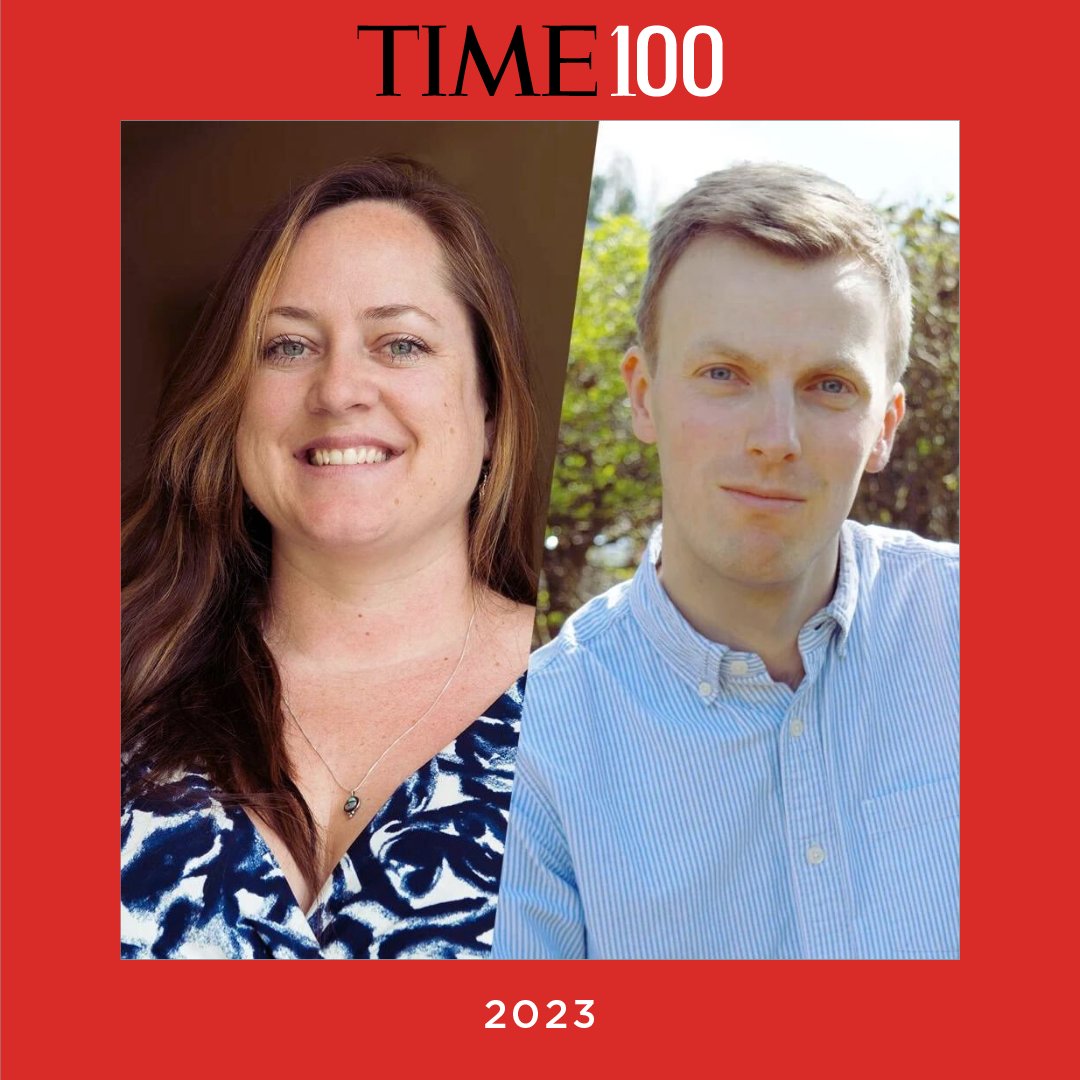
It's a huge honour to see ITGC scientists Dr Peter Davis and Dr Britney Schmidt in the #TIME100
In February, they were lead authors sharing results from the first ever expedition to measure melting under the Thwaites Glacier at the grounding line.
👉 https://t.co/9tbiplnAKI
Am I missing out on a subtlety here? Nature news says "atmospheric rivers are likely to become less frequent and hold more moisture". https://t.co/trmsBgUJI4
Nature review article says "[AR days are] projected to increase by up to 290% [by 2070-2099]". https://t.co/2rj3btHh2M
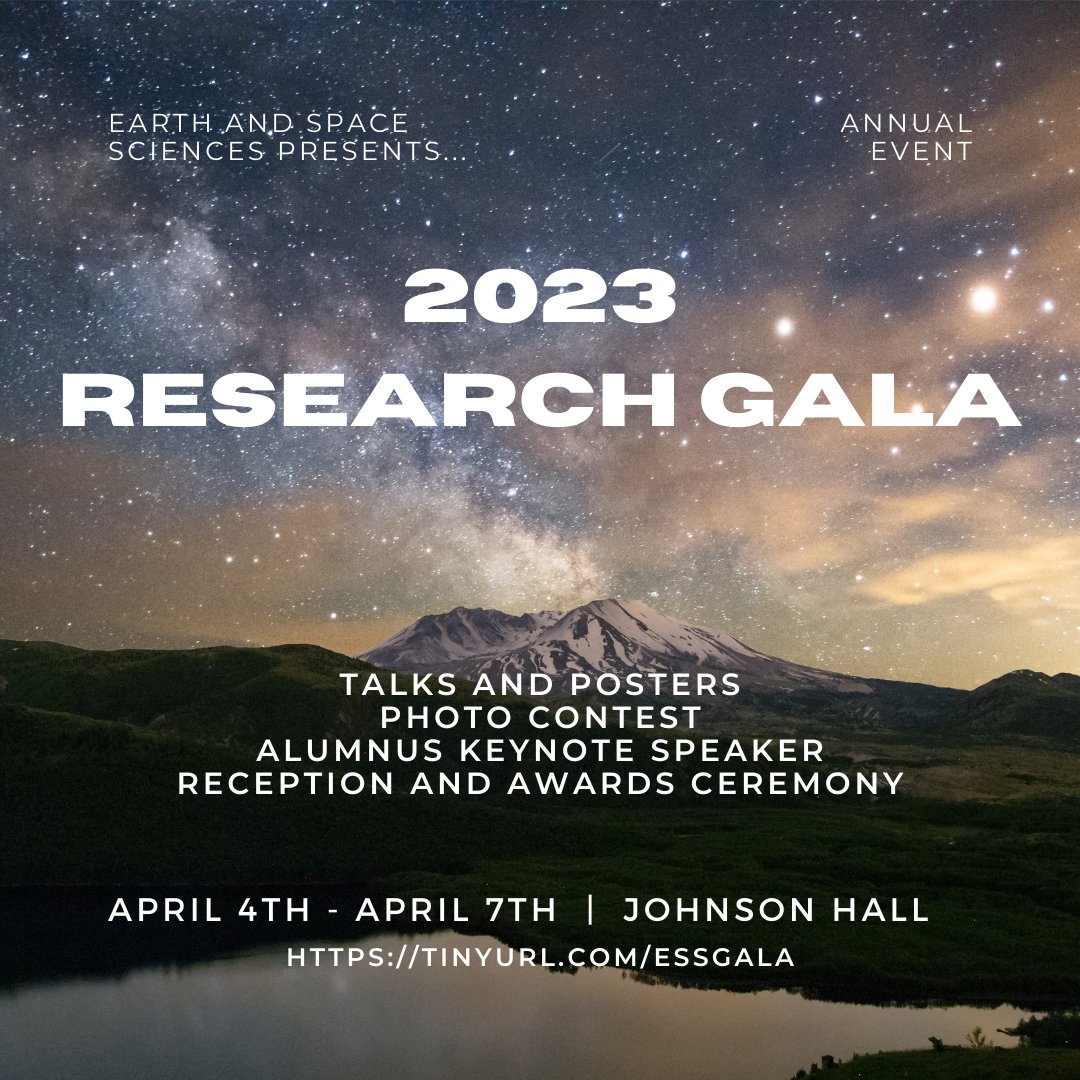
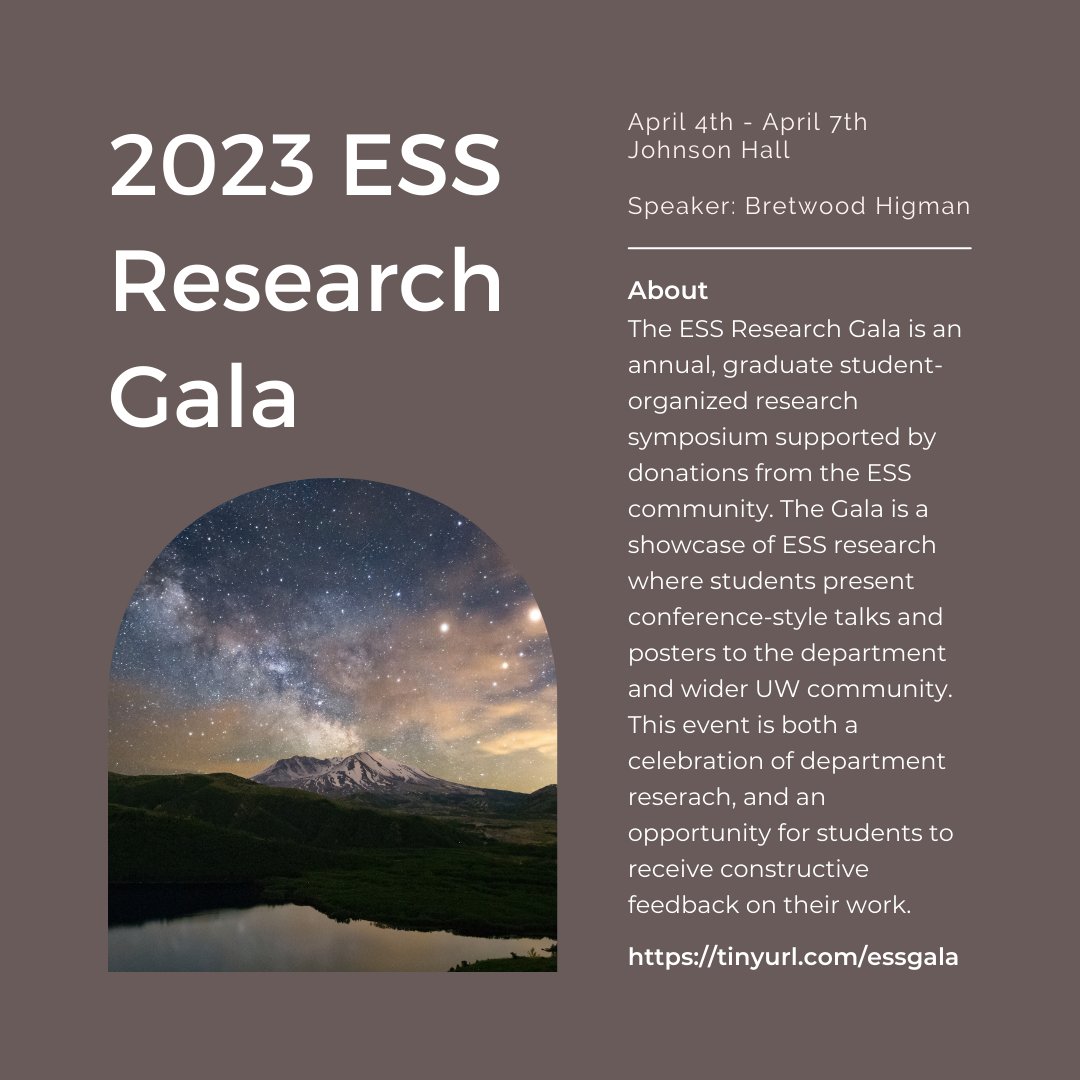
The 2023 ESS Research Gala will take place on April 4th - April 7th. This year we have nearly 60 presentations lined up!
Check back in next week for more information on the Gala schedule and how you can help make this event a success!
Photo: UW Photography by Soren Johnson
Dominik Gräff (UW): Seismometers don't like water, and unfortunately glaciers are made of water. But fiber optic cables are extremely resilient, and with DAS, you can monitor the stick-slip basal sliding of a glacier in great detail!