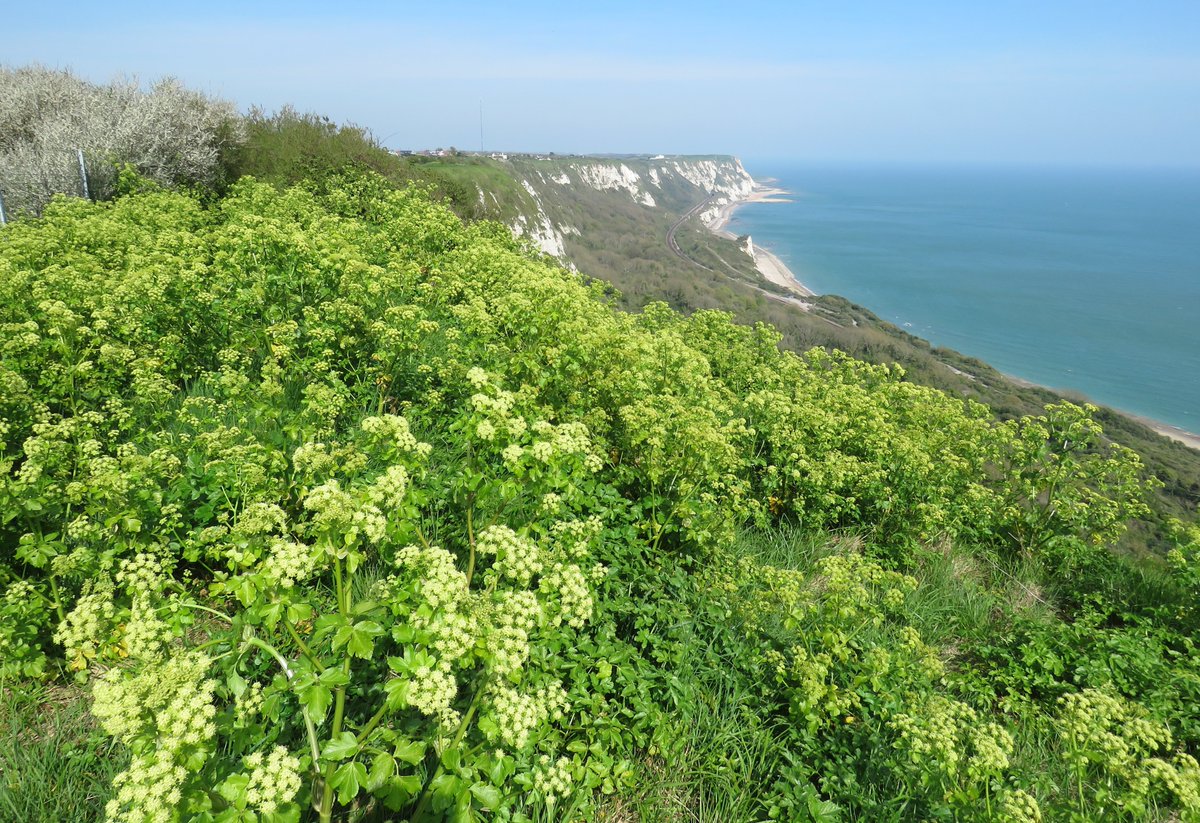
🌍 Happy #EarthDay !!🌍
Today also marks the start of the @Mammal_Society's
#NationalMammalWeek, so we're kicking it off with an unusual sighting..
This #mole was spotted at the #FolkestoneWarren. It's uncommon to see them above ground as they shy away from people & predators.
We are looking for someone to join our team as a Dungeness Ranger!🐝
Do you want to make a difference to one of the busiest NNRs in the country, but also one of the richest in terms of biodiversity? Then this opportunity may be for you...
https://t.co/tsVwTmdv0I
Happy British Science Week! This year's theme is #Time
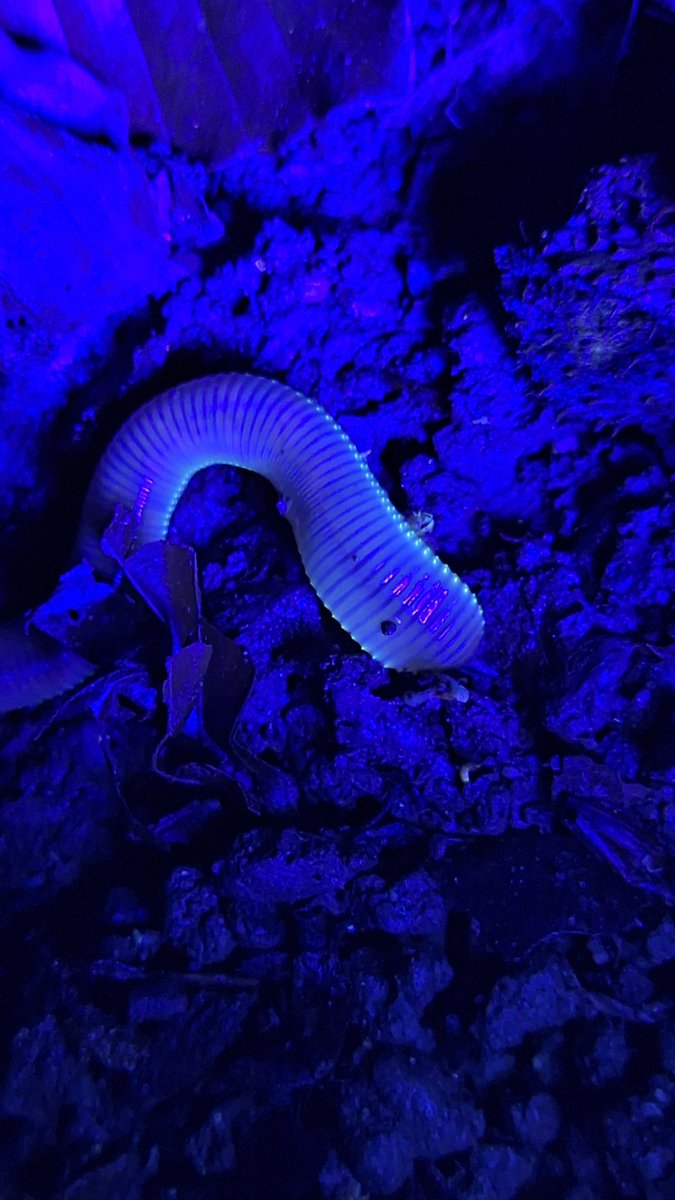
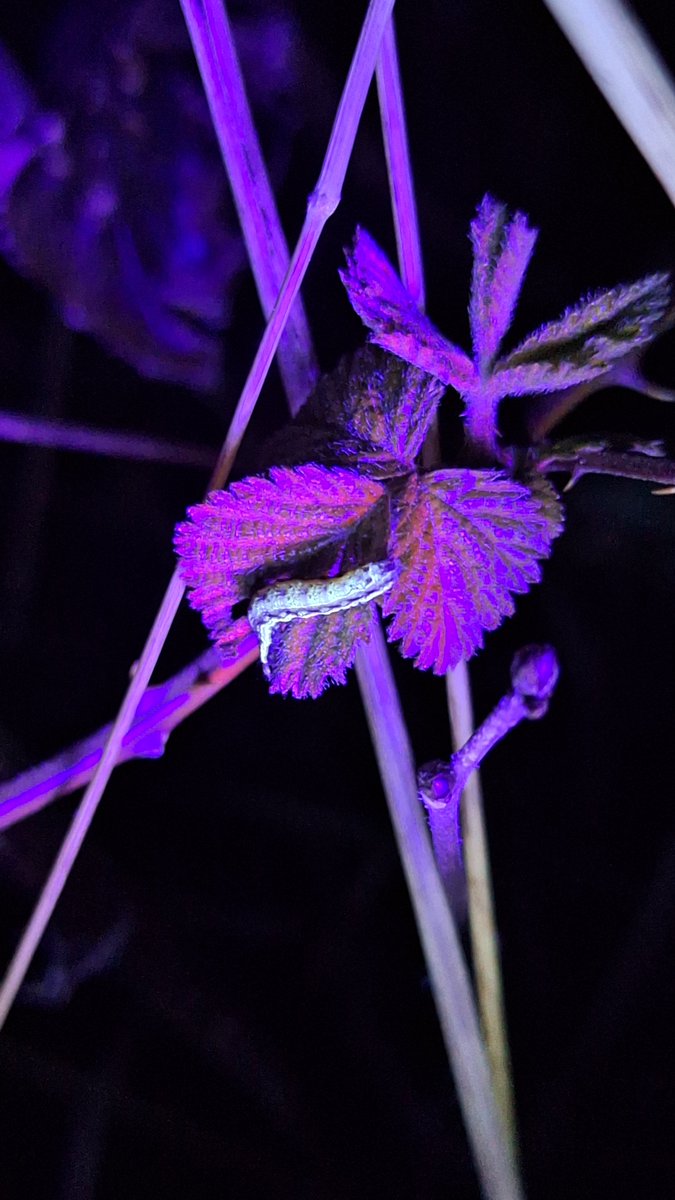
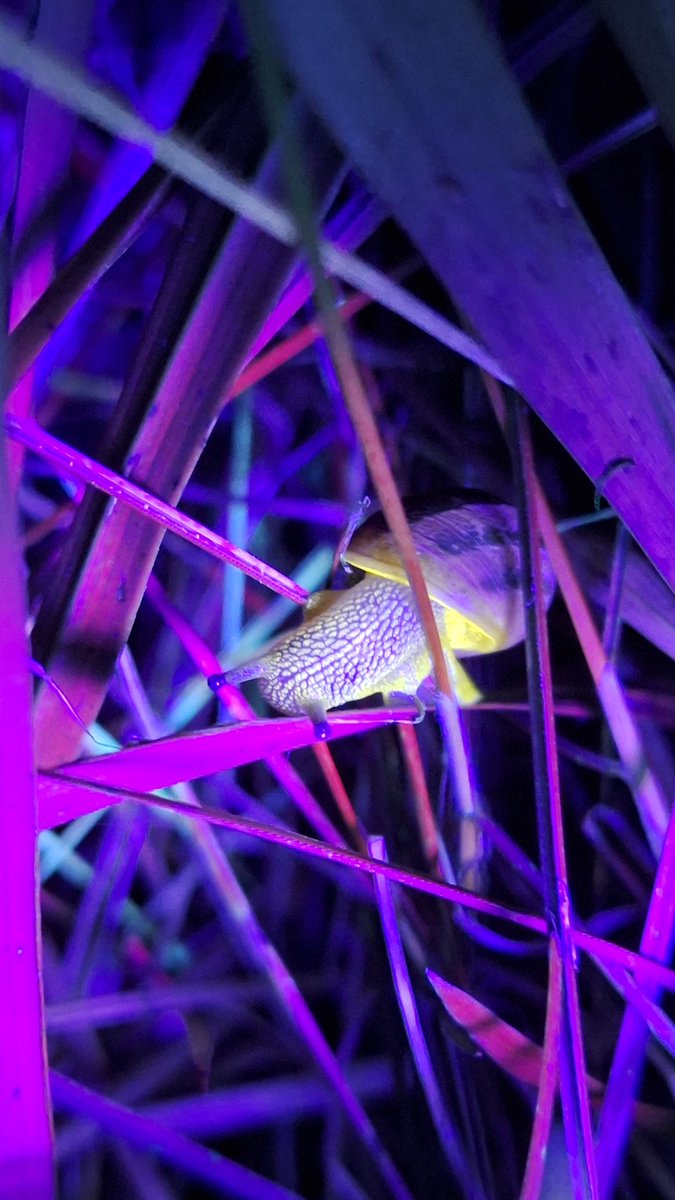
Check out these incredible UV photos. These beasties are displaying #biofluorescence, which means they're absorbing the #ultraviolet light and changing its colour- something we don't see during the day!
@ScienceWeekUK#BSW24
Tonight Dover planning committee voted to grant permission for both the hotel and surf lagoon at Betteshanger Country Park. A black day for biodiversity.
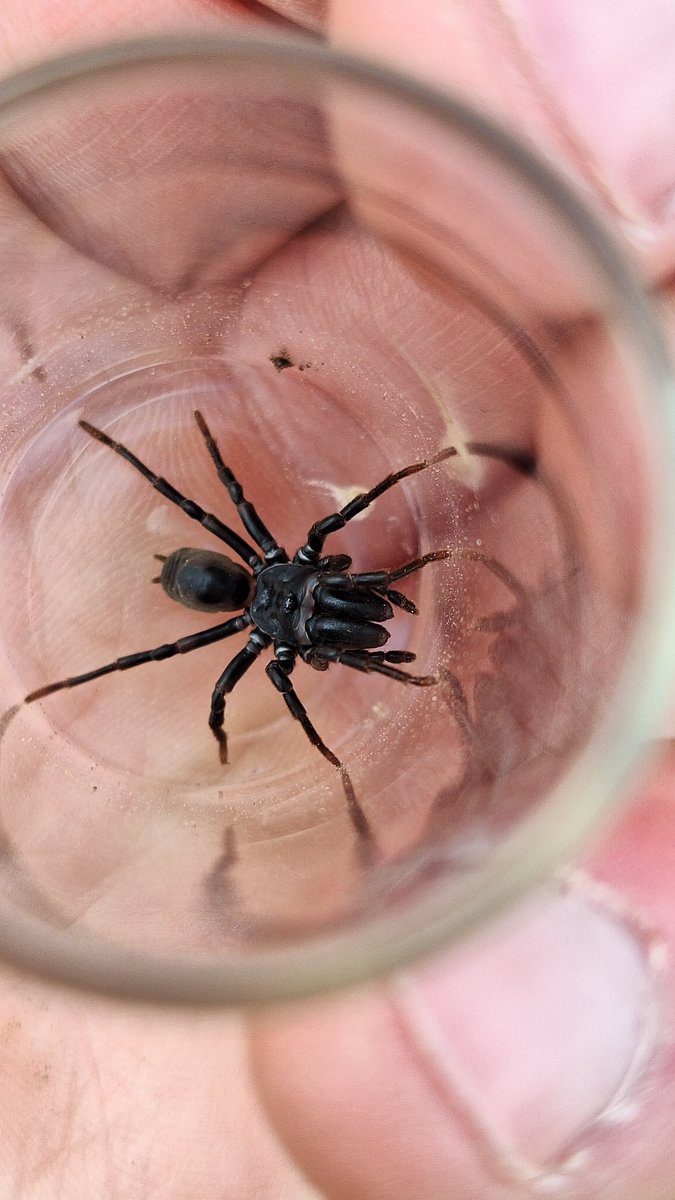
Wow, look away if you are scared of spiders. This ambush predator is known as the purseweb spider. This scarce species was found on the Folkestone Downs but can mostly be found in the southeast of the UK and is the closest thing we have to a tarantula.
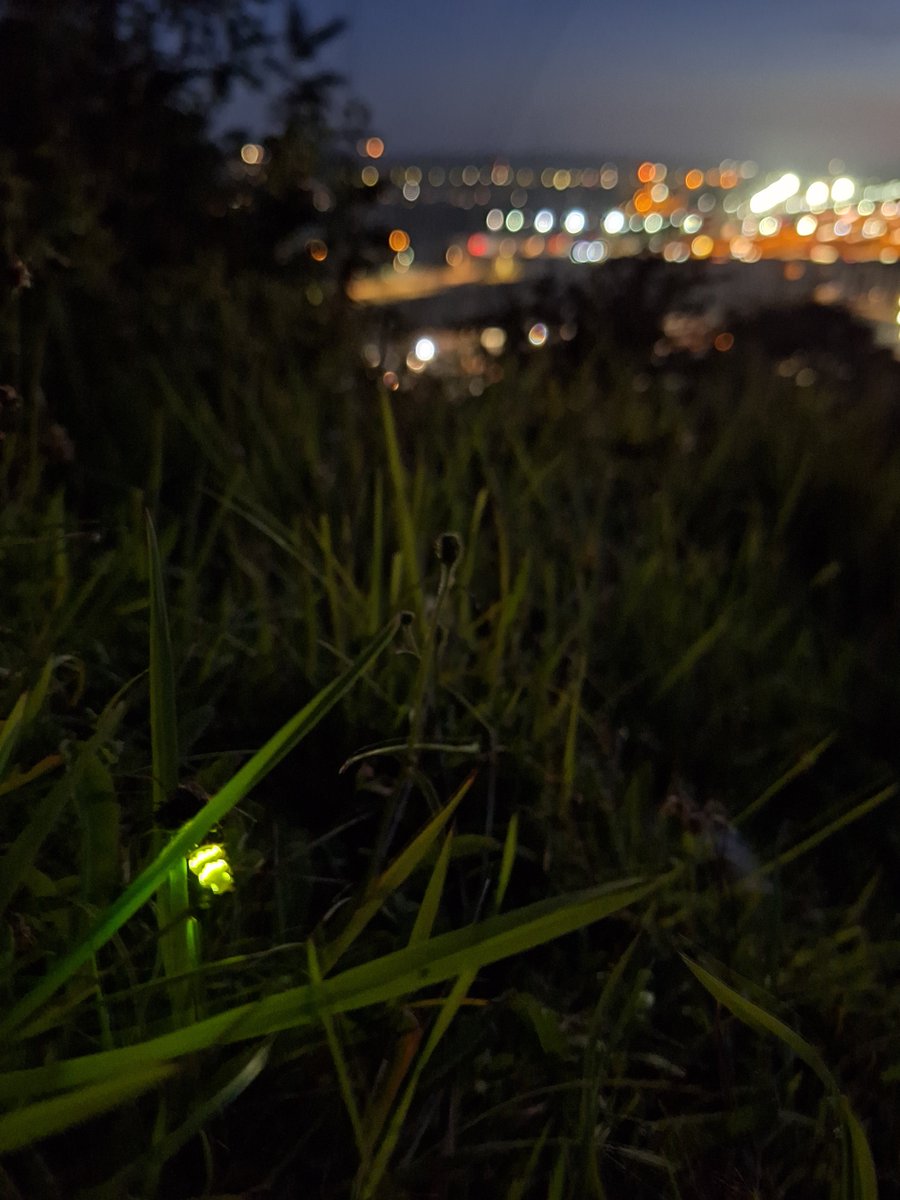
Wow! Look at that glow worm. This is a fantastic shot taken by ranger Brad on the Folkestone Downs. Glow worms may be called worms but they are actually beetles. They can be found in a variety of habitats one of which is chalk grassland and can be seen around from June to July.
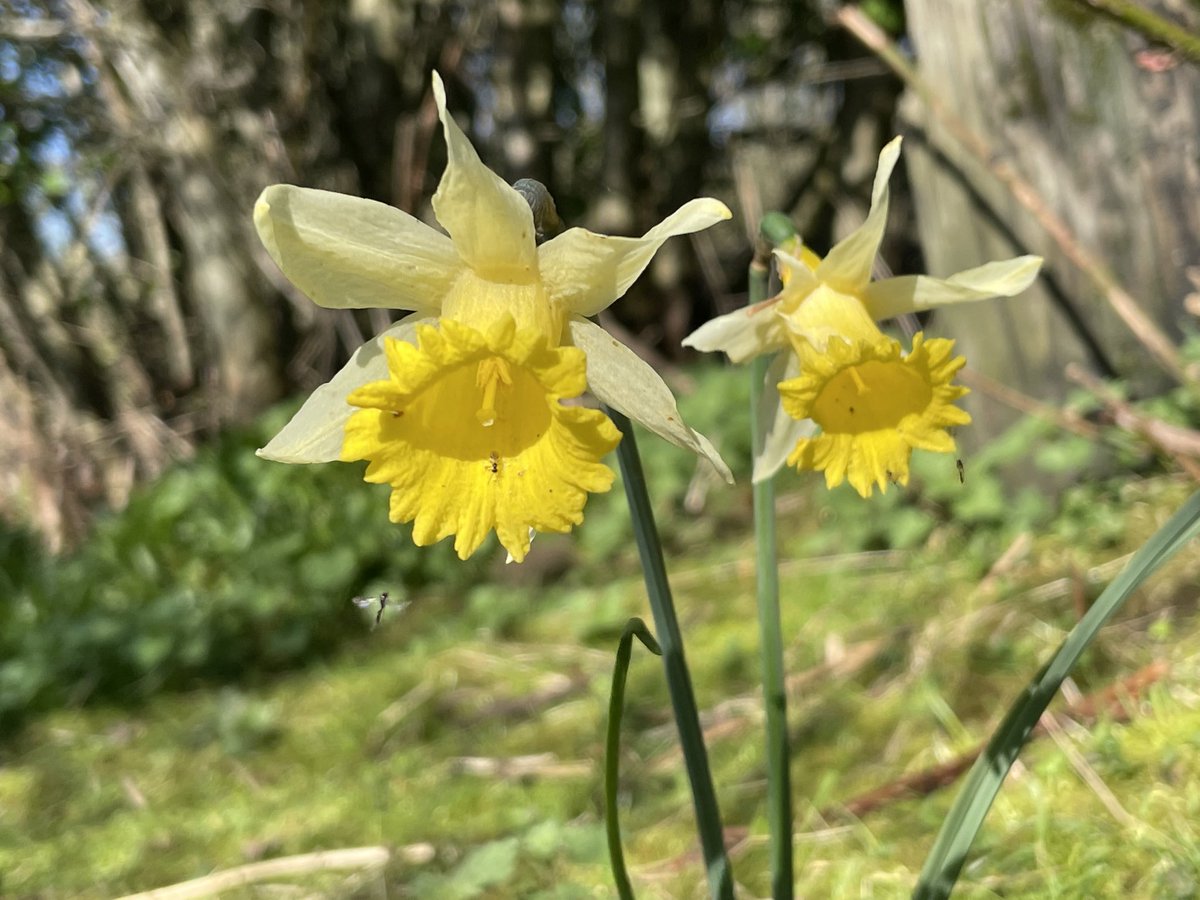
In fact, statistics suggest that Daffodil poisoning (a highly toxic plant if ingested) is a far more pertinent threat to children’s health. Between 2009-2014, there were 63 cases of Daffodil poisoning in the UK. In fact, around 20% of our flora produce alkaloids which are toxic..
Hi @BBCNews, the lethal dose of hemlock is rather large. It would take a person eating a large handful (c.30g) to become seriously ill from conine, while the RHS has identified >130 highly toxic plants that commonly grow in gardens
Stop demonising nature
https://t.co/5o7RZAfW9n
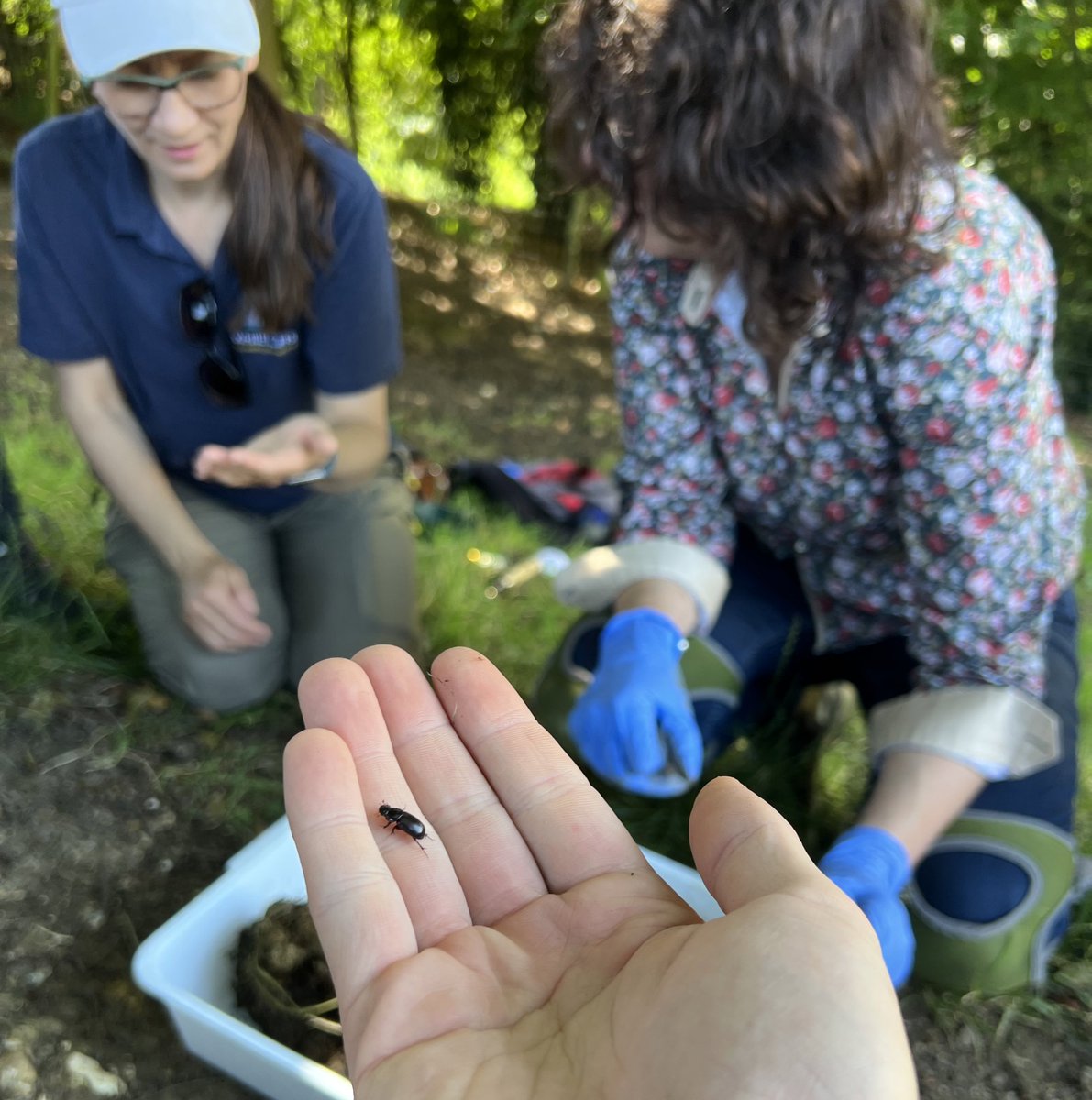
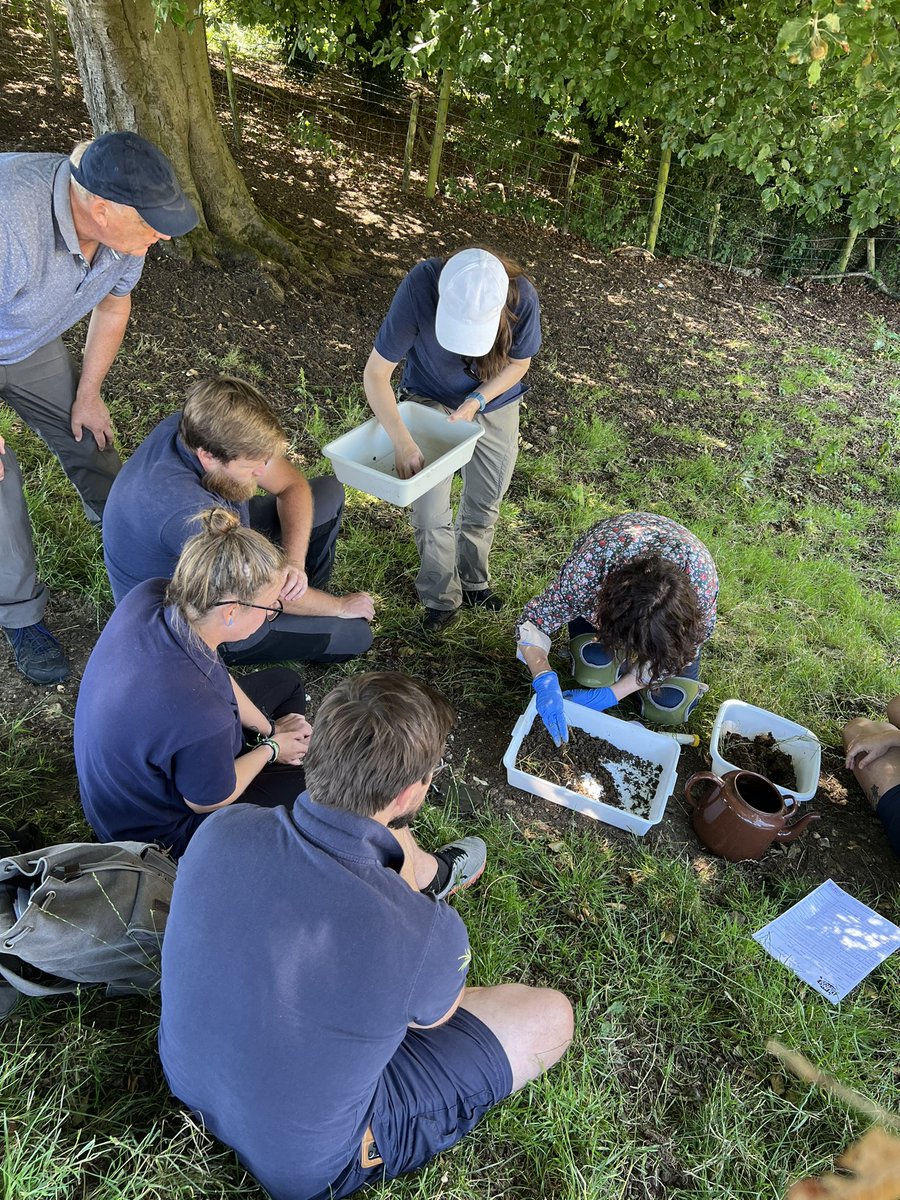
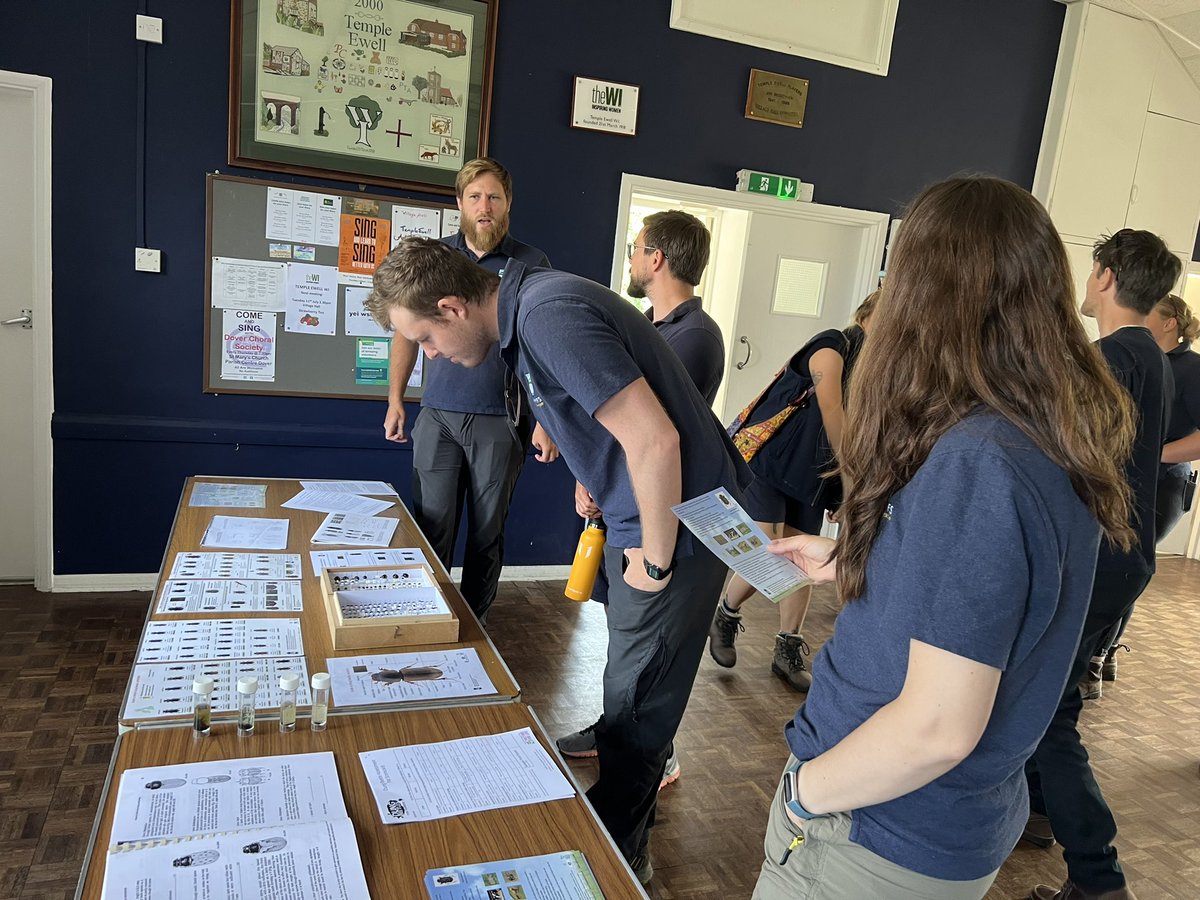
Day 1 of the #KentDungathon with @KentWildlife. A large group from @WCCPnews have already arrived keen to discover more about dung beetles & how they can support their graziers in increasing their chalk grassland biodiversity 👍
A beautiful Brown Argus spotted on the Folkestone Downs.
This striking butterfly's main habitat is chalk grassland but it also lives in the wider countryside. The Brown Argus is actually a member of the 'blues' family
#butterfly#butterflies#nature#naturephotography
An early purple orchid found on the Folkestone Downs.
This species of orchid can be found between the months of April to June. The early purple orchid can grow to be 40cm tall with up to 50 flowers & can be found in Grassland or Woodland.
#orchid#flowers#folkestone
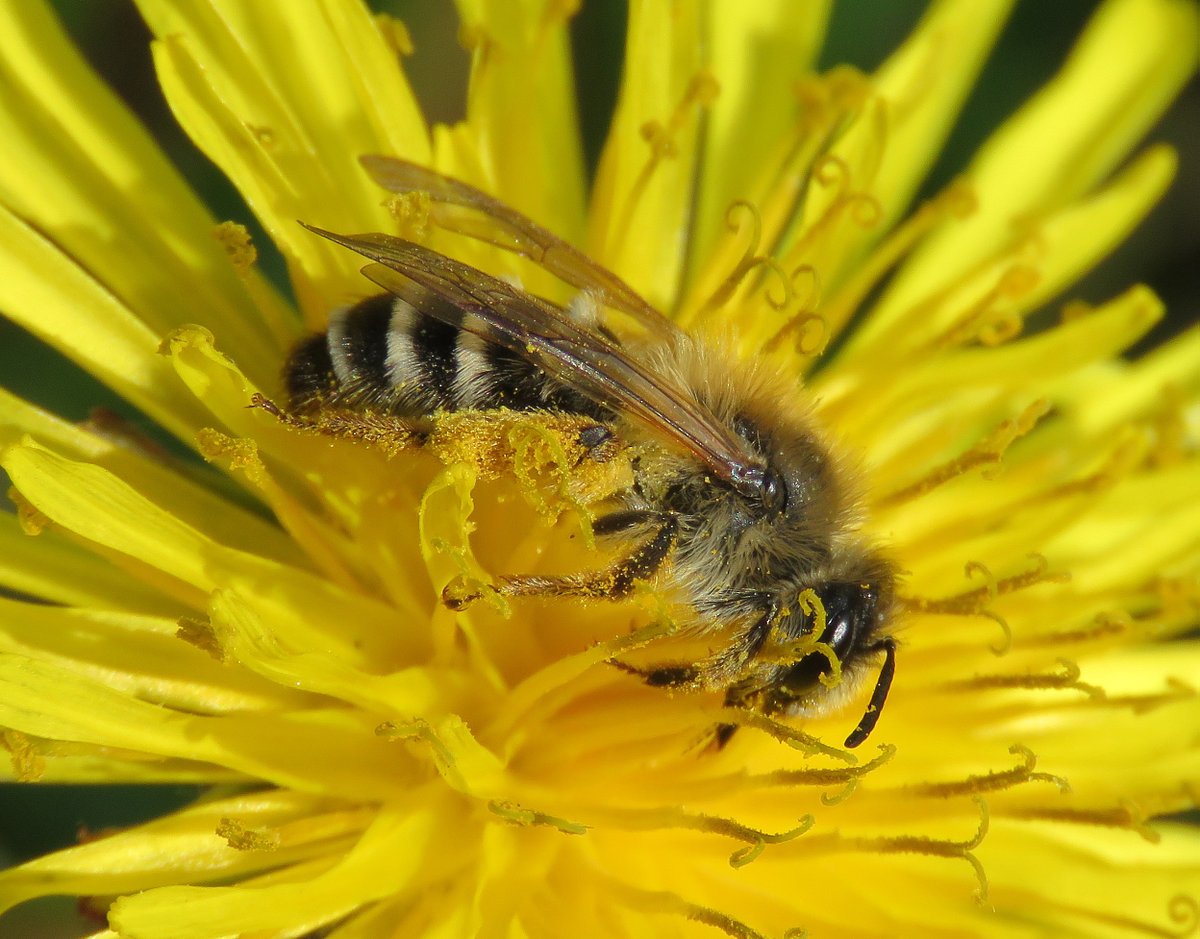
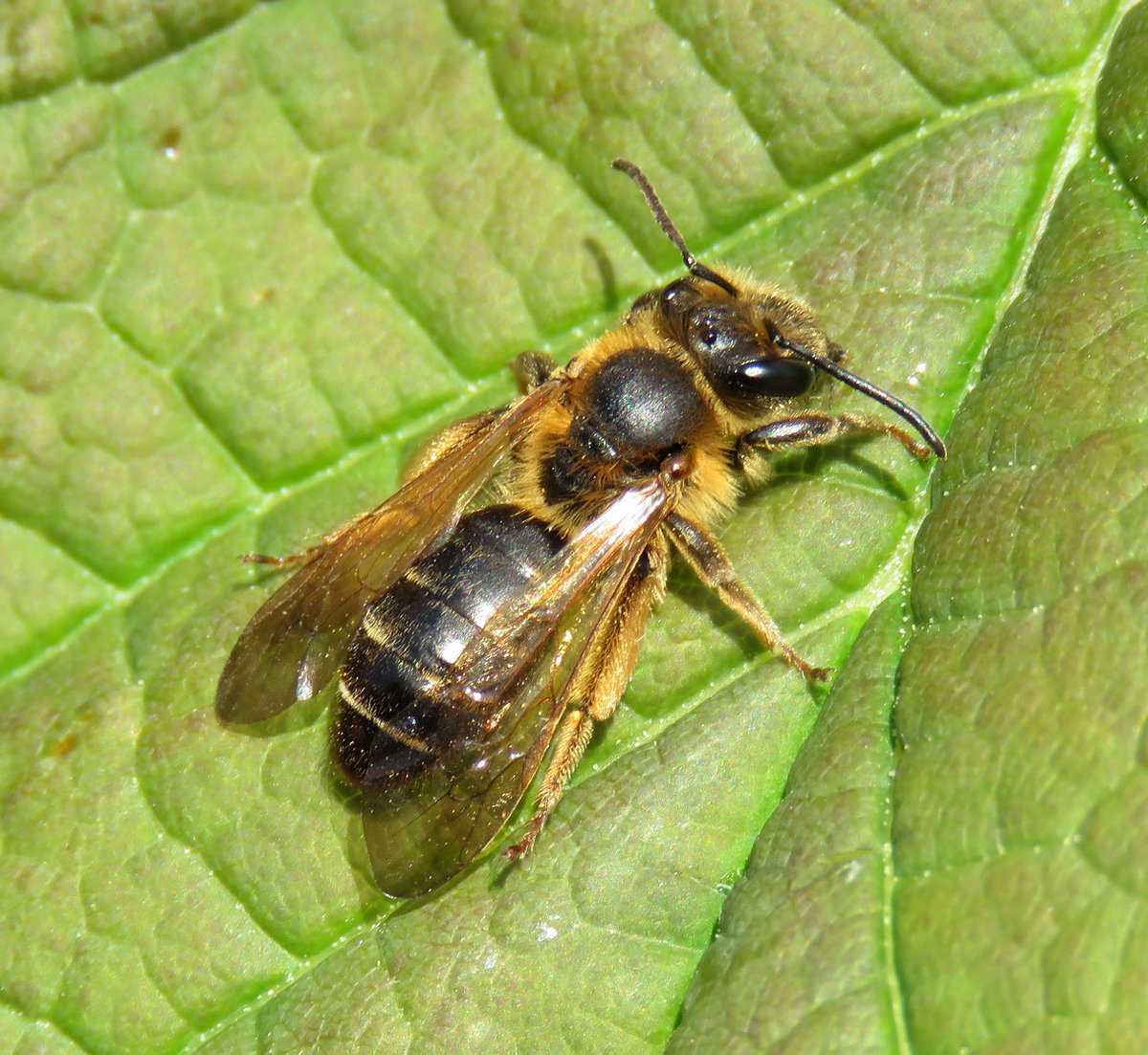
2/2 Recorded 43 species of wild bee (including 19 Andrena species) in little more than 2.5 hours! Takes a special site to produce that. Highlights included Andrena bucephala in good numbers, A. gravida, labiata, minutuloides and some lovely shots of Melecta albifrons on G. Ivy.
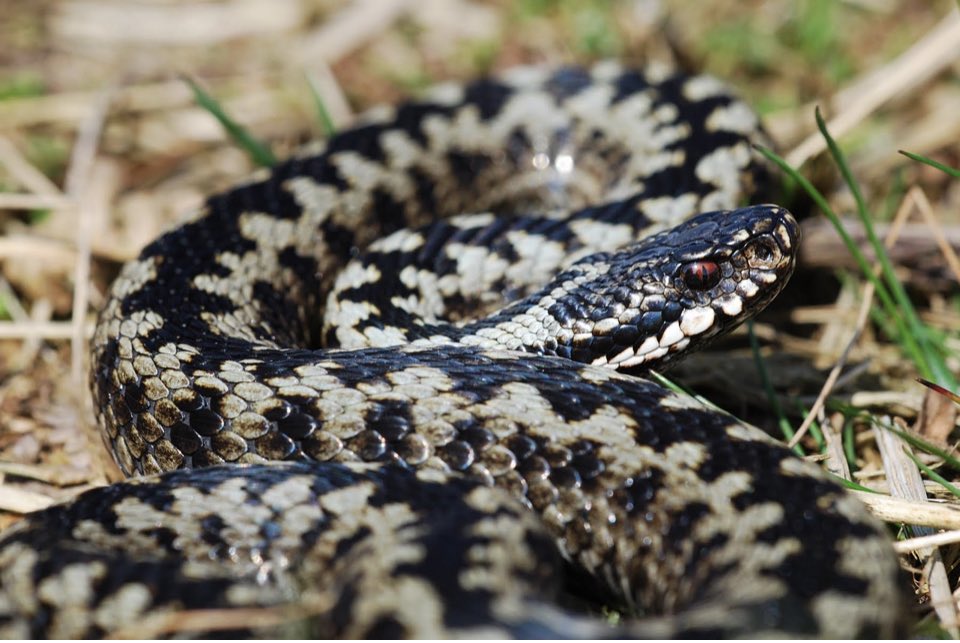
Only 260 areas in U.K. left with adder population. We could lose the species in 15 years. Pheasants a huge culprit in their decline. Saddening interview on @BBCr4today - such a huge part of our cultural heritage. A first adder nature reserve called for. Shooting needs regulating