Interested in single cell genomics but need help getting started? Come to my lab's 10th (!) Single Cell Genomics Day on 6/12
Talks include Aviv Regev @anshulkundaje@junyue_cao@xinjin + (many) more + @ATJCagan illustrations!
Free Youtube livestream at https://t.co/KJpeGwXjxZ
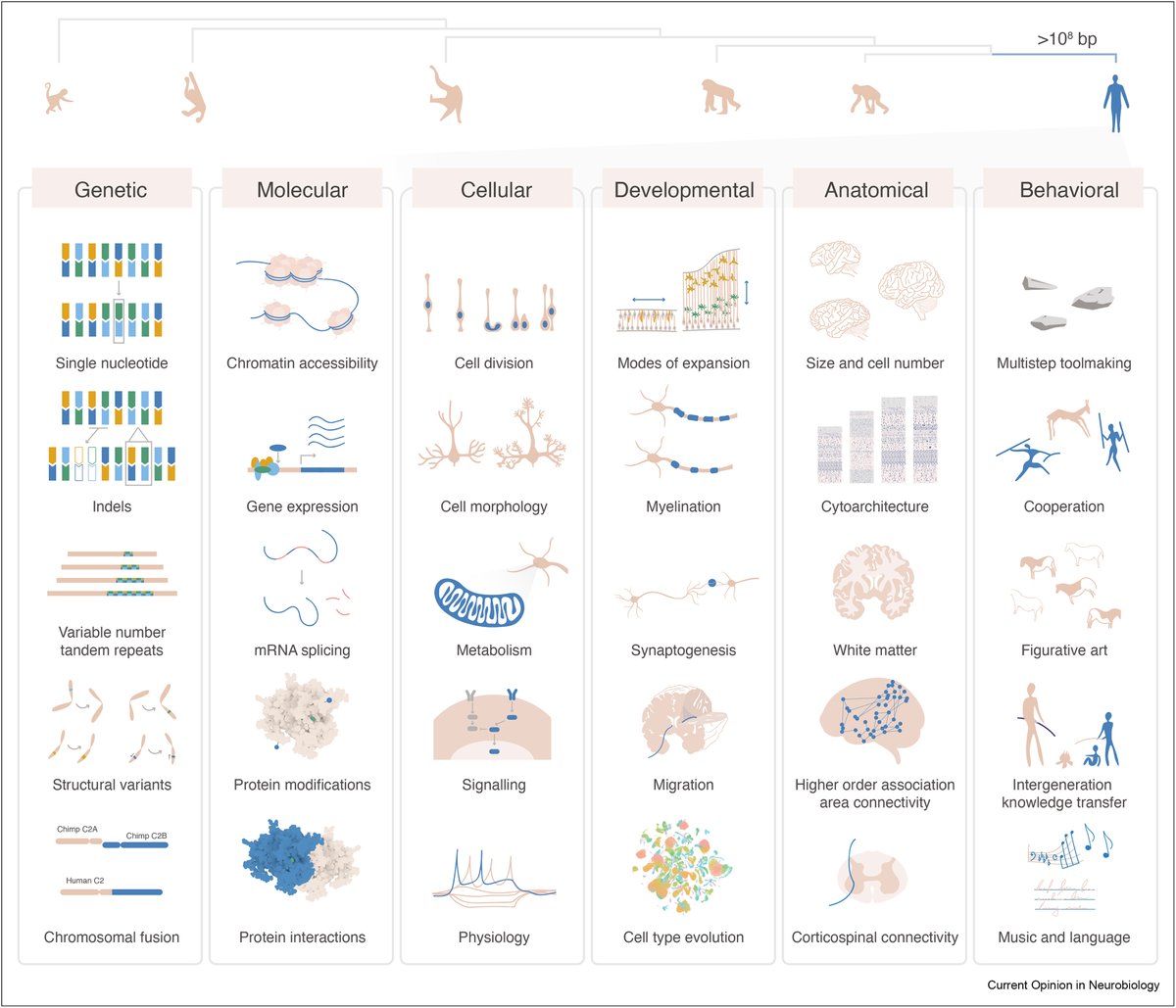
Form follows function, or function dictates form?
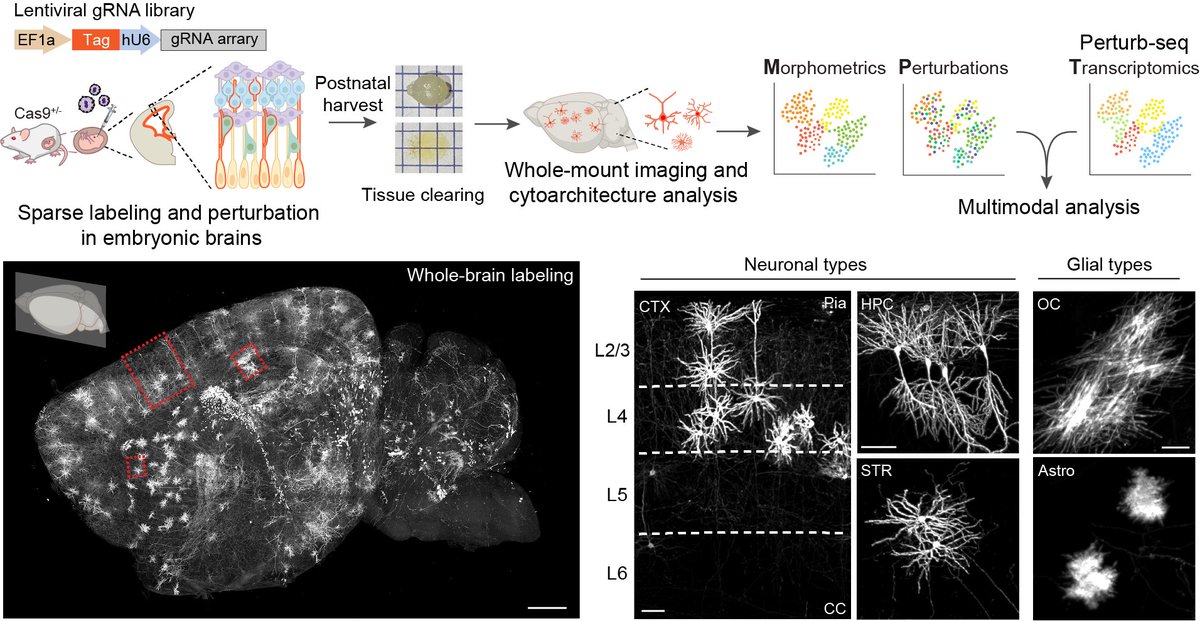
📢Preprint: we build Perturb-CLEAR, in vivo screen of neuroanatomy! Disease perturbations produce selective morphology-RNA changes that RNA impact alone cannot predict. Was led by the invincible @BoliWu!
https://t.co/KlGBbRO4oV
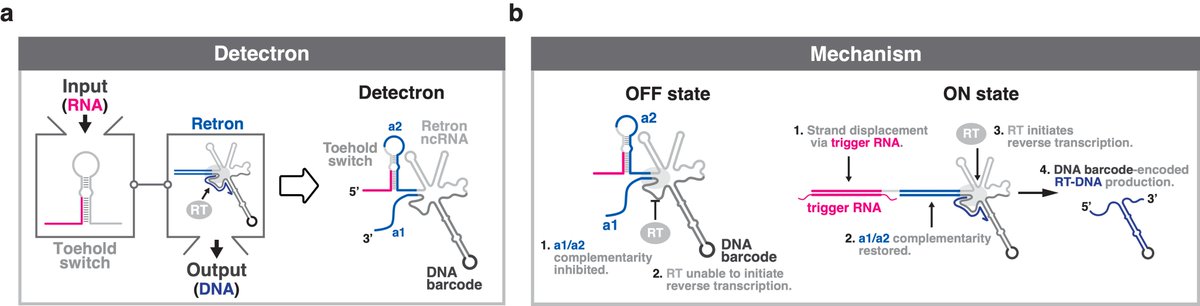
New preprint on Detectrons from @jihoon_han_phd! These are programmable biosensors for RNAs that produce DNA barcodes in the presence of their target RNA. Check out Jihoon's quoted thread for more:
https://t.co/72gyY3KnIj
NEXT TUE: DDD seminar, Feb. 17, 2026 @ 1PM Eastern US: Dr. Annerieke Sierksma (Dr. Bart De Strooper's @BStrooper group @ KU Leuven) present "Polygenic risk for Alzheimer’s disease shapes microglial inflammatory and antigen-presentation programs in vivo". https://t.co/jPw30CBsVt
Today I'd like to honor the memory of my mentor and friend, Roger Tsien, born 1952 February 1. Today would have been Roger's 74th birthday.
Most know Roger for his 2008 Chemistry Nobel Prize with Shimomura and Chalfie. Roger made GFP into the versatile imaging method it is now.
Does the noncoding genome actually carry more genetic information than coding seqs? Motivated by this question we mutated every bp in the 10kb MYC locus. Results are even more exciting: Decoding the MYC locus reveals a druggable ultraconserved RNA element https://t.co/MynOLLNvXi
Excited to share work I contributed to during my UCSF postdoc with amazing colleagues, including Dr. Tianzhi Wu & Dr. Jingjing Li! @Kriegsteinlab@jingjingSF@UCSFstemcell ❤️
https://t.co/SZ7X9bKYPX
1/ Our new study, led by @ding5066, examines the role of transcription factors during human neurogenesis to identify gene regulatory networks influencing cell fate, maturation, and subtype specification
https://t.co/GDtKk45kFt
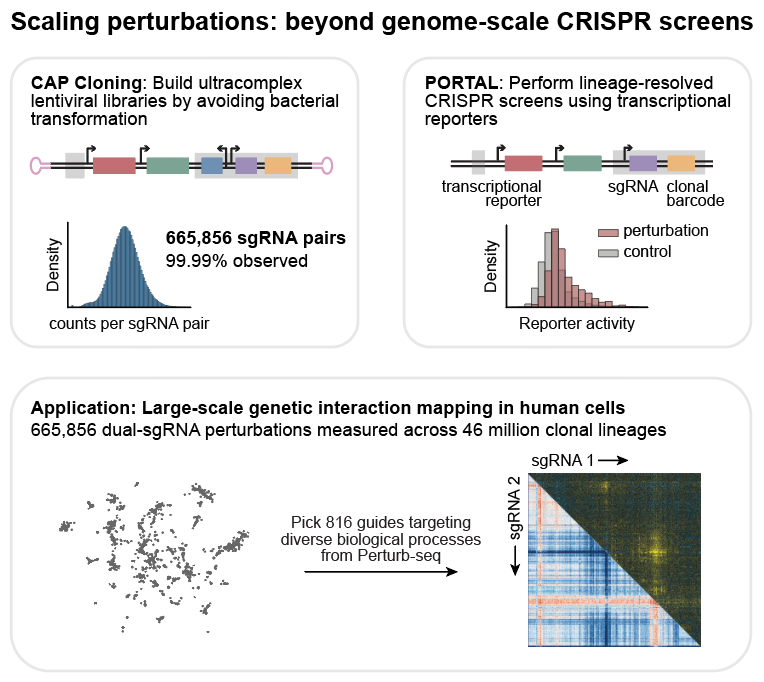
New preprint on technologies to scale up CRISPR screens.
We use them to map 665,856 pairwise genetic perturbations and outline a path to comprehensive interaction mapping in human cells.
We also introduce an approach for cloning lentiviral libraries with billions of elements.
@TommyVierbuchen shared his work with us today: "A pluripotent stem cell platform for in vitro systems genetics studies of mouse brain development", see the recording at: https://t.co/ncauyRNSKb (more info at https://t.co/Ka9XNT03BV)
@MysmtpT5035 @anshulkundaje For pooled processing experiments of multiple individuals, CellBouncer (from @nkschaefer87) uses transcript polymorphisms that mismatch a cell's individual assignment as a ground truth for identifying and removing ambient RNA
https://t.co/Mc8t7AV5GS