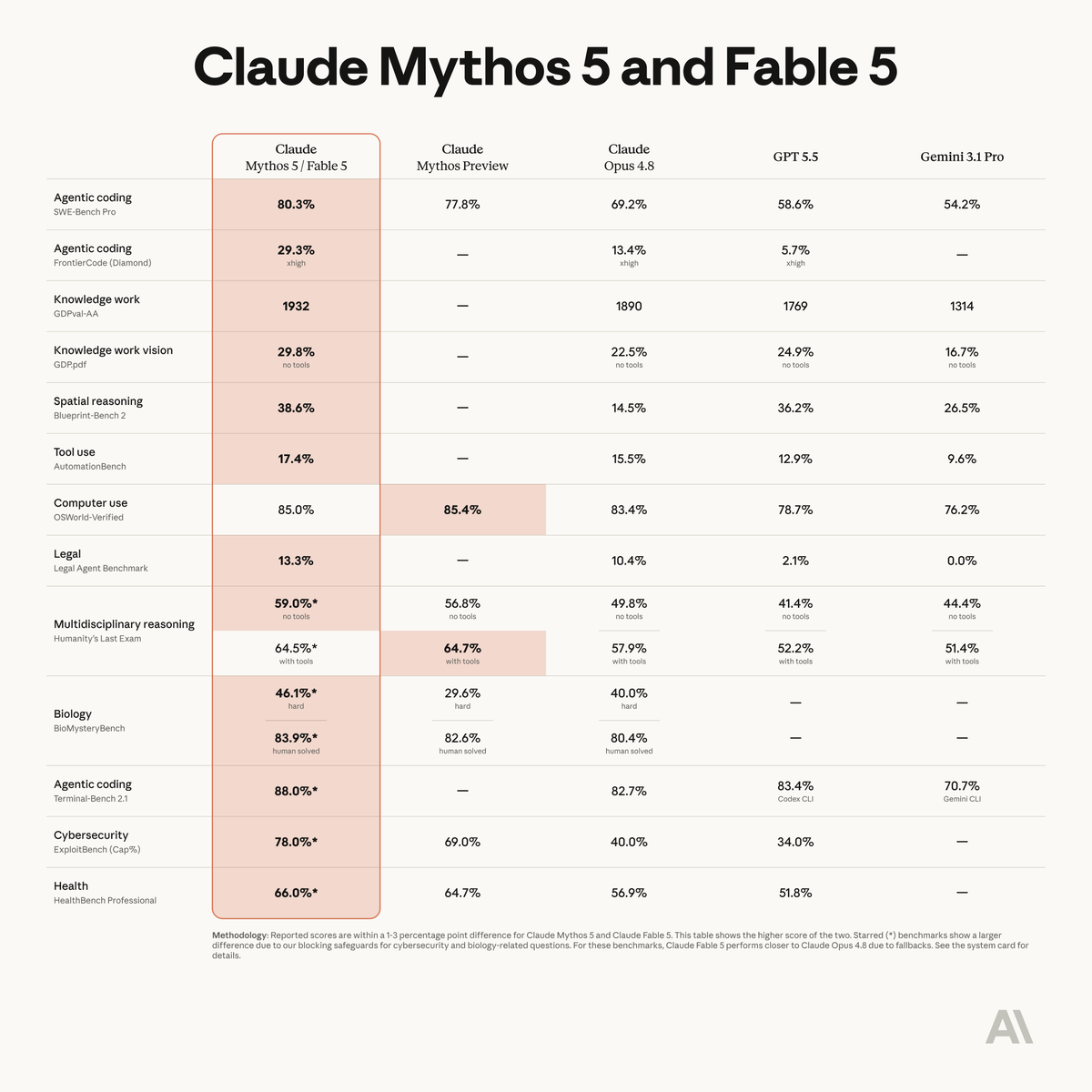
The latest generation of AI models crossed a threshold that is easy to miss behind the benchmark numbers.
The headline, for me, is not that AI now completes engineering work that required hours of senior effort a year ago. The headline is that the bottleneck of building software has quietly moved.
For decades, the scarce resource was implementation: people who could translate intent into working code. That constraint is dissolving. Code increasingly comes out of a tap: you describe, the system builds, and it often builds well.
So what becomes scarce instead?
Human attention. More specifically, experienced human attention that understands the impact.
When systems produce more than any team can read, the critical decision is no longer only what to build. It is also what deserves human eyes - and what we are willing to trust without them.
That decision cannot be delegated entirely. Well, it can, and that is called a one-shot vibe-coded app.
It requires judgment about risk, customers, architecture, security, reliability, and consequences.
And this is where the real leadership work begins - whether you run a large organization or a one-person company.
Not in reviewing every line of AI-generated code.
Not in trusting every output because it looks convincing.
But in building a system that knows what must be inspected, what can be automated, where tests are enough, where human approval is necessary, and how to roll back mistakes quickly.
I believe the companies that benefit most will not be the ones that generate the most code.
They will be the ones that turn abundance into reliable systems, faster learning loops, and real customer value with sustainable economics.
Software will be, actually already is - easier to create.
Great software, and especially great products, will require even more competence across customer value, product management, UX, code, QA, systems, security, and operations.
Code creation got cheaper. Competence did not.
For me, this AI investment is less about hype and more about extending what has always mattered.
ESET's long-term success has many ingredients, and one of them has been clear to me: a strong commitment to research, engineering depth, product reliability, and customer trust.
AI is now changing the environment around those fundamentals: how technology and knowledge are built, how attacks are prepared and executed, how workflows are designed and automated, how security teams detect, investigate, and respond, and ultimately how organizations make decisions.
This is not just another product category. It is a technology evolution that touches almost everything at the same time.
And in cybersecurity, the right response cannot be limited to adding an AI label to products or putting a chatbot layer on top (even if both make sense in the right context).
I believe the meaningful response is to invest in core capabilities: research, models, tooling, SOC capabilities, protection for AI-driven workflows, and people who keep learning and understand these domains deeply.
Same logic, new environment: build competence early, invest in deeper expertise, and earn trust over time by solving real customer problems.
https://t.co/xZ5y0j8NVp
2/
For companies, the interesting part is not this specific GitHub change.
It is the reminder that AI policies can shift underneath existing workflows. Someone needs to own defaults, account boundaries, and the review of vendor policy changes.
Not new, but worth checking before Apr 24:
If you use GitHub Copilot Free/Pro/Pro+ review your Privacy settings.
GitHub says inputs, outputs, code snippets, and associated context from those plans may be used to train and improve AI models unless you opt out.
Business and Enterprise are not affected by this update.
Practical takeaway:
- personal/open-source use: decide consciously
- client/work code on a personal account: opt out or separate accounts
https://t.co/v8NXIUvOKR
Here’s the thing: For 35 years, I’ve researched the immune system & have been fortunate to make many important, impactful discoveries, placing me in the top 0.5% of immunology experts.
The @OpenAI GPT-5 Thinking & Pro models now match or even surpass my expertise in immunology!
Vitamin D supplementation was associated with a 40% lower risk of dementia over a decade.
After five years, 84% of supplement users were dementia-free compared to just 68% of non-users in a study of over 12,000 people. Vitamin D reduced dementia risk by 33% in adults with mild cognitive impairment or APOE e4, a key genetic risk factor for neurodegenerative diseases.
Vitamin D isn’t just a vitamin—it's a steroid hormone regulating over 2,000 genes critical for brain development, neuroplasticity, and inflammation control. Its roles include clearing amyloid beta plaques and tau buildup, boosting neuron survival via neurotrophic factors like BDNF, and enhancing brain connectivity, particularly when paired with exercise.
It’s no surprise, then, that higher vitamin D levels are associated with better cognition, larger hippocampal volume, and lower Alzheimer’s risk. Multiple lines of evidence support this.
More than 30 large studies have consistently linked low vitamin D levels to a 50–150% increased dementia risk. People genetically prone to low vitamin D—those with genetic variations affecting vitamin D production or metabolism—have a 54% higher dementia risk.
Furthermore, supplementing with 800 IU/day of vitamin D improves memory and cognitive function in people with mild cognitive impairment and more serious forms of dementia.
To learn more about optimizing vitamin D levels for cognitive health, including underlying brain-protective mechanisms and practical supplementation protocols, see the latest FoundMyFitness video.
Link in comments.
@Zenomercer@reidhoffman@hahabusinessinc Yes. One of the solutions may be owning an AI that is under full training,influence, and control of ours, that is validating everything as an internal, independent security and privacy agent
📍 Find us at @RSAConference 2025!
Exciting news! ESET will be at the RSAC Conference, and we can't wait to meet you. Visit our booth to learn about our latest cybersecurity solutions and innovations.
🗺️ Location: Booth N-5245 in the North Expo
I understand you and have similar experience...
My point is: until AGI/ASI + tuned medical AI with optimized cross-checks, having a doctor using AI tools should provide the same or better result (in case of any issue with AI's outputs - which happens even today).
As for the context: everything that isn't written in the prompt, which may be a lot of details and aspects.
RE ethics & accountability: ensuring outcomes of AI make sense (many possible issues, one of them AI prioritizing profit or being trained/manipulated in some ways - in time), simply oversight. Yes, legal accountability.
@unusual_whales Doctors shall use AI tools as a baseline + may:
1. They build trust and hopefully with empathy (sometimes helps even as placebo for some types of issues)
2. Handle complex cases that AI can’t due to missing contexts
3. Cover ethics & accountability that AI can’t
@Zenomercer@reidhoffman@hahabusinessinc Doctors are (and shall be) beneficial:
1. They build trust and hopefully with empathy (sometimes helps even as placebo for some types of issues)
2. Handle complex cases that AI can’t due to missing context
3. Cover ethics & accountability that AI can’t
This year, researchers from George Mason University published a paper on a way in which Apple's Find My network could be used to maliciously track Bluetooth devices without root access. This method works across multiple operating systems and device types.
1/6
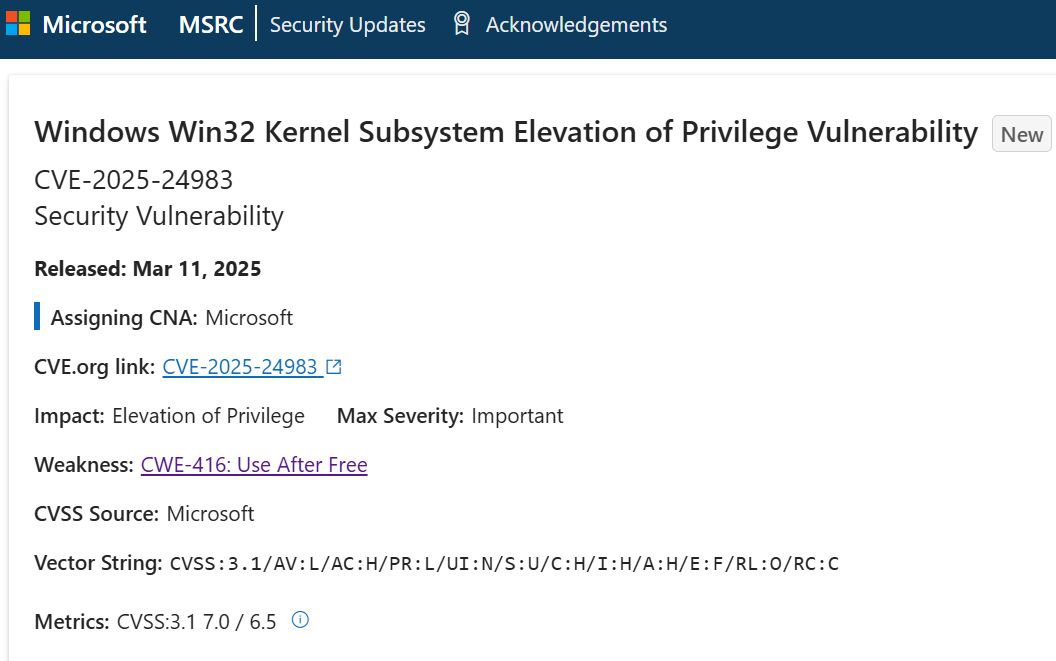
#ESETresearch has discovered a zero day exploit abusing #CVE-2025-24983 vulnerability in Windows Kernel to elevate privileges (#LPE). First seen in the wild in March 2023, the exploit was deployed through #PipeMagic backdoor on the compromised machines. 1/4
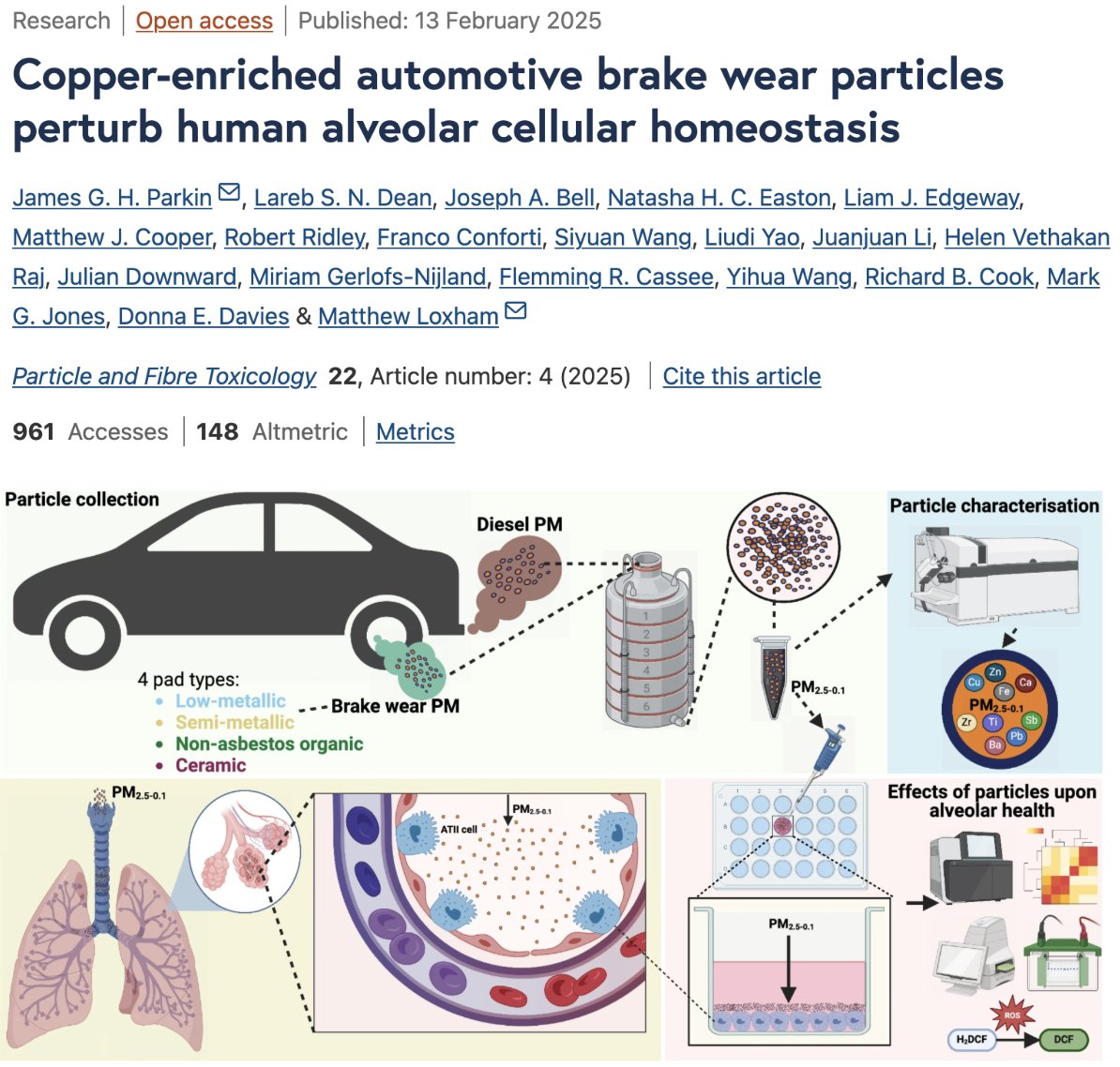
Copper-containing small particles (PM2.5) from car brake-pads are even worse to lung cells than similar particles released by diesel engines.
Published last week, a study found that small particles released from the wear of copper-containing brake pads were more damaging to human lung cells than similar particles released from diesel motors. Further analysis identified copper in the brake-pads-derived particles as the main driver of the lung cell damage.
In detail:
1. PM2.5 refers to particulate matter sized 2.5µm and smaller, this is among the most damaging type of pollutants due to its penetration deep into the alveoli of the lungs, and crossing into the blood stream.
2. PM2.5 is strongly associated with traffic pollution, as combustion engines are known to release this type of particles.
3. The wear of the car brake pads also releases small particles including PM2.5
4. The study compared the effects of diesel motor and brake derived PM2.5 on cultured lung cells (alveolar cells).
5. Brake-pad PM2.5 was more damaging than diesel PM2.5 to cultured lung cells; causing more inflammation, oxidative stress, metabolic damage, and activation of hypoxic pathways related to cancer and lung fibrosis.
6. Further analysis identified copper as the main driver to blame for this particularly damaging effect of brake-pad PM2.5
7. This is particularly bad as unlike engines, brakes have no exhaust systems to filter away the damaging particles.
Good news, state regulation is catching up
As of January 2025, the “Better Brakes Low” for the states of California and Washington mandates that all brake-pads sold in these 2 states are not allowed to exceed 0.5% of copper content.
This is how you can minimize your and others' exposure
1. Install copper-free plates when possible.
- Minimize your use of the brake, (also for better driving safety and comfort)
- Drive calmly when in a traffic jam
- When driving downhill, use “Tiptronic shifting” on a lower gear to hold back your speed without relying too much on the brakes.
2. Anticipate speed changes and get off the gas pedal ahead of entering a zone with a lower speed.
3. Use the air recirculation function in your car when stuck in a traffic jam, but beware not to keep it on full recycling for longer than 5 minutes.
Eating more fiber might be one of the easiest ways to reduce microplastic absorption
While the tiniest nano-sized particles can slip through the gut lining and into circulation, fiber—both fermentable and non-fermentable—can help block larger microplastics from ever getting absorbed
Not to mention, fiber-rich foods are also packed with beneficial micronutrients and phytochemicals:
• Legumes
• Nuts
• Fruits
• Vegetables
• Whole grains