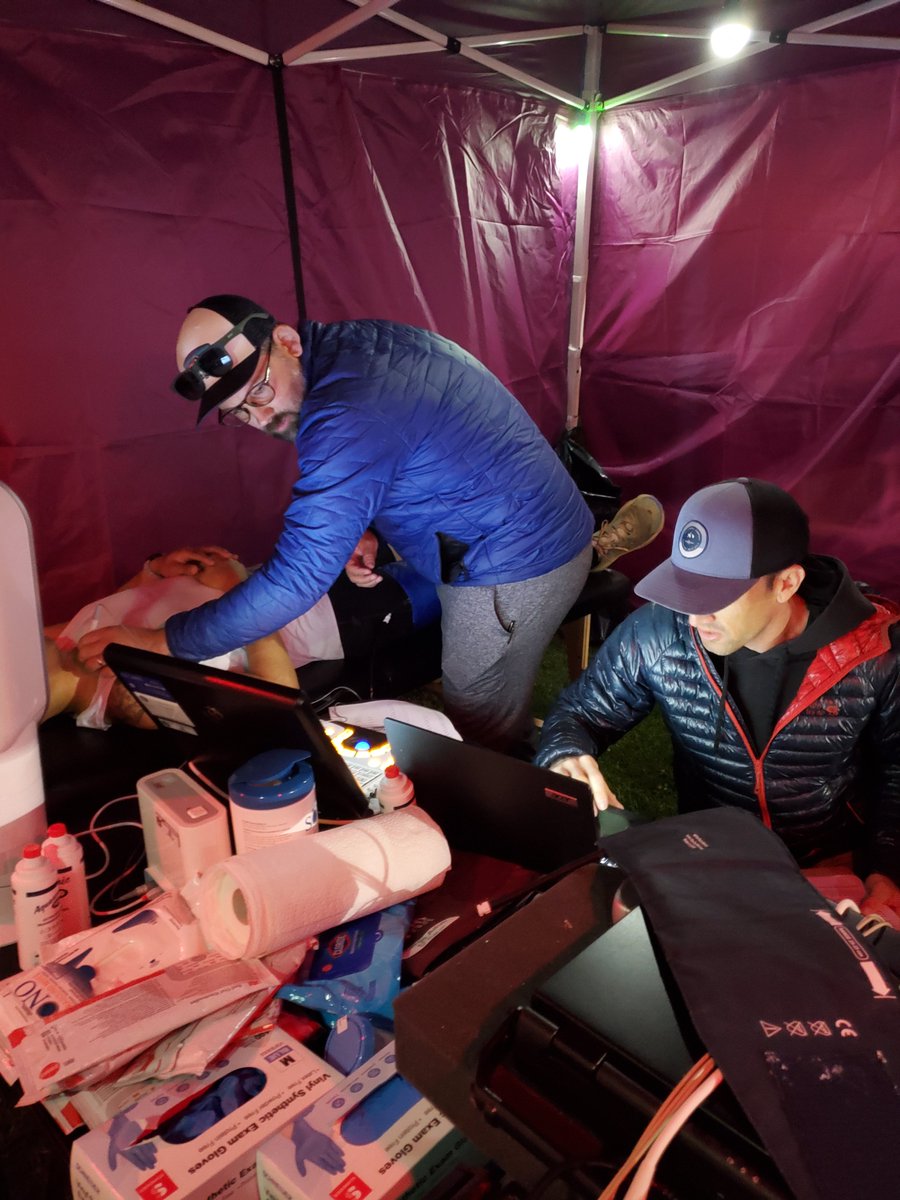
New in #JAPPL: Acute Cardiovascular Responses to the 100-Mile Western States Endurance Run
Matthew C. Babcock,
🖱️ https://t.co/3gAjNZhKyF
@DrGregGrosicki@AusRob_PhD@braxtonlinder2 @nina_stute @SoolimJeong
"Sick or scared?"
I turned to look at the man next to me, both of us waiting for the elevator. He was wearing a volunteer vest, resting his hands on the empty wheelchair in front of him.
Me: Sir?
Him: (gesturing toward my mask) Are you SICK or are you SCARED?
1/
Use the link below to get free access to our recent @AJCNutrition paper until October 26th!
Cross-sectional analysis of racial differences in hydration and neighborhood deprivation in young adults
https://t.co/zqahNCKwax
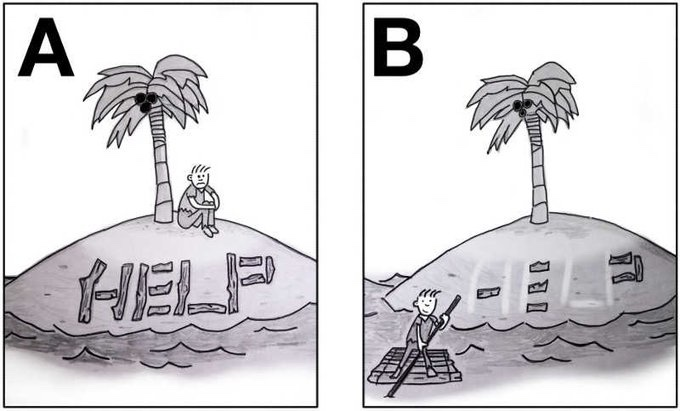
How to get good at math? (Or anything else.)
1. Get comfortable with confusion.
In math, growth is driven by the cycle of confusion and clarification. Don't quit the process early because of your fear of failure.
2. Solve problems.
Use it or lose it: this applies to mathematical knowledge as well. The single best way to use what you've learned is to solve problems.
3. Ask questions.
Never take anything for face value, not even what math professors tell you. Second guess every detail, question every assumption. The benefits are plenty: a deep understanding plus a strong mental workout.
4. Build curiosity and motivation.
It's hard to put thousands of hours of practice into math if you are unmotivated and uninterested. I could write essays on this topic alone, but here is the essence: just start.
Progress will bring motivation.
5. Find a friend or a study group.
Competition and collaboration are two of the biggest catalysts of growth. Finding a study partner will accelerate both of your progress. One might even say that sometimes 1 + 1 = 3.
6. Be patient with yourself.
Getting good at math (or anything, really) takes a long time. Not weeks. Not months. Years.
It's also incredibely challenging. Failure and slow progress doesn't mean that you're stupid; it means that you are growing.
And growing has its pains.
7. Don't give up.
Never settle with "I'm just bad at math". There is always a way to push your limits.
You can find it.
My grandmother says nothing good happens after midnight...this was definitely one of the exceptions!
Great data collection @wser, excited to dig into the data 🧑🏼💻
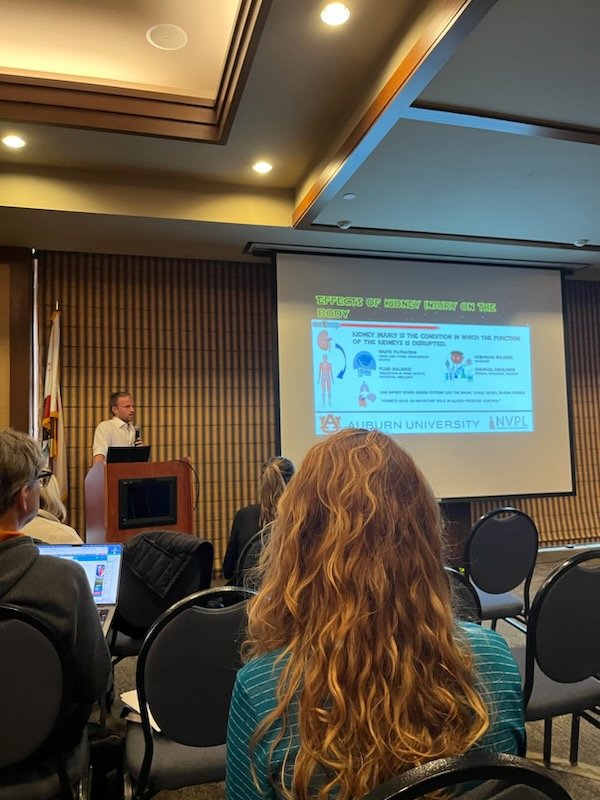
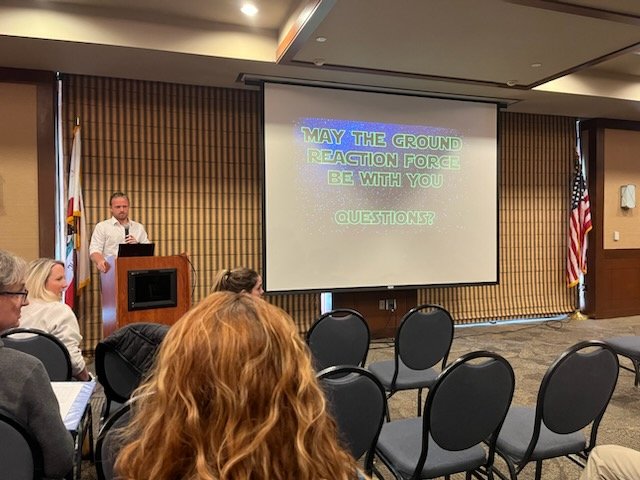
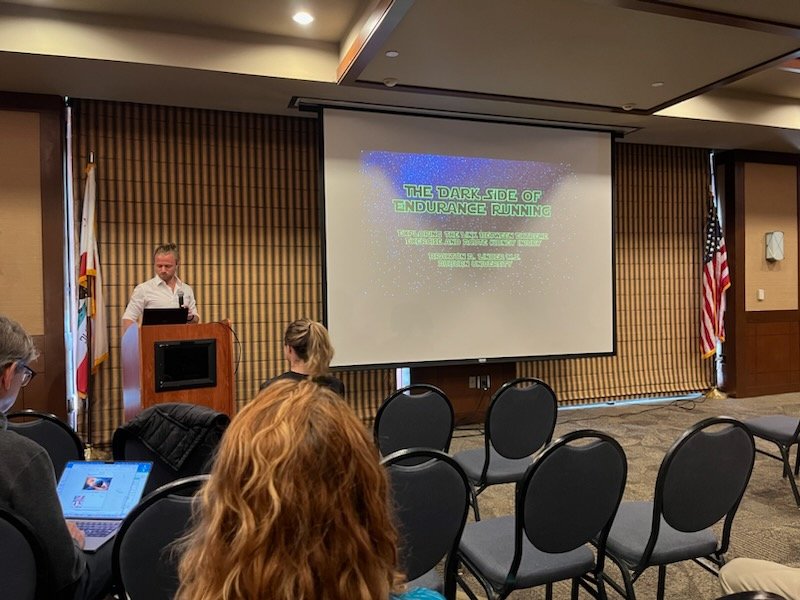
@braxtonlinder2 giving an excellent Star Wars themed talk on distance running, hydration and electrolyte balance, and elevations in urinary AKI markers @wser earlier this morning.
S/O @DrGregGrosicki for the 📷
Exceptionally proud of this one in #RedoxBiology: “Acute beetroot juice reduces blood pressure in young Black and White males but not females”
https://t.co/4GMwU8tcrv
My first 🧵 👇
A #JournalClub submission from @braxtonlinder2, @nina_stute (NVPL, @AuburnKINES), @P_Agostinelli5 and Bordonie (@WarriorAuburn) look at aerobic exercise training as a strategy to preserve non-shivering thermogenesis on an obesogenic diet!
📜https://t.co/q4BIPZNPQF
Are you a member of @APSPhysiology@APSEEPSection?
If so, the ballot for the EEP steering committee (councilors and chair-elect) is open until the 14th. Check your email & make sure to vote!!
I know who Chaos would vote for if he could 😎
#exploitingmydogforvotes