1/ Reflecting on Q1, I'm truly impressed by @UnmarshalAI's strides in decentralization and AI, marking a pivotal moment in their journey. But, it's the outlook for Q2 that really catches my eye.
A thread
The caveat from @Cloudflare's CFO is the part worth repeating: he has "called it wrong at every point along the way."
He predicted the crossover for late 2027, then early 2027. It happened in May 2026.
Every correction has been in the same direction. Faster than expected.
Agentic commerce is being built on Boson.
You think earning means settling for one strategy.
But with $ONyc you have options.
☑️Whether you’re protecting capital,
☑️locking in fixed returns,
☑️earning fees,borrowing against your position, or
☑️aiming for higher upside,
it all starts with the same underlying reinsurance yield.
@onrefinance provides the Best kind flexibility.
1/
The market doesn't reward being right. It rewards being early.
Institutions see the shift while it's happening. You see the story after it's over. That gap is the whole game, and most people don't even know they're playing it.
I can’t contain this. Have you heard?
@onrefinance As a member of the @global_dollar Network, has just earned over $515K in rewards.🤭
through its USDG holdings across collateral reserves and Liquidity Layer.
The most interesting part is Every dollar earned flows directly back to all ONyc holders as additional yield.
Again why are not using $ONyc yet?
What if you didn’t have to choose between TradFi and DeFi?
What if you could have both?
That’s exactly what @onrefinance is building.
Institutional-grade real-world yield, combined with the liquidity, transparency, and flexibility of #DeFi.
The question isn’t whether it’s possible anymore.
It’s whether you’ve explored it yet. 🤷🏽♀️
For years, insurance has worked like this:
The risk happens first. The reporting comes much later.
That doesn’t fit an onchain world where people expect visibility at all times.
With the expanded @onrefinance
Transparency Dashboard, you can see what’s backing $ONyc in real time. Because transparency means more than numbers. It means understanding what those numbers represent.
I’ve watched many builders chase high yield and miss a quiet risk. Settlement quality.
I’ve learned this the hard way, and in my opinion it decides whether a product survives.
Yield looks great on a dashboard. Users arrive fast. Then cracks show up when blocks slow down or costs spike. You feel this when liquidations lag or balances update late. Users notice too.
Here’s what builders miss when yield leads.
- Slow confirmations widen risk windows
- Unpredictable fees break liquidation math
- Delayed settlement locks capital longer
- Congestion hurts user trust first
I’m pointing builders to @arbitrum for a reason. Fast confirmations keep state tight. Predictable costs keep models stable. Deep liquidity supports real volume, not paper demand.
You want users to stay after incentives fade. You want systems where lending, perps, and stablecoins settle cleanly every time.
From my view, #Arbitrum gives builders room to focus on product, not damage control.
If you’re building, look past yield. Look at settlement quality. Your users already do.
Join the MGBX Lunar New Year Trading Sprint & grab your share of 11,000 USDT! Deposit, smash spot & futures trades, hit daily Top 50 or rack up volume for epic tiered rewards.
Plus: MemeCoin Contest! Post your best January memecoin profit screenshot for a shot at 100 USDT prizes. Follow @MGBX_Global, like+RT, comment UID + proof. Jan 21–27! 🚀 #Crypto #Giveaway
Don't know how to complete DataBounty #2 tasks?
Don't know how to get S-rating?
Worry no more!
Below is a great breakdown tutorial of how to seamlessly submit Deposit & Withdraw tasks under “CEX Hot Wallet” without mistakes
Tap in and let's get this 100k $XNY on tha way!!
The killing of Alex Pretti is a heartbreaking tragedy. It should also be a wake-up call to every American, regardless of party, that many of our core values as a nation are increasingly under assault.
Funny how everyone screams about scalability, but ignores infra that already solves it.
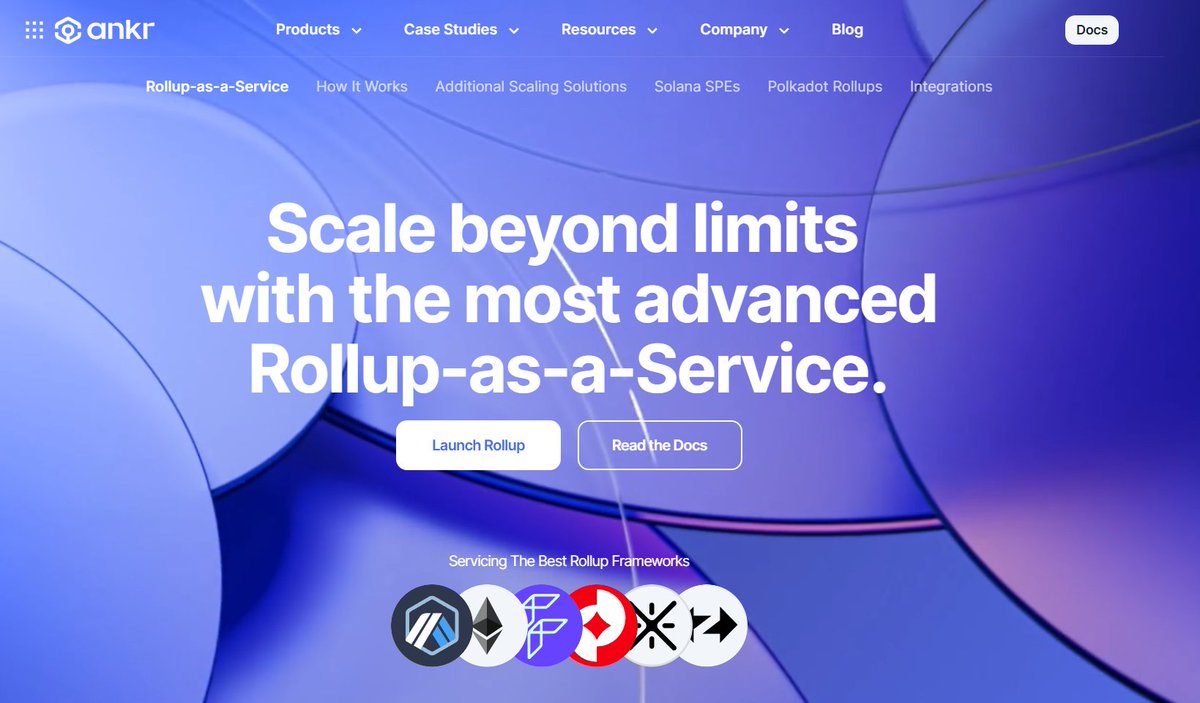
@ankr offers instant, no-code rollups on Polkadot and most builders still pretend shipping chains is rocket science.
If infra still feels hard, you’re probably using outdated tools. #Ankr
Platforms say they’re neutral until incentives change. Then policies shift and exceptions appear.
@BosonProtocol doesn’t ask for trust, it removes it entirely. If neutrality is not verifiable onchain, it is not neutrality.
AI agents don’t need promises, they need rules that can’t be rewritten mid-game. $BOSON
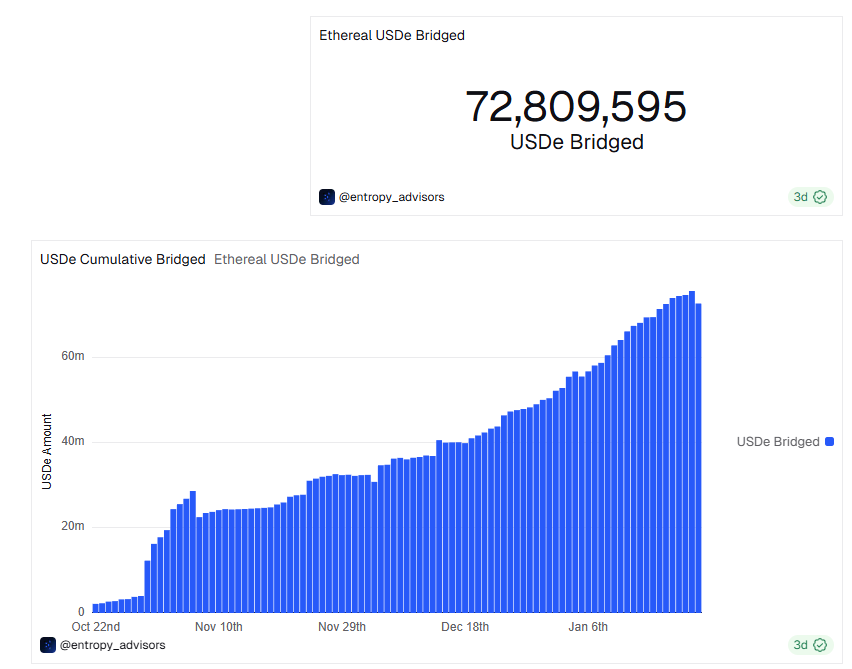
From what I’m seeing on this chart, stablecoin flow keeps choosing reliable rails.
Ethereal Chain now shows roughly $72.8M USDe bridged. The curve matters. Growth stayed steady through volatility and accelerated into January. This looks like usage, not incentive chasing.
I’ve watched similar patterns form before. Liquidity moves where settlement feels predictable and costs stay stable.
You feel this as a builder when users stop asking about delays. You see it as a user when transfers clear without stress.
Powered by @arbitrum and @Celestia, Ethereal runs inside the Arbitrum Orbit stack.
From what I’m seeing, Orbit chains attract serious builders who care about uptime and settlement first.
If you’re building in 2026, this structure matters. Where do you think the next wave of Orbit growth comes from?
I think this setup explains the trend.
- Fast finality
- Modular scaling
- Stable fee environments
If you’re planning infra for 2026, this chart is worth studying.
Crazy how "mass adoption" was supposedly the goal, yet most crypto payments still feel like a developer side quest.
With @moovexyz, it’s just a link and you get paid. No KYC, no setup theatre. Why did this take so long?
If your crypto payments still need a website, SDKs, or onboarding calls, you’re already behind. One link. 16k+ tokens. 30+ chains.
Moove strips payments down to what actually matters. Speed, reach, and zero excuses.