One of the most important things I learned in this class is to be more aware and alert to the animal community. Some things are not as innocent and playful as we once thought them to be when we were young. Zoos are unethical and we need to make a change #WhatIlearnedin39C
Another thing I learned in this course is to appreciate every piece of literature I read. This writing course gave me a new perspective on all the hard work it takes to put together a research article and all the hours that are put in to it. #WhatIlearnedin39C
I learned how crucial it is to have peer reviews. Not only does it help your peers but it also aids in your own learning experience. It shows you what you could add to your own writing as well as what not to add #WhatIlearnedin39C
Something important I learned in this course is how to scout for reliable sources through the Connect activities. The annotations allowed me to determine which source would be beneficial to my writing and which wouldn't. #WhatIlearnedin39C
"Locations that are severely impacted by poaching are Mozambique and Tanzania. Their elephant populations have been rapidly declining by “14% and 17% per year, respectively” (Chase et al.)" #39canimals
Elephants "are essential to our world because once they become endangered and, perhaps, extinct, this sets off a chain of events that can cause another species to go extinct and some plants will become invasive (Owen-Smith)." #39canimals https://t.co/1inOIsPqqj
By interfering with the poacher’s techniques and confiscating their tools, the guards were able to reduce the poaching in the vicinity. #39canimals https://t.co/dcNZZXE3fe
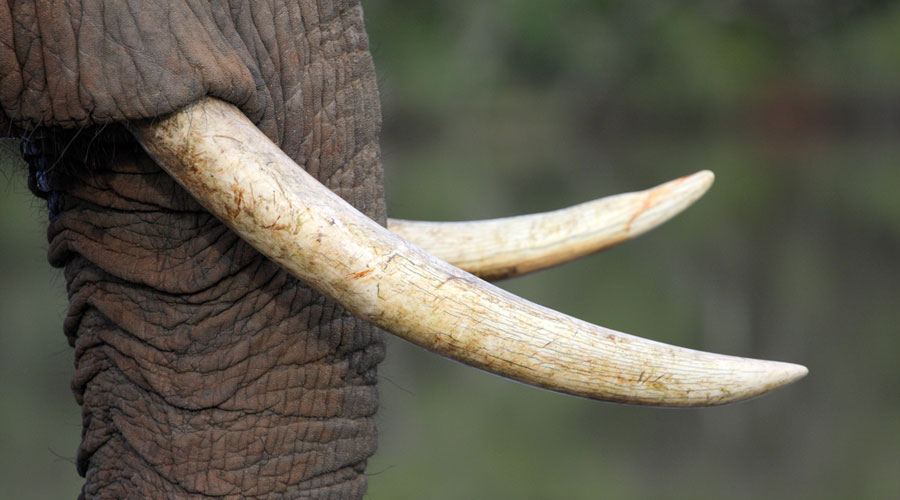
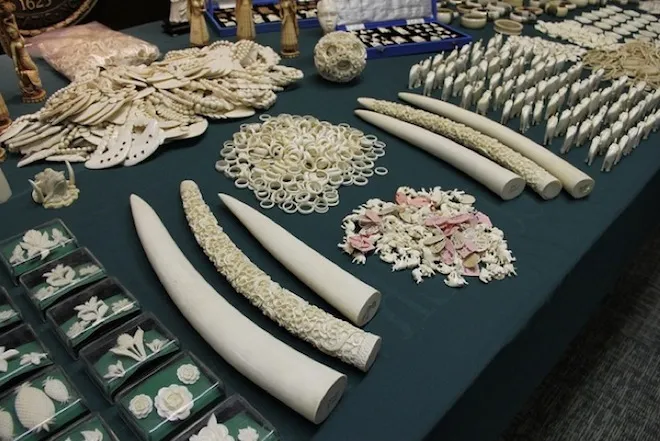
"These innocent elephants are being killed every day for sport, for their tusks, for profit. Elephants are animals that can feel pain and suffering, yet, the humans who hunt them disregard that fact and continue to maliciously kill them without a thought." #39canimals
"Elephant poaching is a crucial issue that needs to be addressed because, on average, the World Wildlife Fund reports that about 55 African elephants are killed illegally every day, contributing to the rapid decline in the elephant population (“African Elephant”)." #39canimals
Hjalmar Kuhl reports on the status of western chimpanzees and estimates that their populations declined 6 percent annually for a total of 80.2 percent by the end of the 24-year study (1990-2014) (9).
#39canimals
https://t.co/P3Sb7bk32E
"Elephants are, for most people, exotic and exciting creatures ... We force them to entertain us, capturing and abusing them to remain docile so that they can perform in our circuses or give rides to tourists" #39canimals
https://t.co/Eq9e3yOGAx
#39canimals "The best global solution is offered by government officials or scientists using their power to pass bills to help end captivity."
https://t.co/Z0vATFE4we
#39canimals "Among all potential threats, the ocean noise pollution causes the most disruptive problem to sperm whales since it leads to distortion and confusion among sperm whales’ communication and socialization."
"Indeed, showing empathy, acting compassionately, and reacting negatively to death are all human traits that are clearly shown in elephants." #39canimals
https://t.co/7SBhKs5WVV.
problem 1: "Elephants are becoming extinct due to the fact that humans are killing them for financial purposes ( Why Care? - World Elephant Day)". #39canimals
Taiwan and Hong Kong have already introduced laws prohibiting the slaughter of any dog or cat for human consumption. Thailand passed the Prevention of Animal Cruelty and Provision of Animal Welfare Act, that banned the trade or consumption of dog meat. #39canimals
“We share the world with creatures whose curious brains peacefully seek us,” and we mistreat and unethically use them for our own advantage (Safina 375). #39canimals
#39canimals
One of the most important problems contributing to the dramatic decline in elephant populations is poaching.
check the website to know more information
https://t.co/DMUTnfuUHf