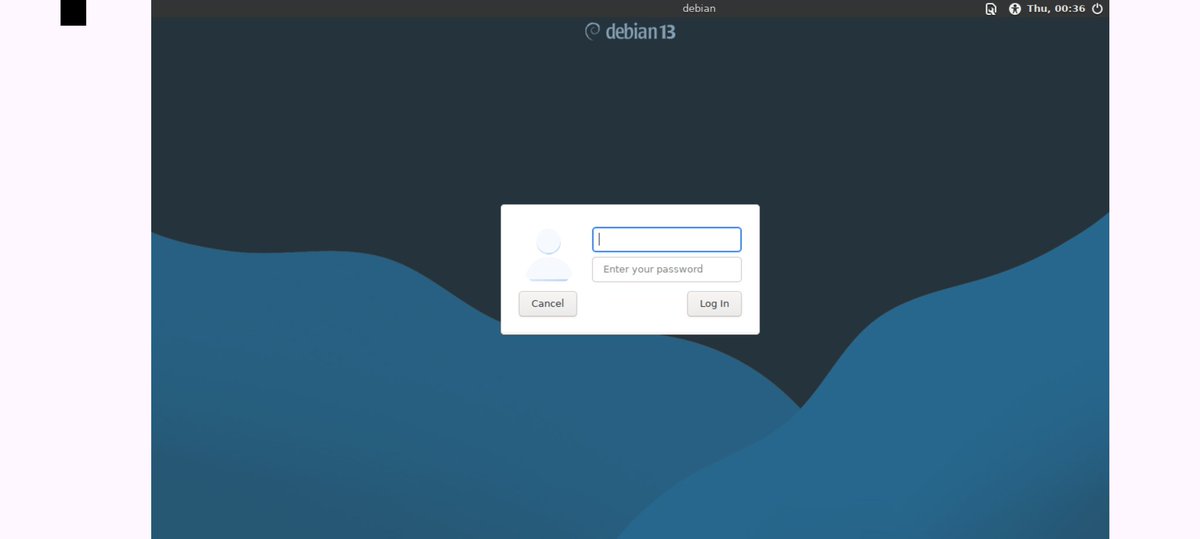
Running KernelSU on an iPhone—something I’ve dreamed of since day one, and it’s finally real!
spin up an Android VM on iOS, and run KernelSU right inside it. Zero jailbreak required!
That fingernail sized chip in your SIM tray holds its own CPU, RAM, EEPROM, and operating system, and it can tell your phone's modem to act behind your OS back.
AdaptiveMobile found S@T Browser used across 61 operators in 29 countries, including Nigeria. Having the applet present does not mean every SIM is exposed, though. In SRLabs testing of 800 SIMs, 9.4% had S@T Browser and 5.6% were vulnerable because their minimum security level was set to zero.
Most people treat a SIM card like passive storage for a subscriber ID and phone number. In reality, it is a smartcard computer running JavaCard OS on dedicated secure hardware, often 8-bit cores on older or lower-end cards and 32-bit architectures on newer ones.
During operation, the SIM exchanges data with the cellular baseband over ISO/IEC 7816 serial pins (clock, reset, I/O), outside the main application processor where iOS or Android runs.
This setup relies on the SIM Application Toolkit (STK), defined in 3GPP TS 31.111. The phone still drives the exchange by polling the SIM, so the SIM never initiates on its own. Instead, STK lets the SIM return proactive instructions when polled.
When the phone sends a routine STATUS command, the SIM can reply with status word 0x91XX, meaning it has XX bytes of proactive commands waiting. The baseband then sends a FETCH command, pulls the instructions, and carries out the requested modem or handset action, though the device can still reject commands or show UI depending on the action and implementation.
Under STK, a SIM could be instructed to:
* Pull location information (such as cell ID, which puts someone within several hundred meters), IMEI, battery status, network info, or language via PROVIDE LOCAL INFORMATION
* Send SMS messages via SEND SHORT MESSAGE
* Set up calls via SET UP CALL
* Open a data channel via OPEN CHANNEL
* Display text or launch a browser via DISPLAY TEXT or LAUNCH BROWSER
Carriers send over-the-air commands using binary SMS messages with data coding scheme 0xF6. Instead of going to your regular messages inbox, the baseband routes those packets to the SIM. Over-the-air message security uses 3GPP TS 31.115 (formerly 03.48), which can use DES, 3DES, or AES keys.
Even in 2013, Karsten Nohl showed how DES keys on SIMs could be cracked using rainbow tables, while operators like AT&T had already moved toward 3DES years earlier.
In 2019, AdaptiveMobile reported Simjacker, a campaign used for at least two years by a spyware vendor working with governments. It targeted the S@T Browser (SIMalliance Toolbox Browser) applet.
An attacker sent a single binary SMS with S@T instructions to a target number. Because the applet's minimum security level was zero, the SIM accepted the unauthenticated message, requested location info and IMEI, and texted them out via SMS. The phone passed the message straight to the SIM without checking its origin.
Switching to eSIM does not automatically strip out SIM applets either, since S@T Browser has appeared across SIM form factors including eSIM. Even as operators move away from legacy applets, the SIM still sits right next to the baseband, able to ask for device data and network actions outside the main OS.
Maxim Pavlov's PICnUSB is a USB-C dev board for PIC16F1454, PIC16F1455, PIC16LF1454, and PIC16LF1455 MCUs. Perfect for building USB HID devices like macropads, prototyping USB-connected sensors, or connecting displays and peripherals over I²C and SPI: https://t.co/0RQVAlDi0J