Pickleweeds are small salt marsh plants with a big capacity to accumulate heavy metals in their tissues. @Brooklebee of @UMassBoston will explore how these plants respond to their environments and how we can leverage their unique biology to address metal contamination.
Congrats to this round of 16 #2023CSPNewInvestigators selected to work with the @JGI. These folks, all new to the JGI, will do important work with synthetic biology, sequencing and metabolomics. Check out their projects! (🧵)
@BerkeleyLab@doescience
https://t.co/KTUneHyoJE
My first Botany meeting was so much fun! Lovely to see these shiny old friends and meet new ones, lots of great research and conversations. @UOkinedo even won a poster award! I'll be back, #Botany2023
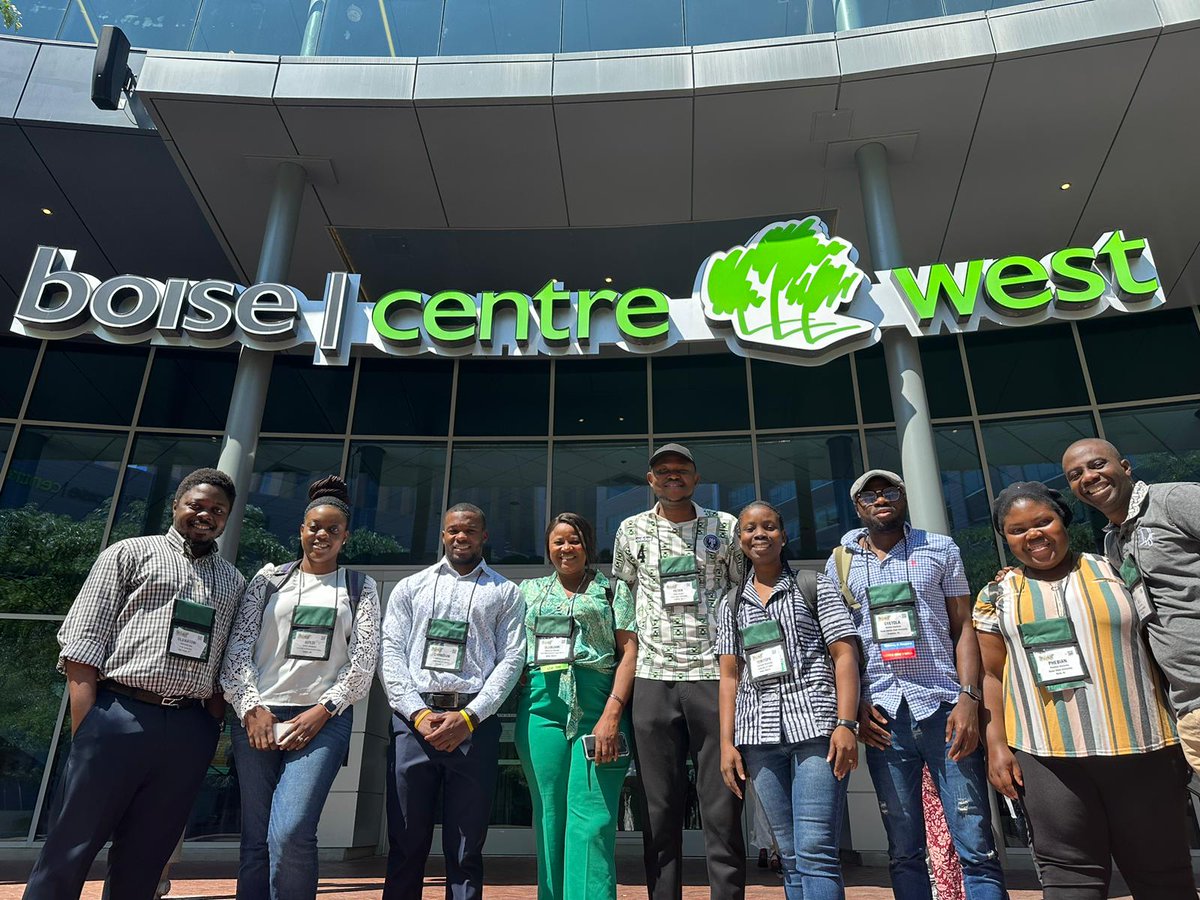
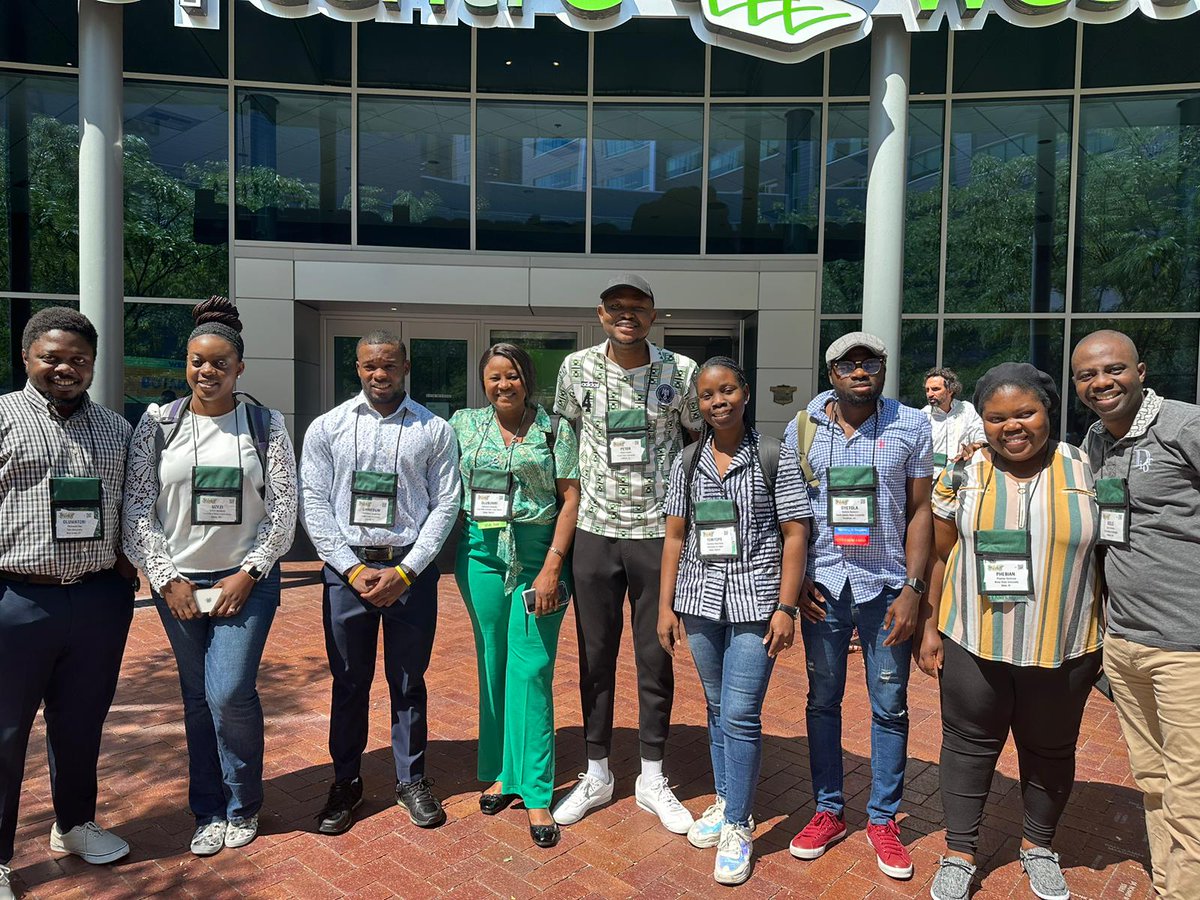
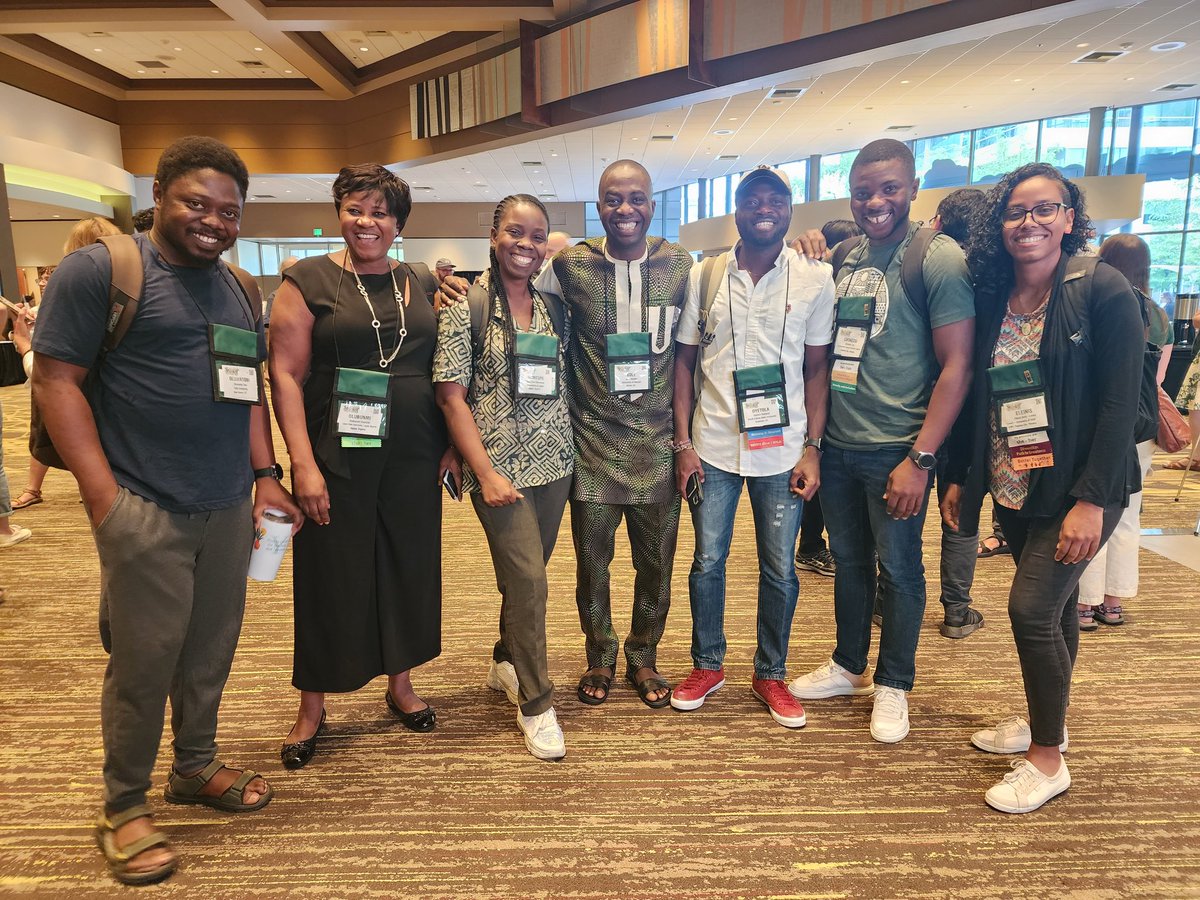
Some of the Nigerian contigent and our Venezuelan sister at the ongoing #Botany2023 in Boise-Idaho.
It's been nice meeting new friends and listening to all the great talks from everyone, representing different institutions, from far and near.
Rousing final #Botany2023 afternoon talk by @naomibot on rare plants threatened by energy projects (solar, Li mining): there's hope, we have tools, and we can have both biodiversity and renewable energy development #Teambuckwheat
Sometimes you meet PIs who seem friendly but their students tell a completely different story. Talk to the students and postdocs. If the PI doesnt want you to - something is off so run to the hills. Always ask lab members about lab culture and environment. Best advice I ever got
Nic Kooyers and GLUE network colleagues demonstrate convincing evidence for increased diversity & cold adaptation in invasive white clover populations: invasive populations are not just subsets of native populations
In two poplar species (P. trichocarpa & balsamifera), introgression might be increasing hybrid individual capacity for growth (fitness) across novel environments, particularly extra cold places. @jilla_hamilton#Botany2023#PopUpPoplar
Lauren Frankel demonstrates that substitution rate across lineages (biologically real but assumed not important) makes a HUGE difference for the performance of our standard hybridization-detection methods! Read more on bioRXiv! #Botany2023
And in an absolutely stunning illustrated talk, @KaseyKPham finds preliminary evidence that a range-restricted eucalypt in Tasmania has contributed specific genetic material to the widespread E. globus (my old California "friend"). Is the rare species being swamped?
From >13,000 records of poplar trees, @YingyingXie4 finds that responses to changing climates over time vary by sex, and predicts that the differences between male and female flowering will increase. Bad news for poplars and also for people allergic to their pollen!