A taxonomy of social media for learning 🆕
“The research paper aims to contribute to research on social media learning practices by developing a taxonomy to provide lecturers with a structured framework for effectively integrating social media platforms into teaching practices, thereby enhancing student engagement and learning outcomes. The TSML is rooted in previous taxonomies and organises learning objectives to align teaching, learning and assessment with the needs of the digital age. It does this by emphasising metacognitive processes and higher order thinking skills to prepare students for navigating complex digital environments. It also facilitates interactive learning experiences, bridging the gap between old and new technologies, moving from Web 1.0 to Web 2.0, and empowering students to shape their learning and create original work. Lecturers and students can use the TSML to analyse curriculum alignment, identify critical issues and exploit overlooked learning opportunities.”
Sulanie from @Bruneluni demonstrating the journey from an administrative nightmare to a fully supported process by using the WISEflow audit trail in our admin stream #WISEcon24
Congratulations to Dr David Tree, who's been announced by the @BiochemSoc as the recipient of their 2025 Teaching Excellence Award for an Established Educator.
Read about his dedication to excellence in teaching, and his advocacy for inclusive education: https://t.co/6Glx8abrRv
Prof Amanda Harvey's inaugural lecture, 'The Unplanned Career' will reflect on challenges of leadership, lessons learned & career highlights as a breast cancer biologist
📆 Thursday 25 April, 5.30pm
👉 Book: https://t.co/Lzd5HcEfo7
@bruneluni#research#FreeEvent#hybrid
Lecture attendance now so low that some academics have started to openly question the future of the teaching method https://t.co/ywKPu8X1eV via @jgro_the feat @Rob_Briner@Leelum@eric_mazur
My read on this proposed Irish legislation: it criminalises students sharing assignments with each other (including uploading to sharing sites?) but it explicitly wouldn't be applied to situations where alternative approaches (e.g. academic integrity procedures) are in place
Senior Educational Technologist (Innovation)
🚨Don't miss out on this great career opportunity with the digital education team at Brunel (closes Monday 5th Feb) https://t.co/BrosHTqSXY #altc#m25ltg
You can't prompt an AI the way you would talk to a human.
Their "minds" work differently.
Humans are better at reading between the lines. AIs make a lot of assumptions.
To effectively prompt an AI:
1. Say exactly what you want
2. Provide background info
3. Use specific, unambiguous words
4. Run the prompt. See how it works
5. Tweak the parts that need tweaking
AND if your prompt is long, use markdown formatting and structure like:
# Headings and ## Subheadings
**bold words** for emphasis on what matters
ALL CAPS WORDS for variables or important concepts
You might not always notice the subtle difference in your results, but trust me...
After 1,000+ hours of prompting, I promise that being specific and clear is worth the effort.
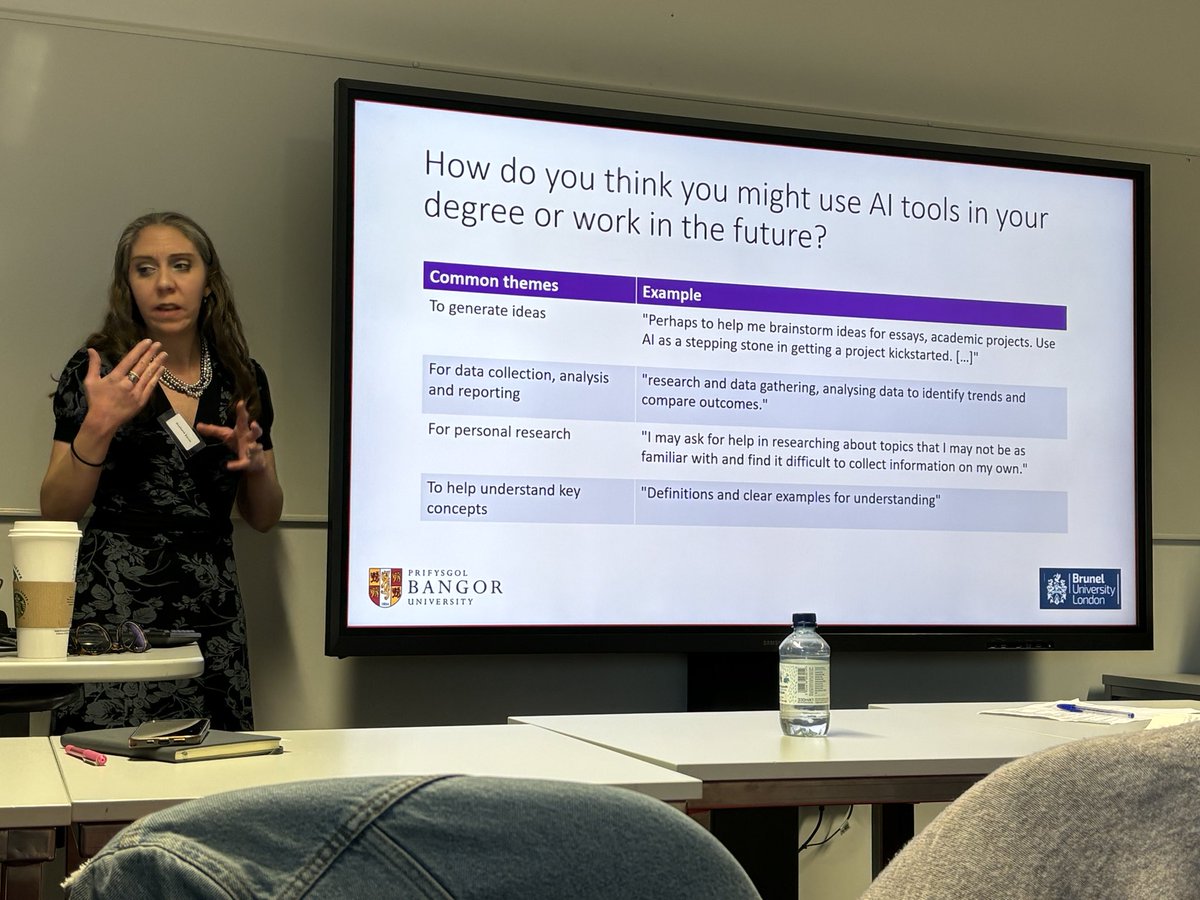
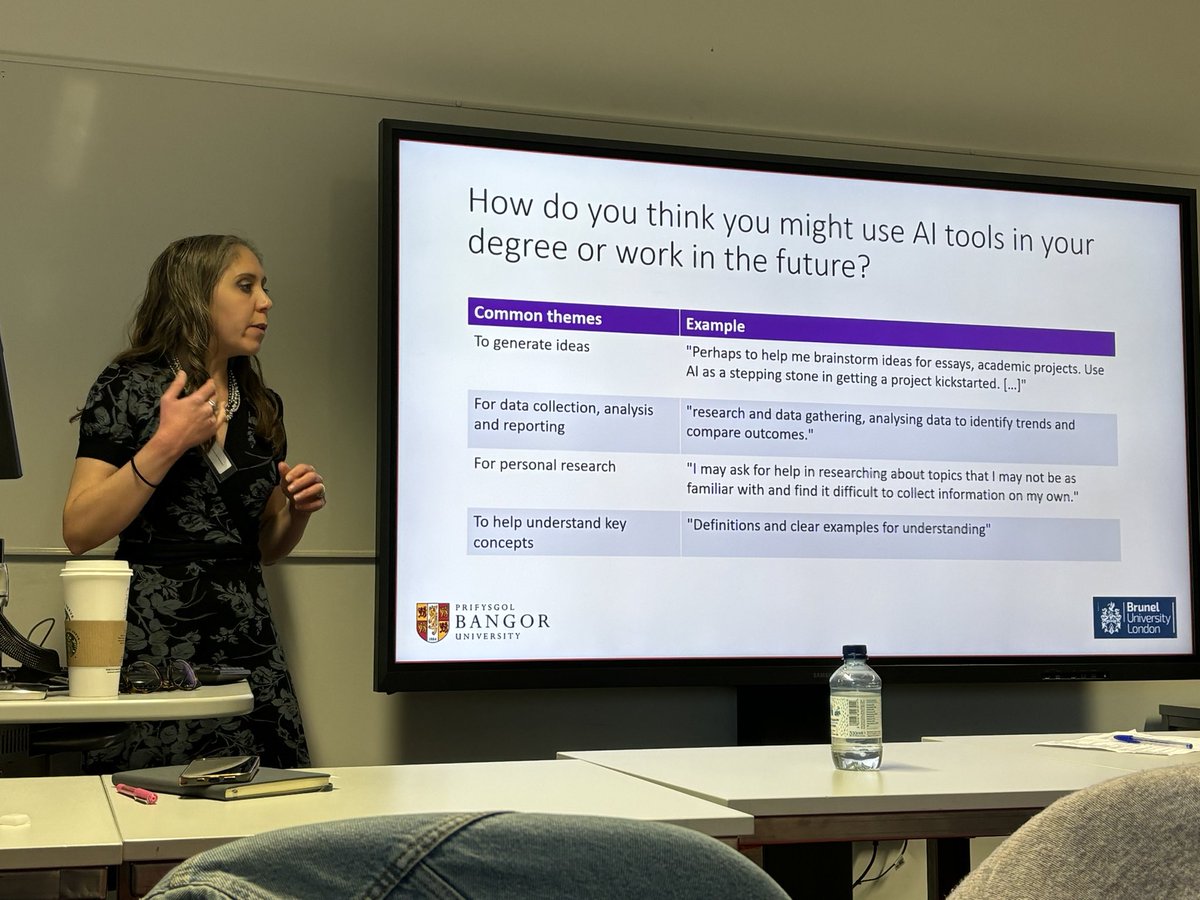
Looking forward to @neuronerdSB and @PauldyOtermans, about to represent @Bruneluni at the @UEL_News Teaching and Learning Symposium with their talk ��I’m a Chatbot, Ask Me Anything: Designing Learning Experiences with AI Tools”
We are at the @UEL_News Teaching and Learning Symposium 2024 and are loving the insightful sessions (this morning - feedback and co-creation, currently - authentic assessment from two engaging speakers).